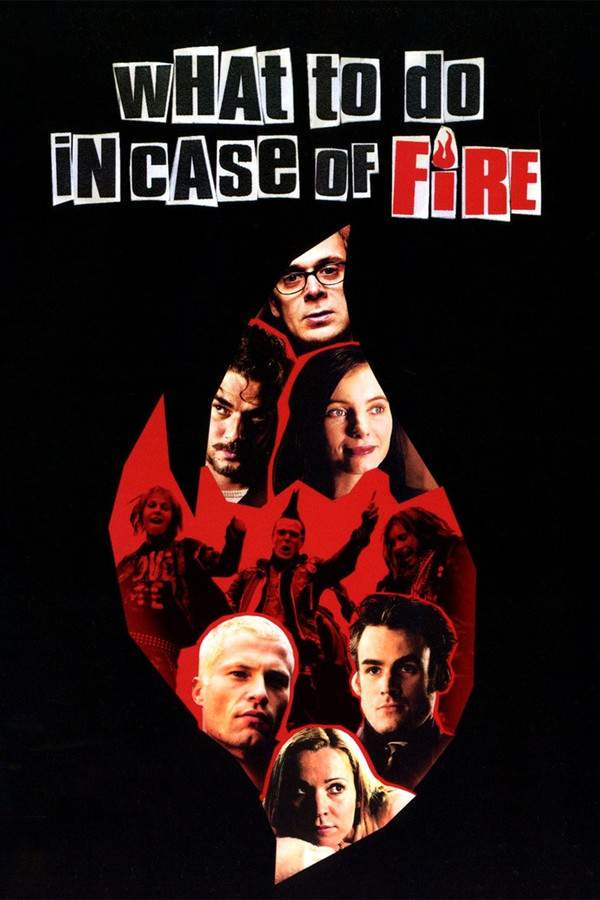
What to Do in Case of Fire 2002

Directed by

Gregor Schnitzler
Made by

Columbia Pictures
What to Do in Case of Fire Plot Summary
Read the complete plot summary and ending explained for What to Do in Case of Fire (2002). From turning points to emotional moments, uncover what really happened and why it matters.
In 1987, a group of passionate rebels united by a relentless quest for transformation gathered in Berlin’s Kreuzberg district. Within the dilapidated walls of an abandoned building, they crafted plans to challenge the established order through provocative propaganda films. One particular production demonstrated how to create a homemade bomb using easily accessible materials—an act that would resonate through time. This device was concealed in a vacant villa in Grunewald but, due to a timer malfunction, the explosive remained inactive for 12 long years.
Fast forward to the present day, and two of the original insurgents, Tim and Hotte, are still engaged in a low-grade guerrilla campaign against the authorities. Their methods involve a mix of anti-police graffiti, protests against gentrification, and minor thefts. However, their antics come under scrutiny when a real estate broker and potential buyer accidentally unearth the long-dormant bomb, triggering it with their careless interactions. The resulting explosion injures them both, prompting a police manhunt for the so-called “terrorists.”
As they navigate a tangled landscape of alliances and rivalries from their past, Tim and Hotte reconnect with old comrades. Among them is Nele, a dedicated single mother; Terror, a principled lawyer; Maik, a creative director exploiting radical imagery for commercial advertising; and Flo, Tim’s ex-lover, who has seemingly abandoned her rebellious ways for a life of tranquility. By sharing their distressing circumstances, each is forced to reckon with the ramifications of their youthful choices.
Facing potential arrest and a smear campaign, the remaining radicals devise a bold strategy to infiltrate police headquarters, posing as a television news crew. This risky venture holds the promise of reclaiming their lost footage, clearing their names, and rewriting the controversial story of their past. Yet, the stakes are incredibly high, with uncertainty surrounding the outcome.
Tensions rise between Manowsky]( /actor/klaus-lwitsch), a stubborn Berlin officer, and Henkel, a forward-thinking Bonn technocrat focused on public relations. This clash creates an ideal setting for the rebels’ scheme. As Henkel guides the “TV crew” through the precinct, showing them the evidence room containing damning material, Manowsky’s traditional methods put their operation in jeopardy. In a tense moment, the radicals narrowly evade detection during this spontaneous tour.
In a desperate attempt to eliminate incriminating evidence, the group hatches a plot to smuggle a second homemade bomb into the evidence room, disguised as a Trojan horse—a suspicious crate from their old building. They strategically position the device, confident it will be stored alphabetically by location. However, unbeknownst to the others, Hotte will hide inside the crate, ensuring its proper placement.
Complications arise when Hotte, without his wheelchair and forced to use a dolly, becomes trapped in the evidence room after the emergency exit door jams. In a frantic effort to communicate, he attempts to contact his fellow rebels, but everyone seems preoccupied or unreachable. Left with no other choice, Hotte calls Bülent, who is simultaneously trying to convince Tim to abandon their apartment in exchange for a payout for their remaining possessions. Spurred into action, Tim rushes to support Hotte.
Finally, the others receive Hotte’s urgent call and converge on the evidence room for a rescue. However, Manowsky intercepts them just as they believe they can escape. He lectures them condescendingly about their stubborn attachment to outdated ideals, preparing to arrest them. Yet, the timely arrival of the other radicals offers a crucial distraction, allowing them to evade capture.
As events intensify, Tim seizes the moment, securing Manowsky to the evidence cage with his own handcuffs. He threatens to leave the bomb in the officer’s lap but is persuaded by his comrades to refrain from murder. In a dramatic finale, Tim tosses the handcuff keys back to Manowsky, effectively leaving him restrained as alarms blare and the rebels make their daring getaway.
As they flee, an unexpected ally appears in the form of a water cannon, which they utilize to evade the police. Henkel watches, doubtful about the outcome, while Manowsky grapples with a newfound empathy for his former counterparts, reflecting on his old values and the dilemma presented by Henkel’s skepticism. Driven by these wrestling emotions, he makes a pivotal choice: to leave the incriminating bomb in the evidence room, obliterating any evidence against the rebels.
In their escape through the streets of Berlin, the group finds themselves aboard an S-Bahn train, where Tim holds a crucial film to the flame of his lighter. In a moment of deep reflection, he queries, “What do you do if there’s a fire?” to which his companions, in unison, reply, “Let it burn!” This moment echoes their readiness to take daring risks and challenge societal norms.
Viewers can expect a cinematic experience rich in nuanced moments, including instances of mild nudity, drug use, and mature language that add layers to the characters’ journeys and struggles.
What to Do in Case of Fire Timeline
Follow the complete movie timeline of What to Do in Case of Fire (2002) with every major event in chronological order. Great for understanding complex plots and story progression.
Formation of the Rebel Group
In 1987, a group of passionate rebels gathered in Berlin's Kreuzberg district, driven by a shared desire for transformation. They convened within the crumbling walls of an abandoned building to brainstorm and execute various plans, including producing provocative propaganda films aimed at challenging the established order.
Creation of a Homemade Bomb
Among the films they produced, one particularly notorious project showed how to create a homemade bomb using common materials. This production aimed to empower disenfranchised individuals to fight back, ultimately affecting the course of events in the years to come.
Concealment of the Bomb
The homemade bomb was hidden in a vacant villa in Grunewald. However, due to a timer malfunction, the explosive remained inactive for an astonishing twelve years, leading to an unintended delay in its impact on the city's chaotic landscape.
Rebels in Present Day
Fast forward to the present day, and two of the original insurgents, Tim and Hotte, are still involved in low-grade guerrilla campaigns against the authorities. Their actions include anti-police graffiti, protests against gentrification, and minor thefts, illustrating their continued resistance.
Discovery of the Dormant Bomb
A real estate broker and a potential buyer inadvertently stumbled upon the long-dormant bomb hidden in the villa. Their careless actions triggered the bomb, resulting in an explosion that injured both of them, which reignited the authorities' focus on the aging insurgents.
The Police Manhunt Begins
Following the explosion, a police manhunt for the so-called 'terrorists' ensued, placing Tim and Hotte under increased scrutiny. The incident served as a stark reminder of the rebels' past and led to a resurgence of interest in their activities from law enforcement.
Reconnecting with Old Comrades
As Tim and Hotte try to navigate this renewed chaos, they reconnect with former comrades, including Nele, Terror, Maik, and Flo. Each character grapples with their past choices and the consequences of their youthful rebellion, adding depth to the unfolding narrative.
Deciding to Infiltrate Police Headquarters
Facing potential arrest and a growing smear campaign, the remaining rebels craft a daring plan to infiltrate police headquarters while posing as a television news crew. The goal is to reclaim their lost footage and clear their names, adding urgency to their mission.
Tensions Between Law Enforcement Officials
Tensions escalate between Manowsky, a stubborn Berlin officer, and Henkel, a forward-thinking Bonn technocrat focused on public relations. Their clash creates opportunities and challenges for the rebels as they navigate the complexities of their infiltration plan.
Implementing the Trojan Horse
The rebels devise a plan to smuggle a second homemade bomb into the evidence room, disguised as a Trojan horse inside a suspicious crate. Hotte will hide within the crate to ensure its proper placement, adding an element of danger to their mission.
Hotte's Distress in the Evidence Room
Unexpected complications arise as Hotte finds himself trapped inside the evidence room after the emergency exit jams. His frantic attempts to communicate with the other rebels reveal the disarray and the urgency of their mission as they grapple with unforeseen challenges.
Rallying for Hotte's Rescue
After receiving Hotte’s desperate call for help, the remaining rebels converge on the evidence room to rescue him. Just as they believe they can escape, Manowsky intercepts them, escalating the tension and risking their freedom.
Tim's Bold Maneuver Against Manowsky
In the heat of the moment, Tim manages to secure Manowsky in the evidence cage with his own handcuffs. Choosing not to resort to murder, he decides to toss the handcuff keys back to Manowsky before making a dramatic getaway with his comrades.
Escape Using a Water Cannon
As the rebels flee, an unexpected ally in the form of a water cannon helps them evade the pursuing police. The dramatic chase through the streets of Berlin emphasizes the rebels' resourcefulness amidst chaos and conflict.
Defining Their Identity
On an S-Bahn train, Tim ignites a crucial film, prompting a reflective moment among the group. Their unified response to his query about a fire symbolizes their shared readiness to take daring risks and defy societal norms, sealing their identity as rebels in an ever-changing world.
What to Do in Case of Fire Characters
Explore all characters from What to Do in Case of Fire (2002). Get detailed profiles with their roles, arcs, and key relationships explained.
Tim (Til Schweiger)
Tim is a passionate and impulsive former radical who grapples with the weight of his past actions. His leadership is characterized by a mix of idealism and desperation, as he fights for what he believes is just. As a character, Tim embodies the struggles of reconciling past dreams with present realities.
Hotte (Martin Feifel)
Hotte is defined by his loyalty to his friends and commitment to their cause, even in the face of physical limitations. His resourcefulness and determination shine as he navigates perilous situations, seeking redemption for past choices. Hotte's character highlights the personal costs of activism and the importance of camaraderie in difficult times.
Nele (Nadja Uhl)
Nele is a devoted single mother caught between her past involvement in radical activism and her current responsibilities. Her character showcases the complexities of balancing personal sacrifice with a desire for change. Nele's journey emphasizes the ongoing conflict between societal expectations and individual aspirations.
Maik (Sebastian Blomberg)
Maik is a creative director who once thrived on radical ideas but now grapples with commercialism. His character illustrates the struggles of adapting ideology to changing circumstances. Through his lens, the film critiques the commodification of radical imagery and the complexities of personal growth.
Manowsky (Klaus Löwitsch)
Officer Manowsky represents the embodiment of traditional authority and skepticism towards the rebels. Throughout the film, his character evolves from a staunch adversary to a figure of empathy, reflecting on his values and the implications of his actions. This transformation adds depth to the narrative as he confronts the rebels’ struggles.
Terror (Matthias Matschke)
Terror is depicted as a principled lawyer who remains loyal to the ideals of his past despite the changing landscape of activism. His commitment to justice serves as a counterpoint to the actions of his former comrades, underscoring the complexity of maintaining one's beliefs in a rapidly evolving world.
Flo (Doris Schretzmayer)
Flo represents the choice of personal peace over radicalism, as she has distanced herself from her rebellious past. Her character highlights themes of sacrifice and the different paths individuals take in response to life’s challenges, and her reunion with Tim showcases the tension between love and activism.
What to Do in Case of Fire Settings
Learn where and when What to Do in Case of Fire (2002) takes place. Explore the film’s settings, era, and how they shape the narrative.
Time period
1987, Present Day
The film juxtaposes two distinct time periods: the fervent, rebellious spirit of 1987, when a group of activists sought to challenge societal norms, against the present day, where remnants of their past return to haunt them. The late 80s were marked by political upheaval and a desire for change, while the current landscape raises questions about aging ideals and confrontation with modern authority.
Location
Berlin, Kreuzberg, Grunewald
Berlin, Germany's vibrant capital, is known for its rich history and cultural diversity. The Kreuzberg district, famous for its artistic flair and rebellious spirit, serves as a backdrop for a group of radical insurgents. Grunewald, a more serene area, contrasts sharply with the tensions of the rebels' past and present.
What to Do in Case of Fire Themes
Discover the main themes in What to Do in Case of Fire (2002). Analyze the deeper meanings, emotional layers, and social commentary behind the film.
🔥
Rebellion
The theme of rebellion is central to the film, as characters strive to subvert conventional authority and societal expectations. Their past radicalism clashes with current realities, forcing them to confront the consequences of their youthful defiance. The actions they take highlight the ongoing struggle between revolutionary spirit and the pressures of conformity.
🔄
Redemption
Redemption plays a crucial role as characters seek to reconcile their past actions with their present circumstances. As they navigate the challenges posed by their youthful decisions, the quest for redemption reveals their vulnerabilities and evolving values. This theme is underscored by the relationships they rekindle and the risks they're willing to take for one another.

Coming soon on iOS and Android
The Plot Explained Mobile App
From blockbusters to hidden gems — dive into movie stories anytime, anywhere. Save your favorites, discover plots faster, and never miss a twist again.
Sign up to be the first to know when we launch. Your email stays private — always.
Explore the mobile appWhat to Do in Case of Fire Spoiler-Free Summary
Discover the spoiler-free summary of What to Do in Case of Fire (2002). Get a concise overview without any spoilers.
In the restless streets of contemporary Berlin, a city still echoing with the ghosts of its divided past, a once‑tight‑knit circle of former radicals is pulled back together by a new, precarious opportunity. Decades after their youthful crusade in the gritty Kreuzberg lofts, they now navigate a landscape reshaped by gentrification, surveillance and the mundane demands of adulthood. The film breathes an urban‑punk atmosphere, blending the raw edge of underground activism with the muted tones of everyday life, inviting viewers to feel the tension between idealism and the compromises that time forces upon us.
Tim and Hotte, the two remaining fire‑brands of the original crew, still drift through the city’s underbelly, leaving graffiti and staging small acts of defiance. Their camaraderie is seasoned with the bitterness of missed chances and the weight of unfinished business. Around them gather the lives they left behind: Nele, a determined single mother whose resolve masks a lingering connection to the cause; Terror, a principled lawyer who now argues in courts rather than on the streets; Maik, a creative director who recycles revolutionary imagery for commercial profit; and Flo, Tim’s former lover, now settled into a tranquil existence that seems at odds with her past. Each character carries a distinct blend of nostalgia, resentment and hope, creating a tapestry of relationships that feels both intimate and explosive.
The story’s tone is a gritty, almost tactile portrait of Berlin—a city that feels like a character in its own right, its cracked walls and neon‑lit avenues reflecting the inner turmoil of the protagonists. Dark humor, moments of quiet reflection, and a soundtrack that oscillates between throbbing electronic beats and somber acoustic strains keep the audience perched on the edge of each scene. The mood hints at danger without revealing specifics, suggesting that the group’s reunion could either rekindle old flames of rebellion or finally burn them out.
As the former rebels contemplate their next move, the film asks whether the fire of their youthful convictions can survive in a world that has moved on, and what it means to carry the scars of a past that still haunts the present. This uneasy balance of nostalgia, political intrigue, and personal conflict sets the stage for a tense, emotionally charged journey that remains open‑ended, inviting viewers to wonder which path the embers will choose.
Featured on this page

What's After the Movie?
Not sure whether to stay after the credits? Find out!
Check out our other apps:

SAT Sphere
Build confidence for the Digital SAT.

Mori Atlas
Discover wild places worth protecting.

Luntero
Search smarter for a home in Amsterdam.

Plot Explained
Unravel movie endings and hidden clues.

Pokechamp
Dive into Pokémon data and battle logic.

Driving Theory
Get ready for your European theory test.

Movie Dust
Plan your next cinema trip with ease.

Musemap
Find art and culture as you travel.

Selkobase
Compare credentials before committing.

Local Manual
Turn an unfamiliar country into practical next steps.

Lernavi
Compare school systems before your next move.

GymRoam
Find a workout stop wherever your plans take you.
Explore Our Movie Platform
New Movie Releases (2026)
Famous Movie Actors
Top Film Production Studios
Movie Plot Summaries & Endings
Major Movie Awards & Winners
Best Concert Films & Music Documentaries
Movie Collections and Curated Lists
© 2026 What's After the Movie. All rights reserved.
Privacy Policy