
West Beirut 1998

Directed by

Ziad Doueiri
Made by

RTBF
West Beirut Plot Summary
Read the complete plot summary and ending explained for West Beirut (1998). From turning points to emotional moments, uncover what really happened and why it matters.
Tarek is a coming-of-age story set against the backdrop of Lebanon’s brutal civil conflict that erupts in April 1975. A young boy from West Beirut, he witnesses a massacre of Palestinians carried out by the Phalangists, an event that brutally frames his worldview and the world around him. As the war deepens, Beirut is carved into two distinct zones: West Beirut, where Muslims predominately live, and East Beirut, with a strong Christian presence. The new dividing line makes everyday life perilous and movement between the halves of the city nearly impossible, forcing Tarek and his peers to navigate a city reshaped by fear, suspicion, and shifting loyalties.
In this uneasy landscape, Tarek—who is in high school—turns to cinema as a pale, bright reflex of normalcy. He spends long hours with his friend, Omar, crafting Super 8 films that capture moments of childhood mischief, simple joys, and small rebellions against the encroaching chaos. The act of filming offers a tentative escape, a way to hold onto memory even as the war relentlessly erodes ordinary life. Meanwhile, his mother longs to leave the country, but his father remains stubbornly determined to stay and endure whatever comes.
A quiet tension threads through Tarek’s days, amplified when he becomes close to May, an orphaned Christian girl who lives in the same building. May’s presence brings a fragile tenderness to the story, a reminder of the diverse and interconnected lives that the city held before the violence tore them apart. The relationship is tested by the violence outside and the shifting landscapes of trust and neighborliness inside the building. Tarek’s world expands in unexpected ways as he moves through friendships, family demands, and the shrinking sense of safety.
The narrative deepens when Tarek ventures into the war’s edge, visiting a notorious brothel in the Zeytouni Quarter and meeting its legendary madam Oum Walid. The encounter is not sensational but observational, offering a stark lens on how ordinary places and people are drawn into the conflict. The story follows his choices as he grows older, balancing curiosity and danger while he and those around him try to cling to some semblance of normal life. He eventually brings Omar and May to share in these moments, illustrating how friendships and loyalties weather the changing tides of history.
Across the film, a documentary-like frame unfolds: a compilation of scenes and archival footage that reflects the broader arcs of the conflict—figures and events such as Yasser Arafat, the Israeli invasion, Hafez al-Assad, and American intervention. The personal scale of Tarek’s life is illuminated by these sweeping images, underscoring the way a nation’s tragedy seeps into a single adolescence’s memory. The interweaving of intimate moments with national upheaval creates a portrait of a boy’s maturation under extraordinary strain, where every memory is tempered by the surrounding devastation.
In the final, quiet beat, the film returns to a moment of raw emotion. Tarek breaks down crying while listening to his father play the oud, a tender reminder of the prewar world and the uncomplicated joys that seemed so far away. The moment crystallizes the film’s core tension: the desire to remember and preserve goodness even as conflict erases it, and the enduring power of family, friendship, and music to anchor a young life amid overwhelming change. This portrait of a city in flux—through a boy’s eyes and his bond with those close to him—offers a humane, unflinching look at a country scarred by war, while simultaneously celebrating the endurance of ordinary humanity.
West Beirut Timeline
Follow the complete movie timeline of West Beirut (1998) with every major event in chronological order. Great for understanding complex plots and story progression.
Witnessing the Phalangist massacre
In April 1975, Tarek witnesses the massacre of Palestinians by Phalangists, a brutal inciting event that marks the onset of Lebanon's civil strife. The shock of the violence threads through his memories as the city begins to fracture along sectarian lines.
Civil war erupts and Beirut is partitioned
As the conflict erupts, Beirut splits into West Beirut (Muslim-majority) and East Beirut (mostly Christian). The partition makes everyday life perilous and crossing from one side to the other becomes nearly impossible. The city itself becomes a divided stage for the coming years of fighting.
Tarek's West Beirut life and filmmaking
Tarek, a Muslim high schooler, lives in West Beirut and channels his growing world into Super 8 films he makes with his friend Omar. The hobby offers a fragile sense of normalcy amid the encroaching violence. The camera becomes a small window to a city under siege.
East Beirut schools close; mobility restricted
East Beirut's schools close, and the border between the sides becomes a barrier that makes travel across the city dangerous and largely impossible. Tarek's educational life is disrupted, and the future feels uncertain. The separation intensifies the daily realities of the war.
Family tensions over exile
Tarek's mother wants to leave Lebanon to escape the violence, but his father refuses to abandon the home. This conflict within the family mirrors the larger choice facing many residents: stay and endure or flee to safety. The decision binds the family to the city's fate.
May the Christian orphan enters the story
Tarek spends time with May, a Christian orphan living in his building, adding a personal dimension to the sectarian conflict. Their relationship develops amid the sounds of gunfire and the uncertain future of the country. The bond offers a glimpse of compassion amid chaos.
The trip to the Zeytouni Quarter and meeting Oum Walid
By chance, Tarek enters the war-torn Zeytouni Quarter and encounters its legendary madam, Oum Walid. The encounter exposes him to another facet of wartime Beirut. He later takes Omar and May there, further intertwining their fates with the city's brutal realities.
Complications and family tensions rise
The outing to the brothel deepens divisions within the family as loyalties and boundaries blur in the wartime environment. The children navigate adolescence under the watchful eyes of a city in crisis. These events intensify the pressures of growing up in a divided Beirut.
War becomes nationwide; montage of the conflict
As the war escalates, the film compiles images and scenes from across Lebanon, signaling a shift from personal adventures to a national tragedy. The montage captures moments involving prominent figures and events, including Yasser Arafat, the Israeli invasion, Hafez al-Assad, and American intervention. The audience sees the war’s widening reach and its profound impact on ordinary lives.
The city bears the toll of external actors
International and regional actors become part of the story, illustrating how foreign interventions magnify the conflict’s consequences for civilians. The film situates these events within the broader panorama of the Lebanese Civil War. The sense of looming tragedy intensifies as the country careens toward catastrophe.
The war's violence recedes into memory
The culmination of years of conflict leaves a residue of memories for Tarek as he witnesses the ongoing turmoil around him. The film traces how the war reshapes his sense of safety, belonging, and identity, even as ordinary routines persist in ruined streets. Hope and fear mingle in the boy's recollections.
Ending scene: father's oud and memory
The film ends with Tarek breaking down in tears while listening to his father play the oud, remembering the good times before the conflict. The moment crystallizes the personal cost of war and the longing for a return to peace. A tender memory amidst the ruins, signaling both grief and endurance.
West Beirut Characters
Explore all characters from West Beirut (1998). Get detailed profiles with their roles, arcs, and key relationships explained.
Tarek (Rami Doueiri)
A Muslim high schooler in West Beirut who makes Super 8 films with his friend Omar. He witnesses the massacre that opens the war and watches the city fracture along sectarian lines, a experience that marks his coming of age and cements his memories of a pre-war life.
Omar (Mohammad Chamas)
Tarek's friend who shares his passion for filmmaking and endurance in a city at war. He accompanies Tarek and May on their precarious forays through a divided Beirut, representing youth camaraderie and the impulse to capture life amid chaos.
May (Rola Al Amin)
An orphaned Christian girl living in Tarek's building who becomes part of his world during the war. Her presence highlights cross-confessional ties and the fragile, hopeful connections that persist despite violence.
Oum Walid (Leila Karam)
The famed madam of a wartime brothel in the Zeytouni Quarter, encountered by Tarek and Omar. She embodies a harsh but vivid reality of life in the war-torn district and becomes a notable memory in Tarek's coming-of-age story.
West Beirut Settings
Learn where and when West Beirut (1998) takes place. Explore the film’s settings, era, and how they shape the narrative.
Time period
April 1975
The story takes place at the outbreak of the Lebanese Civil War in 1975, when sectarian violence escalates and the city is partitioned. It traces how daily life shifts from adolescence and play to survival and upheaval, with a shift from youthful adventures to a nationwide tragedy.
Location
Beirut, West Beirut, Zeytouni Quarter
Beirut is depicted during the early stage of the civil war, with a sharp split between Muslim-majority West Beirut and Christian East Beirut. The narrative follows life across the divided city as schools close and travel between sides becomes dangerous. The Zeytouni Quarter appears as a focal wartime neighborhood, including its notorious brothel district.
West Beirut Themes
Discover the main themes in West Beirut (1998). Analyze the deeper meanings, emotional layers, and social commentary behind the film.
🕊️
War and Memory
The film frames conflict through images and memories, challenging what remains after violence and how trauma shapes identity. A montage of war footage and personal moments shows how the past lingers in the present.
🧭
Coming of Age
A young boy grows up amid street battles and shifting loyalties. Tarek's curiosity, creativity, and resilience push him toward adulthood as innocence is worn away by danger and loss.
👨👩👦
Family and Displacement
The tension between a father who resists leaving and a mother who wants to escape highlights how war disrupts family bonds. The collapse of normal life forces young characters to confront uncertain futures and altered identities.

Coming soon on iOS and Android
The Plot Explained Mobile App
From blockbusters to hidden gems — dive into movie stories anytime, anywhere. Save your favorites, discover plots faster, and never miss a twist again.
Sign up to be the first to know when we launch. Your email stays private — always.
Explore the mobile appWest Beirut Spoiler-Free Summary
Discover the spoiler-free summary of West Beirut (1998). Get a concise overview without any spoilers.
In the spring of 1975 the pulse of Beirut quickens, its streets suddenly bisected by an invisible line that separates the mixed, bustling West from the more segregated East. The city, once a tapestry of overlapping cultures, now trembles under the weight of a conflict that turns neighborhoods into frontiers. Shadows linger over market squares and rooftop terraces, while the air hums with a blend of youthful energy and a growing, uneasy tension that hints at the larger upheaval gathering beyond the horizon.
At the heart of this fractured world is a teenage Tarek, a curious filmmaker who spends his days capturing the ordinary with a Super‑8 camera. Together with his inseparable friend Omar, they turn the war‑torn streets into a playground of imagination, stitching together stories that momentarily push the surrounding discord aside. Their circle widens to include May, an orphaned girl whose quiet resilience adds a delicate counterpoint to their adventures, and occasional visits to the enigmatic brothel of the Zeytouni Quarter, overseen by the legendary madam Oum Walid, whose presence underscores the city’s blend of danger and intrigue.
The tone of the film balances the reckless optimism of adolescence with the stark reality of a city on the brink. Every attempt to cross the dividing line becomes a metaphor for the characters’ desire to bridge the widening gaps between friends, families, and the world they thought they knew. The daily rhythm of school closures, whispered rumors, and the clatter of distant protests creates a backdrop that is both intimate and cinematic, inviting viewers to feel the weight of historical forces pressing upon ordinary lives.
As the youths navigate the shifting landscape, their relationships and personal aspirations begin to reflect the larger struggle for identity and belonging. The story promises a poignant exploration of how a generation’s promise is tested when the streets they run through transform into contested terrain, leaving the audience to wonder how far their bonds can stretch before the war’s relentless tide reshapes everything they hold dear.
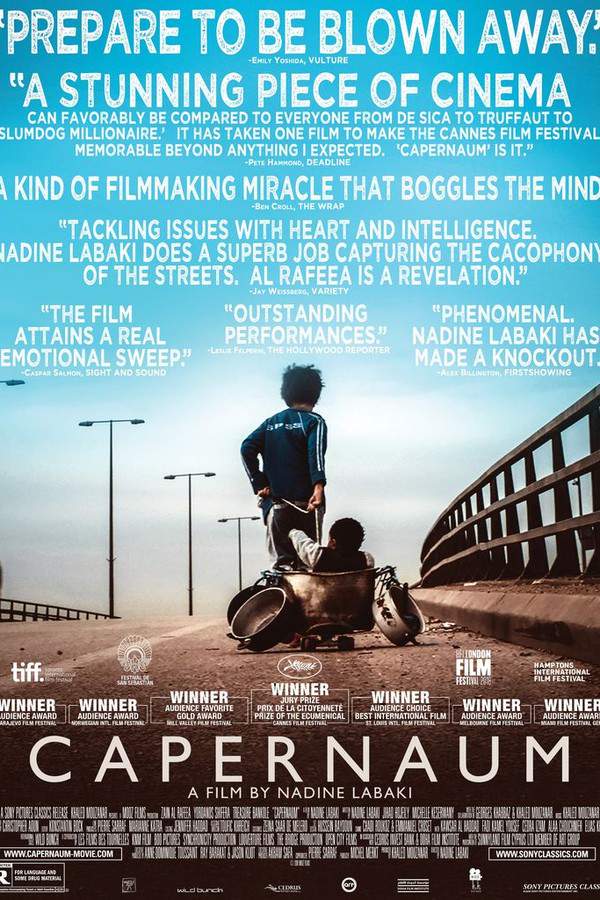
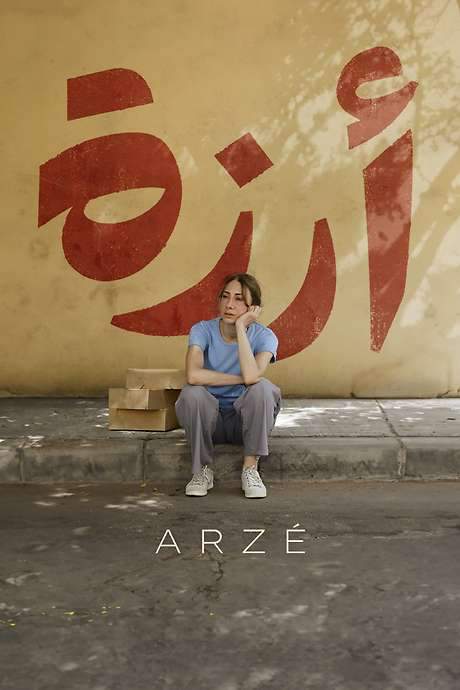
Movies with Similar Twists and Themes
Uncover films that echo the narrative beats, emotional arcs, or dramatic twists of the one you're exploring. These recommendations are handpicked based on story depth, thematic resonance, and spoiler-worthy moments — perfect for fans who crave more of the same intrigue.
Featured on this page

What's After the Movie?
Not sure whether to stay after the credits? Find out!
Check out our other apps:

SAT Sphere
Build confidence for the Digital SAT.

Mori Atlas
Discover wild places worth protecting.

Luntero
Search smarter for a home in Amsterdam.

Plot Explained
Unravel movie endings and hidden clues.

Pokechamp
Dive into Pokémon data and battle logic.

Driving Theory
Get ready for your European theory test.

Movie Dust
Plan your next cinema trip with ease.

Musemap
Find art and culture as you travel.

Selkobase
Compare credentials before committing.

Local Manual
Turn an unfamiliar country into practical next steps.

Lernavi
Compare school systems before your next move.

GymRoam
Find a workout stop wherever your plans take you.
Explore Our Movie Platform
New Movie Releases (2026)
Famous Movie Actors
Top Film Production Studios
Movie Plot Summaries & Endings
Major Movie Awards & Winners
Best Concert Films & Music Documentaries
Movie Collections and Curated Lists
© 2026 What's After the Movie. All rights reserved.
Privacy Policy