What Is Waterland About?
The premise of Waterland in 314 words, with nothing given away. The full story follows below.
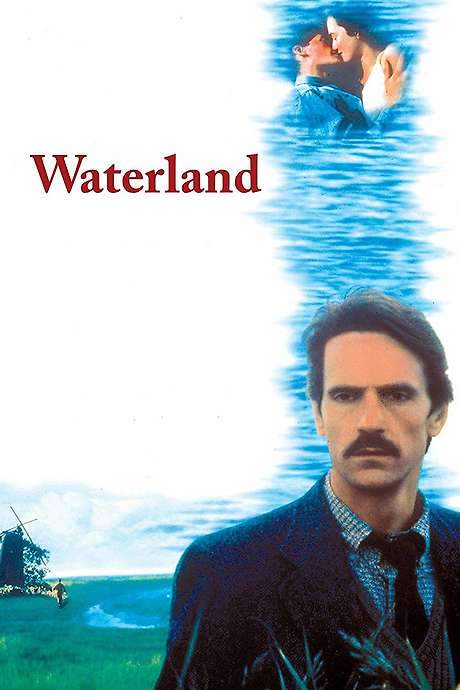
In the quiet, rain‑kissed streets of 1970s Pittsburgh, Tom Crick stands before a chalk‑filled blackboard, his history lessons drifting beyond dates and battles toward the tangled roots of his own existence. A dedicated yet weary high‑school teacher, he finds his personal life frayed as his marriage to Mary begins to strain under unspoken yearning and lingering doubt. Seeking solace, Tom reshapes his classroom into a living archive, inviting his pupils to hear the echo of his family’s story as if it were a fresh chapter of world history. The resulting tapestry blurs the line between educator and confessor, turning routine lectures into a sensitive exploration of memory.
The narrative reaches back to the windswept Fens of England, where younger Tom grew up beside his older brother Dick under the watchful eye of a widowed father scarred by war. Their childhood, marked by the lingering shadows of World II and the stern rhythm of rural life, supplies the undercurrent that informs Tom’s present reflections. By weaving together scenes of wartime hardship, a mother’s steadfast nursing at a converted manor, and the lingering presence of an industrious grandfather, the film constructs a layered portrait of three generations whose choices reverberate through time. The tone remains contemplative, allowing history to unfold like a river—steady, sometimes turbulent, always moving forward.
Within the school’s modest walls, one student, Matthew Price, senses the deeper purpose behind Tom’s unconventional pedagogy. Their connection hints at a quiet, intergenerational dialogue where the yearning for meaning and hope bridges the gap between past and present. The atmosphere balances lyrical melancholy with moments of quiet humor, inviting the audience to consider how personal histories shape the way we teach, learn, and ultimately understand ourselves. As the lesson continues, the film sustains an immersive mood of introspection, suggesting that confronting the ghosts of our lineage may be the first step toward an uncertain, yet possible, future.
What Happens in Waterland?
The complete story of Waterland, from the first scene to the last, in 597 words (about 3 minutes). Spoilers throughout. Names in the text link to 5 cast member pages.
Spoilers ahead
In 1974, Jeremy Irons stars as Tom Crick, an anguished English-born high school teacher in Pittsburgh who begins a painful reassessment of his life as his wife, Sinéad Cusack Mary Crick, starts to unravel and longs for a son they never had. To cope with the strain around him, Crick reshapes his history lessons, turning the classroom into a theatre of memory and transparency, and he begins narrating his own life to the students, weaving three generations of his family into the curriculum. The tale unfolds through vivid flashbacks that follow a teenage Crick and his mentally challenged older brother, David Morrissey as Dick Crick, as they grow up in The Fens of England under the shadow of World War II, with their widowed father watching over them.
One day, Crick returns from teaching to a shock: Mary has abducted a child from a supermarket, convinced the child is hers and a gift from God. Tom helps her return the baby, but Mary later leaves him and disappears. Crick then reveals to his class how he and Mary shared a teenage romance during the war, a romance that culminated in a disastrous abortion that left her infertile. He is haunted by guilt over this and by memories of jealousy when he suspected that Mary was drawn to his brother Dick, and perhaps carrying Dick’s child. During that turbulent time, Mary was said to have intimate encounters with Dick; Tom had asked her to “teach” his older brother about sex, and Mary later denied any affair, insisting she was carrying Tom’s child. The family’s history becomes entangled with the rumor of an incestuous connection between Mary and their grandfather, and a failed abortion performed by an old gypsy and medicaster by the riverbank.
Back in the present, Crick’s storytelling deepens as he forms a bond with one of his students, Ethan Hawke as Matthew Price, a young man who worries about the future and seems to understand the deeper purpose behind Crick’s history lessons. Crick also recounts his mother’s life as a nurse in a manor converted to a psychiatric hospital after World War I, a place connected to Crick’s grandfather, a successful brewer and a respected figure in The Fens. Whispers persist about whether Dick is the product of an incestuous union between Mary and their grandfather, a revelation that compounds the weight Crick must carry. A letter from the grandfather confirms a troubling truth that Tom himself was conceived by his mother and his grandfather—a revelation that shakes the family’s foundations.
The narrative intensifies as the past bleeds into the present: the young Dick murders Freddie Parr, Callum Dixon as Freddie Parr, after suspecting him of Mary’s affections or of fathering a child. Tom confronts Dick, and the confrontation spirals into tragedy; Dick’s actions end with him drowning, leaving Tom to grapple with guilt and the impact of hidden histories on the people he loves. Crick’s professional life unravels as he is dismissed from teaching following complaints about the direction of his lectures and the personal borders he crosses in his storytelling.
In his final classroom address, Crick speaks directly to Price and the rest of the students, urging them to hold onto hope for a better future for humanity and for themselves, a message that echoes beyond the school walls. After leaving the school, Crick returns to the Fens, hoping for reconciliation with Mary. The film closes with Crick walking toward Mary by the lakeside, the open fields and the quiet water suggesting new possibilities even as the past continues to reverberate through his life.
Waterland Timeline: Every Key Event in Order
14 key events in the order they happen, from “Crick’s 1974 life reassessment” to “Return to the Fens and the uncertain reunion”. 14 events name a place, across 11 locations.
- 1
Crick’s 1974 life reassessment
Tom Crick, a troubled English-born Pittsburgh high school teacher in 1974, reassesses his life. He changes his teaching method and begins narrating his life to his class, weaving his personal history with England's history. His narration blends three generations and reshapes how history is taught in the classroom.
When:1974 Where:School classroom
- 2
Mary’s abduction and present turmoil
One day Crick comes home to find Mary has abducted a child from a woman in a supermarket, believing the child is hers and a gift from God. He helps Mary return the baby and urges her to seek counselling. After this incident, Mary leaves Crick and disappears.
When:1974 Where:Supermarket and home
- 3
Mary’s disappearance and the past closing in
Crick's present-day narration reveals the aftermath: Mary disappears and the marriage strains further. He then recalls their wartime romance and how past choices haunt his understanding of history. This event deepens Crick’s personal guilt and drives his storytelling.
When:1974 Where:Crick's home; present
- 4
War-era romance and a life-changing abortion
During World War II, Crick recounts a teenage romance that Mary had with his older brother Dick. The relationship results in Mary becoming pregnant and an abortion that leaves her infertile. Crick feels deep guilt over these tangled past events and the jealousy surrounding Mary.
When:World War II Where:The Fens, England; World War II era
- 5
Incest rumors and family tension
Amid the turmoil, Crick describes rumours during his adolescence that Dick could be the product of an incest between Mary and their grandfather, or that he might be the father of Mary's baby. These whispers intensify the tension between the brothers and shadow the family history. The truth remains elusive, feeding Crick’s sense of guilt and confusion.
When:Adolescence Where:The Fens
- 6
The riverbank abortion
To obtain an abortion, the characters seek a gypsy medicaster living by the riverbank. The procedure is performed and Mary becomes infertile as a result. This act seals the tragic arc of Mary’s fertility and deepens the family’s secretive past.
When:World War II era Where:Riverbank; gypsy medicaster's place
- 7
Present-day classroom and Price
In the present, Crick continues teaching and gradually creates a vivid world in his classroom by narrating his life. Matthew Price, a thoughtful student, is the only pupil who seems to understand the deeper motive behind Crick’s personal history. Crick uses these memories to illuminate broader historical themes.
When:1974 Where:School classroom
- 8
Mother’s nursing life and a hospital past
Crick explains his mother's life as a nurse in a manor that was converted into a psychiatric hospital after World War I. The hospital sits on land once owned by Crick's grandfather, a successful brewer and influential figure. This history ties the family to the region's social fabric.
When:Post-WWI Where:Manor/psychiatric hospital
- 9
Grandfather, war, and lineage
Crick describes his grandfather’s status and the family’s connections, noting that his father Henry fought in the Great War. These memories situate the Crick family within The Fens’ wartime and social history. The generational strand helps explain the present tensions Crick faces in his life.
When:World War I Where:The Fens
- 10
Paternity rumors and adolescent fear
Crick recalls persistent rumors during adolescence that Dick was born from an incestuous relationship between Mary and the grandfather. The rumor colors the brothers' relationship and amplifies guilt and fear within the family. The tension remains unresolved in Crick’s memory.
When:Adolescence Where:The Fens
Show the other 4 events of Waterland Hide the last 4 events
- 11
Dick’s murder of Freddie Parr
As tensions mount, Dick murders Freddie Parr, whom he suspects is the father of Mary’s baby. He disposes of the body in the river, an act that triggers Tom’s confrontation with his brother. The murder heightens the family’s cycle of violence and secrecy.
When:Teenage years Where:River; dredging bridge
- 12
Confrontation, confession, and downfall
Tom confronts Dick about Freddie’s murder and Dick threatens him with a beer bottle used in the killing. The confrontation drives Dick to a nervous breakdown, and he runs away, throwing himself into the water. Crick’s narration marks Dick’s drowning as the tragic culmination of the family saga.
When:Teenage years Where:Home; river
- 13
Crick’s dismissal and final exhortation
Back in the present, Crick is dismissed from his job after complaints about his unorthodox teaching. In his last speech to the school auditorium, he speaks directly to Price, urging him to never lose hope in humanity’s future. The moment blends personal loss with a broader message about resilience.
When:Present Where:School auditorium
- 14
Return to the Fens and the uncertain reunion
Crick returns to the Fens to search for his estranged wife Mary, hoping for a possible reconciliation. Arriving by the lake, he sees Mary in the distance and walks toward her, while the ending leaves their reunion open to interpretation. The film closes on a note of ambiguous possibility.
When:Present Where:The Fens by the lake
Who Are the Main Characters in Waterland?
7 characters, among them Tom Crick, Mary Crick and Dick Crick: who each one is and the part they play in the story. Every profile links to the actor’s page.
-
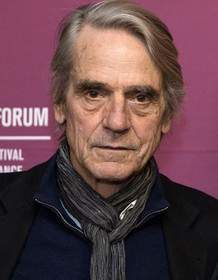
Tom Crick
Played by Jeremy Irons
Tom Crick is an English-born history teacher who, in 1974, begins narrating his life to his class. He is introspective and haunted by a tumultuous past involving his wife, Mary, and a complex family history. His method shifts from traditional instruction to a personal, confessional storytelling that blurs the line between history and memory.
- 🎭 Drama
- 🧭 History
- 🧠 Introspection
- MC
Mary Crick
Played by Sinéad Cusack
Mary Crick is Tom’s wife whose mental health deteriorates, triggering a crisis that reverberates through their lives. Her longing for a child and her relationships during the war contribute to the family’s unfolding tragedy. Her actions, including the abduction incident, propel Crick into deeper introspection about memory and responsibility.
- 💔 Mental Health
- 🧬 Family
- 🕊️ Love
-
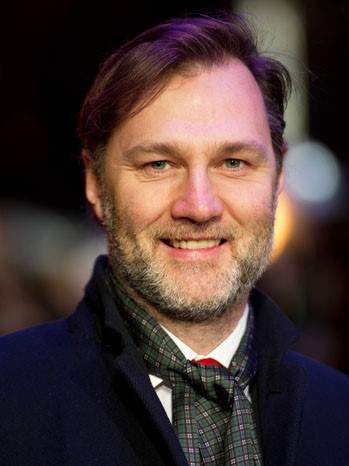
Dick Crick
Played by David Morrissey
Dick Crick is Tom’s older brother, volatile and troubled. His jealousy and impulsive violence drive key events, including the murder of Freddie Parr and his subsequent unraveling. His actions anchor the darker side of the family’s legacy and the story’s exploration of inherited guilt.
- 🧠 Mental Health
- 🗡️ Violence
- 🕯️ Secrets
- FP
Freddie Parr
Played by Callum Dixon
Freddie Parr is a local youth whose death becomes a catalyst for the tragedy enveloping Tom’s family. His murder, believed to be tied to a pregnancy, triggers a chain of confrontations and the revelation of hidden motives. His fate exposes how the past forcefully intrudes on the present.
- 💰 Local
- 🕳️ Death
- 🕵️ Mystery
-

Matthew Price
Played by Ethan Hawke
Matthew Price is Crick’s student who understands the deeper reasons behind the teacher’s digressions into personal history. He represents a hopeful, forward-looking perspective within the classroom. Price’s engagement anchors the present-day narrative and offers a lens for contemplating the future of humanity.
- 🎓 Student
- 🧭 Hope
- 🗣️ Listener
- P
Peter
Played by Sean Maguire
Peter is another student who encounters Crick in the classroom and witnesses the shifting balance between history and memory. His presence underscores the impact of Crick’s confessional teaching on younger minds. He embodies the younger generation’s response to past traumas being voiced in the present.
- 🎒 Student
- 🗣️ Attention
- 🧭 Growth
- YT
Young Tom Crick
Played by Grant Warnock
Young Tom Crick is the teenage version of the narrator, growing up amid wartime romance and family tensions. His early experiences foreshadow the later tragedy and the questions of paternity that haunt the family. This younger self reveals how innocence can intersect with guilt and secrecy.
- 🧒 Youth
- 💔 Love
- 🕊️ Tragedy
Where and When Is Waterland Set?
Waterland is set in The Fens and England (1974 (present-day) with World War II flashbacks). Here is why the time and place matter to the story.
When
1974 (present-day) with World War II flashbacks
The story largely unfolds in 1974, seen through the eyes of a teacher who reflects on his life. It intercuts with World War II-era memories, revealing the origins of the family’s tragedy. The contrast between a restless 1970s Britain and the war years highlights how past events continue to shape the present.
Where
The Fens, England
The Fens are a flat, damp marshland region in eastern England, shaped for centuries by drainage ditches and rivers. The landscape is expansive, with wide skies and gentle water, creating a contemplative backdrop for memory and history. Its remote, waterlogged atmosphere mirrors the characters’ emotional isolation and the weight of generations of secrets.
- 🌫️ Marshland
- 🏞️ Rural England
- 🗺️ English landscape
What Are the Themes of Waterland?
3 ideas the story keeps returning to, among them Memory & History, Guilt & Responsibility and Secrets & Family.
-
01
Memory & History
The film blurs personal memory with official history, showing how stories are crafted in the classroom and in private life. Crick uses his life as a teaching tool, suggesting that memory can illuminate truth or distort it. The interplay between past and present drives the narrative and questions what counts as real history.
-
02
Guilt & Responsibility
Guilt permeates Crick’s life, from a troubled wartime romance to the unresolved abortion and the violent acts within his family. The weight of what happened compounds as he revisits choices and their consequences. The film explores whether responsibility for pain can ever be wholly redeemed.
-
03
Secrets & Family
The Crick family is built on hidden truths and whispered rumors that emerge over time. Letters, suspicion of incest, and murder expose how secrets shape identities and destinies. The narrative suggests that uncovering hidden pasts is both dangerous and unavoidable.
What Kind of Film Is Waterland?
Melancholic in tone, with variable pacing and a complex story, going by the plot summary.
- Tone
- Melancholic
- Pacing
- Variable
- Story
- Complex
- Intensity
- High
- Ending
- Bittersweet
A deeply melancholic and intense drama that weaves a heavy tapestry of family trauma and personal guilt through a fractured, reflective narrative, leaving a somber but cautiously hopeful atmosphere.
- melancholic
- anguished
- reflective
- somber
- guilty
- haunted
- grief and loss
- family secrets
- trauma
- history and memory
Content notes: incest, abortion, mental illness, child abduction, murder.
Quiz
How well do you remember Waterland? Test yourself on the story.
Where to Watch Waterland
Rent or buy it from Amazon Video and Apple TV Store. US availability and prices from JustWatch.


Streaming availability in the US, powered by