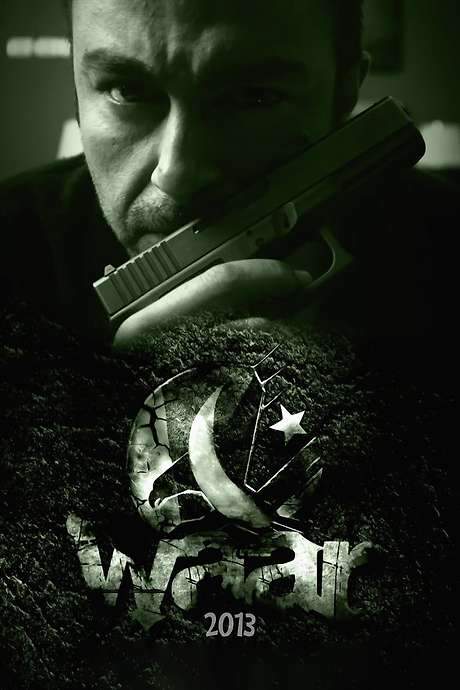


Waar Plot Summary
Read the complete plot summary and ending explained for Waar (2013). From turning points to emotional moments, uncover what really happened and why it matters.
In the rugged northwestern tribal belt of Pakistan, a high-stakes, counter-terrorism operation unfolds against a backdrop of tense political and military stakes. Major Mujtaba Rizvi, a former Pakistan Army officer, is drawn back into action as a coordinated effort is led by Ehtesham Khattak and quietly overseen by his sister, Javeria Khattak. The mission centers on stopping a looming attack, a plan so intricate that it demands Mujtaba’s unique blend of discipline, experience, and a personal resolve forged by loss. The narrative threads together frontline vigilance, intelligence, and the fragile line between duty and vengeance, all set within a landscape where loyalties are tested and every decision carries weight.
The key operation hinges on a revelation: a major terrorist strike that can only be countered with Mujtaba’s involvement. As the team pieces together the threat, the tension escalates, pulling Mujtaba back into a world he thought he had left behind. The operation is depicted with a patient pacing that foregrounds strategy and risk, balancing the immediacy of field action with the longer arc of planning, misdirection, and sacrifice. The protagonists navigate a web of threats that stretch across regional borders, highlighting how intelligence, timing, and courage converge in moments of crisis.
The personal cost at the heart of the tale becomes clear when Mujtaba’s past is revealed. His family was assassinated by Ramal, a calculated operative connected to India’s spy apparatus. This revelation catalyzes Mujtaba’s resolve, turning his pursuit of justice into a drive for closure. As Ramal executes a series of brutal campaigns, Mujtaba leverages every skill he honed in uniform to counter his foe’s increasingly perilous tactics. The duel between Mujtaba’s measured, methodical approach and Ramal’s ruthless audacity forms the emotional core of the story, underscoring themes of vengeance, duty, and the human cost of conflict.
Complicating the mission is Mulla Siraj, a Taliban commander aligned with Ramal, who operates from a fortified bastion in the tribal lands. Siraj’s influence and the networks he commands feed Ramal’s operations, linking the battlefield to a broader struggle that involves both regional dynamics and the shadowy world of espionage. The pair’s collaboration is augmented by a spy network and a plan that hinges on creating diversions to mislead security forces, capturing the audience with a careful choreography of moves and countermoves.
Within this high-stakes conspiracy, heavy technical and tactical choices come to the fore. One bomb is placed inside a vehicle and is driven away by Ehtesham in a dangerous bid to misdirect authorities. The ensuing explosion claims Ehtesham, highlighting the personal risks faced by those who operate on the front lines. The notion of sacrifice underlines the film’s message: every decision in the field can ripple outward in unforeseen and tragic ways, testing the resolve of those left standing.
The second device, even more menacing, is planted at the Jinnah Convention Centre in Islamabad. As the clock ticks, Mujtaba steps into the breach, engaging Ramal’s operatives and leveraging intelligence, timing, and courage to thwart the attack and protect innocent lives. The sequence blends high-stakes action with a restrained realism, avoiding sensationalism while delivering a tense, cinematic confrontation that underscores the fragility of security in a volatile region.
In the climactic moments, Mujtaba’s pursuit of Ramal culminates in a decisive confrontation. The long arc of struggle—rooted in Mujtaba’s personal history and the broader fight against terror—reaches a turning point as the stalemate shifts toward closure. The final act reinforces a central theme: while vengeance can drive a fighter, true resolution comes through duty fulfilled and the defense of the many over the needs of revenge. In the aftermath, the country breathes a cautious relief as Mujtaba asserts control over the situation and asserts a hard-won sense of justice.
Throughout, the film paints a nuanced portrait of steadfastness under pressure, the delicate balance between retaliation and restraint, and the enduring human cost of conflict. The ensemble cast—led by Mujtaba Rizvi and anchored by the performances surrounding Ramal’s calculated menace—provides a steady, dramatic current that guides the viewer through a narrative about courage, loss, and the long reach of consequences in the war on terror. The tension never fully releases, keeping the viewer engaged as the protagonists navigate battlefield realities, political complexity, and personal reckonings that define this harrowing, vigilance-forward story.
Waar Timeline
Follow the complete movie timeline of Waar (2013) with every major event in chronological order. Great for understanding complex plots and story progression.
Mujtaba's retirement and family tragedy
Major Mujtaba Rizvi, a former Pakistan Army officer, interrupts his retirement when tragedy strikes. Ramal, an agent of India's RAW, assassins Mujtaba's family. The personal loss fuels Mujtaba's resolve to counterterrorism and protect his country.
Ramal's vengeance against Mujtaba
Ramal's act is driven by revenge and his cold, calculated tactics reveal the profile of a committed terrorist. He initiates a broader campaign by orchestrating attacks that would pressure security forces. Mujtaba becomes the obvious target of his vendetta.
Lax's diversion plan
Lax, a covert spy, devises a major operation in the tribal region to draw security resources away from looming threats. He coordinates with Ramal and Mulla Siraj to ensure the plan covers multiple fronts. The plan sets the stage for the ensuing attacks.
Mulla Siraj provides bombs
Mulla Siraj, a Taliban leader allied with Ramal, provides two bombs to Ramal, supplying the material for the planned strikes. One bomb is stored for a vehicle attack, the other will be planted in a high-profile target. The collaboration tightens the operational readiness of the terrorists.
Counter-terrorism operation kicks off
Ehtesham Khattak leads the counter-terrorism operation in the northwestern tribal region, with his sister Javeria Khattak coordinating intelligence efforts. They marshal ground forces and surveillance resources to intercept the planned attacks. The operation is framed as a high-stakes bid to neutralize Ramal's network.
Diversion attack planned on police training center
Terrorists plan to strike a police training center to divert attention from the bigger threat. They monitor security activities to identify the best moment to unleash chaos. The diversion tactic compounds the pressure on local security agencies.
First bomb loaded into a vehicle
One of the bombs is loaded into a vehicle as part of the diversion plan. The attackers rely on a mobile element to maximize impact and avoid early detection. The vehicle becomes a focal point of the ensuing pursuit.
Ehtesham drives away the bomb and dies
Ehtesham drives away with the vehicle bomb to dispose of it, sacrificing himself in the blast when the device detonates. The explosion devastates his unit and foils part of the division's plan. His death marks a grim setback for the counter-terrorism team.
Second bomb planted at Jinnah Convention Centre
The second bomb is placed at Islamabad's Jinnah Convention Centre, targeting a symbolic national venue. Security forces monitor the rising threat and prepare for a rapid response. The stage is set for a dramatic confrontation.
Mujtaba counters the Islamabad attack
Major Mujtaba counters the attack at the Jinnah Convention Centre, using his experience to disrupt the bombing plan. He works to neutralize the device and evacuate potential casualties. The incident underscores his personal stake in ending the threat.
Mujtaba identifies Ramal's mastermind
Through the attacks and his tactical responses, Mujtaba begins to recognize Ramal as the mastermind behind the attacks. He pieces together Ramal's methods and motives, guiding future moves against the network.
Mujtaba hunts Ramal
Mujtaba relentlessly pursues Ramal and finally engages him in combat, taking revenge for his family's murder. The confrontation tightens the net around Ramal's operations. The personal vendetta becomes a turning point in the broader security victory.
Ramal is killed and the threat ends
Mujtaba defeats Ramal, killing him and delivering justice for his family. With Ramal gone, the terrorist network loses its key architect. Security forces regain the initiative and close the chapter on this terrorist campaign.
Aftermath and resolution
In the aftermath, security agencies consolidate their gains and the immediate threat is neutralized. The operation demonstrates the effectiveness of counter-terrorism efforts and the personal cost borne by those who fought the front line. Mujtaba's pursuit of justice concludes with the country safer than before.
Waar Characters
Explore all characters from Waar (2013). Get detailed profiles with their roles, arcs, and key relationships explained.
Mujtaba Rizvi (Shaan Shahid)
A former Pakistan Army officer who retired early and seeks revenge after Ramal assassinated his family. He relies on disciplined planning and strategic thinking to counter Ramal's attacks and restore a sense of justice.
Ehtesham Khattak (Hamza Ali Abbasi)
A dedicated counter-terrorism officer who coordinates operations from the field with his sister Javeria. He leads the CTG effort and makes a fatal sacrifice when a bomb detonates during disposal.
Javeria Khattak (Ayesha Khan)
An intelligence officer who helps coordinate the counterterrorism operation. She detects the threat and supports the team, operating at the intersection of information and action.
Ramal (Shamoon Abbasi)
A R&AW agent and the film's primary antagonist who orchestrates terrorist attacks. He is responsible for the murder of Mujtaba's family and the bombs aimed at the police training center and other targets; he is ultimately countered by Mujtaba.
Militant (Batin Farooqi)
A militant ally working with Ramal, based in the operational networks around the tribal region. He serves as the violent foot-soldier behind the planned attacks and helps maintain the threat on the ground.
Waar Settings
Learn where and when Waar (2013) takes place. Explore the film’s settings, era, and how they shape the narrative.
Location
Northwestern tribal region of Pakistan, Islamabad
Set in Pakistan's northwestern tribal belt, the film showcases rugged terrain where a major counter-terrorism operation unfolds. The action also shifts to Islamabad, including the Jinnah Convention Centre, a site targeted by Ramal's plot. The setting highlights a tense security environment where militants threaten urban and rural locales alike.
Waar Themes
Discover the main themes in Waar (2013). Analyze the deeper meanings, emotional layers, and social commentary behind the film.
⚔️
Revenge
Mujtaba Rizvi's family is murdered by Ramal, driving him to seek personal vengeance. His pursuit of Ramal shapes the film's pace, pushing characters toward extreme actions. The narrative probes the cost of revenge and whether justice can justify violence. Ultimately, Mujtaba's vendetta culminates in a deadly confrontation with Ramal.
🛡️
Counterterrorism
Ehtesham Khattak leads a high-stakes CTG operation in the tribal region, coordinating with his sister Javeria to counter a looming terrorist attack. The team blends intelligence with on-the-ground tactics to neutralize threats before they materialize. A bomb disposal mission shows the danger and fragility of security efforts. The plot emphasizes the complexity and risks of defending a country from organized violence.
🕊️
Sacrifice
Ehtesham dies while disposing a bomb, illustrating the ultimate cost borne by security personnel. His death underscores the personal risks inherent in counterterrorism work. The film contrasts acts of sacrifice with the broader goal of protecting civilians. Mujtaba's ensuing actions are framed by these losses and their impact on national security.
🕵️
Espionage
The plot hinges on intelligence operations and spy networks, including covert planners like Lax and Ramal's clandestine activities. Deception, informants, and counterintelligence elements drive the tension as clues surface about the terrorist plot. Ramal's strategy to plant bombs demonstrates how espionage tools can be used to destabilize a nation. The CTG teams must unravel these layers to prevent further attacks.

Coming soon on iOS and Android
The Plot Explained Mobile App
From blockbusters to hidden gems — dive into movie stories anytime, anywhere. Save your favorites, discover plots faster, and never miss a twist again.
Sign up to be the first to know when we launch. Your email stays private — always.
Explore the mobile appWaar Spoiler-Free Summary
Discover the spoiler-free summary of Waar (2013). Get a concise overview without any spoilers.
In a landscape scarred by relentless conflict, the border‑torn tribal regions of Pakistan pulse with a silent urgency. The country’s security apparatus moves like a tightly wound coil, balancing the harsh realities of guerrilla warfare with the fragile hope of ordinary citizens striving for normalcy. Shadows of past violence linger in the dusty valleys, and every whispered intelligence report carries the weight of a nation on edge, creating a tense, almost palpable atmosphere that borders on both gritty realism and quiet heroism.
(Major Mujtaba Rizvi) is a once‑decorated army officer who stepped away from the front lines, seeking respite after a personal tragedy that still haunts him. His early retirement has not dulled his instinct for duty; instead, it has left him wrestling with memories that surface whenever the specter of renewed violence looms. The film follows his inner struggle, revealing a man whose resolve is tested not only by external threats but by the lingering echo of loss that defines his very identity.
Bringing a contrasting yet complementary drive to the story are (Ehtesham Khattak) and his sister (Javeria Khattak). Ehtesham leads daring field operations, navigating treacherous terrain with a blend of tactical precision and personal bravery. Javeria, an intelligence officer, works behind the scenes, sifting through fragmented clues and piecing together a picture of looming danger. Their sibling bond adds a layer of personal stakes, as they balance professional responsibilities with a deep, familial loyalty that informs every decision they make.
When an ominous threat begins to gather momentum, the trio finds their paths converging. The promise of a massive attack forces them to confront the delicate balance between personal sacrifice and national duty. Their collaboration hints at the profound costs of protecting a country teetering on the brink, setting the stage for a story steeped in tension, honor, and the relentless pursuit of peace amidst turmoil.
Featured on this page

What's After the Movie?
Not sure whether to stay after the credits? Find out!
Check out our other apps:

SAT Sphere
Build confidence for the Digital SAT.

Mori Atlas
Discover wild places worth protecting.

Luntero
Search smarter for a home in Amsterdam.

Plot Explained
Unravel movie endings and hidden clues.

Pokechamp
Dive into Pokémon data and battle logic.

Driving Theory
Get ready for your European theory test.

Movie Dust
Plan your next cinema trip with ease.

Musemap
Find art and culture as you travel.

Selkobase
Compare credentials before committing.

Local Manual
Turn an unfamiliar country into practical next steps.

Lernavi
Compare school systems before your next move.

GymRoam
Find a workout stop wherever your plans take you.
Explore Our Movie Platform
New Movie Releases (2026)
Famous Movie Actors
Top Film Production Studios
Movie Plot Summaries & Endings
Major Movie Awards & Winners
Best Concert Films & Music Documentaries
Movie Collections and Curated Lists
© 2026 What's After the Movie. All rights reserved.
Privacy Policy