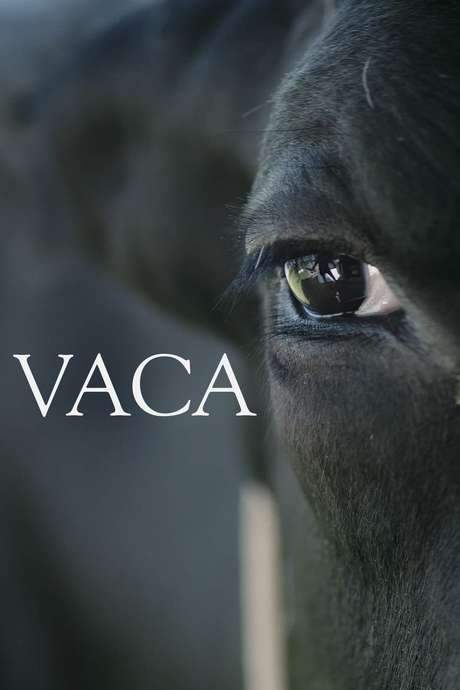


Vaca Plot Summary
Read the complete plot summary and ending explained for Vaca (2018). From turning points to emotional moments, uncover what really happened and why it matters.
1875, Biscay during the Third Carlist War — In the heat of a grueling frontline, army sergeant Carmelo Mendiluze learns from a young errand boy, Ilegorri, that his neighbor Manuel Iriguíbel has joined the exhausted battalion. A cautious bond forms as Carmelo befriends the inexperienced Manuel, whose reputation as an expert aizcolari (log cutter) cannot mask the tremor of fear that grips him under fire. When Manuel panics and the battle ends, he crawls away from a trove of the dead, naked and smeared with the blood of a mortally wounded neighbor, Mendiluze. The escape goes unseen by all but a solitary cow, a quiet witness to a man’s crushing shame. The war leaves a mark on villages, families, and memory, setting in motion a feud that will echo for decades.
1905, rural Guipúzcoa — a clash of families and buried secrets — Thirty years later, the Mendiluze and Iriguíbel kin are still bound by old resentments. Manuel, now an elderly figure, is tainted in local eyes as a coward, spending his days painting the family cows under the watchful gaze of his three granddaughters, the offspring of Ignacio Iriguíbel and Madalen. Ignacio and Carmelo’s son, Juan Mendiluze, keep the traditional crafts alive, turning to aizcolari skills as a lifeline for the two families’ legacies. Amid the friction, a new spark flickers: Catalina, Juan’s sister, quietly harbors a deep attraction for Ignacio, a passion that Ignacio reluctantly reciprocates as they practice log-cutting in the woods. Paulina, the Mendiluze widow, warns that Ignacio’s affection could doom the Mendiluze clan. In a bid to tilt the fragile balance between rival clans, the grown Ilegorri engineers a public competition between Ignacio and Juan. Ignacio’s victory launches him on a rising arc as a celebrated aizcolari, while Catalina and Ignacio begin a secret, increasingly dangerous affair that braids together love, pride, and danger.
1915, spring — fame, fault lines, and a concealed family tree — A decade later, Ignacio returns from national contests a celebrated figure, yet the triumph has cooled his warmth at home: Madalen’s memory lingers as Ignacio’s neglect of his wife strains the household. Catalina reenters his life, and together they have a ten-year-old son, Peru, whose existence tightens the knot of loyalties and loyalties betrayed. After Madalen’s death, the frayed bond between Juan and Catalina grows even more brittle, with Juan’s troubling, lingering incestuous fixation on his sister threatening to unravel everything. To escape an impossible gravity, Catalina and Ignacio plot to take Peru and the pair’s shared history to a new land in America. A fragile friendship forms among the children—Peru, Catalina’s son with Ignacio, and Cristina, his half-sister—under the wary supervision of their fragile grandfather, Manuel, as they wander the mountain forests. The adults’ past choices collide with the ethical shadows of their actions, and the family’s secret history pushes them toward perilous futures. In the end, Peru and Cristina’s bond is tested when their parents attempt to flee together, leaving behind a path that will redefine bloodlines and loyalties.
1936, summer, Civil War shadows — a village, a frontier, and a reckoning — The landscape grows even more dangerous as Peru, now a photojournalist returning to the Basque lands, finds the Mendiluze farmhouse empty and the political ground shifting under the Nationalists’ ascent. Juan, wearing the Carlist red with a stubborn pride, stands with the Nationalist side, while Peru returns to the Iriguíbel farmhouse seeking shelter and truth. Cristina resumes a fragile bond with Lucas, Iligorri’s son, as the men of the region seek refuge in the forest as war roars through the valley. Lucas dies in the turmoil, and Peru is captured among the survivors. The fate of the men is sealed with executions, yet Peru is spared when Juan recognizes him as his nephew—a moment that bridges generations and loyalties in a single breath. Reunited with Cristina, Peru and Cristina press onward toward the frontier, chasing a future beyond the mountains that once held them in their childhood games and dangerous secrets.
This sweeping saga, spanning generations and wars, threads together memory, family feuds, forbidden love, and the enduring craft of the Basque people. It follows how a single act of fear or courage can ripple through decades, shaping identities and destinies long after the battles fade. The film renders a landscape where tradition, ambition, and longing collide, inviting viewers to witness how past choices haunt present lives and may yet steer the course toward a precarious, hopeful horizon.
Vaca Timeline
Follow the complete movie timeline of Vaca (2018) with every major event in chronological order. Great for understanding complex plots and story progression.
Battle in the Biscay trenches and Manuel's cowardice reveal
In 1875, Carmelo Mendiluze's unit fights in the Biscay trenches when his neighbor Manuel Iriguíbel joins the exhausted battalion. Manuel panics under fire and, blood from a mortally wounded comrade stains his neck as he trembles on the ground. He escapes the battle in a moment of terror, slipping away from the front carried in a cart of corpses while a lone cow watches.
Manuel's escape from the front and the cowardice stain lingers
After the battle, Manuel crawls free from the cart carrying the dead, naked and unseen by most. The ruthless rumor of cowardice sticks to him, shaping future tensions between the Mendiluze and Iriguíbel families. The future war becomes a distant backdrop to his stigma.
1905 Rivalry intensified as Ilegorri sets a gauntlet
In 1905, thirty years later, Mendiluze and Iriguíbel families remain bitter rivals in rural Guipúzcoa. Ilegorri engineers a wager between Ignacio Iriguíbel and Juan Mendiluze to prove who is the greater aizcolari. The bet rekindles old resentments and moves the two men into direct competition.
Ignacio's victory and Catalina's growing attraction
Ignacio wins the log-cutting competition, launching his career as a premier aizcolari. Catalina notices his rising prominence and a wary, mutual attraction begins to complicate the family feud. The episode deepens the rift between the two families.
Paulina's warning about the consequences
Paulina Mendiluze warns her daughter that Ignacio's attraction to Catalina could ruin the Mendiluze family. The elder matriarch fears the widening rift will spill over into blood and tragedy. The warning sets the tone for later events.
Ignacio returns home as a celebrated aizcolari
Spring 1915 brings Ignacio back from national contests a respected and famous figure. He neglects his wife Madalen as he rekindles with Catalina, and together they have a ten-year-old son. The family dynamic shifts as the old feud looms over them.
Tensions deepen after a maternal figure's death
After the death of a key maternal figure, Juan's bitterness toward Catalina grows, and the fragile truce between the households begins to crack. Ignacio's affair continues to cast a shadow over their relations. The uneasy balance keeps the families on edge.
Peru and Cristina's close childhood friendship; parents move Peru to America
Around 1925, Peru (Ignacio and Catalina's ten-year-old son) and Cristina form a close friendship while Manuel oversees their exploration in the mountain woods. Their bond flourishes as the boys run free, sheltered by the elder grandfather. Eventually their parents elope to America and take Peru with them.
Civil War erupts; Peru returns as photojournalist; Juan joins the Nationalists
In the summer of 1936, Peru returns to Guipúzcoa as a photojournalist reporting on the Spanish Civil War. Juan Mendiluze dons a Carlist red beret and officially joins the Nationalists, aligning with the conflict that tears the region apart. The once-familiar farm becomes a sheltering ground for the protagonists.
Cristina, Lucas, and Peru's precarious circle during the war
Cristina reappears along with Lucas, Iligorri's son, and they navigate the dangerous landscape as the war intensifies. Lucas is killed protecting the group, while Peru is captured by Nationalist forces. The fate of the survivors hangs in the balance as violence sweeps the valley.
Juan intervenes to spare Peru; exile to France begins
Juan intervenes to spare Peru from execution, recognizing him as his nephew. Peru and Cristina are forced to flee toward the French frontier, leaving behind a village haunted by war. Their escape marks a new, uncertain chapter for the intertwined families.
Escape to the frontier; fates entwined
Peru and Cristina escape into exile along the border with France, while the Civil War rages around them. The two half-siblings drift toward an uncertain future as the family feud lingers in memory. The film closes on the pair crossing into exile, their bond unbroken by time.
Vaca Characters
Explore all characters from Vaca (2018). Get detailed profiles with their roles, arcs, and key relationships explained.
Carmelo Mendiluze
An army sergeant whose wary, duty-bound nature puts him at the center of a tentative friendship with Manuel. The war marks him with experience and a stubborn pride that influences how he reads fear in others.
Manuel Iriguíbel
Cautious and seasoned, Manuel bears the stigma of the battlefield shame tied to the young Manuel’s earlier actions. He becomes a patient, watchful elder whose memories shape generations.
Ilegorri
A young errand boy who opens with a simple truth about fear and later engineers a public contest that tests the rival families’ pride. His practical cunning keeps the plot’s engines turning.
Ignacio Iriguíbel
Aizcolari prodigy whose success hides his neglect of Madalen and complicates his feelings for Catalina. His rivals with Juan drive the family’s rising arc, even as love deepens secret bonds.
Madalen
Ignacio’s wife, her memory lingers as neglect tests the marriage. Her presence marks the emotional center of Ignacio’s success and its costs.
Juan Mendiluze
Ignacio’s rival and Carmelo’s son, who keeps traditional crafts alive and uses aizcolari skills as a lifeline for the family’s legacy.
Catalina
Juan’s sister who rekindles a dangerous affair with Ignacio, leading to the ten-year-old Peru and a chain of loyalties that threaten to fray the families.
Peru
The ten-year-old son born of Ignacio and Catalina; grows up amid the haunting legacy of the families and becomes a bridge between generations.
Cristina
Peru’s half-sister who forms complex bonds with Lucas and ultimately navigates the tangled family map of secrets and loyalties.
Lucas
Iligorri’s son whose bond with Cristina offers tenderness amid the war’s brutality; his death in the turmoil marks a pivotal turning point.
Paulina
The Mendiluze widow who warns that Ignacio’s affection could doom the Mendiluze clan, a voice of caution against reckless loyalties.
Vaca Settings
Learn where and when Vaca (2018) takes place. Explore the film’s settings, era, and how they shape the narrative.
Time period
1875, 1905, 1915, 1936
The narrative spans four historical moments: the Third Carlist War frontlines in 1875, rural conflicts in 1905, the interwar decade around 1915, and the Civil War shadows of 1936. Each period highlights shifting loyalties, social codes, and the costs of courage or fear within Basque communities. Together they map how history threads through family, tradition, and land.
Location
Biscay, Guipúzcoa
The story unfolds across the Basque countryside, with mountains, forests, and small frontier villages as the backdrop. The rugged terrain of Biscay and Guipúzcoa frames generations of families whose feuds and loyalties shape their destinies. The landscape acts as a silent witness to memory, pride, and the enduring craft of the Basque people.
Vaca Themes
Discover the main themes in Vaca (2018). Analyze the deeper meanings, emotional layers, and social commentary behind the film.
⚔️
War & Memory
War leaves scars that echo across generations. The 1875 frontline event, and Manuel’s ensuing shame, indelibly shape the families’ choices. Memory is a quiet, stubborn force—able to sour friendships, fuel feuds, and redefine honor long after the guns fall silent. The landscape itself bears witness to these memories, turning everyday life into a negotiation with the past.
🏚️
Family Feud
Two rival lineages—Mendiluze and Iriguíbel—carry a long-standing grudge that governs marriage, work, and reputation. Feuds are reinforced through public challenges and secret loyalties, pulling younger generations into the conflict. Pride and pain intertwine as competitive ambitions threaten family stability and future happiness. The feud becomes a lineage’s fate as it travels through time.
💘
Forbidden Love
Love crosses borders of clan and era, bringing Catalina and Ignacio together despite deep-seated rivalries. Their affair and the child Peru complicate loyalties, echoing the moral tensions that govern Basque society. The romance is both a source of hope and a perilous trap, threatening to unravel centuries of tradition. It shows how desire can challenge duty and redefine family bonds.
🪵
Craft & Identity
Aizcolari wood-cutting is more than a craft; it’s a marker of Basque identity and pride. The skills link generations and provide a lifeline amid conflict, poverty, and change. Craft becomes a language through which families articulate honor, resilience, and continuity. The pursuit of wood-cutting shapes choices and fuels both competition and collaboration.
🌍
Migration & Frontier
The prospect of leaving for America threads through the later generations, offering a path to escape and possibility. Catalina and Ignacio’s plan to take Peru to a new land reframes loyalty as a choice between staying for family or seeking a new horizon. Migration becomes a test of faith, sacrifice, and the willingness to redefine bloodlines in a foreign soil.

Coming soon on iOS and Android
The Plot Explained Mobile App
From blockbusters to hidden gems — dive into movie stories anytime, anywhere. Save your favorites, discover plots faster, and never miss a twist again.
Sign up to be the first to know when we launch. Your email stays private — always.
Explore the mobile appVaca Spoiler-Free Summary
Discover the spoiler-free summary of Vaca (2018). Get a concise overview without any spoilers.
In the dim, relentless world of a rural slaughterhouse, the rhythm of daily work becomes a quiet prison for a woman whose life has settled into an unvarying routine. The film opens with the hum of machinery and the steady cadence of labor, painting a landscape where time seems to stretch endlessly and every day mirrors the last. Amid the muted colors and the steady thrum of industry, a subtle yearning flickers beneath the surface—a desire for something beyond the confines of the walls that have come to define her existence.
When an unexpected opportunity appears, it offers a fragile glimpse of escape, hinting at a path that might lead her away from the monotony that has dulled her senses. The tone balances the stark realism of the setting with a delicate, almost poetic hope, allowing the audience to feel both the weight of her current life and the fragile light of possibility. The film’s visual language leans into intimate close‑ups and lingering shots, emphasizing the texture of everyday objects while allowing the audience to sense the unspoken tension between resignation and the impulse to break free.
The performances of Marta Bayarri and Pepo Blasco anchor the story, their chemistry grounding the film’s exploration of longing and quiet rebellion. Bayarri, also the writer and director, imbues the protagonist with a nuanced blend of vulnerability and silent resolve, while Blasco provides a counterpoint that suggests how connections can both bind and inspire. Together, they create a subtle, resonant portrait of ordinary lives poised on the brink of change, inviting viewers to contemplate the universal impulse to step beyond the familiar and seek a different path.
Featured on this page

What's After the Movie?
Not sure whether to stay after the credits? Find out!
Check out our other apps:

SAT Sphere
Build confidence for the Digital SAT.

Mori Atlas
Discover wild places worth protecting.

Luntero
Search smarter for a home in Amsterdam.

Plot Explained
Unravel movie endings and hidden clues.

Pokechamp
Dive into Pokémon data and battle logic.

Driving Theory
Get ready for your European theory test.

Movie Dust
Plan your next cinema trip with ease.

Musemap
Find art and culture as you travel.

Selkobase
Compare credentials before committing.

Local Manual
Turn an unfamiliar country into practical next steps.

Lernavi
Compare school systems before your next move.

GymRoam
Find a workout stop wherever your plans take you.
Explore Our Movie Platform
New Movie Releases (2026)
Famous Movie Actors
Top Film Production Studios
Movie Plot Summaries & Endings
Major Movie Awards & Winners
Best Concert Films & Music Documentaries
Movie Collections and Curated Lists
© 2026 What's After the Movie. All rights reserved.
Privacy Policy