

What Is Ukraine on Fire About?
The premise of Ukraine on Fire in 297 words, with nothing given away. The full story follows below.
Ukraine on Fire unfolds as a sweeping, sharply argumentative documentary about the forces surrounding the 2014 Maidan Revolution. Filmmaker Oliver Stone frames Ukraine as a geopolitical fault line, advancing the central claim that American interests—and the broader influence of NATO—shaped the protests and their political consequences. The film also portrays far-right nationalism as an important presence within the demonstrations, giving the story a tense, confrontational perspective on a contested chapter of modern history.
The documentary’s world stretches across centuries, using Ukrainian history to illuminate the present. Its historical sweep touches the legacy of Cossack statehood, imperial conflict, Soviet rule, the painful communal memories of the twentieth century, and the economic and political turbulence of the post-Soviet 1990s. Archival imagery, historical commentary, and discussion of organizations such as Svoboda, Tryzub, and the Right Sector create an atmosphere of turbulent continuity, suggesting that Ukraine’s present cannot be separated from its deeper past.
At the center of this inquiry are two revealing interview subjects: Vladimir Putin and Victor Yanukovych. Their conversations provide the film with an intimate view of the disagreements over Ukraine’s direction, particularly the proposed trade relationship with the European Union. Stone places their perspectives alongside the voices of street-level protest, political organizing, and international intervention, creating a documentary dynamic in which official power and public passion continually collide.
The tone is urgent and skeptical, less interested in presenting a single unquestioned account than in challenging conventional narratives about revolution, foreign influence, and political legitimacy. Ukraine on Fire approaches the Maidan protests as a complex struggle shaped by history, ideology, media narratives, and geopolitical ambition. Its suspense comes not from a conventional mystery or a clear hero and villain, but from the accumulating pressure of competing explanations—and the unsettling question of who truly controls the story being told.
What Happens in Ukraine on Fire?
The complete story of Ukraine on Fire, from the first scene to the last, in 362 words (about 2 minutes). Spoilers throughout. Names in the text link to 3 cast member pages.
Spoilers ahead
The film presents a central thesis arguing that the United States has long utilized Ukraine as a proxy to undermine Russia. It further claims that neo-Nazi elements played a significant and influential role among the protestors during the 2014 Revolution of Dignity.
The narrative begins with a deep dive into historical contexts, covering the Cossack Hetmanate, World War I, and the Treaty of Brest-Litovsk. It explores the USSR’s annexation of Western Ukraine, the Great Patriotic War, and darker chapters such as the massacre of Jews at Babyn Yar, the Volyn massacre of Poles, and the guerilla warfare conducted by the Ukrainian Insurgent Army against Soviet forces until the mid-1950s. According to the film, the CIA maintained ties with Ukrainian nationalist leaders during the Cold War to establish counterintelligence channels against the USSR.
Moving into the “crazy 1990s,” the film asserts that the introduction of a free-market economy following the Soviet collapse created a small, wealthy class of oligarchs while the general population remained in poverty. Significant attention is given to far-right political organizations, specifically Svoboda, Tryzub, and Right Sector.
The documentary examines the Orange Revolution and the Maidan protests, detailing negotiations over a trade agreement with the European Union and the influence of NGOs and US politicians. It suggests that while the Maidan protests began peacefully, they escalated when radical elements from the Right Sector were introduced to provide “muscle” for the demonstrations.
A primary focus of the movie is the series of interviews conducted by Oliver Stone with Vladimir Putin and Victor Yanukovich. In these discussions, they explain their perspectives on the 2013 trade agreement and the subsequent pausing of negotiations. The film argues that the eventual removal of Victor Yanukovich by the Verkhovna Rada was an unconstitutional impeachment.
The final segments cover the Russian invasion and annexation of Crimea, the conflict in eastern Ukraine, and the downing of flight MH17. The film concludes by criticizing the eastward expansion of NATO and the use of sanctions against Russia, while questioning the legitimacy of the government in Kyiv. The story ends with a warning via the Doomsday Clock, highlighting the extreme global risks in 2015 due to the modernization of nuclear weaponry.
Ukraine on Fire Timeline: Every Key Event in Order
15 key events in the order they happen, from “Cossack Hetmanate and the Road Through World War I” to “NATO Expansion, Sanctions and the Doomsday Clock”. 12 events name a place, across 6 locations.
- 1
Cossack Hetmanate and the Road Through World War I
The film opens with a survey of Ukraine's historical foundations, beginning with the Cossack Hetmanate. It then moves through World War I and the Treaty of Brest-Litovsk, which reshaped the fate of the region. These early chapters frame Ukraine as a territory long caught between larger powers.
Where:Ukraine
- 2
USSR Annexes Western Ukraine and the Great Patriotic War Begins
The film recounts the annexation of Western Ukraine by the USSR, followed by the outbreak of the Great Patriotic War. This period brought brutal occupation and devastation to Ukrainian lands. It is presented as a formative era for the nationalist currents examined later in the film.
When:1939–1941 Where:Western Ukraine
- 3
Wartime Collaboration and the Massacres of WWII
Ukrainian collaborationism during World War II is documented, alongside the massacre of Jews at Babyn Yar and the Volyn massacre of Poles. The film also covers the guerrilla war waged by the Ukrainian Insurgent Army against the Soviets. This armed resistance continued into the mid-1950s.
When:1941–mid-1950s Where:Babyn Yar and Volhynia, Ukraine
- 4
CIA Contacts with Ukrainian Nationalists
During the Cold War, the CIA maintained contact with Ukrainian nationalists as possible channels for counterintelligence toward the USSR. The film names leaders including Mykola Lebed, Stepan Bandera, Dmytro Dontsov, Andriy Melnyk and Roman Shukhevych. This connection is presented as early groundwork for American involvement in Ukrainian affairs.
When:Cold War era
- 5
The 'Crazy 1990s' and the Rise of the Oligarchs
After the collapse of the Soviet Union, Ukraine introduced a free market economy during what the film calls the 'crazy 1990s'. This transition gave rise to a small class of oligarchs who acquired vast wealth and power. Meanwhile, the majority of the population was left in poverty.
When:1990s Where:Ukraine
- 6
Far-Right Politics Take Center Stage
A substantial part of the film is dedicated to far-right politics in Ukraine, focusing on organizations such as Svoboda, Tryzub and Right Sector. These groups are presented as influential actors within Ukrainian political life. The film uses them to support its claim that a large and influential section of the 2014 protest movement was neo-Nazi in character.
Where:Ukraine
- 7
The Orange Revolution
The film covers the Orange Revolution, in which Ukrainians took to the streets to reject a fraudulent presidential election. The mass protests ultimately succeeded in overturning the disputed results. It is portrayed as an earlier wave of popular mobilization that foreshadowed the later Maidan uprising.
When:2004 Where:Kyiv, Ukraine
- 8
Negotiations Over the EU Trade Agreement
The film portrays the negotiations over a trade agreement with the European Union and the tensions surrounding it. The role of NGOs and the appearance of US politicians such as Chris Murphy and John McCain are highlighted. This is framed as part of Western efforts to pull Ukraine away from Russia's sphere.
When:2013 Where:Kyiv, Ukraine
- 9
Maidan Protests Turn Radical
The Maidan protests began as peaceful demonstrations, but the film shows how they escalated with the involvement of radical elements. Right Sector activists were purportedly brought to the Maidan to 'muscle' the peaceful demonstrations. The movement is thus depicted as being steered by forces beyond ordinary protesters.
When:2013–2014 Where:Kyiv, Ukraine
- 10
Oliver Stone Interviews Yanukovych and Putin
The film presents Oliver Stone's interviews with Viktor Yanukovych and Vladimir Putin. Both leaders expound their view of the situation in 2013 regarding the trade agreement and why negotiations were paused. Their accounts offer the perspective of the leaders at the center of the unfolding crisis.
Show the other 5 events of Ukraine on Fire Hide the last 5 events
- 11
Yanukovych Removed from Office
The film covers selected events leading to Viktor Yanukovych's removal from office by the Verkhovna Rada, Ukraine's parliament. It claims that the impeachment mounted against him was unconstitutional. The film also questions the legitimacy of the post-Yanukovych government that subsequently took power in Kyiv.
When:February 2014 Where:Kyiv, Ukraine
- 12
Russia Invades and Annexes Crimea
In the months following Yanukovych's removal, Russia invaded and annexed Crimea. The film presents this as one of the immediate consequences of the political upheaval in Kyiv. The annexation marked a dramatic escalation in the confrontation between Russia and the West over Ukraine.
When:February–March 2014 Where:Crimea
- 13
War Erupts in Eastern Ukraine
The film covers the outbreak of war in eastern Ukraine, where conflict erupted following the change of government in Kyiv. The war is shown as another flashpoint in the broader struggle over the country's future. It becomes one of the central and bloodiest consequences of the crisis.
When:2014 Where:Eastern Ukraine
- 14
Downing of Airliner MH17
The film addresses the downing of the airliner MH17 by a Russian missile over eastern Ukraine. The disaster claimed all passengers and crew aboard and drew international condemnation. It is used to underline the deadly stakes of the ongoing conflict in the region.
When:July 2014 Where:Eastern Ukraine
- 15
NATO Expansion, Sanctions and the Doomsday Clock
The film criticizes NATO's eastward expansion and the imposition of sanctions against Russia, while questioning the legitimacy of the government in Kyiv. It reinforces its central thesis that the U.S. used Ukraine as a proxy against Russia for many years. It concludes with the Doomsday Clock, which in 2015 indicated a high level of global risk due to the modernization of nuclear arsenals.
When:2015
Who Are the Main Characters in Ukraine on Fire?
3 characters, among them Oliver Stone, Vladimir Putin and Victor Yanukovich: who each one is and the part they play in the story. Every profile links to the actor’s page.
-
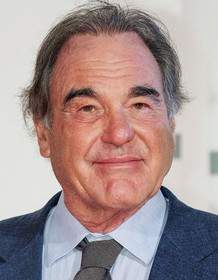
Oliver Stone
Played by Oliver Stone
As the director and narrator of the film, Oliver Stone critically examines the historical and political dimensions of Ukraine's narrative. His interviews with key figures provide a platform for diverse viewpoints, blending personal insights with broader societal implications. Stone's work encourages viewers to question accepted narratives surrounding the conflict.
- 🎥 Director
- 🗣️ Narrator
-
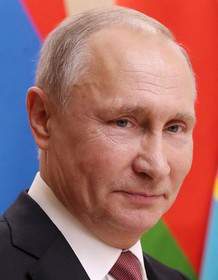
Vladimir Putin
Played by Vladimir Putin
In the film, Vladimir Putin represents the opposing viewpoint of the conflict, providing insights into Russia's stance and the motivations behind its actions in Ukraine. His presence in the documentary serves to illustrate the complexities of international relations and the intertwined histories of these two nations. Putin's perspectives challenge viewers to consider the broader geopolitical implications.
- 🇷🇺 Politician
- 📜 Historical Figure
- VY
Victor Yanukovich
Played by Victor Yanukovich
Victor Yanukovich, the former president, plays a critical role in the film as it examines his controversial ousting from power. His political decisions during the 2014 protests are scrutinized, providing a glimpse into the tumultuous political landscape of post-Soviet Ukraine. Yanukovich's narrative adds depth to the discussion of legitimacy and constitutional crises.
- 🇺🇦 Politician
- ⚖️ Controversial Figure
Where and When Is Ukraine on Fire Set?
Ukraine on Fire is set in Ukraine and Crimea (2014, 1990s, 2015). Here is why the time and place matter to the story.
When
2014, 1990s, 2015
The film primarily explores events surrounding the 2014 Revolution of Dignity, a pivotal moment in Ukraine's history that highlighted its struggle for independence and reform. Additionally, it reminisces about the crazy 1990s, a period marked by significant political and economic upheaval following the collapse of the Soviet Union. By 2015, the film reflects on the resulting geopolitical stress and the rise of international tensions.
Where
Ukraine, Crimea
Ukraine serves as the central backdrop for the film, illustrating its turbulent history and relationship with Russia. It is known for its rich culture and heritage, but also for significant historical events, including the Orange Revolution and subsequent conflicts. The annexation of Crimea further complicates Ukraine's political landscape and its struggle for sovereignty.
- 🌍 Location
- 📍 Historical
What Are the Themes of Ukraine on Fire?
3 ideas the story keeps returning to, among them Conflict, Crisis and Historical Perspectives.
-
01
Conflict
The theme of conflict permeates throughout the film, showcasing the struggle between various political factions and ideologies within Ukraine. It explores the ramifications of foreign intervention and the internal discord that has historically plagued the nation. The ongoing tensions highlight the real dangers of geopolitical maneuvering.
-
02
Crisis
Crisis is a prevalent theme, particularly regarding the political instability and social upheaval during the Maidan protests. The film emphasizes the escalation from peaceful protests to violent confrontations, illustrating how quickly situations can devolve. This thematic element underscores the precariousness of democracy in volatile regions.
-
03
Historical Perspectives
Historical perspectives are a cornerstone of the documentary, tracing Ukraine's tumultuous past to understand its current challenges. Through interviews and narratives, the film connects past events like the Great Patriotic War and the Cold War to present-day dilemmas. This theme enriches the viewer's comprehension of Ukraine's ongoing battle for identity and autonomy.
What Kind of Film Is Ukraine on Fire?
Dark in tone, with variable pacing and a very complex story, going by the plot summary.
- Tone
- Dark
- Pacing
- Variable
- Story
- Very complex
- Intensity
- High
- Ending
- Bleak
A grave, confrontational documentary moves from sweeping Ukrainian history to war and nuclear brinkmanship, sustaining an ominous, argumentative mood through disturbing imagery and charged testimony.
- ominous
- somber
- confrontational
- polemical
- tense
- grim
- geopolitics
- NATO expansion
- Russian influence in Ukraine
- Maidan protests
Content notes: war and invasion, massacres and ethnic violence, political extremism, political unrest, downed aircraft, nuclear war threat.
Quiz
How well do you remember Ukraine on Fire? Test yourself on the story.
