
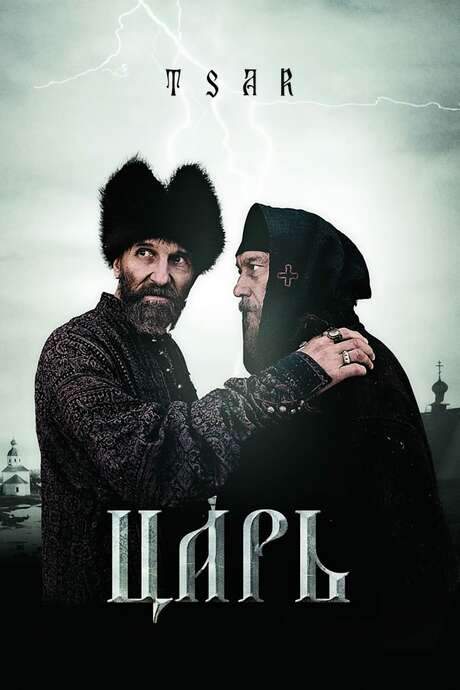
What Is Tsar About?
The premise of Tsar in 339 words, with nothing given away. The full story follows below.
Tsar unfolds in the shadowy, turbulent world of 16th‑century Russia, where the weight of faith and the hunger for power entwine like smoke from a burning cathedral. At the center stands Ivan IV, a ruler consumed by the belief that he has been chosen by God to carry out a sacred mission before the world comes to an end. His reign is marked by the swift, unyielding consolidation of absolute authority, and the air around him hums with the dread of those who sense that opposition will not be tolerated. The atmosphere is heavy with ritual, paranoia, and the cold grandeur of a court that views cruelty as a form of divine order.
Into this fevered landscape steps Philip, the abbot of the distant Solovetsky Monastery and a long‑time companion of the Tsar. Called to Moscow, Philip is a man shaped by silence, prayer, and a moral clarity that sits uneasily alongside the court’s spectacle of power. Where Ivan sees himself as an instrument of cosmic destiny, Philip embodies an older, quieter conviction — that mercy and conscience must temper any crown. Their reunion becomes a collision of worldviews, each man convinced of his own righteousness, each unwilling to yield the ground of his belief.
What emerges is less a rivalry than a deepening philosophical duel, rendered on a sweeping, operatic scale. The film paints its era in broad, painterly strokes — gilded icons, vast stone chambers, and the ever‑present tension between sacred authority and human conscience. Beneath the surface grandeur lingers the allegory of a later, equally brutal chapter of Russian history, suggesting that the seduction of unchecked power transcends any single century.
The performances of Oleg Mamonov and Oleg Yankovsky anchor this confrontation, lending the conflict a gravity that is at once intimate and monumental. Tsar offers not the spectacle of battle alone, but the quieter, more enduring warfare of ideas — a contest between a ruler who believes he embodies the will of heaven and a holy man who refuses to let that belief go unchallenged.
What Happens in Tsar?
The complete story of Tsar, from the first scene to the last, in 735 words (about 3 minutes). Spoilers throughout.
Spoilers ahead
The film unfolds during the turbulent period between 1566 and 1569, marked by the Oprichnina and the Livonian War. The story begins with the death of the Russian Orthodox Metropolitan Afanasii, prompting Tsar Ivan IV to call upon his childhood acquaintance, Hegumen Philip Kolychev of Solovetsky Monastery, to take up the mantle of Metropolitan of Moscow. The narrative is structured into four distinct parts, each shedding light on the fraught dynamics between power, faith, and moral courage.
As the Tsar fervently prays in his cell, seeking divine assistance for his reign, Hegumen Philip makes his way to Moscow. On his journey, he unexpectedly rescues a young girl named Masha, who is escaping from a band of guardsmen. Upon his arrival, the Tsar warmly welcomes Philip and urges him to accept the position of Metropolitan. However, Philip hesitates, initially declining the offer. During this time, he encounters his nephew, who is preparing for battle and implores Philip to distance himself from the Tsar, as the fate of those around the ruler often ends in tragedy.
Reluctantly swayed by the Tsar’s insistence, Philip eventually agrees to take on the role, and the Tsar presents Masha with a sacred icon of the Mother of God. The influence of this icon becomes significant when it plays a pivotal role in a bloody confrontation during a battle at Polotsk, where Philip’s nephew bravely fights against Polish and Lithuanian forces. Amid the chaos, Masha brings the icon to the battlefield, which leads to a catastrophic event for the opposing cavalry. Despite the Tsar’s ambitions, news soon arrives that the governor of Polotsk has surrendered, igniting the Tsar’s wrath and his desire for retribution.
Confronting the Tsar’s violent tendencies, Metropolitan Philip boldly advocates for mercy towards the captured soldiers, but his plea only stirs the Tsar’s anger further. In a fit of rage, the Tsar arrests the governor, leading to a trial that is steeped in injustice, where torture yields false confessions. Philip, witnessing this grave misconduct, cannot bring himself to endorse the death sentences, which incites the Tsar’s fury even more. The tragic climax unfolds as the Tsar forces the condemned men to fight for their lives against a bear, resulting in horrifying casualties, including the death of Philip’s nephew.
In a moment of despair, Masha rushes into the arena with the icon, desperate to halt the violence, but her brave act ultimately leads to her demise. Overwhelmed by the brutality and realizing the futility of trying to sway the Tsar towards compassion, Philip resolves to stand against the violence. During a solemn church service, Philip withholds his blessing from the Tsar, provoking the Tsar’s ire and leading to his expulsion from the court, where he is condemned to live out his days in a monastery as a common prisoner, stripped of his dignity.
The plot thickens as the brutal Heinrich von Staden constructs a “torture camp” where public spectacles of suffering are held. The Tsar’s jester, Vassian, despite the danger, dares to draw parallels between the Tsar’s wife, Maria Temryukovna, and the figure of the Whore of Babylon from scripture. This audacious comment costs him his life as he is burned at the stake. Meanwhile, in captivity, Philip experiences a miraculous loosening of his chains and is endowed with the powers of healing and foresight. He uses this gift to warn Archbishop Pimen of impending blame for his eventual fate, urging those around him to flee in order to survive, though many, including the abbot and most of the monks, choose to remain loyal to him.
As the Tsar makes an ominous appearance at the monastery, Philip again condemns his violent actions and refuses to offer the blessing he seeks. In a tragic turn, he is ultimately strangled by Malyuta Skuratov on the Tsar’s command. Even after death, Philip’s legacy endures, as the monks clandestinely bury him within a wooden church and secure it, thwarting the Tsar’s orders to surrender his remains. However, the Tsar’s wrath persists, resulting in the burning of the church with the monks trapped inside.
In the film’s haunting conclusion, the Tsar, consumed by a relentless thirst for revenge, awaits the start of his torturous entertainments. Yet, to his dismay, not a single person appears, leaving him to ponder, “Where are my people?” He questions the void that surrounds him, even as he prays for divine intervention, reaffirming his isolation in a world steeped in cruelty.
Tsar Timeline: Every Key Event in Order
15 key events in the order they happen, from “Death of Metropolitan Afanasii” to “Legacy of Philip”. 13 events name a place, across 6 locations.
- 1
Death of Metropolitan Afanasii
The film begins with the death of the Russian Orthodox Metropolitan Afanasii, marking a significant turning point in the religious and political landscape of Moscow. This event sets into motion the need for a new Metropolitan, which brings Tsar Ivan IV and Hegumen Philip Kolychev together.
When:1566 Where:Moscow
- 2
Hegumen Philip Summoned
In light of the Metropolitan's death, Tsar Ivan IV summons his childhood friend Hegumen Philip from Solovetsky Monastery. Philip is initially hesitant to accept any position of power within the Tsar's regime, foreshadowing the ethical dilemmas he will face.
When:1566 Where:Solovetsky Monastery
- 3
Rescue of Masha
On his journey to Moscow, Hegumen Philip encounters a young girl named Masha, who is fleeing from Tsar's guards. He intervenes to rescue her, highlighting his compassionate nature amid the chaos of the Oprichnina.
- 4
Invitation to Become Metropolitan
Upon his arrival in Moscow, Tsar Ivan IV invites Hegumen Philip to become the new Metropolitan of Moscow. After much contemplation and seeing the Tsar's suffering, Philip reluctantly agrees to take on the role, hoping to guide Ivan towards mercy.
Where:Moscow
- 5
Nephew's Departure for War
Philip meets his nephew, who is preparing to leave for a brutal war against the Poles and Lithuanians. The nephew warns Philip of the risks associated with the Tsar's court, urging him to escape, which foreshadows the impending tragedies.
- 6
The Battle at Polotsk
Philip's nephew participates in a fierce battle at Polotsk against the Lithuanian forces. Masha, carrying an icon, helps the Russian troops by causing a bridge to collapse under the enemy cavalry, showcasing the intertwining of faith with warfare.
Where:Polotsk
- 7
Surrender of Polotsk's Governor
The governor of Polotsk returns to Moscow, accompanied by bad news of the city’s surrender to the combined forces of Poland and Lithuania. This significant loss enrages Tsar Ivan, leading to an immediate and brutal response against the governor's men.
Where:Moscow
- 8
Execution Orders Issued
In a fit of rage, the Tsar orders the execution of the governor's men, leading Metropolitan Philip to defend them. This confrontation with the Tsar begins Philip's struggle against the violent actions of his childhood friend, setting a moral conflict in motion.
Where:Moscow
- 9
Refusal to Sign Death Warrants
As the court convicts the governor's men of treason under duress and torture, Metropolitan Philip refuses to sign their death warrants. His moral opposition to the Tsar's brutality leads to further tensions as the Tsar prepares horrific executions.
Where:Moscow
- 10
Masha's Tragic Fate
During the horrific execution where the convicts face a bear, Masha rushes into the arena with the icon, trying to halt the violence. Tragically, she is killed, deepening Philip's horror at the Tsar’s cruelty and marking a pivotal moment in his resistance.
Where:Moscow Arena
Show the other 5 events of Tsar Hide the last 5 events
- 11
Philip's Final Stand
Realizing the futility of his pleas for mercy, Metropolitan Philip enters the arena, picking up the icon and lamenting the brutality around him. His resistance culminates as he publicly refuses to bless the Tsar, which directly leads to his punishment.
Where:Moscow Arena
- 12
Exile to Monastery
Following his defiance, Tsar Ivan decides to exile Philip to a monastery instead of executing him. Despite being stripped of his rank, the Tsar’s decision reveals his conflicted feelings towards his once-beloved friend.
Where:Monastery
- 13
Philip's Conviction in Monastery
In the monastery, Philip experiences a supernatural loosening of his chains, gaining gifts of healing and foresight. He attempts to warn Archbishop Pimen of impending danger, revealing his commitment to truth amidst oppressive circumstances.
Where:Monastery
- 14
Execution of Philip
Despite the Tsar's orders to safeguard Philip, he is ultimately strangled by Malyuta Skuratov, signifying the tragic end of his struggle against tyranny. This brutal act highlights the consequences of Philip’s opposition to the Tsar.
Where:Monastery
- 15
Legacy of Philip
In a defiant act, the monks bury Philip's body secretly, despite the Tsar's orders to display it. The film concludes with the Tsar's despair as he confronts his isolation and the absence of loyal subjects, questioning 'Where are my people?' which foreshadows his impending downfall.
Where:Wooden Church
Who Are the Main Characters in Tsar?
4 characters, among them Tsar Ivan IV, Hegumen Philip Kolychev and Masha: who each one is and the part they play in the story. 3 of them link to the actor’s page.
- TI
Tsar Ivan IV
Ivan IV, known as Ivan the Terrible, is portrayed as a complex figure battling between his desires for power and moments of introspection. His tyrannical rule is marked by fear and brutality, exemplifying the darker aspects of leadership. His relationship with Philip reflects a tragic struggle between personal loyalty and moral corruption.
- 👑 Tyranny
- ⚔️ Violence
- 🕊️ Inner Conflict
-
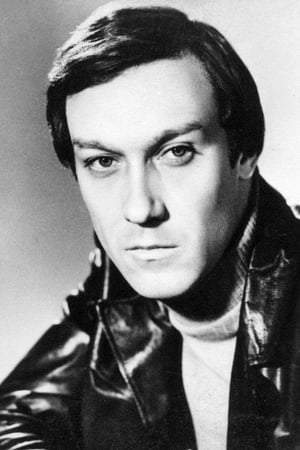
Hegumen Philip Kolychev
Played by Oleg Yankovskiy
Hegumen Philip emerges as a voice of conscience amidst chaos, characterized by his unwavering commitment to justice and mercy. His internal conflict with the Tsar illustrates the struggle of faith against tyranny. His character embodies the theme of sacrifice as he ultimately faces severe consequences for his beliefs.
- 🙏 Faith
- ⚖️ Justice
- 🕊️ Sacrifice
- M
Masha
Played by Anastasiya Dontsova
Masha is depicted as a symbol of innocence caught in a brutal conflict, whose tragic fate showcases the human cost of political machinations. Her courage in seeking to protect those wronged adds an emotional depth to the narrative. Masha's character serves as a catalyst for the significant events surrounding Hegumen Philip.
- 💔 Innocence
- ⚖️ Bravery
- ✝️ Faith
- MS
Malyuta Skuratov
Played by Yuriy Kuznetsov
Malyuta Skuratov is depicted as a loyal yet ruthless enforcer of the Tsar's will, embodying the dark, violent undercurrents of Ivan's regime. His character serves as a representation of the oppressive forces at play, carrying out the Tsar's brutal orders without hesitation. His presence heightens the film’s tension and demonstrates the perils of blind loyalty.
- ⚔️ Violence
- 👁️ Surveillance
- 🤵 Loyalty
Where and When Is Tsar Set?
Tsar is set in Moscow and Polotsk (1566-1569). Here is why the time and place matter to the story.
When
1566-1569
This period falls during the tumultuous times of the Oprichnina, characterized by brutal political repression by Tsar Ivan IV. The Livonian War, which was fought between Russia and a coalition of Poland-Lithuania, signals a critical moment in Russian history as the Tsar seeks to expand his territories amidst internal struggles and civil unrest.
Where
Moscow, Polotsk
Moscow serves as the primary backdrop for the film, showcasing the political and religious tensions of the time. It is the heart of the Russian Orthodox Church and the seat of power for Tsar Ivan IV. Polotsk represents a strategic battleground during the Livonian War, where intense clashes between Russian and Lithuanian forces occur, illustrating the era's violent historical context.
- 🏛️ City
- ⚔️ Battleground
What Are the Themes of Tsar?
3 ideas the story keeps returning to, among them Justice & Mercy, Sacrifice and Power & Corruption.
-
01
Justice & Mercy
The theme of justice and mercy permeates the film as Hegumen Philip grapples with the Tsar's brutality and the morality of power. Philip's attempts to protect the innocent highlight the conflicts between divine justice and human authority. The harsh realities of the Tsar's reign challenge notions of righteousness, ultimately posing questions about the moral responsibilities of leadership.
-
02
Sacrifice
Sacrifice is depicted through the harrowing choices faced by Metropolitan Philip, who endures exile and brutality rather than forsake his principles. Masha’s tragic fate also underscores the costs of standing against tyranny. The theme reflects the painful decisions individuals must make in the face of overwhelming oppression and the quest for truth.
-
03
Power & Corruption
The film explores the corrupting nature of absolute power as embodied by Tsar Ivan IV. His descent into paranoia and violence illustrates how unchecked authority can lead to moral decay and societal collapse. Through Philip's defiance, the narrative raises critical questions about the implications of tyranny and the price of sovereignty.
What Kind of Film Is Tsar?
Dark in tone, with slow pacing and a complex story, going by the plot summary.
- Tone
- Dark
- Pacing
- Slow
- Story
- Complex
- Intensity
- High
- Ending
- Bleak
A heavy, austere Russian historical drama that unflinchingly portrays the brutality of Ivan the Terrible's reign through the moral confrontation between a tyrant and a holy man, creating an atmosphere of relentless oppression.
- oppressive
- grim
- somber
- contemplative
- austere
- foreboding
- tyranny
- religious conflict
- political corruption
- abuse of power
Content notes: torture, execution, burning at the stake, animal attack, murder, religious persecution.
Quiz
How well do you remember Tsar? Test yourself on the story.

