
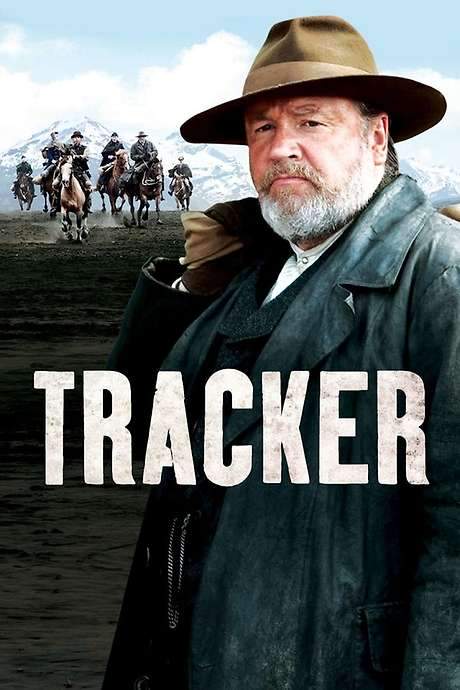
What Is Tracker About?
The premise of Tracker in 300 words, with nothing given away. The full story follows below.
In the summer of 1903, the windswept coast of New Zealand becomes a restless frontier where the echoes of distant wars still linger. Arjan van Diemen, a battle‑scarred veteran of the South African Boer conflict, arrives in a land that promises fresh soil but offers only the ghosts of his past. He is quickly enlisted by the colonial administration to track down a singular figure—Kereama, a Maori seaman whose alleged crime has set the British authorities ablaze with purpose. The assignment places van Diemen at the edge of a rugged wilderness, a tapestry of dense bush, wind‑carved cliffs and endless shoreline that seems to breathe with both danger and untamed beauty.
The film’s tone is a slow‑burning, atmospheric chase that feels as much like a meditation on loss as a pulse‑quickening hunt. Its palette is dominated by muted earth tones and the stark, cold light of early morning mist, underscoring a world where law, honor, and survival intersect in uneasy balance. The presence of the colonial military, embodied by the stern Major Pritchard Carlysle, adds a rigid, almost ceremonial weight to the pursuit, while the land itself becomes a silent character, challenging every step taken by those who dare to move across it.
As the two men clash and reluctantly cooperate, a fragile respect begins to grow between them, hinting at a deeper shared sorrow beneath the surface of their conflict. Their relationship is framed by quiet moments of understanding amidst the relentless pressure of a posse led by an uncompromising British commanding officer who is determined to see justice—however he defines it—carried out. The tension between van Diemen’s haunted past and Kereama’s fierce pride creates a compelling dynamic, promising a story where the line between hunter and hunted blurs, and the true cost of redemption remains ever‑present but unseen.
What Happens in Tracker?
The complete story of Tracker, from the first scene to the last, in 1,204 words (about 5 minutes). Spoilers throughout. Names in the text link to 2 cast member pages.
Spoilers ahead
The film opens with a poignant reminder that the Boer War, fought between 1899 and 1902, marked the first time New Zealanders volunteered to fight overseas, with approximately 6,000 men joining the British forces against the Boer settlers in South Africa. After the war’s conclusion, many defeated Boers—having lost their families and farms—sought new beginnings by joining returning soldiers in search of fresh land and opportunities. This historical context sets the stage for a story deeply rooted in themes of conflict, loss, and the quest for redemption.
In 1903, at a bustling New Zealand harbor, Major Pritchard Carlysle is introduced as a meticulous and authoritative figure. During his breakfast, he reviews the docking list and is immediately taken aback upon noticing the name Arjan van Diemen, played by Ray Winstone. Curious and somewhat cautious, Major Carlysle instructs his aide to have customs officials stop van Diemen for questioning. When the customs officer approaches, van Diemen’s gaze drifts momentarily to three young girls standing nearby, illustrating his reflective and perhaps haunted demeanor.
The tension escalates quickly when Sergeant Saunders—a veteran soldier who recognizes van Diemen from the South African conflict—intercepts the aide and, furious, confronts van Diemen. Recognizing the infamous “butcher of British soldiers,” Saunders pulls a gun, disarms, and arrests him, marching him off to see Major Carlysle. The Major, visibly unsettled by van Diemen’s presence, orders Saunders to return the gun and offers a polite, yet tense, apology, reflecting on how some still do not understand that the war has ended. Carlysle then reveals that he previously spent two years attempting to track down van Diemen in the Transvaal but, now recognizing him, sincerely hopes he can find peace with a new farm.
The story then shifts to the rural setting of a stable, where Kereama, portrayed by Temuera Morrison, a Maori man, is engaged in a tender moment with Lucy, a local prostitute. Kereama is shown with a pouch around his neck containing dust from his grandfather’s homeland, symbolizing his deep cultural roots and connection to his heritage. He is respectful and supportive of Lucy, building her self-esteem and suggesting that she would be considered a princess in his culture. Their quiet intimacy contrasts sharply with the violence soon to unfold.
Later, a drunken Saunders, along with two corporals, stumbles out of a bar and notices the stable lights. Sensing an opportunity, Saunders intervenes in a conflict between Kereama and the soldiers, which quickly turns violent. Despite initial physical dominance, Kereama defends himself fiercely in his native tongue, and Lucy tries to intervene. In the chaos, Saunders attempts to kill Kereama with a pitchfork but accidentally fatally wounds his own corporal instead, leading to panic and false accusations. Lucy, bruised and frightened, confirms the soldiers’ story, though suspicion lingers among the authorities.
Major Carlysle arrives on the scene, unimpressed with the soldiers’ account, and orders a search for Kereama. He enlists a local tracker named Bryce, refusing the use of bloodhounds, claiming he does not want to turn the pursuit into a blood sport. Carlysle also offers van Diemen a monetary reward—100 sovereigns—for capturing Kereama alive or 25 sovereigns if dead, emphasizing the importance of the mission. Van Diemen, aware of Kereama’s skills as a harpoonist, investigates and learns that Kereama left his whaling ship just before the hunt begins.
The search intensifies as the party travels down the beach, with Bryce initially following the wrong trail, believing Kereama intends to escape via a ship. Recognizing this mistake, van Diemen heads inland alone, where he picks up the correct trail. The pursuit culminates in the capture of Kereama the following morning, leading to a tense and meaningful exchange. Kereama, after being overpowered, shares with van Diemen that his sole purpose is to restore his family’s honor—mirroring the Boer fighters’ shame—by returning home and fighting for freedom. Their conversation reveals van Diemen’s personal pain, shown through his family photographs and guarded responses about his deceased wife and children, which he dismisses with a curt explanation of farm burnings and hardships during the Boer War.
Amidst the rugged wilderness, Kereama overpowers van Diemen during a river encounter but ultimately spares him from drowning. Their subsequent dialogue reveals a shared understanding of loss and retribution. Kereama exposes how his grandfather was shamefully defeated, and they discuss the brutal reality of war, including van Diemen’s own brutal acts—cutting off the trigger fingers of captured British officers as a form of grim respect.
As the terrain becomes more treacherous, the search team demonstrates relentless determination. Major Carlysle sends soldiers back to base for more supplies, illustrating the prolonged and exhausting nature of their hunt. Tensions escalate when Saunders smirks at Kereama, risking a dangerous escalation, especially with van Diemen involved. That evening, van Diemen secretly feeds Kereama meat, and their dialogue deepens the plot’s emotional core. They reflect on what they fought for, with Kereama sharing how he watched his grandfather and others suffer at the hands of the British, fueling his desire for revenge and justice.
Kereama escapes again, aided by van Diemen who, recognizing the danger, carefully stages a false trail to buy him time. The climax intensifies when van Diemen tracks Kereama to his ancestral cave. Inside, van Diemen kneels outside with his Bible and family portrait, praying quietly for strength. Kereama, inside, emerges after the prayer, and together they leave the cave, with van Diemen now shielding Kereama from danger. In a profound moment, Kereama asks van Diemen to shoot him to avoid dying like his grandfather. Van Diemen hesitates but ultimately complies, shooting Kereama at a waterfall after a heartbreaking farewell.
The scene cuts to the search party finding Kereama’s body. Van Diemen, standing solemnly by the waterfall, presents a bloodied bandage containing an index finger to Major Carlysle, claiming it as a trophy and a mark of respect for Kereama’s courage. Saunders, enraged, demands vengeance, but van Diemen’s display of strength and restraint ensures order. The military officer commands that Kereama’s body be buried, acknowledging his bravery.
Back at base, Major Carlysle observes a man with a head injury, then realises that Kereama is still alive, initiating a secret manhunt across ports and whaling stations for the Māori, with orders to capture him alive. The story then shifts to a beach, where passengers await a launch to Australia. Van Diemen sits apart from the crowd, receiving a modest reward from Carlysle, who confirms that Kereama survived. Flashbacks reveal that van Diemen intentionally shot to miss during the waterfall confrontation to let Kereama escape, later pistol-whipping him into the pool and planting a knife near his body.
The final scenes show van Diemen on a launch, gazing at his family’s photograph with a tear running down his face, symbolizing his peace after years of internal conflict. Meanwhile, Carlysle, riding away, orders heightened vigilance against the Māori with a missing index finger—an ominous sign of Kereama’s continued freedom and resilience.
As the story concludes, Kereama arrives at a station, where officials scrutinize his papers and subtle signals hint that he remains under surveillance. Despite his attempts to hide, it becomes clear that the fight for justice and identity is ongoing, leaving a lasting impression of sacrifice, reconciliation, and the enduring struggle for freedom.
Tracker Timeline: Every Key Event in Order
15 key events in the order they happen, from “Start of the Boer War (1899-1902)” to “Kereama’s possible future freedom”. 13 events name a place, across 12 locations.
- 1
Start of the Boer War (1899-1902)
The movie begins by referencing the Boer War, which was the first conflict where New Zealanders fought abroad. Approximately 6,000 volunteers fought alongside the British against the Boers in South Africa. The war ended with the defeat of the Boers and the loss of their families and farms.
When:1899-1902
- 2
Post-war Boer refugees search for new homes
After the war's end, defeated Boers, having lost their farms and families, joined other returning soldiers in search of a new homeland. This movement sets the backdrop for subsequent events and characters' motivations.
When:Post-1902
- 3
Arrival at a New Zealand harbor (1903)
The scene shifts to 1903 in a New Zealand harbor, where Major Carlysle inspects the docking list, recognizing the name Arjan van Diemen and summoning customs to pull him aside for questioning. The encounter sparks tension given van Diemen's past actions in South Africa.
When:1903 Where:New Zealand harbor
- 4
Van Diemen's arrest and interrogation
Sergeant Saunders recognizes van Diemen as a notorious butcher of British soldiers and intervenes, leading to his arrest. Major Carlysle expresses regret that some people do not realize the war is over and reflects on his unsuccessful effort to track van Diemen previously.
When:1903 Where:Customs office
- 5
Introduction of Kereama and Lucy
Kereama, a Maori, is shown having sex with Lucy, a prostitute, during a night at the stable. Kereama shows respect by wearing a pouch with his grandfather's dust, symbolizing his cultural roots and connection to his homeland.
When:1903 Where:Stable
- 6
Saunders' abuse and Kereama's escape
Drunk Saunders and his men attack Kereama, leading to a fight where Saunders unintentionally kills his own corporal. Kereama escapes, leaving Lucy frightened and bruised, while Saunders and others suspect him of murder.
When:1903 Where:Near stable
- 7
Search for Kereama begins
Major Carlysle organizes a search party led by Bryce with a local tracker, aiming to capture Kereama. Van Diemen offers a reward for Kereama's capture, suspecting he is homeward bound, and learns that Kereama left his whaling ship recently.
When:Next day after escape, 1903 Where:Beach and inland trails
- 8
Van Diemen tracks down Kereama
Van Diemen follows the trail inland and successfully captures Kereama. They share a memorable conversation about their backgrounds and respective hatred for the British, revealing Van Diemen's lost family and his complex feelings about the war.
When:Following morning Where:Inland terrain
- 9
Kereama and van Diemen's bond and conflict
Kereama tells Van Diemen about his desire to restore his family's honor and his plan to fight. They argue over their reasons for hatred, and during a moral crisis, Kereama tries to drown himself but is pulled out, leading to a tense confrontation.
When:Later that day Where:River
- 10
Final fight and Kereama's death
Kereama and Van Diemen have a brutal fight at a waterfall, where Kereama asks Van Diemen to shoot him so he won't die dishonorably like his grandfather. Van Diemen shoots him, and Kereama's body is left underwater as Van Diemen prays outside the cave.
When:Next day Where:Waterfall
Show the other 5 events of Tracker Hide the last 5 events
- 11
Van Diemen's return and the concealed truth
Van Diemen leaves the mountain with Kereama's body, and Major Carlysle finds a finger in a bandage, claiming it as a trophy. Van Diemen claims Kereama was courageous, but it's implied that he spared him intentionally, hiding the truth about his survival.
When:Following day Where:Mountain cave
- 12
Carlysle’s orders for the Maori
Back at his base, Carlysle orders his men to watch every port and whaling station for a Maori with a missing finger, indicating that Van Diemen’s objectives include capturing Kereama alive. There is a plan to hunt him down again.
When:Later in 1903 Where:Base
- 13
Van Diemen’s departure and the reward
Van Diemen, now aware of Carlysle’s suspicion, departs the island on a launch after accepting a reward, knowing the Maori is still alive. The final scenes hint at ongoing pursuit and unresolved conflicts about justice and revenge.
When:End of 1903 Where:Beach and launch
- 14
Carlysle’s realization and return order
Carlysle realizes Kereama is still alive and commands his soldiers to find him. This signifies the enduring quest to capture or eliminate Kereama, emphasizing the unresolved tension from the events.
When:After van Diemen’s departure Where:Base
- 15
Kereama’s possible future freedom
Kereama appears at a station where officials are suspicious but ultimately do not arrest him, leaving him free but under surveillance. The complex cycle of pursuit continues, leaving an open ending about his fate.
When:Post-1903 Where:Station
Who Are the Main Characters in Tracker?
4 characters, among them Arjan van Diemen (Ray Winstone), Kereama (Temuera Morrison) and Major Pritchard Carlysle (Gareth Reeves): who each one is and the part they play in the story. Every profile links to the actor’s page.
-

Arjan van Diemen (Ray Winstone)
Played by Ray Winstone
A former soldier haunted by his past actions in the Boer War, van Diemen is depicted as a complex character torn between regret and a desire for redemption. His interactions reveal a man seeking peace while grappling with guilt and memories of violence. His protective stance towards Kereama indicates a potential change in his morals.
- 🧔 Veteran
- 🔎 Haunted
- 🛡️ Protector
-

Kereama (Temuera Morrison)
Played by Temuera Morrison
A Maori man driven by the desire to reclaim his family's honor and land, Kereama is a resilient and principled character. His refusal to kill van Diemen and his quest for justice demonstrate his moral integrity despite the violence surrounding him. His connection to his heritage acts as a core aspect of his identity.
- 🧑🌾 Indigenous
- 💪 Resilient
- 🔥 Vengeful
- MP
Major Pritchard Carlysle (Gareth Reeves)
Played by Gareth Reeves
A stern military officer enforcing colonial authority, Carlysle embodies discipline and loyalty to the British Empire. His actions reflect the tensions of maintaining order in a post-war landscape, with moments revealing internal conflicts about morality and duty.
- 🎖️ Authority
- 💼 Military
- 💭 Reflective
- S(
Saunders (Mark Mitchinson)
Played by Mark Mitchinson
A conflicted soldier whose aggressive actions escalate tensions, Saunders exhibits bravado laced with guilt and moral ambiguity. His pursuit of Kereama is driven by duty but is marred by brutality and fear.
- 🪖 Soldier
- 😠 Aggressive
- 🤷♂️ Guilt
Where and When Is Tracker Set?
Tracker is set in New Zealand and South Africa (1903). Here is why the time and place matter to the story.
When
1903
The film takes place in 1903, shortly after the Boer War ended. This period was marked by post-war recovery and tensions stemming from colonial conflicts. It was a time of change as colonies like New Zealand were transitioning into more established self-governing regions, with lingering war trauma influencing national identity and personal relationships.
Where
New Zealand, South Africa
The movie is set primarily in early 20th-century New Zealand, depicting its coastal landscapes, harbors, and rural regions, reflecting the country's history as a British dominion. South Africa is referenced through the Boer War background, highlighting the conflict's impact on individuals and families, with scenes evoking a rugged, frontier-like environment.
- 🌏 Remote
- 🏞️ Rural
- 🐚 Coastal
What Are the Themes of Tracker?
3 ideas the story keeps returning to, among them Revenge, War and Peace and Cultural Identity.
-
01
Revenge
Revenge drives much of the plot, with characters haunted by past conflicts. Kereama seeks justice for his family and heritage, while van Diemen’s actions are rooted in retaliation and personal shame. The theme explores how the desire for revenge affects decisions and moral boundaries.
-
02
War and Peace
The film juxtaposes the violence of war, such as the Boer conflict and colonial violence in New Zealand, with moments of introspection and reconciliation. It reflects on the lasting effects of war on individuals and nations, emphasizing the possibility of forgiveness and understanding amidst brutality.
-
03
Cultural Identity
Kereama’s Maori heritage and van Diemen’s Dutch background highlight themes of cultural identity and historical conflict. The characters’ interactions symbolize the ongoing struggles over land, honor, and the legacy of colonialism, emphasizing the importance of respecting different cultures and histories.
What Kind of Film Is Tracker?
Tense in tone, with steady pacing and a moderate story, going by the plot summary.
- Tone
- Tense
- Pacing
- Steady
- Story
- Moderate
- Intensity
- High
- Ending
- Bittersweet
A tense and gritty chase through the wilderness drives this heavy historical drama, where two adversaries from opposing sides of a colonial war forge a bond of mutual respect amidst a backdrop of loss and a desperate quest for honor.
- tense
- melancholic
- gritty
- oppressive
- suspenseful
- solemn
- manhunt
- historical conflict
- survival
- mutual respect
Content notes: war violence, fatal stabbing, racial prejudice, personal loss.
Quiz
How well do you remember Tracker? Test yourself on the story.
