
Tom’s Midnight Garden 1999

Directed by

Willard Carroll
Made by

Hyperion Pictures
Tom’s Midnight Garden Plot Summary
Read the complete plot summary and ending explained for Tom’s Midnight Garden (1999). From turning points to emotional moments, uncover what really happened and why it matters.
Tom Long is sent to stay with his Uncle Alan Kitson and Aunt Gwen Kitson in a flat with no garden, while his Peter Long is kept at home with measles and unable to join in outdoor play. The upstairs neighbor, the elderly and reclusive Mrs Bartholomew, keeps to herself, adding a quiet chill to Tom’s sense of isolation. Because he may be infectious, he is barred from venturing outside, and the days drag on with a widening gap between his restlessness and the quiet of the building. The lack of space and exercise makes the nights feel longer, and Tom notices how his sleep shifts—he grows more wakeful as the clock in the communal hallway seems to bend time in small, uncanny ways.
Then, one night, after the grandfather clock in the hall strangely strikes 13, Tom dares to explore and discovers the back yard—once modest and ordinary—has transformed into a sunlit, expansive garden. In this magical space he meets Hatty, a lonely child who appears to be the only person who can see him. Their meetings begin as simple curiosities, but very quickly they reveal a pattern: their chats and games unfold as if they are slipping through the centuries, with Tom slowly realizing that the adventures are playing out in the 19th century. Each night he returns, Hatty seems a little older, nudging Tom to question the very nature of time and reality, and the boundary between his world and hers begins to blur.
To test what’s happening, Tom asks Hatty to leave her skates in a hidden place so that when he returns to the future he can track them down. The plan works, and the curiosity about the other era becomes a tangible thread linking the two times. One evening the two of them skate together, and Hatty’s feelings shift—she begins to fall in love with a boy from her own era, a young man named Barty. Tom, meanwhile, discovers that he has become invisible to Hatty, a quiet consequence of the time-tangled world they inhabit. The romance between Hatty and Barty adds a bittersweet layer to the mystery, as Tom navigates his own place in a moment that isn’t his own.
As the days pass, Tom’s sense of direction falters. The next night, when he ventures back, the garden seems to have vanished, replaced by the clatter and clutter of modern life—rubbish bins and urban smells replaced the familiar green. It’s a jarring reminder that the boundary between time periods is fragile and elusive. Just before Tom returns to his own time, he encounters Mrs Bartholomew again, and in a startling revelation, she is revealed to be the elderly Hatty, linking the two figures across decades and tying their fates together in a quiet, poignant twist.
Tom’s Midnight Garden Timeline
Follow the complete movie timeline of Tom’s Midnight Garden (1999) with every major event in chronological order. Great for understanding complex plots and story progression.
Arrival at Uncle & Aunt Gwen's flat
Tom Long travels to stay with his Uncle Alan and Aunt Gwen after his brother Peter contracts measles. He moves into a flat with no garden, which leaves him lonely and restless. The cramped urban setting foreshadows the magical discovery to come.
Isolation inside the flat
Because Tom may be infectious, he's not allowed outside to play or mingle with other children. He spends days and nights trapped in the small flat, listening to the communal clock and yearning for something beyond the walls. The absence of outdoor space intensifies his loneliness and curiosity.
The clock strikes 13 and the garden appears
Late one night, the grandfather clock strikes 13, prompting Tom to investigate. He discovers that the small back yard outside has transformed into a large, sunlit garden. The magical shift hints at a portal to another time and place.
First meeting with Hatty
In the transformed garden, Tom meets Hatty, a lonely child who seems to be the only one who can see him. Hatty appears to exist in another century, bridging Tom’s world with the past. A friendship forms as they begin to explore this shared secret.
Adventures lie in the 19th century
Tom gradually realises that their adventures are taking place in the 19th century rather than his own time. Hatty becomes his guide to the past, and Tom grapples with questions of time and reality. The garden world feels like a doorway between eras.
Hatty ages with each visit
With every nightly visit, Hatty appears slightly older, suggesting time passes within the garden world. Tom wonders whether he is dreaming or slipping between timelines. The sense of reality grows increasingly fragile as their journeys continue.
Hatty's skates and the search for answers
To uncover the mechanism behind their time slips, Tom asks Hatty to leave her skates in a hidden place. They perform the act, and Tom returns to search for them, hoping to anchor their journeys. The skates become a key clue to connecting the two times.
Finding the skates in the future
Tom goes back into the future and manages to find Hatty's skates in the hidden place. The discovery confirms that the garden links two eras and that the skates anchor their crossing. The moment deepens the mystery and the stakes of their time travel.
Hatty's romance and Tom's invisibility
One night, Hatty and Tom skate together, and Hatty begins to fall in love with a boy from her own time named Barty. Tom suddenly finds that he is invisible to Hatty, unable to interact or be seen. The timeline tension strains their fragile bond.
The garden vanishes; modern day intrudes
The following night, Tom cannot find the garden and instead encounters rubbish bins from the modern day. The gateway seems to have shifted or faded, and Tom risks losing his connection to Hatty. The boundary between times becomes unstable and precarious.
Final reveal: Mrs Bartholomew is Hatty
As Tom prepares to return home, he meets Mrs Bartholomew, the elderly landlady upstairs. She is revealed to be Hatty in her old age, tying the long arc of time travel to a personal ending. The twist shows Hatty has lived across centuries and now watches over the garden's time-slip.
Tom’s Midnight Garden Characters
Explore all characters from Tom’s Midnight Garden (1999). Get detailed profiles with their roles, arcs, and key relationships explained.
Tom Long (Anthony Way)
A boy who is sent to stay with his Uncle Alan and Aunt Gwen due to measles, Tom feels lonely in the flat without a garden. His curiosity drives him to explore the back yard, where a sunlit garden appears at night and reveals a different era. He shows resilience and an imaginative spirit, gradually uncovering the mysteries of time and Hatty’s world.
Hatty (12 years) - Florence Hoath
A young Hatty who inhabits the garden in the 19th century. Her world is intimate and perilously close to the edge of Tom’s present, and she forms a bond with Tom across time. Her growing presence through the nights hints at the deeper magic governing the garden.
Hatty (Young Woman) - Caroline Carver
An older Hatty glimpsed in subsequent nights, representing the passage of time within the garden. She embodies a bridge between eras, gradually revealing the garden’s true nature and its effect on Tom’s understanding of reality.
Mrs Bartholomew - Joan Plowright
The elderly, reclusive landlady who lives upstairs. Her presence is stern and mysterious, and the twist of the story reveals a surprising connection between her and Hatty. She embodies the adult world that guards or conceals the garden’s secrets.
Uncle Alan Kitson - James Wilby
Tom’s affectionate but distracted uncle. He provides a home for Tom during the stay and anchors Tom’s sense of family, even as the boy is drawn toward the garden’s strange, time-bridging magic.
Aunt Gwen Kitson - Greta Scacchi
Tom’s caring aunt who shares in the family’s domestic life. She helps create the home atmosphere that contrasts with the enchantment of the garden, grounding Tom’s experiences in warmth and care.
Aunt Melbourne - Penelope Wilton
Another relative in Tom’s orbit, whose presence adds depth to the family dynamics and provides continuity of care and affection in the flat. Her interactions with Tom help him feel connected, even as the garden reveals a different time.
Peter Long - Nick Robinson
Tom’s brother who is staying with relatives due to illness. His absence from the garden moments adds to Tom’s loneliness and heightens the contrast between the two worlds Tom moves between at night.
Tom’s Midnight Garden Settings
Learn where and when Tom’s Midnight Garden (1999) takes place. Explore the film’s settings, era, and how they shape the narrative.
Time period
Present day and 19th century
Two time frames drive the narrative: the contemporary period in which Tom stays with relatives, and the 19th-century world that materializes within the garden. Each night, Hatty appears slightly older, while Tom remains resolutely himself, blurring the lines between reality and imagination. The garden’s rhythm suggests a time loop where past and present coexist, shaping the characters’ choices and perceptions.
Location
Urban flat with a sunlit garden that appears at night
The story centers on a city apartment block where a modest flat houses a back yard that becomes a large, sunlit garden at night. The communal courtyard and the upstairs landlady’s presence anchor the setting in a busy urban environment, highlighting the contrast between ordinary life and the garden’s wonder. This intimate space acts as the gateway between two times, linking generations in a single, private world.
Tom’s Midnight Garden Themes
Discover the main themes in Tom’s Midnight Garden (1999). Analyze the deeper meanings, emotional layers, and social commentary behind the film.
🕰️
Time
Time is not linear in Tom’s Midnight Garden. The garden acts as a portal where eras collide, letting Hatty grow up before Tom’s eyes and challenging what is real. The narrative uses this time-crossing to explore memory, aging, and the persistence of childhood wonder. The interplay between two ages across the same space reveals how time can be felt, not just measured.
🌙
Loneliness
Loneliness threads through both Tom and Hatty’s experiences. Tom arrives isolated in a flat with limited play, while Hatty’s 19th-century world is filled with its own quiet longing. Their nightly meetings in the garden become a fragile companionship that transcends time. The story shows how imagination and friendship can fill the gaps left by absence and distance.
🔮
Reality
The boundary between reality and fantasy is porous in the garden, inviting doubt about what is truly possible. Time shifts and the garden’s glow invite a magical realism that forces characters to question perception. The twist that Mrs Bartholomew is an elderly Hatty ties memory to identity, suggesting that the past shapes who we become in the present.

Coming soon on iOS and Android
The Plot Explained Mobile App
From blockbusters to hidden gems — dive into movie stories anytime, anywhere. Save your favorites, discover plots faster, and never miss a twist again.
Sign up to be the first to know when we launch. Your email stays private — always.
Explore the mobile appTom’s Midnight Garden Spoiler-Free Summary
Discover the spoiler-free summary of Tom’s Midnight Garden (1999). Get a concise overview without any spoilers.
In the cramped flat of an aging city, a sudden bout of measles forces Tom Long away from his usual world and into the quiet care of Uncle Alan and Aunt Gwen. Their home, locked away from any green space, sits beneath the watchful eye of the reclusive Mrs. Bartholomew, who lives in the upstairs flat. Constrained by illness and the fear of contagion, Tom finds the familiar rhythms of childhood—play, fresh air, the simple joy of wandering—out of reach, leaving him restless and oddly awake as night falls.
One evening, the ancient grandfather clock in the hallway does something inexplicable: its hands move past midnight and strike a thirteenth hour. Compelled by the strange sound, Tom slips out to investigate and discovers that the tiny, neglected back yard has transformed into a sun‑lit, seemingly endless garden. The air feels warm and scented with possibilities, and the ordinary walls of the flat give way to a hidden realm that feels both ancient and timeless. The garden becomes a secret refuge, a place where the ordinary constraints of his confinement melt away.
Within this luminous sanctuary, Tom meets another solitary child, Hatty, who appears to inhabit the same quiet wonder. Their interactions are gentle and curious, hinting at lives that have drifted apart from the bustling modern streets outside. The garden pulses with a quiet magic, inviting questions about memory, time, and connection, while the tone remains one of wistful discovery. Together they explore the space that bridges the gap between their lonely present and an imagined past, leaving the audience to wonder just how far the boundaries of imagination can stretch when the world outside feels closed in.
Movies with Similar Twists and Themes
Uncover films that echo the narrative beats, emotional arcs, or dramatic twists of the one you're exploring. These recommendations are handpicked based on story depth, thematic resonance, and spoiler-worthy moments — perfect for fans who crave more of the same intrigue.
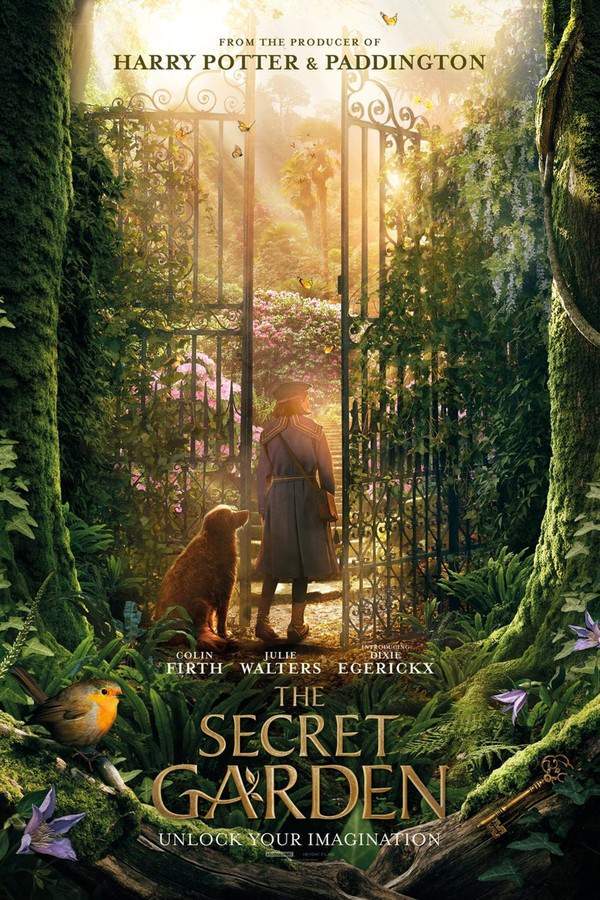
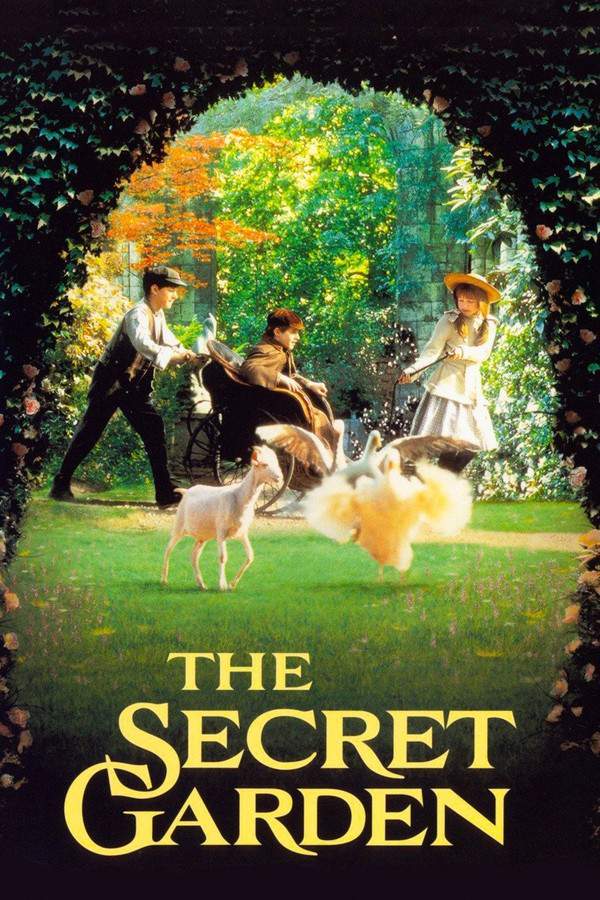


Featured on this page

What's After the Movie?
Not sure whether to stay after the credits? Find out!
Check out our other apps:

SAT Sphere
Build confidence for the Digital SAT.

Mori Atlas
Discover wild places worth protecting.

Luntero
Search smarter for a home in Amsterdam.

Plot Explained
Unravel movie endings and hidden clues.

Pokechamp
Dive into Pokémon data and battle logic.

Driving Theory
Get ready for your European theory test.

Movie Dust
Plan your next cinema trip with ease.

Musemap
Find art and culture as you travel.

Selkobase
Compare credentials before committing.

Local Manual
Turn an unfamiliar country into practical next steps.

Lernavi
Compare school systems before your next move.

GymRoam
Find a workout stop wherever your plans take you.
Explore Our Movie Platform
New Movie Releases (2026)
Famous Movie Actors
Top Film Production Studios
Movie Plot Summaries & Endings
Major Movie Awards & Winners
Best Concert Films & Music Documentaries
Movie Collections and Curated Lists
© 2026 What's After the Movie. All rights reserved.
Privacy Policy