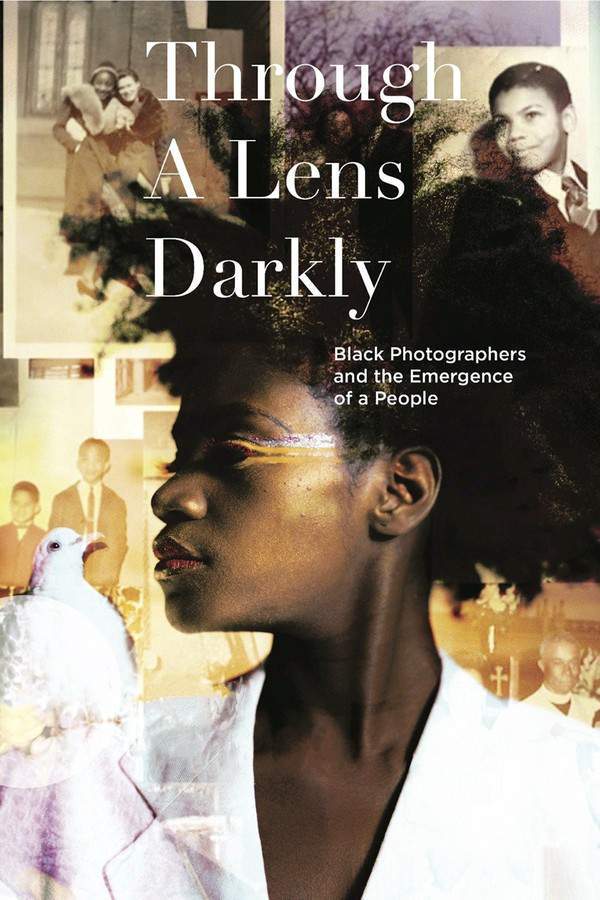
Through a Lens Darkly: Black Photographers And The Emergence Of A People 2014

Directed by

Thomas Allen Harris
Made by

K Period Media
Where to Watch Through a Lens Darkly: Black Photographers And The Emergence Of A People
See current US streaming, rental, and purchase options for Through a Lens Darkly: Black Photographers And The Emergence Of A People (2014) via JustWatch.




Streaming availability powered by 
Test your knowledge of Through a Lens Darkly: Black Photographers And The Emergence Of A People with our quiz!
Through a Lens Darkly: Black Photographers And The Emergence Of A People Plot Summary
Read the complete plot summary and ending explained for Through a Lens Darkly: Black Photographers And The Emergence Of A People (2014). From turning points to emotional moments, uncover what really happened and why it matters.
Through A Lens Darkly: Black Photographers and the Emergence of a People delves into the profound history of Black photography and representation, illuminating how modern artists draw upon this rich heritage to enrich their visual narratives.
The journey commences with the filmmaker’s introspection on the complex legacies tied to his identity as an African American, grappling with notions of self-worth and humanity. He curates a collective of talented photographers and artists, including Anthony Barboza, Carrie Mae Weems, Lorna Simpson, Hank Willis Thomas, Lyle Ashton Harris, and Glenn Ligon. Together, they challenge conventional perceptions and redefine the imagery that has long influenced society’s understanding of Blackness and the essence of Black individuals.
As the narrative unfolds, the film thoughtfully showcases the works of trailblazing Black photographers, both men and women, whose powerful imagery has played a pivotal role in reclaiming collective dignity and humanity. This exploration reveals an extensive history of African American impact in photography—not just as an art form, but as a compelling agent of change.
Taking its inspiration from the groundbreaking publication by photo-historian and co-producer Deborah Willis, Reflections in Black: A History of Black Photographers 1840 to the Present, Through A Lens Darkly stands as the first documentary dedicated to examining the crucial influence of photography in shaping the identity, aspirations, and social awakening of African Americans, traversing the trajectory from slavery to the contemporary landscape.
Through a Lens Darkly: Black Photographers And The Emergence Of A People Timeline
Follow the complete movie timeline of Through a Lens Darkly: Black Photographers And The Emergence Of A People (2014) with every major event in chronological order. Great for understanding complex plots and story progression.
Filmmaker's Introspection
The film begins with the filmmaker reflecting on his identity as an African American. He grapples with the complex legacies that inform his self-worth and humanity, setting the stage for the exploration of Black representation in photography.
Curating a Collective
The filmmaker brings together a talented group of Black photographers and artists, including notable figures like Anthony Barboza and Carrie Mae Weems. This collective strives to challenge traditional perceptions of Blackness through their unique visual narratives.
Redefining Imagery
The artists collaborate to redefine the imagery that has dominated societal understanding of Black individuals for generations. They challenge the visual stereotypes often associated with Black culture and identity, offering new perspectives.
Showcasing Trailblazers
As the narrative progresses, the film highlights the works of pioneering Black photographers. Their powerful images have played a crucial role not only in art but in reclaiming dignity and humanity for the African American community.
Extent of Black Influence
The documentary delves into the extensive history of African Americans' influence in photography. It portrays photography as a significant form of expression that has evolved into a powerful agent of social change.
Reflections in Black
Inspired by Deborah Willis's book, *Reflections in Black: A History of Black Photographers 1840 to the Present*, the film seeks to highlight how photography has been integral to the Black experience. It emphasizes the importance of historical context in understanding contemporary visuals.
First Documentary of Its Kind
Through A Lens Darkly stands out as the first documentary focused expressly on the influence of photography in shaping Black identity. It aims to educate and engage viewers about this vital aspect of African American history.
From Slavery to Modern Day
The film chronicles the journey of African American photography from the era of slavery to modern times. This narrative illustrates how visual storytelling has evolved and the persistent themes of identity and resilience.
Visual Narratives of Dignity
The artworks highlighted in the film embody the struggle for dignity and humanity faced by Black individuals. They serve not just as artistic expressions but also as statements against historical oppression.
Confronting Conventional Narratives
Throughout the documentary, the artists confront conventional narratives about Blackness that have persisted over time. They invite the audience to reevaluate preconceived notions and understand the richness of Black culture.
Engagement with Contemporary Issues
The film engages with contemporary issues of representation and identity. It highlights how modern Black photographers continue to respond to and challenge the legacies of the past through their work.
Collective Empowerment
By showcasing their works, the film emphasizes the collective empowerment found within the Black photographic community. It illustrates how coming together to share their stories can foster understanding and social change.
Historical Impact of Photography
The documentary examines the historical impact of photography on the African American experience. It reveals how images have been used both as tools for oppression and agents of liberation throughout history.
Celebration of Artistic Heritage
The film culminates in a celebration of the artistic heritage of Black photographers. It serves as a tribute to their resilience and creativity, affirming their rightful place in the history of American art.
Call to Action
Through A Lens Darkly concludes with a call to action for audiences to rethink how they perceive Black identity and representation. It encourages viewers to support and engage with Black art and photography actively.
Through a Lens Darkly: Black Photographers And The Emergence Of A People Characters
Explore all characters from Through a Lens Darkly: Black Photographers And The Emergence Of A People (2014). Get detailed profiles with their roles, arcs, and key relationships explained.
Anthony Barboza
A significant figure in the film, Anthony Barboza is a renowned photographer whose work embodies the essence of Black pride and identity. His contributions are pivotal in challenging and redefining the imagery associated with Black people. Barboza's artistic journey resonates with themes of dignity and representation.
Through a Lens Darkly: Black Photographers And The Emergence Of A People Settings
Learn where and when Through a Lens Darkly: Black Photographers And The Emergence Of A People (2014) takes place. Explore the film’s settings, era, and how they shape the narrative.
Time period
19th Century to Present
The film spans a timeline from the 19th century, covering the emergence of Black photographers, to contemporary times. This period is marked by significant social changes, movements for civil rights, and a continued exploration of identity, all of which have shaped the narrative of Black representation and dignity in art.
Location
United States
The film primarily unfolds in the United States, where the historical and cultural backdrop of Black photography has deeply influenced society. The country has a rich tapestry of artistic expression, particularly through photography, which has served as a vital tool for social change and representation in the African American community.
Through a Lens Darkly: Black Photographers And The Emergence Of A People Themes
Discover the main themes in Through a Lens Darkly: Black Photographers And The Emergence Of A People (2014). Analyze the deeper meanings, emotional layers, and social commentary behind the film.
📸
Identity
The theme of identity is central to the film, exploring how Black photographers have depicted the uniqueness of Black experiences. Through their work, they confront stereotypes and offer a redefined narrative that emphasizes pride and humanity.
🌍
Representation
Representation in art is a critical theme, highlighting the vital role of photography in shaping public perceptions of Black individuals. The film showcases how Black photographers have used their art to reclaim narratives and assert visibility in a world often marred by misrepresentation.
✊🏾
Social Change
The film reflects on how photography has been an agent of social change within the African American community. Through the lens of pioneering photographers, the narrative emphasizes their contributions in advocating for dignity, rights, and humanity.

Coming soon on iOS and Android
The Plot Explained Mobile App
From blockbusters to hidden gems — dive into movie stories anytime, anywhere. Save your favorites, discover plots faster, and never miss a twist again.
Sign up to be the first to know when we launch. Your email stays private — always.
Explore the mobile appThrough a Lens Darkly: Black Photographers And The Emergence Of A People Spoiler-Free Summary
Discover the spoiler-free summary of Through a Lens Darkly: Black Photographers And The Emergence Of A People (2014). Get a concise overview without any spoilers.
In a quiet studio lit by the soft glow of archival prints, a documentary unfolds that treats photography not merely as an art form but as a living archive of Black experience. The film begins with a contemplative voice, a filmmaker who grapples with the weight of history and the search for self‑definition, setting the tone for a journey that spans from the shadows of slavery to the bright certainty of today’s visual culture. The atmosphere is reverent yet inquisitive, inviting viewers to linger over each image as if it were a whispered story waiting to be heard.
The narrative is anchored in personal reflection, as the creator examines his own legacy within a broader tapestry of representation. This introspection fuels a compelling exploration of how photographs have both documented suffering and celebrated triumph, serving as mirrors that reflect evolving notions of dignity, humanity, and community. The documentary’s visual language is poetic, letting the cadence of light and shadow speak louder than a conventional script, and its pacing feels like a slow, deliberate walk through a gallery where every frame carries a weight of collective memory.
To illuminate this landscape, the filmmaker gathers a vibrant collective of contemporary artists who draw on the past to reshape the future. Anthony Barboza brings his pioneering eye to the conversation, while Carrie Mae Weems weaves narrative depth into everyday scenes. Lorna Simpson challenges perception with layered abstractions, and Hank Willis Thomas interrogates the commercial symbols that have long defined Black identity. Lyle Ashton Harris and Glenn Ligon add further dimensions, each interrogating the visual codes that have shaped perceptions of Blackness. Their collaborations hint at a dialogue that bridges generations, hinting at the power of visual storytelling to rewrite history.
Against this backdrop, the documentary maintains a tone that is both scholarly and soulful, rooted in the meticulous research of co‑producer Deborah Willis’s seminal work. It promises an immersive experience where the viewer is invited to consider how images shape not only how the world sees a people, but also how a people comes to see itself. The film leaves the audience poised on the edge of discovery, eager to explore the unseen archives that continue to define and redefine a collective identity.
Featured on this page

What's After the Movie?
Not sure whether to stay after the credits? Find out!
Check out our other apps:

SAT Sphere
Build confidence for the Digital SAT.

Mori Atlas
Discover wild places worth protecting.

Luntero
Search smarter for a home in Amsterdam.

Plot Explained
Unravel movie endings and hidden clues.

Pokechamp
Dive into Pokémon data and battle logic.

Driving Theory
Get ready for your European theory test.

Movie Dust
Plan your next cinema trip with ease.

Musemap
Find art and culture as you travel.

Selkobase
Compare credentials before committing.

Local Manual
Turn an unfamiliar country into practical next steps.

Lernavi
Compare school systems before your next move.

GymRoam
Find a workout stop wherever your plans take you.
Explore Our Movie Platform
New Movie Releases (2026)
Famous Movie Actors
Top Film Production Studios
Movie Plot Summaries & Endings
Major Movie Awards & Winners
Best Concert Films & Music Documentaries
Movie Collections and Curated Lists
© 2026 What's After the Movie. All rights reserved.
Privacy Policy