
They Came to a City 1944

Directed by
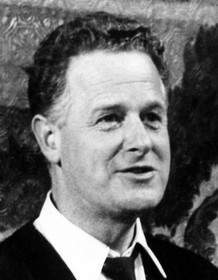
Basil Dearden
Made by

Ealing Studios
Where to Watch They Came to a City
See current US streaming, rental, and purchase options for They Came to a City (1944) via JustWatch.


Streaming availability powered by 
They Came to a City Plot Summary
Read the complete plot summary and ending explained for They Came to a City (1944). From turning points to emotional moments, uncover what really happened and why it matters.
The tale opens with a quiet, almost fable-like frame: during World War II, a passing stranger in a field overlooking a small British industrial city narrates a thought-provoking parable about life after the war. The storyteller, J.B. Priestley, presents the narrative as a moral meditation on how people might choose to live if they were offered a perfect society and a chance to leave their old lives behind. The mood is contemplative, deliberately old-fashioned in its tone, inviting the reader to weigh comfort against conscience in a world still bruised by conflict.
Nine travelers from markedly different walks of life find themselves summoned by an unnamed, almost dreamlike force to a stark, modernistic castle that seems emptied of time. The lineup includes Sir George Gedney A.E. Matthews, a coldly misanthropic aristocrat whose dealings with others are shaped by privilege; Malcolm Stritton Raymond Huntley, a bank clerk who harbors deep mistrust of the political status quo; Dorothy Stritton, Malcolm’s domineering wife, whose desires and fears influence every room they share; Alice Foster Googie Withers, a dissatisfied waitress whose small needs speak to larger social frictions; Mr. Cudworth Norman Shelley, a businessman whose calculating mind tends to reduce people to numbers; Lady Loxfield Mabel Terry-Lewis, a refined woman with a keen sense of social propriety, and her daughter Philippa Fanny Rowe, whose politeness masks a wary curiosity about the world beyond her upbringing; Joe Dinmore John Clements, a seaman with a streak of skepticism and a no-nonsense view of life; and Mrs Batley Ada Reeve, a practical, down-to-earth charwoman who keeps her eyes on the ground while listening for what the future might demand.
Inside the castle, the nine discover a door that opens onto a city they can barely glimpse from above, a place that appears to operate on principles very different from their own. The conversations that follow are not friendly debates, but tense exchanges in which each traveler projects fears, hopes, and judgments onto the unknown world below. Some of them imagine that the city’s socialistic, cooperative vibe could deliver the utopia they have never found in their lives back home, where scarcity, ambition, and competition have shaped their days. Others read the shining skyline above as a perilous dream that would strip away personal freedoms they hold dear. The dynamics among the group—heated disagreements, uneasy alliances, and moments of surprising tenderness—reveal as much about who each person is as about the city they glimpse.
After a period of debate and self-examination, the nine are allowed to step back into the castle and discuss what they have seen. The question they must answer within a single sunset is stark and irreversible: will they stay in the city, relinquishing their old identities and the homes they left behind, or will they leave the city forever, returning to the lives they once knew? The choice is presented as a definitive rite of passage, a test of character that exposes what each person truly desires when confronted with a future that offers more than a simple continuation of the present.
The narrative culminates in a quiet, morally probing meditation on the values that drive people to cling to comfort or to risk it all for something new. The frame and the fable together form a living parable about hope, fear, and the human impulse toward community, asking whether a perfected society is a gift we can accept without losing what makes us who we are. The result is a thoughtful, sometimes unsettling exploration of responsibility and possibility, wrapped in a rich period mood that respects both the complexity of its characters and the world they inhabit.
They Came to a City Timeline
Follow the complete movie timeline of They Came to a City (1944) with every major event in chronological order. Great for understanding complex plots and story progression.
Framing tale begins in a field
The unnamed stranger frames the story by telling it to a young couple in a field overlooking a small British industrial city during World War II. He presents the tale as a parable about how people might live after the war if given a chance at utopia. The moment establishes the narrative as a moral meditation rather than a straightforward tale.
Nine travellers are summoned to a mysterious castle
Nine people from different walks of life are drawn by unknown forces to a modernistic, empty castle-like structure. The group includes Sir George Gedney, Malcolm Stritton, Dorothy Stritton, Alice Foster, Mr. Cudworth, Lady Loxfield, Philippa, Joe Dinmore, and Mrs. Batley. The setup signals a deliberate social experiment rather than mere chance.
The nine are introduced with stark contrasts
Inside the castle, the characters are delineated by class and temperament—the misanthropic aristocrat, the dissatisfied bank clerk, the domineering wife, the unhappy waitress, the money-obsessed businessman, the privileged mother and daughter, the cynical seaman, and the practical charwoman. Their clashing worldviews promise heated exchanges and tests of character.
The castle is revealed as modernistic and empty
The nine discover the castle’s modernist design and its unsettling emptiness, which invites philosophical contemplation rather than hospitality. The setting functions as a stage for the moral questions they will face. The atmosphere foreshadows the upcoming test of choice.
The city glimpsed from the castle; door to access
The castle overlooks a city, which the nine cannot ignore, and a door opens to admit them to that city. The moment suggests an invitation or escape, heightening the tension between curiosity and possible danger. The unseen city is central to the film’s parable about society.
Entry into the city and the city’s elusiveness
The nine step through the door into the city, but the film never shows the city in detail. Their impressions hint at a society that may operate on socialist principles, yet the full picture remains out of reach. They eventually retreat back to the castle, their experiences left to interpretation.
Return and debate over utopia vs. danger
Back in the castle, they debate what the city could mean—whether it represents a feasible utopia or a threat to personal autonomy. Each character latches onto different aspects as proof of the city’s promise or peril. The discussion primes the tension before the final decision.
The city as a social experiment
The group contemplates that the city operates on socialist, collective principles, exploring themes of equality and shared responsibility. Some find the idea compelling, while others fear the loss of individuality and old loyalties. The parable invites examination of what utopia would demand from them.
Sundown deadline and the final choice
With sundown approaching, each of the nine faces a permanent choice: stay in the city forever or leave and never return to their original homes. The decision carries a weight beyond personal happiness, reflecting the broader moral of the story. The clock’s urgency forces a blunt confrontation with their deepest values.
The consequences unfold after the decision
The group begins to enact the choices, and the implications ripple through their relationships and social standing. The outcomes are not fully shown, reinforcing the parable’s theme that true utopia’s viability rests on individual willingness to change. The scene underscores the stakes of abandoning or embracing a new social order.
The parable tightens focus on postwar life
The stranger’s framing speech ties the tale to postwar anxieties and hopes, suggesting that the willingness to imagine a utopia is itself an act of courage. The story uses the nine’s fates to probe what people are willing to sacrifice or preserve after the war. This meta-commentary links the castle’s test to real-world choices ahead of reconstruction.
Open-ended finale invites interpretation
The tale ends with the field storyteller stepping back, leaving the young couple—and the audience—without definitive answers. The parable emphasizes choice, responsibility, and the ambiguities of utopia versus tyranny. Viewers are invited to decide what they would do in such a test of values.
They Came to a City Characters
Explore all characters from They Came to a City (1944). Get detailed profiles with their roles, arcs, and key relationships explained.
Sir George Gedney (A.E. Matthews)
Sir George is a cold, misanthropic aristocrat who distrusts others and clings to rigid social hierarchies. He embodies old-world privilege and contempt for popular reform, filtering the utopian offer through a skeptic’s lens. His aloofness creates friction with the others and frames the tension between elitism and communal possibility.
Malcolm Stritton (Raymond Huntley)
Malcolm is a discontented bank clerk who questions the current political system and seeks a more just order. He approaches the utopia with practical curiosity, weighing how reforms could translate into everyday life. His skepticism challenges the feasibility of the promised society while exposing the allure of change.
Dorothy Stritton (Mrs. Stritton) (Renee Gadd)
Dorothy is Malcolm's domineering and jealous wife, whose insecurity drives tension within the group. She uses emotional leverage to assert control, revealing how personal insecurity can complicate collective utopian fantasies. Her presence heightens the clash between intimate power dynamics and broader social ideals.
Alice Foster (Alice) (Googie Withers)
Alice is an unhappy waitress yearning for a better life, representing the working class's hope and vulnerability. Her longing highlights how economic and social precarity fuels belief in radical change. She embodies personal desire intersecting with collective possibility.
Mr. Cudworth (Cudworth) (Norman Shelley)
Mr. Cudworth is money-obsessed and calculating, viewing the city as a potential investment or advantage. His pragmatic, profit-minded attitude reveals how financial motives can shape attitudes toward utopia. He adds a cautionary note about the cost of social transformation.
Lady Loxfield (Mrs. Loxfield) (Mabel Terry-Lewis)
Lady Loxfield is a cynical, socially prominent matriarch who navigates the promise of utopia with a wary eye on appearances and social standing. She embodies the upper-class satire of reform, balancing skepticism with a desire to preserve status. Her perspective reveals the fragility of elitist confidence in a new order.
Philippa Loxfield (Philippa) (Fanny Rowe)
Philippa is Lady Loxfield's compliant daughter, often portrayed as naive and dependent on her mother. She represents youth and vulnerability within the class structure, hinting at how the next generation may respond to upheaval. Her presence underscores the personal stakes behind large social experiments.
Joe Dinmore (John Dinmore) (John Clements)
Joe is a cynical, free-thinking seaman who questions authority and conventional wisdom. His skepticism provides a counterpoint to more idealistic views, challenging others to defend their visions of utopia. He embodies a pragmatic independence within the group.
Mrs Barley (Ada Barley) (Ada Reeve)
Mrs Barley is a practical, down-to-earth charwoman who grounds the group with common sense. She represents resilience and working-class pragmatism, offering a steady counterweight to the more theoretical conversations about utopia. Her perspective anchors the human side of the moral debate.
They Came to a City Settings
Learn where and when They Came to a City (1944) takes place. Explore the film’s settings, era, and how they shape the narrative.
Time period
World War II era (1940s)
The story is framed by wartime Britain, with the wartime backdrop influencing the characters' longing for a different social order. The parable invites reflection on post-war living and the costs of altering established norms. The unspecified timeline beyond the war underscore the tension between tradition and imagined utopia.
Location
Castle-like structure overlooking a British industrial city
The action centers on a modernistic castle-like structure perched above a small British industrial city. The surrounding field and the castle provide a stark stage for the parable that unfolds inside. The city itself is implied rather than shown, shaping how the characters imagine a utopian future against their own class and personal tensions.
They Came to a City Themes
Discover the main themes in They Came to a City (1944). Analyze the deeper meanings, emotional layers, and social commentary behind the film.
🌌
Utopia
The nine strangers are offered a glimpse of a city that supposedly runs on socialist principles, inviting them to imagine a perfect society. Some envision it as a genuine improvement, while others fear the sacrifice of personal autonomy. The parable uses this dream to probe what a true utopia would demand from individuals and communities. It also questions whether a flawless society can exist without eroding essential freedoms.
💼
Class
The group represents a spectrum of social strata, from aristocrat to clerks to service workers, exposing inherent class tensions. The city’s promise of equality clashes with entrenched habits and prejudices, revealing how status shapes desires and choices. The narrative uses these dynamics to critique how social order is maintained and challenged. Even in utopia, class echoes influence who stays or leaves.
🧭
Choice
A central motif is the irrevocable decision each person must make about staying in the city or returning to their old lives. The decision process tests loyalty, fear, and the temptation of a better life. The story treats choice as a moral test that exposes personal values and the limits of reform. Ultimately, the characters confront what they are willing to sacrifice for an imagined future.

Coming soon on iOS and Android
The Plot Explained Mobile App
From blockbusters to hidden gems — dive into movie stories anytime, anywhere. Save your favorites, discover plots faster, and never miss a twist again.
Sign up to be the first to know when we launch. Your email stays private — always.
Explore the mobile appThey Came to a City Spoiler-Free Summary
Discover the spoiler-free summary of They Came to a City (1944). Get a concise overview without any spoilers.
markdown During the turbulent years of World War II, a mysterious narrative unfolds with the quiet gravity of a modern fable. A storyteller introduces a thought-provoking parable about life and the possibilities that lie beyond conflict, drawing nine strangers into a situation that defies the logic of their daily existence. Summoned by a dreamlike force to a stark, modernistic castle that seems emptied of time, the group finds themselves removed from the familiar rhythms of home and faced with an enigma that challenges their perceptions of reality.
The travelers represent a vivid cross-section of British society, each bringing distinct class perspectives and personal grievances to the stone halls. From the misanthropic aristocrat Sir George Gedney and the refined Lady Loxfield to the skeptical seaman Joe Dinmore and the practical charwoman Mrs Batley, the group spans the social spectrum. Alongside figures like the dissatisfied waitress Alice Foster and the calculating businessman Mr. Cudworth, they find their worldviews clashing in the castle’s confined spaces, turning the location into a crucible for social debate and uneasy alliances.
Inside this enigmatic setting, a door stands as the threshold to a mysterious city that appears to operate on principles entirely different from their own. Glimpses of this unknown society spark fierce debates among the group, with some viewing it as a necessary utopia and others fearing it as a threat to their personal liberty. As they attempt to discern the nature of the world below, the travelers are forced to examine their own fears, hopes, and moral compasses.
The narrative serves as a contemplative meditation on the human condition, asking profound questions about what people truly desire when faced with the prospect of a perfect society. Caught between the memory of their old lives and the possibility of a new beginning, the characters must weigh their willingness to sacrifice the familiar for the unknown. The film offers a rich, atmospheric exploration of character and choice, wrapping its philosophical inquiries in a mood of suspense and introspection.
Movies with Similar Twists and Themes
Uncover films that echo the narrative beats, emotional arcs, or dramatic twists of the one you're exploring. These recommendations are handpicked based on story depth, thematic resonance, and spoiler-worthy moments — perfect for fans who crave more of the same intrigue.


Featured on this page

What's After the Movie?
Not sure whether to stay after the credits? Find out!
Check out our other apps:

SAT Sphere
Build confidence for the Digital SAT.

Mori Atlas
Discover wild places worth protecting.

Luntero
Search smarter for a home in Amsterdam.

Plot Explained
Unravel movie endings and hidden clues.

Pokechamp
Dive into Pokémon data and battle logic.

Driving Theory
Get ready for your European theory test.

Movie Dust
Plan your next cinema trip with ease.

Musemap
Find art and culture as you travel.

Selkobase
Compare credentials before committing.

Local Manual
Turn an unfamiliar country into practical next steps.

Lernavi
Compare school systems before your next move.

GymRoam
Find a workout stop wherever your plans take you.
Explore Our Movie Platform
New Movie Releases (2026)
Famous Movie Actors
Top Film Production Studios
Movie Plot Summaries & Endings
Major Movie Awards & Winners
Best Concert Films & Music Documentaries
Movie Collections and Curated Lists
© 2026 What's After the Movie. All rights reserved.
Privacy Policy