
These Amazing Shadows 2011

Directed by
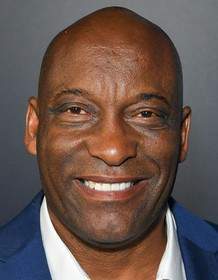
John Singleton
Made by

Gravitas Docufilms
These Amazing Shadows Plot Summary
Read the complete plot summary and ending explained for These Amazing Shadows (2011). From turning points to emotional moments, uncover what really happened and why it matters.
These Amazing Shadows is an 85-minute documentary that delves into the profound cultural, historical, and artistic significance of American cinema. By showcasing a rich tapestry of film clips—ranging from beloved classics to rare treasures—it highlights how movies reflect the American experience in all its diversity. The film masterfully weaves together imagery with heartfelt personal stories, illustrating the ways in which films have shaped our culture, influenced individual lives, and served as a mirror to society’s hopes, fears, and dreams.
Throughout the documentary, viewers are introduced to a range of notable figures involved in the preservation and celebration of film art. This includes Dr. James Billington, the Librarian of Congress, who explains the critical role of the National Film Registry—a curated list of 525 films—selected annually with input from the public and expert advice from the National Film Preservation Board. These films span every genre, from documentaries, home movies, and silent films to Hollywood blockbusters, avant-garde works, and newsreels, embodying the vast spectrum of American filmmaking and its collective cultural memory.
The documentary also takes audiences behind the scenes of the selection process, revealing the debates, discussions, and emotional moments involved in choosing which films will be preserved for future generations. The film emphasizes that American cinema is more than mere entertainment; it is a living history of the 20th and 21st centuries, capturing the exuberance, struggles, and aspirations of the nation. As Christopher Nolan and other renowned directors share their insights, it becomes clear how films serve as powerful tools for reflection and storytelling.
These Amazing Shadows also explores the relationship between film and societal issues such as race and gender. It reflects on how movies like D.W. Griffith’s The Birth of a Nation and John Ford’s The Searchers depict tumultuous aspects of American history, especially regarding race relations. Similarly, it highlights pioneering female filmmakers like Lois Weber, Dorothy Arzner, and modern contributors like Julie Dash, illustrating the evolving role of women behind the camera.
Intertwined with interviews from acclaimed actors such as Tim Roth, archivists like Liz Stanley, producers including Gale Anne Hurd and James Schamus, and notable experts, the film underscores that stories told through movies are deeply emotional and universally resonant. As the documentary quotes, “Stories are profoundly important to human beings,” emphasizing that films are not only entertainment but a record of our collective identity.
The film also examines how propaganda and political films, like Duck and Cover and The House in the Middle, played a role during tense periods such as the Cold War, illustrating the influence of cinema beyond pure entertainment. It features a humorous perspective from Rick Prelinger, who reflects on the impact of these productions in shaping public perception.
These Amazing Shadows emphasizes that movies serve as visual family albums, preserving moments that define who we are and who we aspire to be. It suggests that film endures because it allows us to connect emotionally, to understand our past, and to imagine our future. As Robin Blaetz shares, the hope is that the stories and images captured on film will inspire future generations, just as they have in the past.
In essence, this documentary invites viewers to consider why film remains one of the most vital mediums of art and storytelling, and how the efforts to preserve America’s cinematic heritage ensure that these stories continue to inform, inspire, and connect us all. It is a heartfelt tribute to the power of movies—our shared story, our cultural legacy, and our collective memory—that continues to shape the fabric of American life.
These Amazing Shadows Timeline
Follow the complete movie timeline of These Amazing Shadows (2011) with every major event in chronological order. Great for understanding complex plots and story progression.
Introduction to American Film Heritage
The documentary begins by emphasizing the cultural, historical, and aesthetic significance of American films such as Casablanca, Blazing Saddles, and West Side Story. These movies are part of the National Film Registry, showcasing the diversity and importance of American cinema. The film highlights how these movies reflect the American experience and national identity.
Overview of 'These Amazing Shadows'
The documentary, titled 'These Amazing Shadows,' is an 85-minute film that weaves together clips from beloved films and personal stories. It demonstrates how movies have reflected American culture and changed lives, integrating interviews with notable filmmakers, actors, archivists, and officials.
Discussion of Film Preservation Laws
The film covers the passage of the National Film Preservation Act of 1988, which established a system for identifying notable films for preservation. It explains how the Librarian of Congress, with input from the public and a preservation board, selects films for the National Film Registry annually.
Selection Process for the Film Registry
The documentary provides a behind-the-scenes look at the debates and discussions involved in selecting films for the Registry. It emphasizes the importance of this process in maintaining America's cinematic heritage and cultural memory.
Cultural Impact of American Cinema
The film explores how American movies serve as a form of living history, transforming the way the nation expresses itself and reflecting societal hopes and problems. Films are described as an audiovisual history that documents the 20th century and beyond.
Films as a Reflection of American History
The documentary examines how cinema reflects America's turbulent history, including issues of race and gender. Films like 'The Birth of a Nation,' 'The Searchers,' and 'Boyz n the Hood' reveal societal conflicts and progress.
Role of Women in Filmmaking
The film highlights the contributions of women filmmakers from Lois Weber and Dorothy Arzner to contemporary directors. It discusses the evolving role and importance of women in shaping and advancing American cinema.
The Enduring Power of Films
Stories told through movies create deep emotional connections, often sweeping audiences away. The film features testimonials and scenes illustrating how powerful storytelling in cinema can be, impacting individuals profoundly.
Preserving America's Film Heritage
The documentary stresses the importance of archiving and preserving films for future generations. Interviews with archivists like Liz Stanley reveal the efforts to keep film images accessible and meaningful long-term.
Film as a Medium of Shared Human Experience
It discusses how American films act as a family album, sharing stories across borders, beliefs, and generations. The movies serve as a portal to the past, a reflection of the present, and a vision for the future.
Global Cultural Influence of American Films
The film illustrates how American cinema has helped shape a global cultural language, connecting diverse audiences worldwide. It emphasizes the role of movies in fostering understanding and shared storytelling across different cultures.
Conclusion: Film as Living History
The documentary concludes by reinforcing that cinema is more than entertainment; it is a vital part of our cultural history. American movies capture the hopes, fears, and aspirations of society, functioning as a collective memory for future generations.
These Amazing Shadows Characters
Explore all characters from These Amazing Shadows (2011). Get detailed profiles with their roles, arcs, and key relationships explained.
James Billington
As the Librarian of Congress, he emphasizes the significance of film as a reflection of American history and culture. He advocates for the preservation of films as living history, highlighting their role in education and cultural identity.
Christopher Nolan
A distinguished director who discusses the importance of films in shaping cultural and aesthetic values. His insights highlight the artistic side of cinema and its role in cultural storytelling.
Tim Roth
An admired actor contributing thoughts on how films evoke emotional connections and reflect societal issues. His perspective underscores the personal impact of cinematic storytelling.
Gale Anne Hurd
A producer who emphasizes the significance of preserving film history and the cultural value of iconic movies. She discusses the impact of film on cultural memory.
These Amazing Shadows Settings
Learn where and when These Amazing Shadows (2011) takes place. Explore the film’s settings, era, and how they shape the narrative.
Time period
Twentieth and twenty-first centuries
The movie is set across a broad timespan covering the evolution of American cinema from the early 20th century to contemporary times. It discusses landmarks such as the passage of the National Film Preservation Act of 1988 and highlights the enduring influence of films over the last hundred years as both entertainment and historical record.
Location
United States
The movie takes place in the United States, a country with a rich cinematic history that reflects its diverse culture and societal changes. It emphasizes the importance of American films in shaping national identity and preserving cultural memory. The film also highlights key institutions like the Library of Congress dedicated to film preservation and history.
These Amazing Shadows Themes
Discover the main themes in These Amazing Shadows (2011). Analyze the deeper meanings, emotional layers, and social commentary behind the film.
🎥
Cultural Impact
The film explores how American movies serve as a cultural mirror, reflecting societal values, issues, and aspirations. It shows how films influence public perception, memory, and national identity, acting as a living history of the United States.
🛡️
Preservation
A central theme is the importance of preserving cinematic history to ensure future generations can access and learn from America's rich film heritage. The documentary sheds light on the efforts and debates involved in selecting films for the National Film Registry.
🎭
Art and Society
The movie examines the role of cinema as an art form that shapes societal attitudes, influences emotions, and documents significant social issues, including race, gender, and politics. It emphasizes the profound emotional relationship audiences develop with films.

Coming soon on iOS and Android
The Plot Explained Mobile App
From blockbusters to hidden gems — dive into movie stories anytime, anywhere. Save your favorites, discover plots faster, and never miss a twist again.
Sign up to be the first to know when we launch. Your email stays private — always.
Explore the mobile appThese Amazing Shadows Spoiler-Free Summary
Discover the spoiler-free summary of These Amazing Shadows (2011). Get a concise overview without any spoilers.
In These Amazing Shadows the audience is invited into the vaulted halls of America’s cinematic memory, a world where flickering frames become a shared family album of the nation’s hopes, anxieties, and triumphs. The documentary moves with a reverent yet lively rhythm, stitching together iconic clips—from silent epics to avant‑garde experiments—with the hushed whispers of archivists and the bright enthusiasm of modern filmmakers. The tone is a thoughtful blend of nostalgia and discovery, encouraging viewers to feel the pulse of history while recognizing the ever‑present relevance of each image.
At the heart of this exploration is Dr. James Billington, the Librarian of Congress, whose calm authority provides a guiding thread through the complex tapestry of the National Film Registry. His explanations of why 525 diverse works earn preservation lay the groundwork for a deeper conversation about what it means to safeguard a culture’s visual stories. Alongside him, celebrated directors such as Christopher Nolan and pioneering women like Lois Weber step forward, offering personal reflections that illuminate how film shapes individual lives and collective identity. Their insights create a subtle dance between the past and present, hinting at the emotional resonance that each generation finds in the moving picture.
Interspersed with intimate anecdotes from actors, producers, and archivists—including voices like Tim Roth, Gale Anne Hurd, and the witty observations of Rick Prelinger—the film builds a chorus of perspectives that underscore the universality of storytelling. The documentary’s style remains visually rich, letting archival footage speak as loudly as the spoken word, and its pace invites contemplation without ever feeling didactic. Through these layered conversations, the film suggests that cinema is more than entertainment; it is a living, breathing record of America’s evolving narrative.
The result is a contemplative yet engaging portrait that treats every frame as a shadow cast by a larger cultural light. By weaving together personal testimonies and historic moments, These Amazing Shadows feels less like a lecture and more like an intimate gathering of voices, each eager to share why preserving these cinematic treasures matters not only for scholars, but for anyone who has ever been moved by the magic of a story on screen.
Featured on this page

What's After the Movie?
Not sure whether to stay after the credits? Find out!
Check out our other apps:

SAT Sphere
Build confidence for the Digital SAT.

Mori Atlas
Discover wild places worth protecting.

Luntero
Search smarter for a home in Amsterdam.

Plot Explained
Unravel movie endings and hidden clues.

Pokechamp
Dive into Pokémon data and battle logic.

Driving Theory
Get ready for your European theory test.

Movie Dust
Plan your next cinema trip with ease.

Musemap
Find art and culture as you travel.

Selkobase
Compare credentials before committing.

Local Manual
Turn an unfamiliar country into practical next steps.

Lernavi
Compare school systems before your next move.

GymRoam
Find a workout stop wherever your plans take you.
Explore Our Movie Platform
New Movie Releases (2026)
Famous Movie Actors
Top Film Production Studios
Movie Plot Summaries & Endings
Major Movie Awards & Winners
Best Concert Films & Music Documentaries
Movie Collections and Curated Lists
© 2026 What's After the Movie. All rights reserved.
Privacy Policy