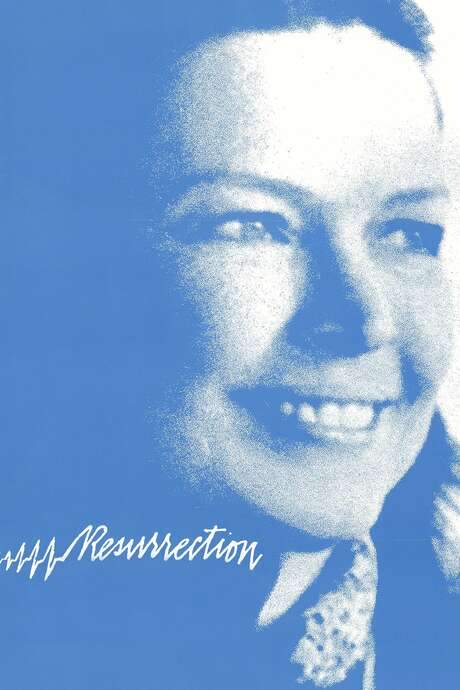
What Is The Rapture About?
The premise of The Rapture in 299 words, with nothing given away. The full story follows below.
In the sprawling anonymity of Los Angeles, a solitary telephone operator drifts through an existence that feels both empty and amoral. The rhythm of her days is marked only by the monotonous click of a headset and the distant hum of a city that never truly acknowledges its lost souls. One night, a chance encounter with a fervent Christian sect shatters her quiet routine, introducing a promise of purpose that seems both urgent and inexplicably personal. The film’s tone is steeped in quiet introspection, letting the stark desert landscape and the stark silence of night amplify a growing sense of spiritual yearning.
Sharon’s life begins to pivot as she embraces the newfound belief, stepping away from her former lifestyle and drawing herself into a world of devotion and restraint. Marriage and the birth of a daughter, Mary, anchor her to a tangible hope that forgiveness might finally be within reach. Yet the path she walks is lined with subtle, ever‑present tests; each decision feels magnified, as if the universe itself is measuring the weight of her faith against the shadows of her past. The atmosphere swells with an uneasy mix of reverent anticipation and lingering doubt, hinting that some sins cling tighter than others, refusing to be easily absolved.
As rumors of an imminent Rapture circulate, Sharon feels compelled to journey toward a barren desert—a symbolic crossroads where belief and desperation meet. Along the way, she encounters Foster, a pragmatic police officer whose concern for her and her child adds a grounded, human counterpoint to her escalating fervor. Their uneasy alliance underscores the film’s exploration of how far one will go for salvation, how love can become both a lifeline and a weight, and whether the promise of redemption can truly eclipse the lingering specter of an unforgiven sin.
What Happens in The Rapture?
The complete story of The Rapture, from the first scene to the last, in 364 words (about 2 minutes). Spoilers throughout. Names in the text link to 4 cast member pages.
Spoilers ahead
Sharon, Mimi Rogers, a young Los Angeles woman, leads a swinging, libidinous lifestyle. She comes into contact with an unnamed Christian sect that believes the Rapture is imminent based on the strange dreams experienced by congregants, interpreted as signs of the end times.
Over time, Sharon accepts this belief and becomes a born-again Christian. She starts living a pious life, eventually marrying and having a daughter named Mary, Kimberly Cullum. When her husband Randy, David Duchovny, is killed in a senseless murder, she begins to question the benevolence of God and wonders why such cruelty exists in a world she once trusted.
She believes God has called her to go to the desert to wait for the Rapture, and instead of leaving her daughter safely with friends, she decides Mary must come with her. Foster, Will Patton, a police officer, is concerned for their well-being after they are reduced to stealing food while they wait, but Sharon remains insistent that the end is near and that every moment brings them closer to judgment and salvation.
Sharon’s resolve deepens into despair, and at her daughter’s urging she decides to hasten their ascent to Heaven. She shoots Mary, a terrible act that shatters any easy sense of benevolence in her beliefs, yet she cannot bring herself to take her own life, fearing condemnation for suicide. She confesses to Foster what she has done and is jailed, a stark consequence for the choices she has made.
The Rapture finally arrives after an apparition of Mary appears at night, accompanied by two angels. The following day, as Sharon sits in her cell, a loud trumpet blasts across the world, signaling the start of the Rapture. Sharon and Foster, now driving out into the desert together, are suddenly pulled into a purgatory-like landscape where the rules of life above seem to fade.
Foster, formerly an atheist, is granted entrance to Heaven, while Sharon remains unable to renounce her anger at God for Mary’s death. Mary pleads with her to accept God back into her heart so she can join her and Randy in Heaven, but Sharon chooses isolation in the purgatorial expanse, rejecting reconciliation and remaining alone for eternity.
The Rapture Timeline: Every Key Event in Order
13 key events in the order they happen, from “Sharon's lifestyle meets a doomsday sect” to “Sharon's eternal solitary fate”. 13 events name a place, across 6 locations.
- 1
Sharon's lifestyle meets a doomsday sect
Sharon leads a sexually liberated life in Los Angeles, moving through casual encounters with little spiritual concern. She encounters an unnamed Christian sect that claims the Rapture is imminent based on the members' recurring dreams. The meeting plants seeds of a radical faith that will soon steer her choices.
Where:Los Angeles
- 2
Becomes born-again Christian
She embraces the sect's teachings and undergoes a conversion, adopting a devout, disciplined routine. Sharon becomes a born-again Christian, shaping her daily life around prayer and moral obligation. The shift redefines her relationships and sets the course for her family life.
Where:Los Angeles
- 3
Marriage and birth of Mary
Sharon marries Randy and they start a family, welcoming a daughter named Mary. Outwardly, she appears to lead a wholesome, faith-led life as a wife and mother. The domestic stability stands in contrast to the looming belief in an imminent apocalyptic event.
Where:Los Angeles
- 4
Randy's murder and crisis of faith
Randy is killed in a senseless murder, leaving Sharon devastated and questioning the benevolence of God. Grief fractures her certainty in divine benevolence and pushes her toward a harsher interpretation of faith. The tragedy intensifies her conviction that the end is near.
Where:Los Angeles
- 5
Decision to go to the desert for the Rapture
Sharon believes God has called her to the desert to wait for the Rapture. She insists that Mary must come with her, rather than be cared for by friends, and they set off toward the barren landscape. The move signals a break from ordinary life and the beginning of a perilous, isolated vigil.
Where:Desert
- 6
Foster worries and survival in exile
Foster, a police officer, grows concerned for their welfare as they increasingly rely on stealing food to survive. He urges Sharon to reconsider their path, but she remains convinced that the end is near. Tension mounts between his practical care and her faith-driven denial of danger.
Where:Desert
- 7
Sharon takes Mary's life
Under Mary's urging to hasten their ascent, Sharon shoots Mary in a desperate act. She cannot bring herself to end her own life, fearing condemnation for suicide. The act shatters their fragile expedition and leads to her arrest.
Where:Desert
- 8
Confession and jail
Sharon confesses to Foster, revealing the murder and the religious justification behind it. He becomes an unwilling witness to her guilt as she accepts responsibility. She is jailed for the crime, marking a turning point in her moral and spiritual crisis.
Where:Police custody
- 9
The night of the Rapture begins
A night apparition of Mary appears, accompanied by two angels, signaling a miraculous omen. Soon after, a trumpet blast rings out worldwide, marking the start of the Rapture. The personal tragedy becomes part of a universal, cosmic moment.
When:Night Where:Worldwide
- 10
Desert ascent into a purgatory
Following the Rapture, Sharon and Foster drive into the desert and are swept away to a purgatory-like landscape. The transition strips away ordinary life and places them in an eerie, liminal realm. Their faith is tested as they confront a new kind of salvation question.
Where:Desert / purgatory landscape
Show the other 3 events of The Rapture Hide the last 3 events
- 11
Foster's acceptance and entrance to Heaven
In the purgatory-like realm, Foster experiences a turning point: he accepts God and is granted entrance to Heaven. This change contrasts with Sharon's unresolved anger toward God. The moment reframes his life’s arc and offers a glimmer of reconciliation.
Where:Purgatory landscape
- 12
Mary's plea and Sharon's rejection
Mary pleads with Sharon to accept God so she can join her and Randy in Heaven, appealing to a mother who once said no. Sharon refuses, clinging to her resentment instead of faith. The plea underscores the final rift between mother and daughter.
Where:Purgatory landscape
- 13
Sharon's eternal solitary fate
Sharon chooses to remain alone in the purgatory-like landscape for eternity, rejecting a chance to reunite with Mary and Randy in Heaven. The ending emphasizes the cost of faith misapplied and the isolation that follows vengeance. Her fate contrasts with Foster’s salvation and Mary’s continued hope.
Where:Purgatory landscape
Who Are the Main Characters in The Rapture?
4 characters, among them Sharon (Mimi Rogers), Randy (David Duchovny) and Foster (Will Patton): who each one is and the part they play in the story. Every profile links to the actor’s page.
-

Sharon (Mimi Rogers)
Played by Mimi Rogers
Sharon begins as a young Los Angeles woman who leads a libertine lifestyle before a transformative exposure to a stringent Christian sect. Her conversion to born-again faith leads her to marry and have a daughter, Mary, yet tragedy and doubt unsettle her certainty about God’s benevolence. When her husband Randy is murdered, Sharon's faith fractures, and she retreats to the desert to await the Rapture, insisting that Mary join her. Her later confession, murderous act, and prison reveal the emotional toll of zealotry and the fragility of spiritual certainty.
- 🕊️ Faith
- transformation
- 💔 Grief
- guilt
-

Randy (David Duchovny)
Played by David Duchovny
Randy is Sharon's husband whose senseless murder becomes the catalyst for her spiritual crisis. His death unravels the couple's life and plants doubt about divine benevolence in Sharon. He is not actively present for much of the narrative, but his absence shapes Sharon's move to the desert and her radical faith. The character serves as a tragic trigger rather than an agent of change by his own actions.
- 💔 Loss
- 🗡️ Violence
- 🕊️ Grief
-

Foster (Will Patton)
Played by Will Patton
Foster is a police officer who becomes concerned for Sharon and Mary’s welfare as they drift into desperation and deprivation. He provides a counterpoint to Sharon's faith, skeptical about the impending Rapture until he confronts the possibility of the divine. In the aftermath of Mary's death, Foster's awakening to belief marks a symbolic transition from atheism to faith, enabling him to witness the possibility of salvation.
- 🕊️ Faith
- 🧭 Skepticism
- 🛡️ Protector
- M(
Mary (Kimberly Cullum)
Played by Kimberly Cullum
Mary is Sharon's young daughter, a symbol of innocence caught in the crossfire of radical belief. She pleads with her mother and becomes the catalyst for the tragedy when Sharon kills her, an act driven by apocalyptic urgency. Her death drives the emotional core of the story and underscores the perils of zealotry trained on loved ones.
- 👶 Innocence
- 💔 Tragedy
- 🌟 Catalyst
Where and When Is The Rapture Set?
The Rapture is set in Los Angeles and Mojave Desert. Here is why the place matters to the story.
Where
Los Angeles, Mojave Desert
The film opens in Los Angeles, a sprawling urban setting that frames Sharon's daily life. The narrative shifts to the Mojave Desert, where Sharon seeks the end-time prophecy. The contrast between sun-drenched city life and stark desert isolation underscores the film's exploration of faith, fear, and moral reckoning.
- 🏙️ Urban
- 🏜️ Desert
- 🌆 Contemporary
What Are the Themes of The Rapture?
3 ideas the story keeps returning to, among them Faith vs Doubt, Apocalypse Belief and Family and Grief.
-
01
Faith vs Doubt
Sharon's gradual conversion into a born-again Christian sets up a clash between unwavering faith and creeping doubt. The murder of her husband triggers a crisis of benevolence in God and a search for meaning beyond ordinary life. The film probes how zeal and desire for certainty can distort love, family, and truth. It questions whether faith can survive personal tragedy or merely mask it.
-
02
Apocalypse Belief
The belief in an imminent Rapture drives the narrative, pulling Sharon toward a radical, isolationist path. The sect's interpretation of dreams and signs appears seductive in its certainty, even as it blinds her to consequences. The arid desert landscapes later become a stage for a world-shaking moment: a trumpet heralding transcendence. The film examines the dangers and allure of apocalyptic certainty.
-
03
Family and Grief
Mary's presence embodies innocence and the consequences of parental zeal. Her plea to return to ordinary life contrasts with Sharon's conviction that time is short. The act of killing Mary shatters any sense of moral order and precipitates Sharon's imprisonment. The ending uses Mary's memory to critique how love can become entangled with dangerous faith.
What Kind of Film Is The Rapture?
Dark in tone, with steady pacing and a moderate story, going by the plot summary.
- Tone
- Dark
- Pacing
- Steady
- Story
- Moderate
- Intensity
- High
- Ending
- Bleak
A profoundly unsettling and intense descent into religious fanaticism and despair, this film creates a grim atmosphere as a woman's spiritual quest leads to unimaginable tragedy and a bleak, isolating conclusion.
- despairing
- intense
- unsettling
- spiritual crisis
- grim
- anxious
- religious fanaticism
- faith and doubt
- eschatology
- moral crisis
Content notes: child death, murder, religious trauma, suicidal ideation.
Quiz
How well do you remember The Rapture? Test yourself on the story.