

What Is The Bacchantes About?
The premise of The Bacchantes in 302 words, with nothing given away. The full story follows below.
In the sun‑parched realm of ancient Thebes, a relentless drought has left fields cracked and citizens restless. Rumors swirl through the marble streets that the very soil has turned against its people, and desperation hangs as heavy as the summer heat. Into this crackling atmosphere drifts Dionysus, a mysterious traveler who claims to be the god of wine and ecstasy, promising that his presence might coax the clouds back and ignite a forgotten joy.
The city’s ruler, Pentheus, a king burdened by the cries of hungry farmers, is convinced that only a solemn offering can restore the land’s fertility. He therefore resolves to present a virgin to Demeter, hoping the ancient rite will coax the goddess into ending the famine. Yet his resolve clashes with the arrival of a deity whose revelry threatens to upend the rigid order the monarch has tried to uphold.
Guiding the undercurrents of prophecy is Tiresias, the blind seer whose cryptic words have long shaped Thebes’ fate. His daughter, Manto, is a young woman marked by destiny, while her confidante Dirce shares in the quiet longing for a life beyond palace walls. A shadowy figure named Lacdanos moves through the city’s power structures, his lineage hinted at in whispered legends that could rewrite the lineage of the throne. Together, these characters embody the fragile balance between tradition and the wild, intoxicating promise of new worship.
The film unfolds in a lush, myth‑steeped palette, alternating between the stark austerity of a drought‑stricken capital and the feverish, almost hallucinatory allure of Dionysian rites. Tension crackles as ancient piety meets untamed revelry, and every conversation feels like a prelude to a larger, unseen clash between mortal authority and divine will. The audience is left to wonder which path Thebes will ultimately walk—toward a measured restoration or into the ecstatic unknown.
What Happens in The Bacchantes?
The complete story of The Bacchantes, from the first scene to the last, in 555 words (about 2 minutes). Spoilers throughout. Names in the text link to 2 cast member pages.
Spoilers ahead
Thebes, birthplace of Dionysus, Pierre Brice in the role, born of Zeus and Semele, endures a brutal drought that fuels public discontent and religious tension. Tiresias, [Akim Tamiroff], the famed seer, lays the blame on the god’s anger and on Pentheus for doubting the divine, arguing that the king’s reluctance to honor Dionysus only deepens the crisis.
Manto, [Alessandra Panaro], daughter of Tiresias, offers water to a enigmatic stranger who replies with wine sacred to Dionysus, and she later shares with her friend Dirce, [Taina Elg], a pair of futures doomed by prophecy: Manto is destined to become a virgin sacred to Demeter, while Dirce, promised to Pentheus, longs for a life away from the court.
An omen, conveyed by a priest, channels the old stories through Agave, Semele’s sister and Pentheus’s mother. She reveals an ancient prophecy: Lacdanos, the son of Ino—Agave’s elder sister who had him kidnapped and raised as a servant to secure the throne for Pentheus—will wed a virgin sacred to Demeter, and their son will someday rule Thebes. The revelation unsettles every plan, as Lacdanos is cast as both threat and instrument of change. Raf Mattioli embodies Lacdanos, the figure at the center of the prophecy, whose true lineage challenges the royal order.
To forestall fate and calm the land, Pentheus [Alberto Lupo] orders the sacrifice of Manto to Demeter, hoping for a harvest to vindicate his rule and appease the people. Dirce pleads for mercy, but her appeal only confirms the pull of passion and fate that binds the world to the god’s coming presence. At Tiresias’s urging, Dirce drinks the sacred wine to Dionysus the night before the sacrifice and, with other women, makes her way to Mount Cithaeron, where she encounters the stranger who first gifted Manto the wine.
The next day, the stranger—Dionysus—stirs the crowd against Pentheus, and a miraculous lightning bolt freezes the hand of the priest who would have killed Manto. The youth of Thebes gather on Cithaeron to celebrate bacchanalia and to witness the union between Manto and Lacdanos, while the stranger’s true identity slowly unfolds. It becomes clear that Lacdanos is the cousin of Pentheus and the legitimate king, meaning he can marry Manto even though she has been consecrated to Demeter.
Pentheus moves to quell the rebellion, sending soldiers to the foothills of Cithaeron, where many rebels are captured. Yet the Stranger escapes and later returns to the palace, only to be imprisoned at the cliffs of Cithaeron. To soothe the unrest, he frees all prisoners except Manto and Lacdanos, deepening the sense that the old order is breaking apart. Dirce visits the chained figure, who reveals his divine identity and his impending departure from the mortal realm.
Meanwhile, Tiresias reveals to Polycrates (the leader of the tribe once beholden to Athamas) that Lacdanos is the true king of Thebes. The freed forces—led by Polycrates’s soldiers—join the Bacchae, clashing with Pentheus’s army in a fierce, fateful struggle. In the end, Lacdanos defeats Pentheus in a duel and ascends as the new king of Thebes, while Dionysus ascends to godhood and Dirce is poised to lead the Bacchae into a new era of power and ritual influence. The tale closes on a rebuilt, if uneasy, Thebes, where divine and mortal wills intertwine and prophecy gives way to a volatile, yet transformative, future.
The Bacchantes Timeline: Every Key Event in Order
13 key events in the order they happen, from “Drought and unrest in Thebes” to “Dionysus ascends; Dirce Leads the Bacchae”. 13 events name a place, across 4 locations.
- 1
Drought and unrest in Thebes
A severe drought grips Thebes, sparking widespread discontent. The prophet Tiresias blames Dionysus' anger and accuses King Pentheus of failing to revere the god, tying the dry season to divine wrath. The city grows restless as crops fail and public unrest spreads.
Where:Thebes
- 2
Manto helps a stranger, receives sacred wine
Manto, daughter of Tiresias, gives water to a stranger who reciprocates with wine sacred to Dionysus. She confides in Dirce about their unhappy destinies: Manto will become a virgin sacred to Demeter, and Dirce longs for a life free from the court.
Where:Thebes
- 3
Prophecy about Lacdamos and Manto emerges
An omen reported by a priest reveals Lacdamos will wed a virgin sacred to Demeter, and their son will rule Thebes. Lacdamos is actually the son of Ino, hidden and raised as a servant to preserve Pentheus's throne.
Where:Thebes
- 4
Pentheus orders Manto's sacrifice
To avert the prophecy and quell growing unrest, Pentheus orders the sacrifice of Manto to Demeter to secure a bountiful harvest. Dirce pleads against it, but her appeal only confirms her devotion to Lacdamos.
Where:Thebes
- 5
Dirce drinks the wine and goes to Mount Cithaeron
On Tiresias's suggestion, Dirce drinks the sacred wine and goes with other women to Mount Cithaeron. There she meets the stranger who first gave Manto the wine, setting in motion events that will upend Thebes.
When:night before the sacrifice Where:Mount Cithaeron
- 6
The stranger incites the people against Pentheus
The stranger stirs the people to turn against Pentheus, fueling a growing chorus of dissent. A lightning bolt suddenly blocks the priest's hand as he prepares to kill Manto, signaling divine interference.
When:the following day Where:Thebes
- 7
Bacchanalia and marriage celebration begin
Theban youths travel to Cithaeron to celebrate bacchanalia in honor of Dionysus and to herald the marriage of Manto and Lacdamos. The rites intensify the god's influence over the city and overturn existing orders.
Where:Mount Cithaeron
- 8
Revelation of Lacdamos' true lineage
The stranger reveals Lacdamos is Pentheus's cousin and the legitimate king of Thebes. The revelation means he can wed Manto under Theban law even though she is consecrated to Demeter.
Where:Thebes
- 9
Pentheus' forces march to Cithaeron and seize rebels
Pentheus sends soldiers to Cithaeron and imprisons the rebels. The stranger escapes but is captured again the next day at the palace before Pentheus's wedding; to appease the crowds, the god allows most prisoners to go free, sparing only Manto and Lacdamos.
When:the day of Pentheus' wedding Where:Cithaeron/Thebes
- 10
Dirce learns of the stranger's divine identity
Dirce visits the chained stranger and learns that he is Dionysus, who will soon depart his mortal body. The revelation deepens the god's power and foreshadows his ascent.
When:shortly after the rescue Where:Cliffs of Mount Cithaeron
Show the other 3 events of The Bacchantes Hide the last 3 events
- 11
Lacdamos and Manto are freed and join the Bacchae
Tiresias informs Polycrates that Lacdamos is the true king, and Polycrates' soldiers free Lacdamos and Manto and join the Bacchae in the fight against Pentheus' army.
Where:Thebes
- 12
Lacdamos defeats Pentheus and assumes kingship
Lacdamos defeats Pentheus in a duel and becomes the new king of Thebes. Dionysus secures his triumph over mortal authority as the city submits to the god's will.
Where:Thebes
- 13
Dionysus ascends; Dirce Leads the Bacchae
Dionysus ascends to godhood, sealing his dominance over Thebes. Dirce is anointed to lead the Bacchae, signaling a transformative, god-driven future for the city.
Where:Thebes
Who Are the Main Characters in The Bacchantes?
10 characters, among them Tiresias (Akim Tamiroff), Dirce (Taina Elg) and Pentheus (Alberto Lupo): who each one is and the part they play in the story. Every profile links to the actor’s page.
-
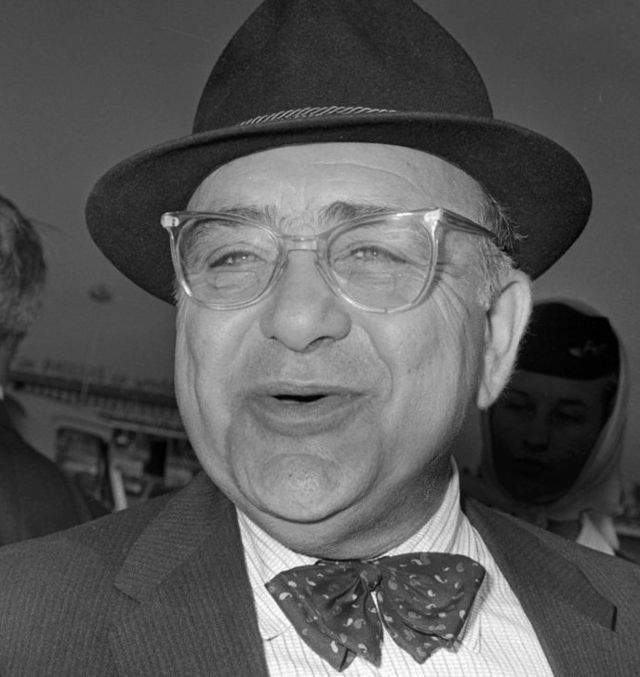
Tiresias (Akim Tamiroff)
Played by Akim Tamiroff
The aged seer who frames the drought and divine displeasure as consequences of neglecting Dionysus. He warns Pentheus of the god’s wrath, yet his counsel is strained by political calculations. His warnings link the fate of Thebes to the will of the gods.
- 🔮 Prophecy
- 🧙 Wise
- D(
Dirce (Taina Elg)
Played by Taina Elg
Pentheus’ fiancée who longs for a freer life and becomes entangled in love and duty. She intercedes to prevent Manto’s sacrifice, yet her feelings for Lacdamos complicate her choices. Her actions highlight the tension between personal desire and public responsibility.
- 💔 Love
- ⚖️ Duty
- P(
Pentheus (Alberto Lupo)
Played by Alberto Lupo
King of Thebes who distrusts Dionysus and tries to suppress the god’s cult to maintain order and harvests. His rigidity and fear of divine power drive him to extreme measures, setting the stage for his downfall as loyalties shift against him.
- 👑 King
- ⚔️ Authority
- M(
Manto (Alessandra Panaro)
Played by Alessandra Panaro
Daughter of Tiresias and a virgin consecrated to Demeter by prophecy. Her fate centers the prophecy and the city’s future, making her sacrifice a flashpoint for competing claims to Thebes’ throne and spiritual order.
- 🌟 Virgin
- 🕊️ Sacred
- L(
Lacdamos (Raf Mattioli)
Played by Raf Mattioli
Son of Ino, hidden as a servant to safeguard Thebes’ throne. He is revealed as the legitimate king and becomes Manto’s betrothed, triggering a upheaval that reshapes the city’s royal line.
- 👑 Heir
- 🛡️ Legitimacy
- D(
Dionysus (Pierre Brice)
Played by Pierre Brice
The god who descends to mortals, using ritual and revelation to unsettle authority. He manipulates events to expose true lineage and catalyze a shift in power, ultimately affirming divine rule over mortal kings.
- 🎭 God
- 🔥 Ferocity
- A(
Agave (Miranda Campa)
Played by Miranda Campa
Sister of Semele and mother of Pentheus, burdened by ancestral prophecy. She reveals Lacdamos’ existence and the prophecy about Manto to her son, weaving maternal and prophetic influences into the plot.
- 👩 Mother
- 🧭 Fate
- HP
High Priest ( Nerio Bernardi )
Played by Nerio Bernardi
The chief priest who orchestrates rites and interprets omens. He embodies religious authority and the mechanism of ritual power, challenged by Tiresias and Dionysus as political and divine forces collide.
- 🕯️ Religion
- 📜 Ritual
- P/
Pastore / Shepherd (Gérard Landry)
Played by Gérard Landry
A rural figure who represents the everyday life of the city’s outskirts, illustrating the social contrast with the urban court. He anchors the mythic world in the ordinary rhythms of Theban life.
- 🐑 Rural
- 🛖 Everyday
- SC
Slave Carrying Water (Gianni Di Segni)
Played by Gianni Di Segni
A water carrier embodying the city’s lifeblood, whose role underscores the drought’s impact on daily labor. The slave’s presence grounds the mythic drama in tangible, laboring life.
- 💧 Water
- 👀 Witness
Where and When Is The Bacchantes Set?
The Bacchantes is set in Thebes. Here is why the place matters to the story.
When
Set in a mythic ancient era around Thebes, the narrative blends royal court drama with Bacchic rites. The period is defined by prophecies, divine interference, and shifts of power rather than precise dates. The atmosphere moves between sacred mountaintop ceremonies and the palace, showing how mythic time shapes the fate of the city.
Where
Thebes
Thebes is depicted as the ancient Boeotian city where the story unfolds, birthplace of Dionysus and stage for royal intrigue. A brutal drought grips the city, fueling unrest and threatening harvests, setting the stage for clashes between tradition and divine power. The streets, temples, and hills become the backdrop for a struggle that weaves ritual ecstasy with political ambition.
- 🏛 Thebes
- 🌾 Drought
- 🎭 Greek tragedy
- 🗺️ Ancient city
What Are the Themes of The Bacchantes?
3 ideas the story keeps returning to, among them Power & Destiny, Prophecy and Ritual & Divinity.
-
01
Power & Destiny
Power is volatile and contested as rulers fear or court the will of the gods. The prophecy surrounding Lacdamos and Manto destabilizes Pentheus’s grip on Thebes and pushes him toward drastic measures. Dionysus uses ritual and revelation to reveal true authority, turning political power into a matter of fate.
-
02
Prophecy
Prophecy drives the plot, guiding choices and igniting conflict from the outset. Tiresias warns against hubris while a godly stranger unsettles political plans. The destined marriage and throne shift threaten stability, showing how knowledge of the future can be both guide and weapon.
-
03
Ritual & Divinity
Bacchic rites and sacred wine frame public life and private loyalties. Dionysus embodies the boundary between god and mortal, challenging Pentheus’s authority and revealing the power of collective ecstasy. The rituals propel political change and expose the fragility of civic order.
What Kind of Film Is The Bacchantes?
Dark in tone, with steady pacing and a moderate story, going by the plot summary.
- Tone
- Dark
- Pacing
- Steady
- Story
- Moderate
- Intensity
- Medium
- Ending
- Bittersweet
A mythologically-grounded, steadily paced drama steeped in fatalistic tension, depicting a city's desperate struggle against divine will, culminating in a transformative but uneasy resolution.
- mythological
- fatalistic
- tense
- passionate
- epic
- rebellious
- divine intervention
- fate vs free will
- religious conflict
- political usurpation
Content notes: human sacrifice, battle violence, political execution.
Quiz
How well do you remember The Bacchantes? Test yourself on the story.
