

What Is The Young Pope About?
The premise of The Young Pope in 339 words, with nothing given away. The full story follows below.
Within the hallowed walls of the Vatican, where tradition casts a shadow longer than any cathedral spire, Lenny Belardo ascends to the papacy as an unlikely choice—a young American cardinal from New York City who becomes Pope Pius XIII. His election stuns the established order, positioning him as both a beacon of hope for reformists and a threat to those accustomed to controlling the Church from behind velvet curtains. As the first pontiff born in the United States and the youngest in modern history, he steps onto the world stage carrying the weight of a billion souls and the burden of his own mysterious past.
The Vatican he inherits is a labyrinth of ancient rituals, whispered alliances, and power structures that have endured for centuries. Conservative cardinals watch with wary eyes, accustomed to guiding the Church along well-worn paths, while the Secretariat of State operates as a force unto itself. Into this tangled web steps a pope who refuses to play by the rules that governed his predecessors, signaling from his very first moments that his papacy will challenge everything the faithful thought they knew about spiritual leadership.
At his side stands Sister Mary, the nun who raised him, now thrust into a position of unprecedented influence within an institution not known for elevating women to positions of authority. Her presence serves as a reminder that behind the grandeur and ceremony, Pius XIII remains a man shaped by abandonment and longing—a leader whose outward certainty may mask inner turmoil. The tension between his public proclamations and private struggles hints at a more complex reality lurking beneath the white cassock.
As he navigates the treacherous waters of Vatican politics, Pius XIII must decide what kind of pope he will become: a revolutionary who upends centuries of tradition, or a shepherd who finds a way to bridge the divide between the modern world and ancient faith. The faithful wait, the cardinals scheme, and somewhere in the shadows, the man behind the title confronts questions that no council of bishops can answer.
What Happens in The Young Pope?
The complete story of The Young Pope, from the first scene to the last, in 394 words (about 2 minutes). Spoilers throughout. Names in the text link to 1 cast member page.
Spoilers ahead
A young cardinal from New York City, Lenny Belardo is elected pope as a compromise after the leading contenders fail to secure a clear victory in the papal conclave, taking the name Pius XIII. He instantly signals a willingness to rewrite how the Vatican operates, setting the tone for a dramatic clash with centuries of tradition.
Among his first bold moves is a public statement about the pope’s visibility and his relationship with the faithful: he decrees that ordinary people are not worthy to gaze upon the pope’s face, and he makes a stark appearance on the balcony of St. Peter’s Basilica, shrouded in darkness. This provocative entrance underscores his intent to redefine the papal image and authority.
With a new sense of direct influence over the church’s machinery, the pope proclaims that he will now become directly involved in the political affairs of the Vatican, effectively taking control of the Secretariat of State. The move unsettles the college of cardinals, who fear further upheaval to an institution steeped in tradition.
In response to the upheaval, he elevates the woman who raised him, the nun known as Sister Mary, to serve as his chief adviser, and he openly denounces several senior cardinals who oppose his approach. He also signals that he may confiscate the assets of various religious orders—most notably the Franciscans—if they refuse to submit to his leadership.
Continuing to wield symbolism as a tool of power, the pope orders the papal tiara of Pope Paul VI to be removed from display at a major shrine in Washington, D.C., and returned to the Vatican as his personal crown. The gesture is both a challenge to tradition and a statement of his unilateral authority over church ritual.
Desperate to curb the pope’s ambitions, the cardinals arrange a tense meeting with the Italian prime minister. The pope intimidates the official and hints at employing an archaic papal procedure that could urge Italian Catholics not to vote in elections, fueling concerns that he might be aiming to restore the Papal States.
Behind the political maneuvering lies a personal truth: the pope is grappling with a deep depression, and his sweeping actions appear driven by a need to confront the parents who abandoned him as a boy. In this tension between ambition and vulnerability, the story probes how power can mask and magnify a deeply human pain.
The Young Pope Timeline: Every Key Event in Order
12 key events in the order they happen, from “Election of compromise pope” to “Conclusion: personal pain shapes the legacy”. 12 events name a place, across 3 locations.
- 1
Election of compromise pope
Newly elected pope Lenny Belardo, a young cardinal from New York, becomes Pope Pius XIII after the conclave fails to produce a clear winner. He is installed as a compromise candidate, signaling a radical break with tradition from day one. His ascent unsettles the Vatican's power structure and foreshadows a volatile era.
When:Immediately after papal conclave Where:Vatican City
- 2
First public appearance in darkness
On the balcony of St Peter's Basilica, he appears shrouded in darkness and refuses to reveal his face to the crowd. He declares that common people are not worthy to gaze upon the pope, redefining the relationship between church and laity. The act immediately signals a new, austere image of the papacy.
When:First day of papacy Where:St. Peter's Basilica, Vatican City
- 3
Direct involvement in Vatican politics
During a high-level meeting with the Cardinal Secretary of State, the pope announces he will engage directly in Vatican politics, effectively taking control of the Secretariat of State. This move reframes the papacy as an active political office rather than a purely spiritual institution. It alarms the traditional power centers and sets up further confrontations.
When:Soon after taking office Where:Vatican City
- 4
Sister Mary appointed adviser; denounces cardinals
Belardo installs Sister Mary, the nun who raised him, as his chief adviser and publicly denounces several cardinals. The arrangement concentrates decision-making in a small inner circle loyal to him. The development deepens the rift between the pope and the entrenched Curia.
When:Shortly after Where:Vatican City
- 5
Threat to religious orders' properties
The pope threatens to confiscate all property of various religious orders if they do not accept his unquestioned leadership, with particular emphasis on the Franciscans. The threat is used to intimidate and consolidate his authority over religious houses and orders. It marks a dramatic expansion of papal prerogative into ownership and control of church assets.
When:Shortly after Where:Vatican City
- 6
Papal tiara moved from Washington to Vatican
He orders that Pope Paul VI's papal tiara be removed from the Basilica in Washington, D.C. and returned to the Vatican as his personal crown. The act is a bold symbol of his rejection of traditional ceremonial symbols and a claim of personal authority. It becomes one of the most visible signs of his break with longstanding norms.
When:During his tenure Where:Washington, D.C., United States
- 7
Cardinals arrange meeting with Italian PM
Cardinals arrange a meeting between the pope and the Italian prime minister as a last-ditch effort to rein him in. In the encounter, the pope bullies the PM and warns with the threat of archaic papal procedures that could target Italian Catholics not to vote. The scene illustrates how he weaponizes ecclesiastical power in the realm of politics.
When:During the crisis Where:Vatican City
- 8
Pope confronts PM and elections threat
Observers grow fearful that the pope intends to restore the Papal States as his temporal power expands. The concern intensifies as his political assertiveness clashes with secular authorities and reformist impulses. The era becomes defined by the tension between spiritual leadership and political ambition.
When:During the crisis Where:Vatican City
- 9
Depression revealed; actions driven by personal trauma
It is revealed that the pope is suffering from massive depression, and that his sweeping changes are driven by a need to prove himself and to cope with inner turmoil. His bold maneuvers, rather than simply spiritual reform, are colored by fear and personal pain. The revelation reframes his pontificate as a response to personal pain.
When:Later in the pontificate Where:Vatican City
- 10
Root cause: confronting his abandonment by parents
It is disclosed that his actions are rooted in a desire to confront the parents who abandoned him as a boy. The personal trauma behind his reforms casts his decisions in a new light for those inside and outside the Vatican. The conflict between personal pain and institutional power becomes the defining undercurrent of his leadership.
When:Later in the pontificate Where:Vatican City
- 11
Senior cardinals plot to curb the pope
Alarmed by his radical changes, several senior cardinals begin to coordinate a plan to curb him and steer the church away from dangerous ideas. The movement reflects a growing recognition within the Curia that unchecked power could destabilize the church. The plan signals a deepening internal struggle within the Vatican.
When:Early to mid pontificate Where:Vatican City
- 12
Conclusion: personal pain shapes the legacy
The summary suggests that the pope's reforms are overshadowed by depression and parental issues, implying that his extraordinary acts are driven by personal pain rather than purely theological aims. His legacy becomes a study of how inner turmoil can drive monumental institutional change. The narrative leaves the papacy defined by this tension between reform and personal suffering.
When:End of summary Where:Vatican City
Who Are the Main Characters in The Young Pope?
6 characters, among them Lenny Belardo (Jude Law), Sister Mary (Diane Keaton) and Cardinal Voiello: who each one is and the part they play in the story. Every profile links to the actor’s page.
-
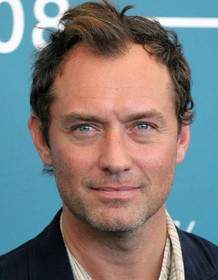
Lenny Belardo (Jude Law)
Played by Jude Law
A young cardinal from New York City who rises to the papacy as Pius XIII. He projects an austere, enigmatic image, shrouds himself in darkness, and weaponizes his charisma to reshape church politics. He is relentless, calculating, and willing to confront tradition and powerful figures to assert control.
- 👑 Power
- 🗳️ Politics
- 🕊️ Religion
-
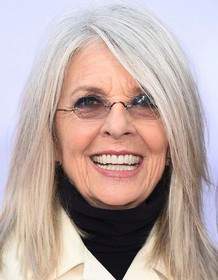
Sister Mary (Diane Keaton)
Played by Diane Keaton
Raised the pope in an orphanage and becomes his trusted adviser. She balances faith with pragmatism as she navigates the pope's unpredictable agenda. Her presence anchors the pope's emotional motivations and moral questions.
- 🙏 Faith
- 🤝 Advisory
- 🕊️ Compassion
- CV
Cardinal Voiello
Played by Silvio Orlando
A senior cardinal who plots to rein in the pope and steer Vatican politics. He embodies the factional maneuvering within the College of Cardinals and serves as a key antagonist to the pope's reforms.
- 🧭 Power
- 🗂️ Politics
- 🏛️ Church
-

Cardinal Gutierrez
Played by Javier Cámara
A cardinal who opposes the pope's sweeping changes and raises concerns about the implications for Church authority. He participates in the strategic resistance and political bargaining within the Vatican.
- 🧭 Power
- ⚖️ Authority
- 🕊️ Faith
- CD
Cardinal Dussolier
Played by Scott Shepherd
A cardinal involved in the plot to curb the pope's influence. He represents the collective caution within the Vatican and the fear of destabilizing church governance.
- 📊 Strategy
- 🕊️ Faith
- 🏛️ Authority
- CC
Cardinal Caltanissetta
Played by Toni Bertorelli
A cardinal who embodies the old guard's resistance to the pope's radical policy shifts. He contributes to the tension between reform and tradition.
- 🕰️ Tradition
- 🛡️ Conservatism
- 🕊️ Faith
Where and When Is The Young Pope Set?
The Young Pope is set in Vatican City, St. Peter's Basilica, Washington and D.C. (Early 2010s). Here is why the time and place matter to the story.
When
Early 2010s
Set in contemporary times, the events unfold within a modern papal governance framework. The pope's rise to power and the ensuing power struggles unfold against a backdrop of media scrutiny and international diplomacy. The timeline tracks from the pope's unlikely election to the dramatic steps he takes to reshape the Church.
Where
Vatican City, St. Peter's Basilica, Washington, D.C.
The story unfolds primarily within the Vatican City, the spiritual and administrative heart of the Catholic Church. It centers on the papacy's public face, the balcony of St. Peter's Basilica, and the inner corridors where church politics are negotiated. The plot also reaches Washington, D.C., when the pope directs the return of a papal symbol from the U.S. capital to the Vatican.
- ⛪️ Vatican City
- 🕊️ Religion
What Are the Themes of The Young Pope?
3 ideas the story keeps returning to, among them Power, Tradition and Trauma.
-
01
Power
A young pope asserts direct control over the Vatican's machinery, challenging the traditional balance of influence within the Holy See. The narrative explores how leadership can be used to push through reform and consolidate authority. It questions who truly holds power when innovative leadership meets entrenched clerical interests.
-
02
Tradition
The pope's radical reinterpretation of rules and customs pits reform against established rites. Senior cardinals mobilize to preserve the Church's institutional continuity while facing a leader who dismisses idle deference. The clash reveals the fragility of long-standing structures when confronted with audacious change.
-
03
Trauma
The pope's depression and fixation on his painful past drive many of his decisions. His personal wounds, including abandonment by his parents, surface as he seeks to redefine his identity and power. The narrative links inner turmoil with outward political gambits, showing how private pain fuels public authority.
What Kind of Film Is The Young Pope?
Dark in tone, with steady pacing and a moderate story, going by the plot summary.
- Tone
- Dark
- Pacing
- Steady
- Story
- Moderate
- Intensity
- High
- Ending
- Mixed
An intense and dark character study of a pontiff whose revolutionary zeal masks a deep depression, creating a claustrophobic atmosphere of political intrigue and psychological unraveling within the Vatican.
- power-hungry
- claustrophobic
- melancholic
- authoritarian
- lonely
- mysterious
- religious leadership
- childhood trauma
- political maneuvering
- institutional corruption
Content notes: abandonment, depression, psychological manipulation.
