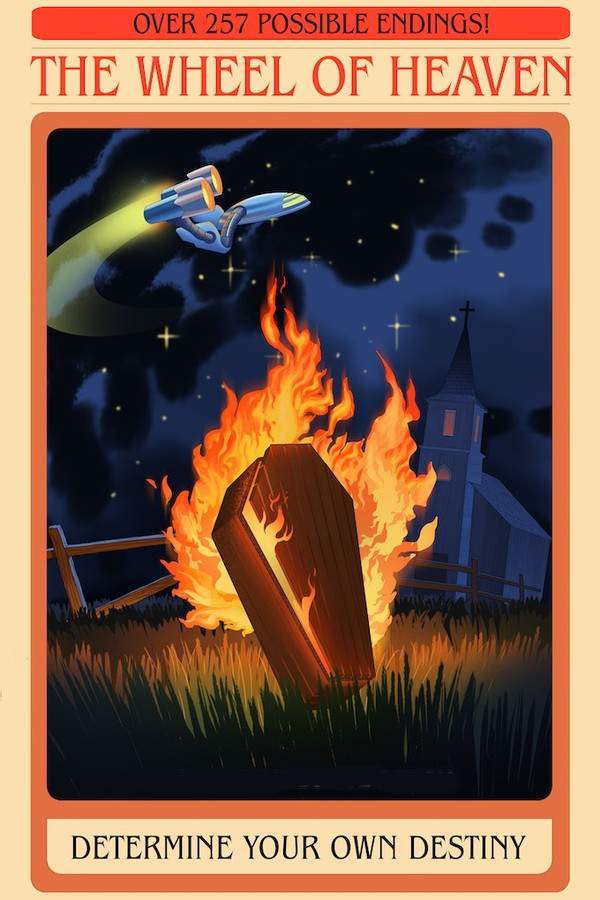
The Wheel 2022


Directed by
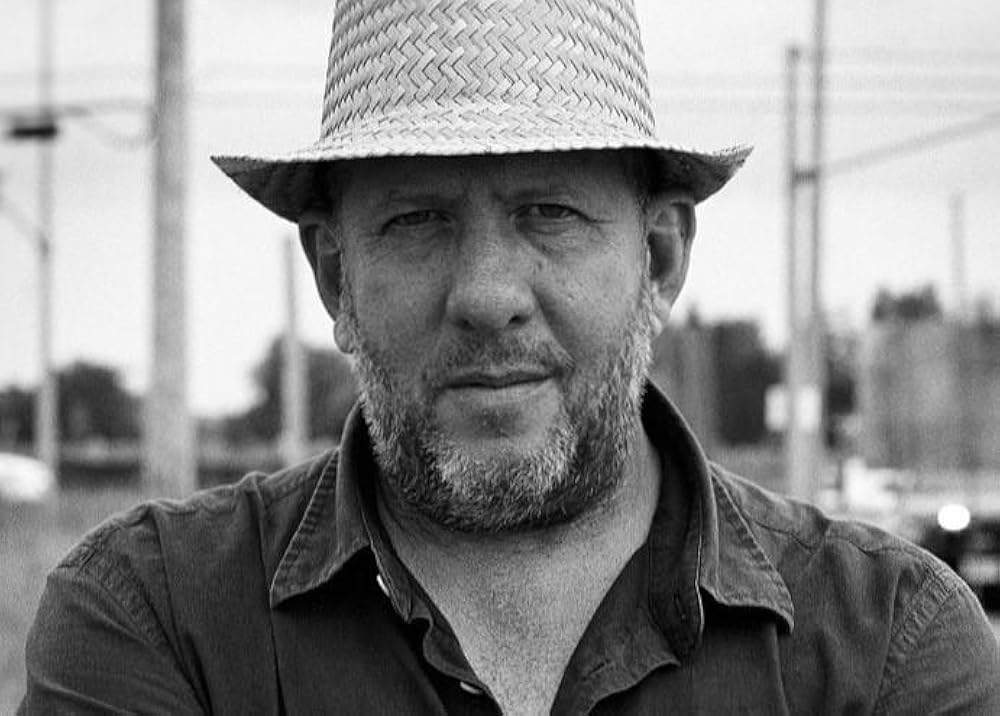
Steve Pink
Made by

Quiver Distribution
Where to Watch The Wheel
See current US streaming, rental, and purchase options for The Wheel (2022) via JustWatch.

Amazon Prime Video
HD
Amazon Prime Video with Ads
HD
Fawesome
HD
Hoopla
SD
Kanopy
HD
Amazon Prime Video Free with Ads
HD
Plex
HD
Plex Channel
HD
Tubi TV
SD
YouTube Free
HD
Amazon Video
SD
Apple TV Store
HD
Fandango At Home
SD
Google Play Movies
SD
YouTube
SD Streaming availability powered by 
The Wheel Plot Summary
Read the complete plot summary and ending explained for The Wheel (2022). From turning points to emotional moments, uncover what really happened and why it matters.
Albee Amber Midthunder and Walker Taylor Gray head to a lakeside Airbnb for a weekend designed to repair their strained relationship with the help of a self‑help book called Seven Questions to Save Your Marriage. Their drive and the quiet tension between them set the tone: Walker makes earnest attempts to connect, while Albee remains wary and unsettled, unwilling to dig into the deeper wounds that have pushed them to this point.
The cabin by the water introduces Carly [Bethany Anne Lind], the warm host, whose own wedding plans with Ben [Nelson Lee] loom in the background. Carly’s openness contrasts with Albee’s careful guard, and Ben’s easygoing humor hints at a gentler future that might be possible elsewhere. The moment Carly and Ben appear is a reminder that not everyone’s relationship is broken in the same way, and that support systems can come from unexpected places.
“I’m not there.”
Albee’s clipped honesty after a fight lands like a bolt, signaling that even small gestures—like Walker offering a glass of champagne—are loaded with history and caution. The couple’s attempt to use the book to guide their conversations is interrupted by real life, by past traumas, and by the steady pull of the people around them who are also navigating love in imperfect lights.
As the morning unfolds, Walker’s quiet longing for closeness clashes with Albee’s need for space. The scene between Carly and Ben at the woodshed—where talk of an altar and a wedding is mingled with Ben’s skepticism about inviting guests to a fragile moment—highlights a central tension: good intentions aren’t always enough when trust is frayed. Ben’s blunt stance—“Bad relationships are contagious”—lands with a sting, even as he tries to help.
The group lunch becomes a turning point. Albee reveals the lingering ache that the book can’t easily fix, while Walker’s increasingly tense demeanor suggests he’s ready to break the hospital strictures of their story and admit what hurts. The moment when Ben overhears and calls Albee a monster lands with a sharp jolt, pushing everyone to confront how hurt and defensiveness can masquerade as truth. Carly pushes back, insisting that this is exactly the kind of honesty the weekend needs.
With the book back in the center stage, the four of them move through the next questions, the atmosphere alternating between play and pressure. When the page asks about the first time you felt wounded by your partner, each person’s memory surfaces in blunt, painful honesty. Albee recalls not a grand betrayal but a long pattern of hurt that shaped how she loves, while Walker confronts his own fear of not being enough. The moment when Walker takes Albee’s buzzing phone and tosses it into the lake becomes a symbol: the couple must decide whether to drain the noise or let it drown out what matters most.
By nightfall, the couple’s dynamics have shifted. Albee discovers Walker’s notes tucked in the book—reminders to be patient and kind, hints of a better version of themselves that he wanted to offer her. The next morning, Walker’s progress on a wooden altar—an emblem of rebuilding and commitment—signals a different possibility for their relationship, even as the two remain wary.
The day intensifies as Albee and Walker each try to reach a place where vulnerability doesn’t feel like a risk, and where love can be spoken without fear. Carly, after a breakfast tray delivery, reads the room and weighs in on how far Ben’s still from the life they imagine together. The trio’s attempts to stay together for the sake of the weekend collide with the reality that someone must change first.
A pivotal moment comes at the ferris wheel, where the couple finally allows real, hurtful truths to surface and then to soften. On the ride, Albee opens up about her trauma and the fear of being unlovable, while Walker forgives enough to be honest about his own need to feel seen. Their exchange shifts from defense to care: they acknowledge the ugliness and the tenderness that coexist in their love. She admits to loving him, even if she has trouble expressing it well, and he offers the quiet, generous gesture of fries from a nearby vendor—an ordinary act that signals ordinary, lasting connection. The ride slows, the tension eases, and the two choose to stay connected rather than walk away.
In the end, the film returns to the core idea that healing isn’t a single decision, but a continuing choice to show up for one another. The credits roll on a scene of renewed, fragile hope: a couple who have survived a volatile weekend find a way to keep talking, keep listening, and keep choosing each other through the fears that still live inside them. The book remains a device—a catalyst rather than a cure—and what remains most clear is that truth, patience, and acts of everyday care are what ultimately bind two people who have learned to love each other through the long work of being seen.
The Wheel Timeline
Follow the complete movie timeline of The Wheel (2022) with every major event in chronological order. Great for understanding complex plots and story progression.
Arrival at the Airbnb
Walker and Albee arrive at a lakefront Airbnb to test their relationship with a self-help book. The couple is tense from the start, showing few habits of open communication. The setting by the wooded lake underscores the isolation and intensity of what lies ahead.
Carly and Ben are introduced
Host Carly and her fiancé Ben are introduced as a hopeful couple preparing for their wedding. Their warmth contrasts with Walker and Albee’s friction, highlighting different relationship dynamics. Carly signals that the weekend will include honest conversations with others present.
The Seven Questions focus
Albee bluntly explains why they came, signaling unresolved issues and a reluctance to address root problems. Walker persists in reaching out, but she rebuffs him, indicating she isn't ready to engage. The book is framed as a potential catalyst for change, even as trust remains fragile.
Champagne gesture and distance
Walker offers two glasses of champagne in a bid to reconnect, but Albee declines and asks what would happen if the weekend fails. The moment underscores a longing for closeness tangled with fear of vulnerability. He withdraws back to the room, leaving the couple apart.
Couch night and seeking signal
Walker spends the night on the couch while Albee remains emotionally distant. He makes a gentle romantic overture, which she deflects, then she goes off to find a phone signal. They are physically near but emotionally apart, foreshadowing further conflict.
Morning breakfast and wedding talk
Carly brings a breakfast tray to the guests and discusses wedding plans with Ben, including the altar's progress. Ben worries aloud about whether Carly really trusts him and about how relationships can become contagious. The breakfast setting reinforces the tension simmering beneath cheerful hospitality.
Ben overhears the fight
Ben approaches the cabin and overhears the heated exchange sparked by the first question in the book. The moment reveals how quickly a probing memory can escalate into blame. An outsider’s presence intensifies the couple’s conflict, exposing deeper wounds.
Lunch with the guests and the tension
During lunch with the guests, Albee and Walker’s tension remains evident, and Carly tries to shepherd conversation. Albee notes she and Walker aimed to do the book together but diverged, while Ben remains skeptical about the interruption to plans. The meal becomes a test of staying civil under strain.
The questions resume; past hurts exposed
Back with the book, the next prompts require honesty about hurt. Ben shares his own memory of feeling hurt by a craft gift, while Albee needles Carly about trust. Walker tries to steer the discussion, but the emotional climate grows increasingly charged.
Honeymoon memory and the lake confrontation
Albee recounts the honeymoon moment when Walker struggled to perform, and she admits she did not feel loved. Walker accuses her of lying about her feelings, producing a painful exchange. In a volatile gesture, he tosses her phone into the lake to stop the distraction and push for a real conversation.
The altar work and the breakup
The next morning, Walker finishes the altar scene, a concrete act of his contribution. Albee confirms they broke up last night, and Carly and Ben react with mixed feelings. Walker asks to stay, but the emotional toll has left Albee uncertain.
Walker’s stand and lactose pills reveal
Albee realizes Walker told Carly and Ben about her troubled childhood, triggering a volatile reaction. She storms off, and Carly hurries to drive Walker toward the bar. The emotional fault lines broaden beyond the cabin as secrets spill outward.
Bar confrontation and a moment of distance
At the bar, Albee flirts with a stranger, then halts as old wounds resurface. The renewed distance prompts them to seek a safer space to talk, with the bar as a transitional backdrop. The couple challenges the impulse to run away again.
Ferris wheel breakthrough and fries
On a ferris wheel ride, they finally break through their defensive barriers and speak honestly from the heart. They acknowledge love, trauma, and the fear of being unlovable, and both commit to trying differently. Walker returns with fries to share, and Albee cracks a relieved smile as the moment of reconciliation settles in.
The Wheel Characters
Explore all characters from The Wheel (2022). Get detailed profiles with their roles, arcs, and key relationships explained.
Ben (Nelson Lee)
Ben is Carly's fiancé, practical and blunt, often probing for what is real in a relationship. He can be sarcastic and emotionally distant, especially toward Albee, and he resists vulnerability. His tough exterior masks his own insecurities about love, commitment, and the future. He also pushes for tangible progress, including the altar project, but his judgments complicate the group dynamics.
Albee (Amber Midthunder)
Albee is Walker's wife, guarded and quick to shield her inner wounds. She is wary of being truly seen and fears that love will expose her trauma. Her blunt honesty cuts both ways, triggering conflict but also revealing a longing for safety and connection. She learns to offer vulnerability despite her fear of being unlovable.
Walker (Taylor Gray)
Walker is Albee's husband, patient and hopeful, using the book as a framework to reach her. He earns trust through steady, gentle persistence and acts of care, like sharing meals and initiating conversations. He is capable of hurt when betrayed but remains committed to honest dialogue and rebuilding affection. His ultimate aim is to break through the barriers that fear and trauma create.
Carly (Bethany Anne Lind)
Carly is the warm-hearted host with a practical sensibility, trying to foster connection while balancing her own wedding tensions. She wants kindness and inclusion but worries about the consequences of spreading tension among friends. Her own doubts about the wedding reflect the ambiguity of love and commitment that threads through the weekend.
Ferris Wheel Attendant (Sean Crampton)
A minor but symbolic presence, the attendant operates the ferris wheel that frames the couple's last, pivotal conversation. He provides a quiet backdrop to a moment of vulnerable exchange and decision.
Joan (Carly Nykanen)
Joan appears as a guest in Carly's circle, adding to the social dynamic during gatherings. Her presence helps illuminate the couples' interactions and the lovers' tensions in a social setting.
Aaron (Kevin Pasdon)
Aaron appears as part of the broader group around the cabin, contributing to the social atmosphere and occasional tension that underscores the main couple's struggles.
Clerk (Molly Gilula)
Molly Gilula's Clerk character fills out the cabin's setting, providing small touches of ordinary life that contrast with the intense relationship drama.
The Wheel Settings
Learn where and when The Wheel (2022) takes place. Explore the film’s settings, era, and how they shape the narrative.
Time period
Present day
Set in present day, the story uses modern elements like a self-help book, a cell phone, and social interactions to frame the relationship drama. The weekend at the cabin evolves into a social experiment to fix a strained marriage. The setting amplifies emotional stakes as the characters confront past trauma, loyalty, and the fear of heartbreak. Communication unfolds in real time through dialogue and charged silences along the lake.
Location
Lakeside cabin by the lake, wooded area
The action centers on a lakeside cabin Airbnb set in a wooded, secluded area. A dock, a small canoe, and the surrounding forest create an intimate stage for the couple's conversations. The hosts, Carly and Ben, are nearby, and the location becomes a testing ground for honesty, vulnerability, and rekindling love.
The Wheel Themes
Discover the main themes in The Wheel (2022). Analyze the deeper meanings, emotional layers, and social commentary behind the film.
💬
Communication
The film centers on how honest dialogue can heal or deepen wounds. The seven questions act as catalysts for painful truths and fragile vulnerability. Avoidance, sarcasm, and unresolved history challenge every exchange, until moments of openness change the dynamic. The ferris wheel conversation becomes a turning point that exposes true feelings.
🧠
Trauma & Healing
Albee's guarded past drives her resistance to intimacy and truth. Walker's patience and readiness to listen create space for healing, even when progress feels slow. The weekend gradually reveals hidden pain and tests the couple's willingness to grow together. Healing arises from facing trauma rather than masking it with humor.
💞
Love & Growth
The relationship shifts from defensiveness to tentative trust as both partners reveal vulnerabilities. The couple's efforts culminate in renewed commitment, even while questions remain about their future. The project of building an altar and the shared experiences on the lake symbolize their evolving bond. By the end, they choose to stay and work on the relationship with a new honesty.
🔎
Truth & Accountability
The narrative forces the characters to confront hurtful truths instead of masking them with humor. Ben's harsh remark about Albee and the tensions at lunch trigger deeper examinations of trust and intent. The finale on the ferris wheel reveals how accountability and candidness can redefine a relationship's course. Truth-telling becomes the path to possible reconciliation.

Coming soon on iOS and Android
The Plot Explained Mobile App
From blockbusters to hidden gems — dive into movie stories anytime, anywhere. Save your favorites, discover plots faster, and never miss a twist again.
Sign up to be the first to know when we launch. Your email stays private — always.
Explore the mobile appThe Wheel Spoiler-Free Summary
Discover the spoiler-free summary of The Wheel (2022). Get a concise overview without any spoilers.
In a quiet lakeside setting, a young couple retreats to an intimate Airbnb in hopes of mending the frayed edges of a marriage that began when they were barely adults. Their shared history is a tapestry of early devotion and the weight of responsibilities that have steadily shifted from affection to unease. The weekend is guided by a self‑help book promising “seven questions” to save a partnership, turning the secluded cabin into both a sanctuary and a crucible for honest conversation.
Walker arrives with the earnest belief that deliberate effort and gentle gestures can rekindle the spark that once defined their bond. Across from him, Albee carries a guarded skepticism, her lingering doubts about the future of their shared life surfacing in quiet moments and guarded glances. Their host, Carly, exudes a warm, supportive presence, her own forthcoming wedding offering a gentle counterpoint to the couple’s tension. Alongside her, Ben provides a light‑hearted, if slightly cynical, perspective on love’s complexities, hinting that even the best‑intentioned efforts can be tangled by personal histories.
The tone of the film lingers between tender introspection and an undercurrent of restless anxiety, inviting viewers into a space where everyday rituals—shared meals, quiet walks, and the ritual of reading together—are amplified by the stakes of a young marriage on the brink. As the characters navigate the delicate balance between vulnerability and protection, the retreat becomes a reflective mirror, suggesting that the true challenge lies not in a single answer but in the ongoing choice to listen, to be seen, and to keep reaching for connection amidst uncertainty.
Featured on this page

What's After the Movie?
Not sure whether to stay after the credits? Find out!
Check out our other apps:

SAT Sphere
Build confidence for the Digital SAT.

Mori Atlas
Discover wild places worth protecting.

Luntero
Search smarter for a home in Amsterdam.

Plot Explained
Unravel movie endings and hidden clues.

Pokechamp
Dive into Pokémon data and battle logic.

Driving Theory
Get ready for your European theory test.

Movie Dust
Plan your next cinema trip with ease.

Musemap
Find art and culture as you travel.

Selkobase
Compare credentials before committing.

Local Manual
Turn an unfamiliar country into practical next steps.

Lernavi
Compare school systems before your next move.

GymRoam
Find a workout stop wherever your plans take you.
Explore Our Movie Platform
New Movie Releases (2026)
Famous Movie Actors
Top Film Production Studios
Movie Plot Summaries & Endings
Major Movie Awards & Winners
Best Concert Films & Music Documentaries
Movie Collections and Curated Lists
© 2026 What's After the Movie. All rights reserved.
Privacy Policy