
The Wet Parade 1932

Directed by
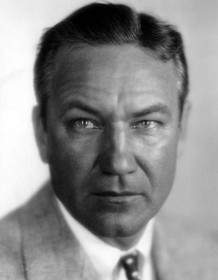
Victor Fleming
Made by

Metro-Goldwyn-Mayer
The Wet Parade Plot Summary
Read the complete plot summary and ending explained for The Wet Parade (1932). From turning points to emotional moments, uncover what really happened and why it matters.
In 1916, a Louisiana family is reshaped by trouble and alcohol. Maggie May Chilcote watches over her heavy-drinking father, Roger Chilcote, helping him in small, steady ways—tying his shoes, pulling him back from public spectacles, and carrying him through the worst of his escalations. Roger’s life spirals into a destructive mix of drinking and gambling that drains most of the family’s money. In the grip of withdrawal, he takes his own life. At the funeral, friends toast him, but Maggie makes a quiet vow to fight the scourge of alcohol abuse that took him from them.
Meanwhile, Maggie’s brother, Roger Chilcote, Jr., a young writer, heads to New York City after his novel is accepted. His college friend, Jerry Tyler, a newsroom keeper of stories, rents him a room in the modest hotel where he stays. The hotel is run by the troubled, often reckless hands of Pow Tarleton, a man who has wasted his family’s resources on drink, with his wife, Bertha Tarleton, and their son Kip Tarleton managing the place. Pow’s political zeal and drink are bound together as he stumps for Woodrow Wilson’s reelection while keeping the drinks flowing and the family strained.
World War I interrupts ordinary life; the war ends and the 18th Amendment becomes law in 1919 despite President Wilson’s veto, reshaping the social landscape that Maggie and the Tarleton clan inhabit. Maggie May travels to the hotel to meet her brother, where a flirtatious Pow mistakes her for a prostitute and leads her to Roger’s room. Kip rushes upstairs to eject her, but his anger cools and he learns the truth. Roger discovers that Pow has replaced all of his liquor with water, a cruel substitute that underscores the era’s paradoxes. Maggie May realizes that she and Kip are fighting the same battle, and their shared resolve draws them closer. The siblings visit relatives on Long Island, trying to distance themselves from temptation.
On June 29, 1919, a wave of prohibition-fueled secrecy and drinking culminates at a lavish family party. Roger is smitten with actress Eileen Pinchon during a night when the cousins’ bar—stocked by a boat from Bermuda—seems to promise anything. Bertha Tarleton’s attempt to seize a bottle triggers a brutal turn; Pow breaks her, and she dies amid the sounds of Prohibition being declared in earnest. Pow is sentenced to life imprisonment as the consequences of the era’s laws begin to take their toll. Kip rejects renewing the hotel lease, leaving guests to wonder how to move the liquor stored in their rooms. Maggie May comforts Kip, and a confession of love follows. The couple marry, and Kip joins the U.S. Department of the Treasury, stepping into a country-wide struggle against bootleggers.
Kip’s boss, Major Randolph, doesn’t fully embrace Prohibition yet enforces it with limited resources. He pairs Kip with Abe Shilling, a seasoned, idiosyncratic agent. In a bar, the two watch teenagers drink; their cover is blown, and they’re beaten and thrown out. A warning comes from a crook: bootleggers are forming an organized network. Maggie reveals to Kip that she is pregnant, adding a personal stake to the turbulent national scene.
Across the country, bootlegger networks expand, funded by the bribes and power of big business. At Eileen Pinchon’s speakeasy, Abe announces a raid, and the police smash the club. Roger—now a major investor in the club—wakes up sick and blind. An ophthalmologist explains that similar cases have risen since Prohibition began; methyl-laced alcohol is a cruel weapon. Roger moves in with Kip and Maggie and takes up Braille, confronting a world he can no longer see.
Kip vows to seek justice for Roger. The Major signs the warrant, but he argues that Prohibition’s failures run deeper than enforcement. With Maggie about to give birth, Kip is kidnapped from the hospital by gangsters who intend to use him as a warning. Abe saves him but is shot, dying in Kip’s arms and urging him to quit the department and prioritize his family. At the hospital, Kip gazes at his newborn son and speaks a stark line about the era they’ve entered: “born into an awful mess…Before they pull him into it, I guess they’ll have it all figured out.”
born into an awful mess…Before they pull him into it, I guess they’ll have it all figured out.
Book was read by Mahatma Gandhi while in Erawada jail
The Wet Parade Timeline
Follow the complete movie timeline of The Wet Parade (1932) with every major event in chronological order. Great for understanding complex plots and story progression.
Maggie vows to fight alcohol abuse
In 1916, Maggie May Chilcote cares for her heavy-drinking father Roger and helps him through his withdrawal. Roger's drinking and gambling spree drains the family money, and in the agony of withdrawal he takes his own life. After the funeral, Maggie vows to fight the scourge of alcohol abuse.
Roger Jr. moves to New York and checks into a family hotel
Roger Jr., a writer, relocates to New York City after his novel is accepted. His college friend Jerry Tyler rents a room in a modest hotel run by Pow Tarleton and his wife Bertha, with Kip helping manage it. The hotel becomes a crossroads of Prohibition-era temptations.
Jerry enlists; Prohibition becomes law
Jerry enlists to fight in World War I. After the war ends, the 18th Amendment becomes law in 1919 despite Wilson's veto, setting the stage for nationwide prohibition.
Maggie arrives at the hotel; Pow's deception
Maggie May comes to the hotel to meet her brother and is escorted to Roger's room by Pow Tarleton, who assumes she is a prostitute. Kip rushes upstairs to remove her, shocked to learn the truth. Roger discovers Pow has replaced his liquor with water, a cruel ploy highlighting early Prohibition-era hypocrisy.
Maggie and Kip bond; Long Island visit
Maggie May realizes she and Kip share the same battle against temptation, and the two grow closer. They visit relatives on Long Island, hoping to stay far from temptation. The trip cements their relationship amid the era's pressures.
June 29, 1919: a night of hoarded liquor and Eileen
On June 29, 1919, many hoard liquor and drink as much as possible before midnight. At a lavish party thrown by the Chilcotes' cousins, their bar is stocked by a boat from Bermuda, and Roger is smitten with actress Eileen Pinchon. The night marks a turning point in personal and public temptations surrounding Prohibition.
Bertha's death; Pow's conviction
Bertha tries to wrest a bottle away from Pow; when it breaks, he beats her to death. Maggie May comforts the devastated Kip. Pow is sentenced to life imprisonment for the murder. This tragedy underscores the violence that prohibition exacerbates.
Maggie and Kip marry; Kip joins the Treasury
Kip does not renew the hotel lease; Maggie comforts him and they confess their love. They marry, and Kip joins the U.S. Department of the Treasury to enforce Prohibition from a federal angle. Personal and political futures become entwined.
Major enforces Prohibition; Kip paired with Abe
Kip's boss, the Major, does not fully believe in Prohibition but will enforce it with limited resources. He pairs Kip with Abe Schilling, a seasoned agent. In a bar, they watch teenagers drink; their cover is blown, they are beaten and ejected, and a crook warns that bootleggers are forming an association.
Maggie learns she is pregnant
Maggie tells Kip that she is pregnant, which tightens the personal stakes in their ongoing war against bootleggers and corrupt officials. Across the country, gangsters organize with bribery and terror, backed by business interests seeking palpable profits from the illicit liquor trade.
Eileen's raid; Roger's illness begins
Abe announces a raid on Eileen's glamorous speakeasy, and the cops smash the club. Roger, now a major investor in the club, is shaken and later falls sick and goes blind from what doctors say is methyl alcohol poisoning in bootleg liquor. He moves in with Kip and Maggie and learns braille.
Kip vows justice; Major's futile mission
Kip promises justice for Roger as the Major signs a warrant, yet openly acknowledges that the effort feels futile given limited resources. With Maggie about to give birth, the stakes rise and the fight intensifies rather than diminishing.
Kip is kidnapped; Abe dies heroically
Gangsters kidnap Kip from the hospital where his wife is about to give birth. Abe Schilling rescues him but is shot and dies in Kip's arms, urging him to quit the Treasury and protect his family. Kip looks at his tiny son, born into an awful mess, and wonders how much longer the chaos will continue.
Gandhi reads the book in jail
The summary notes that Mahatma Gandhi read the book while in Erawada jail, linking the Prohibition-era struggle to broader anti-colonial resistance and moral reform. The reference situates the film's themes within a wider historical conscience.
The Wet Parade Characters
Explore all characters from The Wet Parade (1932). Get detailed profiles with their roles, arcs, and key relationships explained.
Maggie May Chilcote
A determined, compassionate woman who cares for her family and becomes a moral anchor as Prohibition destabilizes their lives. After her brother's death, she vows to fight alcohol abuse and guides those around her toward steadier paths, including her partnership with Kip and her evolving relationship with a world turned upside down.
Roger Chilcote
Maggie May's father, a heavy drinker whose decline destabilizes the family. His withdrawal ends in suicide, a turning point that motivates Maggie May to oppose alcohol abuse and advocate for reform and resilience.
Kip Tarleton
Pow Tarleton's son who runs the hotel and later joins the U.S. Treasury to combat bootlegging. He pursues a life with Maggie May, faces danger from criminal networks, and ultimately embraces responsibility and family.
Pow Tarleton
A hotel owner whose family participates in the Prohibition-era economy; his actions, sometimes harsh, illuminate the violence and moral ambiguity of the time as families try to survive the changes Prohibition brings.
Eileen Pinchon
A glamorous nightclub figure involved in the speakeasy scene; her relationship with Roger and her own ambitions illuminate the allure and danger of celebrity culture during Prohibition.
Abe Shilling
A veteran Prohibition agent who partners with Kip to raid speakeasies; his dedication and eventual death underscore the personal costs borne by those enforcing the law.
Bertha Tarleton
Pow Tarleton's wife, whose attempt to retrieve illicit liquor leads to brutal violence and a pivotal tragedy that starkly highlights the era's brutal costs.
Major Randolph
Kip's federal superior who embodies the push to enforce Prohibition despite resource constraints and public skepticism about its effectiveness.
Jerry Tyler
A college friend and journalist who anchors social life at the hotel; his WWI service and career reflect the era's news culture and the tension between vice and virtue.
Evelyn Fessenden
Supportive, social presence in the hotel circle; part of the broader social web of Prohibition-era New York that frames the story's events.
The Wet Parade Settings
Learn where and when The Wet Parade (1932) takes place. Explore the film’s settings, era, and how they shape the narrative.
Time period
1916-1920s
The story begins in 1916 and follows through the Prohibition era, including the enactment of the 18th Amendment in 1919. It moves through World War I years and into the early 1920s, when bootlegging and speakeasies dominate social life. The timeframe highlights the clashes between reform, celebrity culture, and criminal networks that defined the era.
Location
Louisiana, New York City, Long Island
Louisiana serves as Maggie May's home and the starting point for family life, before the narrative moves north. The action centers on a hotel on Long Island and the vibrant social scene of New York during Prohibition, with speakeasies, bribes, and bootlegging at the core. The settings shift from rural roots to urban temptations, reflecting the era's contrasts and the reach of prohibition across the country.
The Wet Parade Themes
Discover the main themes in The Wet Parade (1932). Analyze the deeper meanings, emotional layers, and social commentary behind the film.
🚫
Prohibition
Prohibition drives both action and tragedy, turning rooms into fronts for illicit trade and intensifying conflicts over liquor. The film shows speakeasies, raids, and bootlegging lives hooking into politics and business. It exposes the human costs of banning alcohol, from violence to broken families, as laws collide with desire.
💪
Family & Resilience
Maggie May stands as the moral center, choosing to fight the scourge of alcohol abuse after her brother's death. Kip and Maggie build a life together, balancing love, duty, and the dangers of Prohibition-era temptations. The family endures tragedy and triumph, illustrating personal growth amid societal upheaval. Their bond becomes a quiet form of resistance against a chaotic era.
⚖️
Crime & Corruption
Bootlegging networks, bribery, and organized crime permeate the period, challenging honest enforcement. The film contrasts glamorous speakeasies with brutal violence, showing how wealth and power can corrupt justice. It also reveals the limits of law enforcement's reach when profit and politics intersect.

Coming soon on iOS and Android
The Plot Explained Mobile App
From blockbusters to hidden gems — dive into movie stories anytime, anywhere. Save your favorites, discover plots faster, and never miss a twist again.
Sign up to be the first to know when we launch. Your email stays private — always.
Explore the mobile appThe Wet Parade Spoiler-Free Summary
Discover the spoiler-free summary of The Wet Parade (1932). Get a concise overview without any spoilers.
In 1916 Louisiana, the swell of temperance sentiment is already a palpable undercurrent, casting a restless glow over bustling towns and quiet farms alike. The film drifts between the opulent parlors of the Chilcotes and the modest, hard‑won stead of the Tarletons, using the looming specter of Prohibition to tint every conversation, every toast, with a mixture of hope and foreboding. The atmosphere is both lyrical and tense, a portrait of an America on the brink of a moral and legal overhaul that will ripple through every household.
Maggie May Chilcote tends to her father Roger Chilcote’s daily unraveling, quietly stitching together moments of steadiness amid his worsening dependence on drink and gambling. Her resolve is mirrored by her brother Roger Chilcote, Jr., a fledgling writer whose acceptance into the New York literary scene sends him away from the family estate, where he shares a room with the earnest reporter Jerry Tyler. Their youthful optimism collides with the shadow of the family’s hidden struggles, setting up a personal quest that will echo the larger social battle.
Across the state, Pow Tarleton runs a modest hotel with his wife Bertha Tarleton and son Kip Tarleton, their lives swayed by political rallies for Woodrow Wilson and the ever‑present allure of the bottle. Pow’s charismatic but reckless approach to both politics and drink frames the Tarleton household as a microcosm of a diligent family caught in the pull of an industry that promises both escape and ruin. Their small enterprise becomes a nexus where the personal and the political intersect, hinting at the broader clash between tradition and reform.
As the 18th Amendment looms, the two families find themselves drawn together by circumstance and shared conviction. Their intersecting paths—marked by quiet vows, tentative alliances, and the ever‑present hum of an era’s moral debate—create a rich tapestry of tension and tenderness. The tone stays intimate yet expansive, suggesting that the true battle may be less about law and more about the stubborn, human desire to protect what matters most in a world where the very act of drinking has become a matter of national conscience.
Movies with Similar Twists and Themes
Uncover films that echo the narrative beats, emotional arcs, or dramatic twists of the one you're exploring. These recommendations are handpicked based on story depth, thematic resonance, and spoiler-worthy moments — perfect for fans who crave more of the same intrigue.


Featured on this page

What's After the Movie?
Not sure whether to stay after the credits? Find out!
Check out our other apps:

SAT Sphere
Build confidence for the Digital SAT.

Mori Atlas
Discover wild places worth protecting.

Luntero
Search smarter for a home in Amsterdam.

Plot Explained
Unravel movie endings and hidden clues.

Pokechamp
Dive into Pokémon data and battle logic.

Driving Theory
Get ready for your European theory test.

Movie Dust
Plan your next cinema trip with ease.

Musemap
Find art and culture as you travel.

Selkobase
Compare credentials before committing.

Local Manual
Turn an unfamiliar country into practical next steps.

Lernavi
Compare school systems before your next move.

GymRoam
Find a workout stop wherever your plans take you.
Explore Our Movie Platform
New Movie Releases (2026)
Famous Movie Actors
Top Film Production Studios
Movie Plot Summaries & Endings
Major Movie Awards & Winners
Best Concert Films & Music Documentaries
Movie Collections and Curated Lists
© 2026 What's After the Movie. All rights reserved.
Privacy Policy