
The Titfield Thunderbolt 1953

Directed by
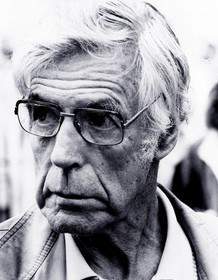
Charles Crichton
Made by

Michael Balcon Productions
Where to Watch The Titfield Thunderbolt
See current US streaming, rental, and purchase options for The Titfield Thunderbolt (1953) via JustWatch.



Streaming availability powered by 
The Titfield Thunderbolt Plot Summary
Read the complete plot summary and ending explained for The Titfield Thunderbolt (1953). From turning points to emotional moments, uncover what really happened and why it matters.
The residents of Titfield are stunned when they learn that their tiny railway branch to Mallingford is slated for closure. Sam Weech, George Relph, the local vicar and a lifelong railway enthusiast, together with Squire Gordon Chesterford, John Gregson, the village’s landed leader, decide to save the line by forming a small company under a Light Railway Order. With a hopeful plan in hand, they secure financial backing from Walter Valentine, Stanley Holloway, a wealthy man who enjoys a drink as much as a railway chat. The trio learns that the Ministry of Transport will grant them a one-month trial period, after which a full inspection will determine if the Order can become permanent. Weech, Chesterford, and Dan Taylor, a retired track layer, rally the villagers to run the train and operate the station, turning Titfield into a living museum of railway pride.
Alec Pearce, Ewan Roberts, and Vernon Crump, Jack MacGowran, two local bus operators with a rival dream of connecting Titfield to Mallingford by road, fight back against the revival of the line. They are joined by Harry Hawkins, Sid James, a steam roller operator who despises railways, and together they scheme to derail the villagers’ plans. Their first move is to block the line on its inaugural run, but the little locomotive pushes through with the support of the village passengers. The following day they sabotage the water tower, yet the community remains undeterred, driven by a shared belief in the value of the rail connection.
The opposition grows tenser when Chesterford refuses a merger offer from Pearce and Crump. In retaliation, the pair hire Hawkins to help them derail not just the steam locomotive but also the passenger coach the villagers borrowed from British Railways, risking the entire project on the eve of the crucial inspection. Mallingford’s town clerk, George Blakeworth, Naunton Wayne, is mistakenly arrested as part of the fallout, and the mood in Titfield sours as the fear grows that the line might be doomed once again. The village learns that without rolling stock and a working steam locomotive, all hope could be lost.
Valentine returns to the scene, and Taylor is pressed into service to suggest borrowing a locomotive from Mallingford’s rail yards. The plan, fueled by a mix of bravado and nerves, goes awry when Valentine and Taylor, both inebriated, are spotted and end up under arrest after a chaotic departure. Amid the chaos, Weech finds inspiration in a photograph of the line’s first locomotive, Thunderbolt, now housed in the Mallingford Town Hall museum. With Blakeworth released to ease tensions, Weech helps secure the Thunderbolt for the Titfield branch line itself. The villagers even fashion a workable train by attaching Dan Taylor’s old railway carriage body to a flat wagon—an emblem of ingenuity born from necessity.
In the morning, Pearce and Crump roll into Titfield with their bus, eager to showcase their plan, only to be stunned by the waiting train. A distracted Pearce crashes the bus into a police van transporting Valentine and Taylor, and when Crump lets slip that they have sabotaged the line, both men are promptly arrested, removing the largest obstacle to the village’s ambition. With Taylor in custody, Weech reaches out to Ollie Matthews, the Bishop of Wilchester, Godfrey Tearle, who shares a fellow railway aficionado’s zeal and agrees to help run the Thunderbolt for the inspection run.
The inspection train departs Titfield late—police logistics delay transport to Mallingford—but the faithful crew navigates the morning’s hiccups. A minor coupling mishap is resolved by the collective effort of the villagers, who assist as a team to ensure the Thunderbolt reaches Mallingford. When they arrive, the inspectors find that the line meets every requirement for the Light Railway Order, albeit barely. The verdict is cautiously positive: the line has a chance to persevere, but only if they maintain speed and reliability. In the end, Titfield’s revival is a narrow victory, proving that passion, community, and old-school railway craft can triumph even against modern, competing ambitions.
The Titfield Thunderbolt Timeline
Follow the complete movie timeline of The Titfield Thunderbolt (1953) with every major event in chronological order. Great for understanding complex plots and story progression.
Titfield's shock over proposed line closure
The residents of Titfield are stunned when they learn the railway branch to Mallingford is to be closed. The news unsettles the village and sets the stage for a bold plan to save the line.
Weech and Chesterford vow to take over the line
Sam Weech, a vicar and railway enthusiast, teams with Squire Gordon Chesterford to form a company under a Light Railway Order. They seek financial backing and allies to run the service if the project is to stand a chance.
Valentine backs the plan for a trial
Walter Valentine, a wealthy local with a fondness for drinking, provides financial support for the venture. The group learns that the Ministry of Transport will allow a one-month trial before a full inspection decides the Order’s fate.
Ministry grants a one-month trial
With backing secured, the plan gains a formal window: a month-long trial period granted by the Ministry of Transport. After that, an inspection must succeed for the Order to become permanent.
Taylor and village volunteers join the effort
Weech receives help from Chesterford and retired track layer Dan Taylor to run the train, while villagers rally to staff the station. Their combined effort aims to demonstrate a functional rail service can operate with local support.
Opposition schemes are set in motion
Alec Pearce and Vernon Crump, rival bus operators, vow to derail the plan and promote a competing Titfield–Mallingford bus line. They attempt to sabotage the line on its first run, but the train forces its way through.
Water tower sabotage is thwarted
The following day, Pearce and Crump sabotage the line’s water tower. The attempt is thwarted by Weech and the line’s supportive passengers, who keep the service running.
Chesterford rejects a merger; sabotage escalates
Chesterford refuses to accept a merger offer from the bus operators. In retaliation, Pearce and Crump hire Harry Hawkins to help derail the steam locomotive and the passenger coach the villagers borrowed from British Railways, on the night before the inspection.
Blakeworth is mistakenly arrested
Town clerk Blakeworth of Mallingford is mistakenly arrested while trying to stop the sabotage attempt. The arrest dampens spirits as the villagers fear the line will close without proper rolling stock and a working locomotive.
Valentine and Taylor try to borrow a locomotive
Valentine visits Dan Taylor and suggests borrowing a locomotive from Mallingford’s rail yards. The pair, though drunk, manage to acquire one but crash it after being spotted, and are promptly arrested.
The Thunderbolt inspires a plan
Weech is inspired by a picture of the line’s first locomotive, the Thunderbolt, now housed in Mallingford Town Hall’s museum. He secures the locomotive for the Titfield branch line and plans the rescue.
Locomotive secured and train assembled
To complete the new train, the villagers assemble a working locomotive by borrowing Dan Taylor’s home carriage body strapped to a flat wagon. The components are gathered in time for the inspection run.
Morning inspection run begins
On the morning of the inspection, Pearce and Crump drive to the village to take passengers, only to find the new train waiting at the station. Distracted by the sight, Pearce crashes the bus into a police van carrying Valentine and Taylor, and Crump admits their involvement in the sabotage, leading to their arrest.
Inspection run with Thunderbolt
With Taylor arrested, Weech enlists Ollie Matthews and the Bishop of Wilchester to pilot and oversee the Thunderbolt for the inspection run. The train departs Titfield late as police secure transport for Mallingford officials, but the run proceeds toward Mallingford.
Light Railway Order granted, barely
The Thunderbolt arrives in Mallingford and passes every requirement for the Light Railway Order, though by the narrowest margin. If they had been any faster, the inspector might have rejected the plan, but the villagers triumph in securing the line’s future.
The Titfield Thunderbolt Characters
Explore all characters from The Titfield Thunderbolt (1953). Get detailed profiles with their roles, arcs, and key relationships explained.
Walter Valentine (Stanley Holloway)
A wealthy, hard-drinking patron who funds the Titfield venture. His money fuels the scheme, but his impulsive nature adds chaos and humor to the plan. He embodies the larger-than-life benefactor archetype within the community effort.
Sam Weech (George Relph)
The local vicar and railway enthusiast who champions the project. He inspires others with practical optimism and stubborn belief in the line’s value. His leadership keeps the plan moving through faith and persistence.
Gordon Chesterford (John Gregson)
The village squire who backs the effort and uses his influence to marshal support and resources. Pragmatic and determined, he guides the campaign and weighs the risks of collaboration with external interests.
Dan Taylor (Hugh Griffith)
A retired track layer who provides hands-on rail knowledge and mechanical know-how. He helps assemble rolling stock and troubleshoot technical challenges, embodying experienced rural craftsmanship.
Alec Pearce (Ewan Roberts)
A bus operator who opposes the rail line and represents the commercial threat to the village’s plan. He is competitive, resourceful, and willing to sabotage to protect his business interests.
Vernon Crump (Jack MacGowran)
Another local bus operator who teams with Pearce to derail the villagers’ plans. He embodies entrepreneurial aggression and stubborn resistance to the railway alternative.
Harry Hawkins (Sid James)
A steam roller operator hired to sabotage the line; mouthy and combative, he becomes entangled in the villagers’ eventual success. His role underscores the clash between old machinery and new social efforts.
George Blakeworth (Naunton Wayne)
The Mallingford town clerk who tries to stop the plan; obstructive but ultimately part of the community-driven resolution. His arrest during the sabotage attempt highlights the tension between law and local action.
Ollie Matthews (Godfrey Tearle)
The Bishop of Wilchester and a fellow railway devotee who lends moral and symbolic support, helping to run the Thunderbolt for the inspection. He brings calm authority and a touch of humor to the mission.
The Titfield Thunderbolt Settings
Learn where and when The Titfield Thunderbolt (1953) takes place. Explore the film’s settings, era, and how they shape the narrative.
Time period
Early 1950s
The narrative unfolds in postwar rural Britain when small branch lines face closure amid modernization. Locals volunteer and pool resources to demonstrate the line's continued value, balancing tradition with changing times. A one-month trial granted by the Ministry of Transport becomes the crucial test for a permanent Light Railway Order, driving the drama forward.
Location
Titfield, Mallingford
Titfield is a rural English village whose lifeblood centers on the Titfield branch line running to Mallingford. The line is threatened with closure, spurring locals to rally and form a cooperative to operate it as a light railway. The story focuses on the station, the museum locomotive Thunderbolt, and the community's coordinated effort to keep rail service alive.
The Titfield Thunderbolt Themes
Discover the main themes in The Titfield Thunderbolt (1953). Analyze the deeper meanings, emotional layers, and social commentary behind the film.
🤝
Community & Solidarity
A tight-knit village bands together to save its railway, pooling manpower, funds, and local pride. The effort tests friendships and leadership, but it also demonstrates the power of collective action. Humor and perseverance fuse to turn a daunting challenge into a shared mission.
🛤️
Heritage vs Progress
The film pits traditional railway enthusiasm against commercial modernization. Residents value the line's historical significance and practical utility, while external interests push for bus replacement and cost-cutting. The clash underscores the heart of rural life facing change.
⚖️
Law & Inspections
The Light Railway Order process and Ministry of Transport oversight provide a procedural framework for the villagers' bid. Legal hurdles, inspections, and bureaucratic maneuvering shape the narrative, with small wins hinging on timing and compliance. The story highlights how regulation interacts with community needs.

Coming soon on iOS and Android
The Plot Explained Mobile App
From blockbusters to hidden gems — dive into movie stories anytime, anywhere. Save your favorites, discover plots faster, and never miss a twist again.
Sign up to be the first to know when we launch. Your email stays private — always.
Explore the mobile appThe Titfield Thunderbolt Spoiler-Free Summary
Discover the spoiler-free summary of The Titfield Thunderbolt (1953). Get a concise overview without any spoilers.
In the rolling hills of post‑war England, the tiny village of Titfield clings to a single railway branch that stitches it to the nearby town of Mallingford. When the national operator announces the line’s closure, the prospect of silence on the tracks threatens more than just a commute—it endangers the community’s rhythm and its lingering sense of pride. The countryside setting feels both idyllic and precarious, a place where steam and schedule have long dictated daily life.
Against this backdrop, Sam Weech, the village vicar with a lifelong passion for locomotives, rallies his neighbours with quiet fervor. He finds an unlikely ally in Squire Gordon Chesterford, the local squire whose sense of duty intertwines with a nostalgic love of the line, and in Walter Valentine, a wealthy resident who sees both a charitable cause and a chance to make the railway’s unrestricted hours work to his advantage. Together they sketch a plan to keep the trains running, forming a modest enterprise that promises to breathe new life into the aging tracks.
Not everyone shares their optimism. Alec Pearce and Vernon Crump, the proprietors of the village’s competing bus service, view the revival as a direct threat to their own ambitions, while Harry Hawkins, a local steam‑roller operator, harbors a personal dislike of rail travel. Their presence introduces a palpable undercurrent of rivalry, hinting at the kind of corporate brinkmanship that can turn a community project into a battlefield of wills.
The film balances gentle comedy with earnest determination, painting a portrait of a community that refuses to surrender its heritage without a fight. The tone is warm yet lively, with the clatter of wheels on rails echoing the characters’ clashing aspirations. As the villagers mobilise resources, negotiate bureaucracy, and contend with the looming presence of modern road transport, the story invites viewers to wonder whether collective spirit can triumph over pragmatic opposition.
Movies with Similar Twists and Themes
Uncover films that echo the narrative beats, emotional arcs, or dramatic twists of the one you're exploring. These recommendations are handpicked based on story depth, thematic resonance, and spoiler-worthy moments — perfect for fans who crave more of the same intrigue.


Featured on this page

What's After the Movie?
Not sure whether to stay after the credits? Find out!
Check out our other apps:

SAT Sphere
Build confidence for the Digital SAT.

Mori Atlas
Discover wild places worth protecting.

Luntero
Search smarter for a home in Amsterdam.

Plot Explained
Unravel movie endings and hidden clues.

Pokechamp
Dive into Pokémon data and battle logic.

Driving Theory
Get ready for your European theory test.

Movie Dust
Plan your next cinema trip with ease.

Musemap
Find art and culture as you travel.

Selkobase
Compare credentials before committing.

Local Manual
Turn an unfamiliar country into practical next steps.

Lernavi
Compare school systems before your next move.

GymRoam
Find a workout stop wherever your plans take you.
Explore Our Movie Platform
New Movie Releases (2026)
Famous Movie Actors
Top Film Production Studios
Movie Plot Summaries & Endings
Major Movie Awards & Winners
Best Concert Films & Music Documentaries
Movie Collections and Curated Lists
© 2026 What's After the Movie. All rights reserved.
Privacy Policy