
The Second Civil War 1997

Directed by
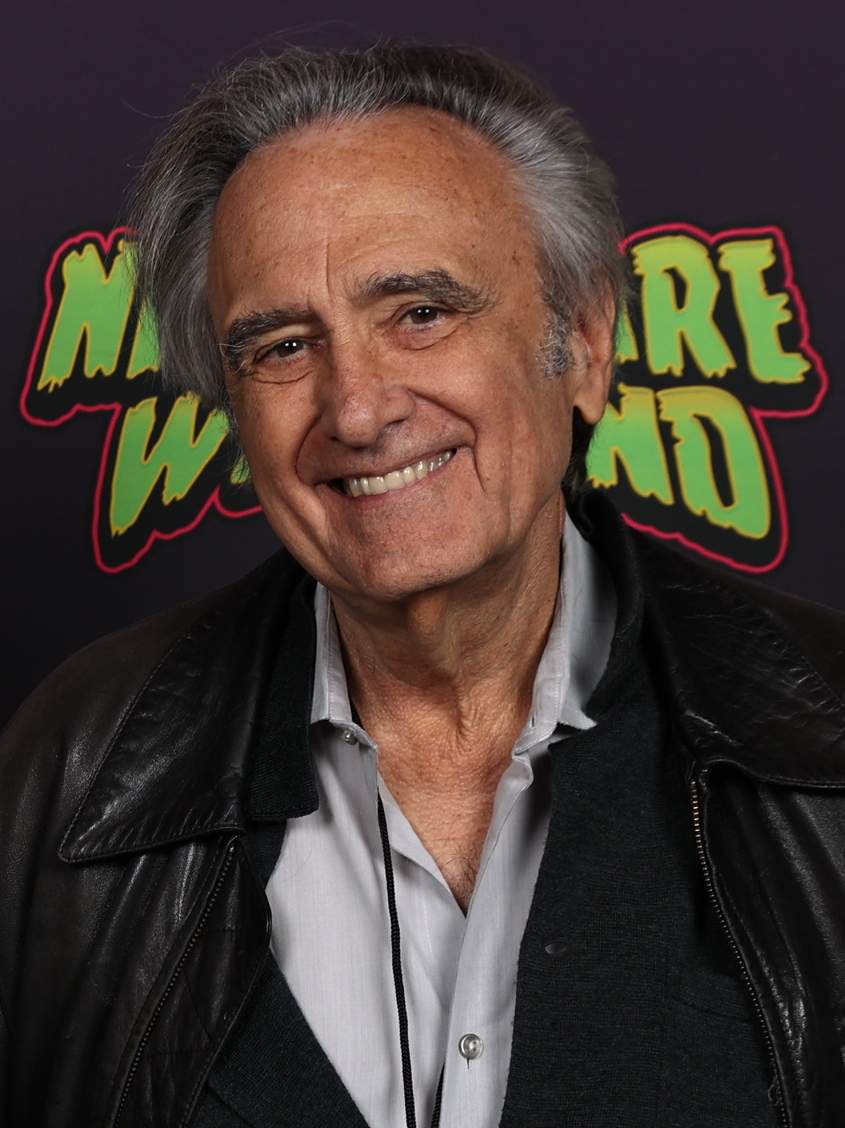
Joe Dante
Made by

Baltimore Pictures
Where to Watch The Second Civil War
See current US streaming, rental, and purchase options for The Second Civil War (1997) via JustWatch.





The Second Civil War Plot Summary
Read the complete plot summary and ending explained for The Second Civil War (1997). From turning points to emotional moments, uncover what really happened and why it matters.
In a near-future United States, immigration has surged and the country has fractured into a patchwork of increasingly segregated communities. The Mayor of Los Angeles speaks only in Spanish, Rhode Island is populated mostly by Chinese Americans, and Alabama has a Sikh congressman. Politics has been simplified to wooing various ethnic blocs for votes, while cable news and social media feed a relentless cycle of fear and outrage, pushing viewership to dizzying heights on channels like NewsNet.
After an atomic weapon is used on Pakistan by India, an international organization plans to relocate refugee orphans to Idaho. NewsNet embeds a reporter on the plane and airs footage of crying Pakistani children to boost ratings, a Mexican American NewsNet reporter Christina Fernandez reporting the moment for a national audience. Idaho Governor Jim Farley [Beau Bridges] orders the Idaho National Guard to close its borders, citing public safety, even as his personal life reveals a more complicated picture: he habitually enjoys Mexican food and soap operas, and he maintains an affair with Christina Fernandez. As she live-translates an impassioned speech from Los Angeles’ mayor, vowing to reconquer lands once part of the Spanish Empire within the United States, she grows increasingly angry at Farley’s decision, and the mood on the border grows tenser.
The crisis deepens as the President [Phil Hartman] emerges as a notably indecisive leader who ruthlessly exploits immigration to redraw political maps, showing a remarkable talent for deferring hard choices to his advisers. His unofficial chief advisor, lobbyist Jack Buchan [James Coburn], is obsessed with the President’s public image and the perception of strength, even weaving fake quotes from Eisenhower into pre-written statements to give the administration a veneer of decisiveness. Buchan pushes the President toward a bold move: open the Idaho border to the refugees within a short, almost impossible deadline, while maneuvering to keep the political optics favorable.
As the deadline nears, the Governor and the President draw in the Idaho National Guard and the United States Army, while the military leaders who command them turn out to be bitter Gulf War rivals. NewsNet keeps the cameras trained on the refugees, focusing on faces rather than policy, and the national conversation widens as neighboring states—Montana and North Dakota—send in their own National Guard units, escalating the standoff into a nationwide geopolitical and cultural confrontation. A wave of violence erupts when Mexican-American pro-immigrant rioters bomb the Alamo, a symbolic clash that pushes the nation toward chaos.
The political calculus becomes even more tangled as the President seeks favor with new voting blocs. After Alabama withdraws its support over funding for Sikh gurdwaras in the wake of the Pakistan attack, the White House retreats to courting Chinese-Americans, but Rhode Island’s governor sends in troops to back Farley’s stance that states should control borders. With Korean Americans as the next target, the President tries to pivot again, proposing visas for two million Koreans to broaden his base, only to be confronted by the Joint Chiefs with the devastating news that anti-immigrant terrorists have retaliated for the Alamo bombing by destroying the Statue of Liberty, proclaiming that “we do not want your huddled masses anymore.” The destruction is broadcast live on NewsNet, prompting colleagues to question their roles in stoking a crisis that seems to spin beyond anyone’s control.
As the storm intensifies, Farley’s personal life becomes a political liability when his girlfriend becomes pregnant, nudging him toward resignation—yet by then it is too late to avert the escalation. Mutinies ripple through the armed forces as soldiers, faced with the televised breakdown of national unity, refuse orders and are court-martialed on the spot. One serviceman’s stark impassioned speech—“go ahead and kill America”—is captured on live television, followed by a brutal sense that the country’s institutions have been hollowed out by partisan theatre and executive overreach. The mutinies illustrates that even a powerful nation can unravel when the lines between policy and propaganda blur beyond repair.
In the end, the President resigns as hostilities wane, but the immigration system remains largely unchanged, leaving the country to confront the enduring fissures that led to the crisis in the first place. The film closes with a sobering reminder that political theater and media saturation can crystallize into a new form of national fracture, even as the nation teeters on the edge of an uneasy, unresolved future.
The Second Civil War Timeline
Follow the complete movie timeline of The Second Civil War (1997) with every major event in chronological order. Great for understanding complex plots and story progression.
Refugee flight and tabloid-backed broadcasts
An atomic weapon is used on Pakistan by India, prompting an international plan to relocate refugee orphans to Idaho. NewsNet embeds a reporter on the transport plane and airs footage of crying Pakistani children to boost ratings. The plan accelerates the crisis and polarizes public opinion across the country.
Idaho closes its borders
Idaho Governor Jim Farley orders the Idaho National Guard to seal the state borders, citing public safety and the massive refugee influx. He remains preoccupied with personal affairs while the crisis deepens. The action sets a hard line at a crucial frontier.
Live translation interrupted by violence
A live translation of Los Angeles Mayor's speech declaring a reconquest of old Spanish lands is interrupted by an assassination attempt from Black Angelenos. The chaos underscores the volatility of the political climate and the media’s role in amplifying it. Farley’s mistress, translating the speech, grows increasingly unsettled by the situation.
Ineffective leadership and a manipulated timeline
The President proves indecisive, delegating most decisions to advisers. His unofficial chief advisor, Buchan, presses a public image strategy and even substitutes quotes, trying to guide the President to be decisive. He orders Farley to open Idaho’s borders within 72 hours, later shortening the deadline to 67.5 hours to maintain a soap opera’s schedule.
Border forces and Gulf War rivalries
As deadlines loom, both the Idaho National Guard and the U.S. Army are deployed to the border. The unit commanders are bitter rivals from the Gulf War, and their personal enmity accelerates the sense of national fracture. The border becomes a flashpoint for a broader conflict.
The Alamo bombing intensifies polarization
Media coverage continues to focus on refugees for ratings, while polarization widens. The Governors of Montana and North Dakota dispatch their own National Guard units, and pro-immigrant rioters bomb the Alamo, a provocative act that galvanizes competing factions. The nation teeters on the brink of civil conflict.
Political bargains and shifting voter blocs
After Alabama reneges on funding Sikh gurdwaras post-attack, the President pivots to other constituencies. The Governor of Rhode Island sends National Guard support to Farley, while a White House deal with the Nation of Islam and its leader Nkomo seeks Black-controlled electoral votes. The administration’s election calculus reveals a nation divided by identity politics.
Visa gambit to galvanize Korean Americans
In a bid to shore up support among Korean Americans, the President considers granting visas to two million Koreans. The plan underscores a frantic attempt to salvage political capital as demographic calculations fail to deliver reliable votes. It also foreshadows the unraveling of traditional party loyalties.
Destruction of the Statue of Liberty
Anti-immigrant terrorists retaliate for the Alamo bombing by destroying the Statue of Liberty, proclaiming that they reject 'huddled masses' altogether. NewsNet’s coverage of the event intensifies public fear and bitterness, further eroding trust in leadership. The nation grapples with the symbolism of the fallen monument.
NewsNet crew confronts its own role
Exhausted by nonstop crisis coverage, NewsNet staff question their impact on public conflict. On-air arguments erupt as they debate whether their reporting fuels violence or informs the public. The newsroom embodies the very skepticism casting doubt on the media’s influence.
Personal consequences push Farley toward resignation
Farley’s girlfriend becomes pregnant, complicating his position and intensifying pressure to de-escalate. He resigns, but the political machine’s momentum proves too strong and too late to avert further turmoil. Personal life and public duty collide with devastating effect.
Mutiny, parts shortage, and the Second American Civil War
Mutinies erupt as soldiers rally against authorities, and a televised plea to 'kill America' underscores the breakdown of national unity. The Joint Chiefs confront an impossible supply chain: replacement parts are manufactured in Taiwan that has embargoed them after a dispute with the President. A clash escalates into a major battle between the U.S. Army and Idaho National Guard, triggering the invasion of Idaho and the onset of the Second American Civil War.
The Second Civil War Characters
Explore all characters from The Second Civil War (1997). Get detailed profiles with their roles, arcs, and key relationships explained.
Governor Jim Farley (Beau Bridges)
A politically ambitious governor whose self-styled nativist stance masks personal indulgences and a complicated personal life. He orders border closures while secretly maintaining a relationship with a Mexican American NewsNet reporter, illustrating the gap between public posturing and private behavior. His eventual concession comes too late to avert a broader crisis, culminating in resignation.
The President (Phil Hartman)
An ineffectual president who delegates hard decisions to staff and seeks to manage his image more than the nation. He relies on a charismatic adviser to shape policy and public statements, including pre-written lines that echo past presidents. His resignation marks the collapse of the administration amid escalating chaos.
Jack Buchan (James Coburn)
An influential lobbyist and the President’s unofficial chief adviser who cares most about public perception. He engineers decisive moments by inserting his own quotes and guiding the President’s actions to fit a favorable political narrative. His manipulation and focus on optics drive the policy decisions that worsen the crisis.
Christina Fernandez (Elizabeth Peña)
A Mexican American NewsNet reporter whose live translating amplifies the tension of the border crisis. She becomes entangled in Farley’s private life and grows increasingly angered by border closures and the political maneuvering around the refugees. Her perspective highlights the human cost behind political calculations.
Jimmy Cannon (Kevin Dunn)
The President’s press secretary, who tries to manage a volatile media environment but is often outmatched by the political games at play. He works to maintain a coherent public narrative amid shifting policies and public outrage. His role shows the pressure on communicators to shape perception more than the truth.
NewsNet Assistant (Jennifer Carlson)
A junior staffer at NewsNet who contributes to the network’s relentless border coverage. She represents the behind-the-scenes workforce that relentlessly feeds the audience with clips and images that escalate tensions. Her presence underscores the media’s role in shaping the national conversation.
The Second Civil War Settings
Learn where and when The Second Civil War (1997) takes place. Explore the film’s settings, era, and how they shape the narrative.
Time period
Near future
Set in a not-too-distant future, the United States is polarized along ethnic lines and driven by media-driven political calculations. The timeline is defined by rapid policy shifts, border battles, and a collapsing national consensus, rather than by a fixed year.
Location
Los Angeles, Idaho, Alamo, Rhode Island, United States
The action shifts between major urban centers like Los Angeles and border regions around Idaho, illustrating a country torn by immigration politics. Idaho becomes a frontline for a refugee influx, while the Alamo is a flashpoint of anti-immigrant sentiment. Rhode Island is depicted as a state whose governor takes a hard stance on borders, highlighting the national fragmentation in a future United States.
The Second Civil War Themes
Discover the main themes in The Second Civil War (1997). Analyze the deeper meanings, emotional layers, and social commentary behind the film.
🗳️
Immigration Politics
Immigration is the central engine driving policy and conflict. The government opens, closes, and manipulates borders to secure electoral advantage, while refugees become pawns in a ratings-driven political theatre. The film tracks how demographic shifts reshape power, representation, and national identity.
📰
Media Manipulation
NewsNet and its reporters shape public perception, often prioritizing ratings over humanity. The film portrays live broadcasts of refugees, assassination attempts, and sensational coverage that amplifies fear and division. Journalists are shown wrestling with their role as observers and participants in the crisis.
⚖️
Civil Conflict
A cascading political crisis escalates into an all-out struggle between federal and state forces. Mutinies, border battles, and the symbolic destruction of national monuments reveal a breakdown of trust in leadership. The film ends with resignation and the persistence of an unchanged immigration system.

Coming soon on iOS and Android
The Plot Explained Mobile App
From blockbusters to hidden gems — dive into movie stories anytime, anywhere. Save your favorites, discover plots faster, and never miss a twist again.
Sign up to be the first to know when we launch. Your email stays private — always.
Explore the mobile appThe Second Civil War Spoiler-Free Summary
Discover the spoiler-free summary of The Second Civil War (1997). Get a concise overview without any spoilers.
In a near‑future United States where ethnic enclaves have become the new political map, the country hums with a frenetic mix of fear‑fueling headlines and relentless social‑media buzz. Cities speak in a chorus of languages—Los Angeles’ mayor shouts in Spanish, Rhode Island’s streets echo with Mandarin, and Alabama’s halls are filled with Sikh voices—while cable news channels turn every humanitarian crisis into a ratings contest. The nation feels both hyper‑connected and wildly divided, setting the stage for a satire that balances absurdity with razor‑thin tension.
When an international coalition decides to relocate a plane full of Pakistani orphans to Idaho, the state’s governor steps into the spotlight. Jim Farley orders the Idaho National Guard to seal the border, defending his decision with a mix of public‑safety rhetoric and personal quirks—his love of Mexican cuisine, soap operas, and a secret affair that threatens to blur the lines between policy and private life. This bold stand instantly becomes a flashpoint, drawing the nation’s attention and sparking a fierce debate over who truly controls America’s frontiers.
The scandal is amplified by Christina Fernandez, a Mexican‑American reporter for a sensationalist cable news network. Her live translations and emotive on‑air presence turn the refugee flight into a national spectacle, her growing frustration with the governor feeding the fire of a polarized public. Hovering above the fray, the President—a figure of indecision whose every move is measured for political optics—relies on his image‑obsessed chief advisor, Jack Buchan, a lobbyist who fashions speeches with fabricated historical gravitas. Their uneasy alliance hints at a larger game where votes are bartered and optics can dictate policy.
The film’s tone is biting, uncivil comedy, using sharp dialogue and exaggerated caricatures to illuminate how media saturation and political theater can turn a humanitarian effort into a volatile showdown. As the nation watches, the clash between state authority, federal ambition, and sensationalist journalism promises to expose the fragile seams holding the country together, leaving audiences to wonder just how far the line between policy and performance can be stretched.
Movies with Similar Twists and Themes
Uncover films that echo the narrative beats, emotional arcs, or dramatic twists of the one you're exploring. These recommendations are handpicked based on story depth, thematic resonance, and spoiler-worthy moments — perfect for fans who crave more of the same intrigue.
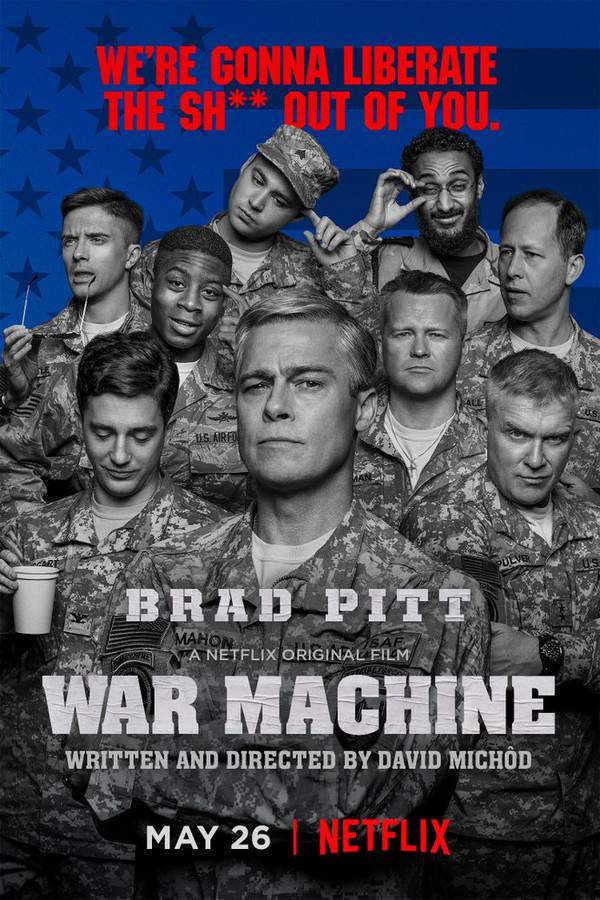
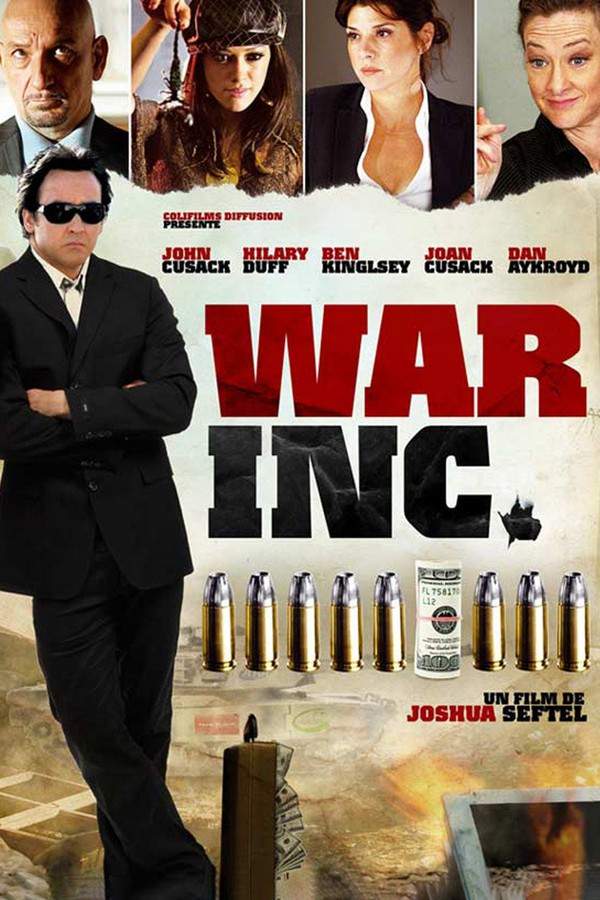
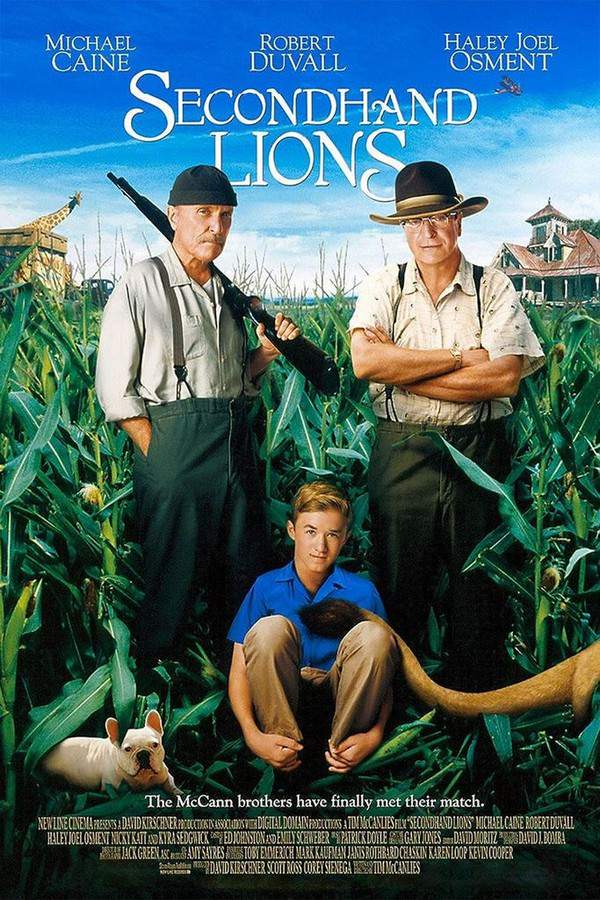


Featured on this page

What's After the Movie?
Not sure whether to stay after the credits? Find out!
Check out our other apps:

SAT Sphere
Build confidence for the Digital SAT.

Mori Atlas
Discover wild places worth protecting.

Luntero
Search smarter for a home in Amsterdam.

Plot Explained
Unravel movie endings and hidden clues.

Pokechamp
Dive into Pokémon data and battle logic.

Driving Theory
Get ready for your European theory test.

Movie Dust
Plan your next cinema trip with ease.

Musemap
Find art and culture as you travel.

Selkobase
Compare credentials before committing.

Local Manual
Turn an unfamiliar country into practical next steps.

Lernavi
Compare school systems before your next move.

GymRoam
Find a workout stop wherever your plans take you.
Explore Our Movie Platform
New Movie Releases (2026)
Famous Movie Actors
Top Film Production Studios
Movie Plot Summaries & Endings
Major Movie Awards & Winners
Best Concert Films & Music Documentaries
Movie Collections and Curated Lists
© 2026 What's After the Movie. All rights reserved.
Privacy Policy