
The Man Who Stole the Sun 1979

Directed by
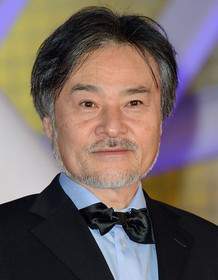
Kiyoshi Kurosawa
Made by

Kitty Films
The Man Who Stole the Sun Plot Summary
Read the complete plot summary and ending explained for The Man Who Stole the Sun (1979). From turning points to emotional moments, uncover what really happened and why it matters.
Kenji Sawada as Makoto Kido, a high school science and chemistry teacher, has decided to build his own atomic bomb. Before he can steal plutonium isotopes from the Tōkai Nuclear Power Plant, he becomes involved in a botched hijack of a school field trip bus. Alongside Bunta Sugawara as Inspector Yamashita, the two help subdue the hijacker and emerge publicly hailed as heroes. He also grows close to a female radio personality nicknamed “Zero.”
Meanwhile, Makoto manages to extract enough plutonium from his stolen isotopes to assemble two bombs: one true, and one decoy with only enough radioactive material to be detectable but otherwise useless. He plants the decoy in a public lavatory and phones the police, demanding that Yamashita take the case. Because Makoto speaks to the authorities through a voice scrambler, Yamashita remains unaware that he is the mastermind behind the entire scheme.
The mastermind then extorts the government into broadcasting baseball games in full, rather than stopping at 9 p.m., a move that captures public attention and squeezes new leverage from the state. Riding this momentum, Makoto follows a tip from Zero to use the real bomb to force the government into allowing the Rolling Stones to perform in Japan, despite a ban tied to Keith Richards’s narcotics arrest. The government grants the request, and Tokyo gears up to host the famous band.
As Makoto makes his way toward the concert with the real device, Yamashita pursues. On a rooftop confrontation, Makoto pulls a gun and compels Yamashita to back off. The revelation follows: Makoto admits his role as the extortionist and fights the detective. The struggle ends with both men tumbling from the rooftop; Makoto clings to the bomb and is saved when a power line catches him, while Yamashita falls to his death. With the device still in his possession, Makoto begins to walk away. A final ticking sound gives way to a sudden explosion, closing the perilous sequence.
The Man Who Stole the Sun Timeline
Follow the complete movie timeline of The Man Who Stole the Sun (1979) with every major event in chronological order. Great for understanding complex plots and story progression.
Bus hijack during a field trip ends in heroism
During a school field trip, Makoto is involved in a botched hijacking of a school bus. He and Yamashita manage to overpower the hijacker, and the incident earns them public praise as heroes. The episode thrusts Makoto into the limelight and seeds his later extraordinary actions.
Theft of plutonium from a nuclear plant
After the bus incident, Makoto undertakes a dangerous plan to obtain plutonium isotopes. He succeeds in stealing material from the Tōkai Nuclear Power Plant, arming himself for the creation of a bomb. This act marks his transition from a teacher to a would-be mastermind.
Makoto resolves to build his own atomic bomb
With the stolen plutonium, Makoto decides to construct two bombs: one genuine device and another decoy that is detectable but useless. He begins assembling them in a makeshift lab, signaling a radical shift toward extortion and terror.
Two bombs completed
Two bombs are completed: one real and one inert decoy. The devices become central tools for Makoto's blackmail campaign against the government and police. He now has the means to threaten authorities publicly.
Plants the decoy bomb and taunts the police
Makoto plants the fake bomb in a public lavatory and uses a voice scrambler to phone the police, demanding that Yamashita take the case. His anonymity allows him to orchestrate a persistent extortion campaign without being traced.
Extorts the government with full baseball broadcasts
Using the decoy bomb as leverage, Makoto forces the government to broadcast baseball games in full, breaking from the usual 9pm cutoff. The stunt elevates his profile and demonstrates the reach of his coercion.
Rolling Stones concert extortion plan approved
Following Zero's suggestion, Makoto uses the real bomb to press for allowing the Rolling Stones to perform in Japan. The government concedes, marking a peak in his extortion campaign as the band is scheduled to play in Tokyo.
Makoto heads toward the concert with the bomb
Makoto makes his way toward the concert venue with the real bomb in hand, threatening to escalate the situation further. Yamashita follows, suspicious of Makoto's motives but unable to identify him as the mastermind.
Rooftop confrontation with Yamashita
On a rooftop, Makoto draws a gun and reveals his true identity as the extortionist. He and Yamashita engage in a brutal struggle, and they spill over the edge with the bomb still in Makoto's grip. Makoto is saved by a power line, while Yamashita falls to his death.
The countdown ends in explosion
Makoto, still clutching the bomb, walks away as a ticking sound grows louder. The explosion erupts, ending the rooftop confrontation and leaving his fate and motives open to interpretation.
Aftermath and escape
The blast unleashes chaos, and authorities scramble to understand the sequence of events. Makoto disappears into anonymity, leaving the public to wrestle with the dual image of him as a hero and as a dangerous extremist.
Public perception struggles with hero and antagonist
The story forces the public to reevaluate Makoto's actions: the bus-rescuer image clashes with the bomb-extortion reality. The film leaves viewers pondering where heroism ends and menace begins.
The Man Who Stole the Sun Characters
Explore all characters from The Man Who Stole the Sun (1979). Get detailed profiles with their roles, arcs, and key relationships explained.
Makoto Kido (Kenji Sawada)
A high school science and chemistry teacher with a brilliant mind and dangerous ambition. He engineers a dual-bomb plan to extort the government and becomes entangled in a media-driven drama that tests his ethics as much as his intellect.
Inspector Yamashita (Bunta Sugawara)
A determined police inspector who relentlessly pursues the extortionist after a dramatic rooftop confrontation. He embodies law and order, yet the pursuit reveals the limits of authority when faced with a cunning, tech-savvy criminal.
Zero
A charismatic radio personality who becomes a confidante and catalyst for Makoto, fueling his plans. Her public persona and relationship with Makoto highlight the film’s exploration of media influence and personal propaganda.
The Man Who Stole the Sun Settings
Learn where and when The Man Who Stole the Sun (1979) takes place. Explore the film’s settings, era, and how they shape the narrative.
Time period
late 1970s
Set in a contemporary late-1970s Japan, a period of rapid economic growth and rising media influence. The plot hinges on modern technologies like a voice scrambler and live nationwide broadcasts that drive the extortion scheme. The era reflects a society fascinated with sensational crime and public spectacle.
Location
Tōkai Nuclear Power Plant, Tokyo, Japan
The story moves between the secluded Tōkai Nuclear Power Plant and the bustling urban landscape of Tokyo, highlighting a Japan immersed in rapid modernization. The plant represents dangerous scientific power, while the city offers a stage for media-driven spectacle and public manipulation. Public spaces such as buses, rooftops, and lavatories become arenas where crime unfolds and the line between hero and threat blurs.
The Man Who Stole the Sun Themes
Discover the main themes in The Man Who Stole the Sun (1979). Analyze the deeper meanings, emotional layers, and social commentary behind the film.
📺
Media Manipulation
The extortion thrives on controlling mass broadcasts and shaping public narratives, turning news and sports into leverage. The media amplifies Makoto's actions, influencing how society views him and the events around him. The film critiques how information can be weaponized when entertainment and authority intersect.
⚖️
Power and Ethics
Power is pursued through technocratic means—stealing plutonium and coercing the state—raising questions about ethics and responsibility. The government's response exposes the fragility of order and the consequences of unchecked ambition. The story blurs the line between heroism and criminal action in a world where influence can override law.
⚛️
Science and Destruction
The plot centers on the dangerous potential of scientific knowledge when divorced from morality. Makoto's creation of bombs from stolen isotopes embodies how innovation can threaten society. Nuclear imagery is used to critique the seductive lure of technological power.

Coming soon on iOS and Android
The Plot Explained Mobile App
From blockbusters to hidden gems — dive into movie stories anytime, anywhere. Save your favorites, discover plots faster, and never miss a twist again.
Sign up to be the first to know when we launch. Your email stays private — always.
Explore the mobile appThe Man Who Stole the Sun Spoiler-Free Summary
Discover the spoiler-free summary of The Man Who Stole the Sun (1979). Get a concise overview without any spoilers.
In a cramped Japanese high‑school, Makoto Kido spends his days fielding the snide jokes of restless teenagers while trying to keep chemistry lessons from boiling over into chaos. The routine of lesson plans and lunchtime chatter is suddenly shattered when a school field‑trip bus is overtaken, leaving the students trembling and the teachers scrambling to maintain a veneer of control. The incident forces Makoto to step out of the classroom and into a bewildering public spectacle that threatens to upend the ordinary rhythm of his life.
Beneath the worn linoleum of his modest apartment, Makoto nurtures a secret far darker than any textbook experiment. In the quiet of night he assembles a device whose potential power dwarfs the petty humiliations he endures at school, hinting at a simmering obsession that has long been kept hidden from friends, colleagues, and the curious eyes of his students. The contrast between his everyday role as an educator and the clandestine work he pursues creates a tension that pulses through the film’s atmosphere, turning each ordinary classroom moment into a potential flashpoint.
The world of the film balances the humdrum of daily life with an undercurrent of dread, using the familiar setting of school corridors and suburban streets to amplify the unsettling sense that something far beyond the surface is at stake. Makoto’s interactions with his pupils reveal a man caught between the desire to be respected and the compulsion to wield a power that could rewrite his fate. As the bus incident unfolds, the ordinary and the extraordinary clash, setting the stage for a story where academic ambition, personal humiliation, and a hidden, world‑shaking project intersect in a precarious dance of anticipation.
Movies with Similar Twists and Themes
Uncover films that echo the narrative beats, emotional arcs, or dramatic twists of the one you're exploring. These recommendations are handpicked based on story depth, thematic resonance, and spoiler-worthy moments — perfect for fans who crave more of the same intrigue.



Featured on this page

What's After the Movie?
Not sure whether to stay after the credits? Find out!
Check out our other apps:

SAT Sphere
Build confidence for the Digital SAT.

Mori Atlas
Discover wild places worth protecting.

Luntero
Search smarter for a home in Amsterdam.

Plot Explained
Unravel movie endings and hidden clues.

Pokechamp
Dive into Pokémon data and battle logic.

Driving Theory
Get ready for your European theory test.

Movie Dust
Plan your next cinema trip with ease.

Musemap
Find art and culture as you travel.

Selkobase
Compare credentials before committing.

Local Manual
Turn an unfamiliar country into practical next steps.

Lernavi
Compare school systems before your next move.

GymRoam
Find a workout stop wherever your plans take you.
Explore Our Movie Platform
New Movie Releases (2026)
Famous Movie Actors
Top Film Production Studios
Movie Plot Summaries & Endings
Major Movie Awards & Winners
Best Concert Films & Music Documentaries
Movie Collections and Curated Lists
© 2026 What's After the Movie. All rights reserved.
Privacy Policy