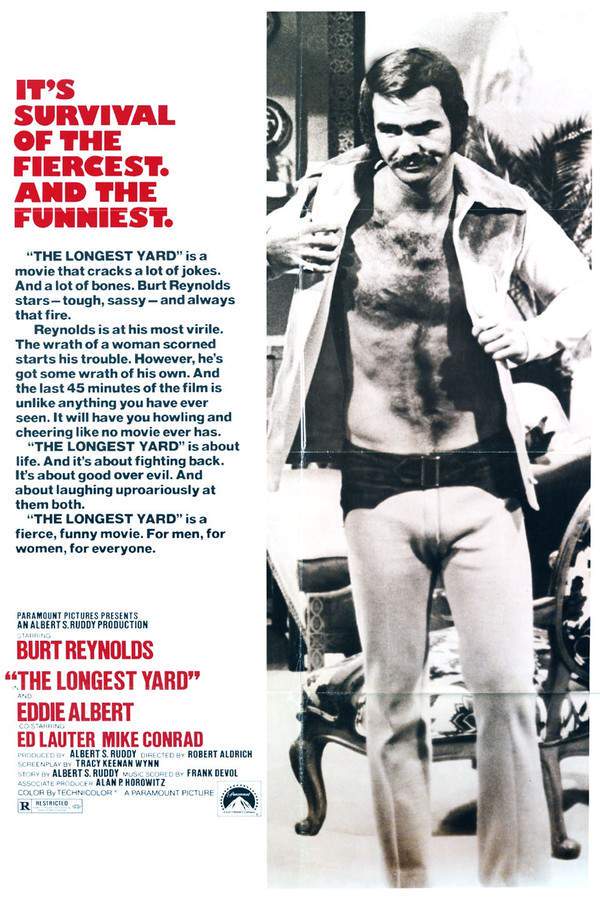
What Is The Longest Yard About?
The premise of The Longest Yard in 286 words, with nothing given away. The full story follows below.
In the stark, concrete corridors of Citrus State Prison, former NFL star Paul “Wrecking” Crewe confronts a world far removed from the cheering crowds of his past. Still carrying the weight of a once‑glorious reputation, he is thrust into a harsh routine where respect is hard won and every day feels like a penalty flag. The prison’s atmosphere is a mix of grim routine and simmering tension, a place where the clang of metal gates competes with the echo of distant football chants.
Behind the bars, Warden Hazen runs the facility with a surprising passion for the sport, turning the yard into a stage for a high‑stakes showdown between inmates and guards. The warden’s vision is simple yet unsettling: a winner‑take‑all game that will cement his control while entertaining the staff. He coerces Crewe, the reluctant expert, into shaping a ragtag squad of prisoners into a team capable of taking on the well‑trained guard lineup.
The inmates who rally around Crewe are a mosaic of unlikely personalities—former athletes, hardened outsiders, and those who have never known a fair chance. Their shared distrust of authority fuels a quiet determination to prove themselves, hinting at a deeper plan to turn the match into more than just a spectacle. As they train, the yard becomes a crucible where camaraderie is forged, and the line between competition and rebellion blurs.
Against a backdrop of steel walls and the ever‑present watchful eyes of the prison staff, the story balances gritty realism with a rebellious spirit. The looming football game promises tension, humor, and a chance for the underdogs to challenge a system that has long kept them down, leaving the audience eager to see whether unity and skill can outplay oppression.
What Happens in The Longest Yard?
The complete story of The Longest Yard, from the first scene to the last, in 728 words (about 3 minutes). Spoilers throughout. Names in the text link to 1 cast member page.
Spoilers ahead
Paul “Wrecking” Crewe is a name people still whisper about in Palm Beach after his days as a star NFL quarterback. The story begins with Crewe walking away from his wealthy girlfriend Melissa, a reckless moment that ends with him taking her Citroën SM without permission, sparking a high-speed police pursuit, and culminating in an attack on two officers. The consequences are swift and merciless: he is sent to Citrus State Prison for 18 months.
Inside the prison, Crewe discovers a world where respect is scarce, in large part because he was expelled from the NFL for point shaving. The warden, Rudolph Hazen, is not a typical administrator—he lives for football and runs a semi-pro team made up of prison guards. Hazen has a vision: coach Crewe into leading a championship-winning exhibition squad. Under pressure from the head guard and coach, Captain Wilhelm Knauer, Crewe reluctantly agrees to lend his expertise. He forms a rough-and-ready team he dubs the “Mean Machine,” pulling together a motley crew that includes Samson, a former professional weightlifter, and Connie Shokner, a killer with martial arts skills, among others.
Support comes from the wily Caretaker, a former pro player Nate Scarboro, the first black inmate willing to play—nicknamed “Granny” Granville—and Pop, a long-time prisoner. Also in the mix is Miss Toot, Hazen’s secretary with a hint of romance in the air. Crewe decides to take the field as quarterback himself, hoping to turn a ragtag group into a real unit. When Granny faces harassment from guards without flinching, the black inmates decide to step forward and join the team, adding depth and grit to the lineup.
As the Mean Machine starts to gel, Unger, one of the prison trustees, keeps pushing Crewe to appoint him as manager of the team. Crewe refuses, and Unger retaliates with a brutal plan: a homemade bomb crafted from a light bulb and a flammable fluid aimed at Crewe’s cell. The ensuing chaos results in Caretaker’s death after he enters Crewe’s cell to retrieve papers; Unger locks the door, sealing off any chance of rescue. Hazen delivers a stern warning to the team about the consequences of any escape after the game, underscoring the brutal reality of prison life.
In a bold turn, Crewe unveils professional uniforms—stolen by Caretaker before his death—and the Mean Machine storms onto the field to face the guards in brighter, more confident colors. The crowd roars as the game begins, and by halftime the score is a tense 15–13. Hazen pushes Crewe with an ultimatum: lose by at least 21 points. He promises not to hurt the other prisoners, but only if the guards can reach that margin first. Knauer, loyal to Hazen, orders his team to “inflict as much physical punishment on the prisoners as humanly possible” once they are ahead by 21. Crewe, torn between loyalty and justice, makes deliberate mistakes to widen the gap, and the Mean Machine falls behind 35–13. He steps out, and the guards brutalize several teammates, leaving the prisoners feeling betrayed and hollow.
The moment of doubt passes when Pop asks Crewe if it was worth the trouble and the long years behind bars. Pop’s simple reply—“Yeah. For me it was”—reignites Crewe’s resolve. He returns to the field and rallies the team, proving that a spark of teamwork can outshine a tank of guards. Nate Scarboro, despite a bad knee, scores a touchdown but is brutally tackled by guard Bogdanski, who is wheeled off after the hit. Nate’s message to Crewe—“screw Hazen”—rings clear: win this game and prove they belong on the field. Crewe responds with a display of grit, delivering a powerful throw into Bogdanski’s groin and then tying the game with a final, decisive touchdown.
The scoreline flips to 36–35 in favor of the Mean Machine as the clock runs out, and celebrations erupt across the field. In a tense moment, Hazen orders Knauer to shoot Crewe, convinced he’s trying to escape. Knauer hesitates, newly respecting Crewe’s integrity, and hands the rifle back with a quiet “Game ball.” Crewe accepts the moment with quiet defiance and returns to the tunnel with Pop, who exclaims, “I knew you could do it!” The crowd disperses, but the image of the Mean Machine—an unlikely team that found courage inside a prison yard—remains.
“Game ball.”
“Screw Hazen.”
“Stick this in your trophy case.”
“Yeah. For me it was.”
The Longest Yard Timeline: Every Key Event in Order
15 key events in the order they happen, from “Crewe's arrest and prison sentence” to “Knauer's decision and the trophy moment”. 15 events name a place, across 7 locations.
- 1
Crewe's arrest and prison sentence
After leaving his wealthy girlfriend Melissa in Palm Beach and stealing her Citroën SM, Crewe leads police on a high-speed chase and assaults two officers. He is captured and subsequently sentenced to 18 months in Citrus State Prison. The incident sets his path toward the prison football scheme.
When:Immediately after the car chase Where:Palm Beach, Florida
- 2
Prison staff and Hazen plan for Crewe
Convicts resent Crewe for his NFL point-shaving past, and the warden Rudolph Hazen sees an opportunity. He pressures Crewe to coach a semi-pro team of guards and prisoners as a way to restore order and win a championship.
When:Early in his imprisonment Where:Citrus State Prison
- 3
Crewe agrees to coach the Mean Machine
After facing pressure from the head guard and captain, Crewe reluctantly agrees to participate and coaches the team. He plans to play quarterback himself, despite initial reluctance. The group forms a makeshift squad of inmates and guards.
When:Soon after arrival at prison Where:Citrus State Prison
- 4
Recruiting the Mean Machine
Crewe forms a prison team that includes Samson, Connie Shokner, Granny Granville, Pop, and others with the help of the Caretaker. They recruit Nate Scarboro and the first black inmate willing to play, Granny Granville, to bolster the lineup.
When:Within the first weeks of coaching Where:Citrus State Prison
- 5
Granny's harassment leads to recruitment
Granny Granville, the first black inmate, is harassed by guards but remains steadfast. Witnessing this, other black inmates volunteer to join the team, broadening the pride and diversity of the Mean Machine.
When:Before the exhibition game Where:Prison yard
- 6
Unger’s bomb: Caretaker dies
Unger, a prison trustee, schemes to eliminate Crewe by rigging a light bulb bomb in Crewe's cell. The plan backfires when Caretaker enters the cell to retrieve papers and is killed by the blast. Unger locks Crewe in, preventing a rescue.
When:Shortly after Unger's plan Where:Citrus State Prison, Crewe's cell
- 7
Hazen enforces hard policy against escapes
Hazen sternly warns Crewe's teammates about the consequences of any escape after the game, underscoring the brutal nature of the operation. His threats foreshadow the brutal treatment that awaits the prisoners if they lose.
When:Before the game Where:Stadium/prison facility
- 8
Uniforms stolen, Mean Machine hits the field
Crewe surprises the team by presenting them with professional uniforms stolen from the guards. The Mean Machine storms onto the field, arousing anger among the guards and Hazen. The transformation both boosts morale and fuels rivalry.
When:Pre-game / kick-off Where:Stadium
- 9
Opening phase of the game
The Mean Machine starts strong and the game is close at halftime, with the guards leading 15–13. Crewe's leadership and the inmates' grit begin to turn the tide as the audience watches intently.
When:Halftime Where:Stadium
- 10
Hazen's demand to lose by 21 points
Hazen pressures Crewe to ensure the guards win by at least 21 points, threatening the players if they fail. Knauer reluctantly agrees to the plan, setting the stage for a brutal second half.
When:Second half start Where:Stadium
Show the other 5 events of The Longest Yard Hide the last 5 events
- 11
Knauer betrays the plan; brutality ensues
Knauer follows Hazen's instruction and has the guards inflict physical punishment on the prisoners as soon as the score reaches the 21-point threshold. Crewe realizes the betrayal and bitterness grows within the team.
When:Early in the second half Where:Stadium
- 12
Mean Machine falters, Crewe rediscovers purpose
Crewe deliberately jams the rhythm of the offense to lose badly, allowing the guards to injure several teammates. After a moment of doubt, he regains his resolve and rekindles the team's fighting spirit.
When:Mid to late second half Where:Stadium
- 13
Nate Scarboro's injury and rally
Nate Scarboro, though with a bad knee, scores a touchdown and is crippled by guard Bogdanski. His sacrifice inspires Crewe to rally and fight harder for the win.
When:Second half Where:Stadium
- 14
Final drive and winning touchdown
Crewe orchestrates a comeback, and with a final touchdown, the Mean Machine defeats the guards 36–35. The team erupts in celebration as Crewe seals the victory with a rare display of leadership and mercy.
When:Final moments of the game Where:Stadium
- 15
Knauer's decision and the trophy moment
After Hazen orders Knauer to shoot Crewe, Knauer hesitates and ultimately returns the rifle, calling it a 'Game ball'. Crewe retrieves a football and confronts Hazen, declaring the trophy 'belongs in your trophy case'. He exits with Pop amid mixed emotions from the crowd.
When:End of the game / post-game Where:Stadium tunnel
Who Are the Main Characters in The Longest Yard?
11 characters, among them Paul "Wrecking" Crewe (Burt Reynolds), Nate Scarboro and Caretaker: who each one is and the part they play in the story. 8 of them link to the actor’s page.
-
Paul "Wrecking" Crewe (Burt Reynolds)
Played by Burt Reynolds
Former NFL quarterback who has fallen from grace and landed in prison. He starts as a cynical, self-preserving individual, but his grudging coaching of the Mean Machine reveals a capacity for leadership and self-sacrifice. Over the course of the story he rekindles a sense of responsibility and pride through the underdog team.
- 🏈 Athlete
- 🧠 Strategist
- 💪 Determined
-
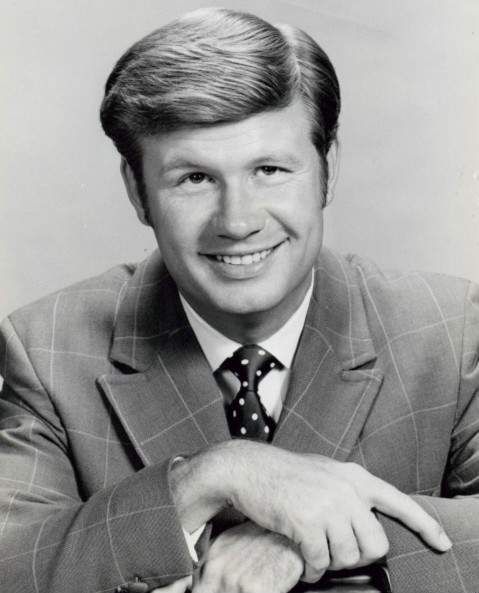
Nate Scarboro
Played by James Hampton
A former professional player who acts as a pragmatic mentor for Crewe and the team. He uses his experience to guide strategy, motivate players and bridge tensions between inmates and staff. His resilience and loyalty help keep the Mean Machine cohesive under pressure.
- 🏈 Athlete
- 🧭 Mentor
- 🫶 Loyal
-
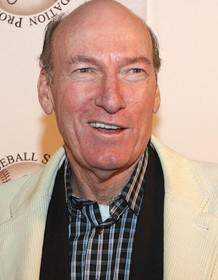
Caretaker
Played by Ed Lauter
A loyal and clever prison staffer who aids the team’s preparations and improvisations. He helps secure the means to field the Mean Machine, even at personal risk. His untimely death at Unger’s hands becomes a catalyst for Crewe’s renewed resolve.
- 🗝️ Loyal
- 🧠 Clever
- 💥 Risk-taker
-
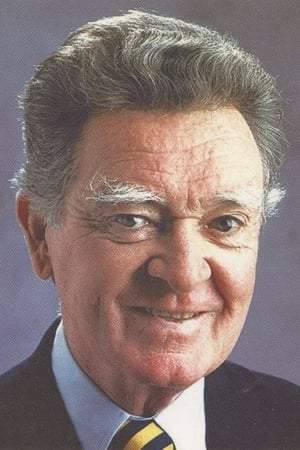
Captain Wilhelm Knauer
Played by John Steadman
The warden’s head guard and coach, a tough, rule-bound enforcer who pressures Crewe and the team. He embodies the brutal, efficiency-driven mindset of the prison system and escalates the conflict as the game approaches.
- ⚔️ Authority
- 🧭 Leader
- 🕳️ Reluctant ally
- WR
Warden Rudolph Hazen
Played by Charles Tyner
A football‑obsessed prison warden who treats the game as a tool for power and control. He pressures Crewe and his inmates to lose by design, while publicly proclaiming a need for victory at any cost. His cruelty underscores the corrupting influence of authority.
- 🏛️ Authority
- 🏁 Control
- 😠 Cruelty
- GG
Granny Granville
An elderly, tough-minded inmate who becomes one of the first to volunteer for the Mean Machine. His presence challenges stereotypes about age and capability, and his resilience earns him respect among teammates.
- 🧓 Elder
- 🧱 Resilient
- 👊 Fighter
- U
Unger
Played by Jim Nicholson
A prison trustee who, embittered by Crewe’s influence, plots harm against him and becomes a foil to the team. His attempts at sabotage highlight the danger of internal threats within the system.
- 🗡️ Villain
- ⚡ Saboteur
- 🧱 Power-seeker
- P
Pop
Played by Michael Conrad
A long-term prisoner whose quiet wisdom and humor keep morale up. He acts as a steadying presence for the team and provides pragmatic advice that helps the group stay focused during rough moments.
- 🧠 Elder
- 🧭 Mentor
- 🎗️ Resilient
-
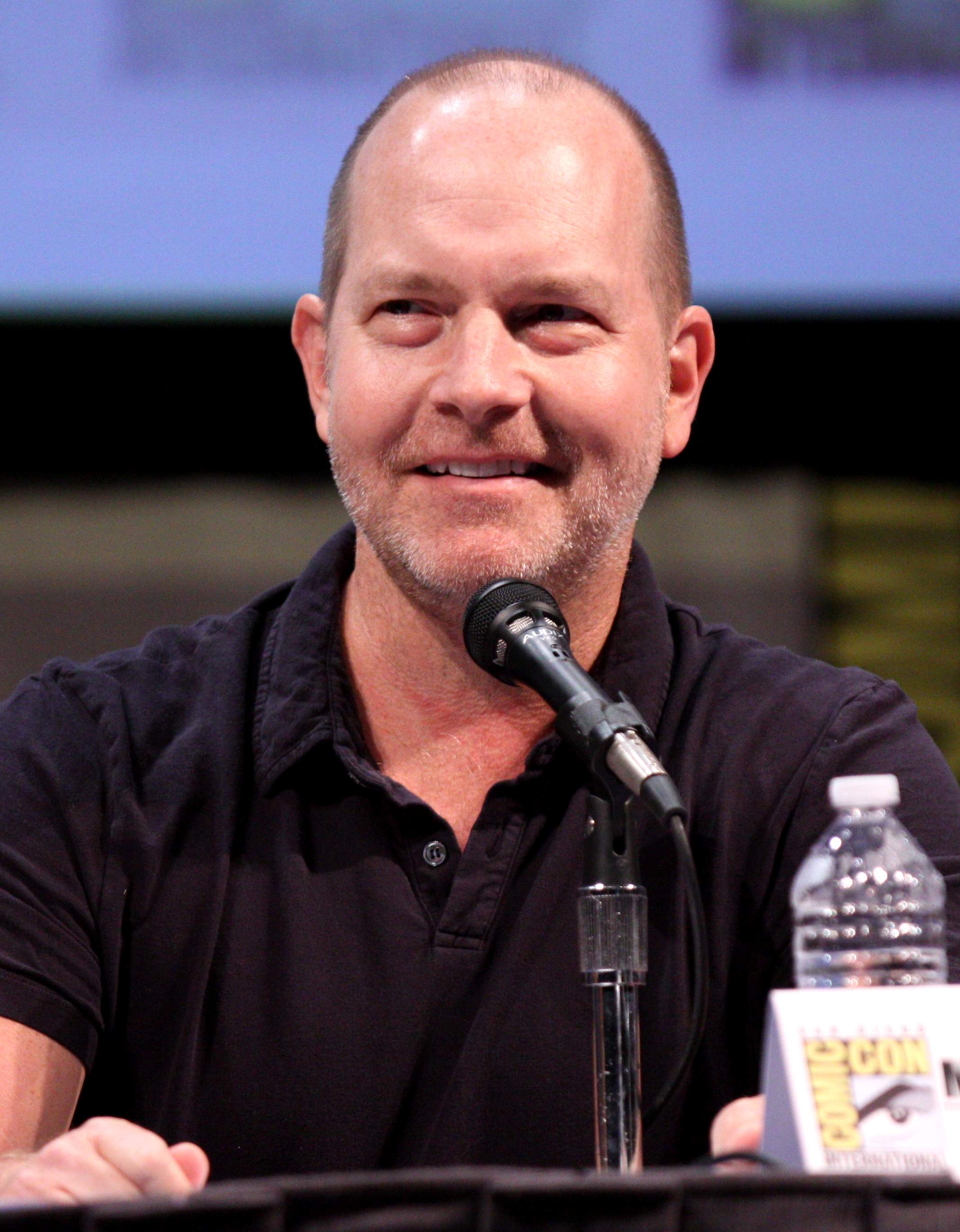
Samson
Played by Mike Henry
A former professional weightlifter whose size and strength give the Mean Machine a heavy-lifting edge. He contributes power on the field while learning to coordinate with teammates and abide by Crewe’s strategic plans.
- 💪 Power
- 🏋️ Strength
- 🧭 Teamwork
- CS
Connie Shokner
A killer with martial arts experience who adds a dangerous edge to the team’s roster. He brings physical prowess and a no-nonsense attitude that challenge the guards’ control.
- 🥋 Martial-arts
- 🗡️ Danger
- 🧡 Loyalty
- MT
Miss Toot
The warden’s secretary who navigates the power dynamics behind the scenes. Her role hints at the subtle influence and personal entanglements that exist within the prison bureaucracy.
- 🗂️ Secretary
- 🗣️ Politics
- 🪧 Influence
Where and When Is The Longest Yard Set?
The Longest Yard is set in Citrus State Prison, Florida, Palm Beach and Florida (1970s). Here is why the time and place matter to the story.
When
1970s
Set in the 1970s, the film captures a rough justice climate and the rise of sports-as-spectacle within a penal system. The era’s attitudes toward crime and punishment shape the rules and temptations faced by Crewe and the guards. The story uses a mid-70s backdrop to ground its blend of action, humor and social commentary.
Where
Citrus State Prison, Florida, Palm Beach, Florida
The primary action unfolds inside Citrus State Prison, a brutal, high-security facility that doubles as a football showcase. The prison's sports culture shapes power dynamics between guards, administrators and inmates. Early scenes in Palm Beach show Crewe's privileged life before his fall, contrasting with the harsh prison environment.
- 🏢 Prison
- 🏝️ Palm Beach
- 🏟️ Stadium
What Are the Themes of The Longest Yard?
3 ideas the story keeps returning to, among them Teamwork, Power & Corruption and Redemption.
-
01
Teamwork
Crewe forges a cohesive unit from a disparate group of inmates, teaching them to trust and rely on each other. The Mean Machine’s success hinges on leadership, discipline and mutual sacrifice rather than raw talent alone. The game becomes a stage for dignity and collective resilience against oppression.
-
02
Power & Corruption
The warden and guards manipulate rules and intimidation to steer outcomes and punish dissent. The film exposes how authority can abuse sports as a tool for control, pressuring Crewe and his inmates to sacrifice ethics for a fake victory. Betrayal and coercion test the characters’ loyalties and conscience.
-
03
Redemption
Crewe’s arc moves from cynicism to a sense of responsibility toward his teammates. He learns to stand up to brutality, inspiring others to resist cruelty. The final comeback is less about the score and more about reclaiming humanity within a harsh system.
What Kind of Film Is The Longest Yard?
Hopeful in tone, with steady pacing and a straightforward story, going by the plot summary.
- Tone
- Hopeful
- Pacing
- Steady
- Story
- Straightforward
- Intensity
- High
- Ending
- Happy
A gritty and defiant underdog sports drama set within a harsh prison system, building tension through brutal training and corruption before culminating in a cathartic and hard-won victory on the football field.
- defiant
- underdog
- gritty
- cathartic
- tense
- hopeful
- prison life
- underdog story
- corruption
- redemption
Content notes: prison violence, death by burning, abuse of power, psychological manipulation.
Quiz
How well do you remember The Longest Yard? Test yourself on the story.