
The Indian Tomb 1959

Directed by

Fritz Lang
Made by

Critérion Film
The Indian Tomb Plot Summary
Read the complete plot summary and ending explained for The Indian Tomb (1959). From turning points to emotional moments, uncover what really happened and why it matters.
The Indian Tomb picks up directly after the cliffhanger ending of The Tiger of Eschnapur. Architect Harald Berger and Princess Seetha are fleeing the wrath of the jealous Maharaja Chandra, who has discovered their love.
Pursued across deserts and jungles by the Maharaja’s soldiers, the lovers face treacherous landscapes, wild animals, and a web of betrayals. Meanwhile, Harald’s sister Irene and her husband Walter Rhodes, still guests of Maharaja Chandra, begin to suspect the Maharaja’s darker intentions, as his obsession with Seetha pushes him toward cruelty and vengeance.
The story culminates in the construction of the Maharaja’s intended monument: a grand tomb for Seetha—meant not as an honor but as her eternal prison in death. As political unrest brews and a rebellion stirs among Chandra’s subjects, loyalties shift and danger mounts. In the final act, love, jealousy, and imperial grandeur collide in a spectacle of dance, swordplay, and opulent settings, leading to a resolution that restores order but leaves the grandeur of Chandra’s ambitions crumbling in the dust.
The Indian Tomb Timeline
Follow the complete movie timeline of The Indian Tomb (1959) with every major event in chronological order. Great for understanding complex plots and story progression.
Escape from the Maharaja's wrath
Harald Berger and Princess Seetha flee the palace as the Maharaja's anger at their love becomes dangerously immediate. They sprint through shadowed corridors and into the night, hoping the dust will hide their trail. This escape marks the perilous beginning of a journey across uncertain and hostile terrain.
Desert and jungle pursuit
The couple is hunted across deserts and jungles, facing treacherous terrain, heat, and wildlife. They rely on wit, courage, and each other to survive the relentless chase. Each step deepens their bond even as danger closes in from all sides.
Betrayal complicates the escape
A web of betrayals surfaces as trusted allies turn against them, creating dangerous false trails and traps. Harald and Seetha must sift truth from deceit while staying one step ahead of pursuers. The danger comes not only from soldiers but from those who should be aiding them.
Irene and Walter sense danger
Back at the Maharaja’s court, Irene, Harald's sister, and her husband Walter grow uneasy about Chandra's actions. They suspect a darker motive behind his hospitality and his growing obsession with Seetha. Their mounting suspicion hints at a larger conspiracy at play.
The Maharaja’s obsession turns cruel
Chandra's fixation with Seetha darkens into cruel resolve, using loyalty as a tool for control. He orders intensified pursuit and shows no mercy to those who obstruct his will. The chase becomes as much about power as about love.
Tomb project begins
Plans for a grand tomb for Seetha emerge, crafted not as a noble tribute but as an eternal prison born of imperial vanity. The architecture of power takes center stage as laborers move stones and engrave ambitions. Harald’s presence lingers in the design of this ominous monument.
Political unrest brews
As the lovers flee, murmurs of discontent grow into a rebellion among Chandra's subjects. The palace trembles with whispers of uprising and a shifting balance of power. Loyalties begin to fracture under the strain of obsession and fear.
Alliances shift within the court
Courtiers and guards reconsider whom they serve as the rebellion gathers momentum. Some factions eye Harald and Seetha with sympathy or opportunism, while others double down on the Maharaja's cause. The political intrigue thickens the path to the tomb and the lovers' fate.
Final act of spectacle
In a climactic convergence, dance, swordplay, and opulent settings dramatize the collision of love, jealousy, and imperial grandeur. The personal and political theaters collide as the lovers face their ultimate test. The grandeur of the empire is on full display even as it begins to crumble.
Confrontation at the tomb site
Harald and Seetha confront the implications of the tomb as a prison. The siege of loyalties peaks and choices are made under dust and stone. The couple’s fate becomes entwined with the political storm surrounding them.
Resolution and restoration
Order is restored, but the grandeur of Chandra’s ambitions lies ruined in the dust. The rebellion is quelled, and the lovers survive to begin anew. The cost of obsession is paid in stones, silence, and a crumbling empire.
Aftermath: a crumbling empire, enduring love
The final consequences settle as the monument stands as a hollow symbol of power. The lovers retain their bond, but the world around them has changed forever. The tale closes on a bittersweet note, with the splendor of Chandra's era fading into dust.
The Indian Tomb Characters
Explore all characters from The Indian Tomb (1959). Get detailed profiles with their roles, arcs, and key relationships explained.
Seetha (Debra Paget)
A princess whose defiant, passionate nature draws Harald into a forbidden romance. Seetha embodies grace and resolve, but she is also the catalyst for the Maharaja's rage and the political upheaval around him. Her fate becomes tied to the empire's grand designs and the lovers' peril.
Harald Berger (Paul Hubschmid)
An architect who flees with Seetha, driven by love but also by a practical, resourceful mindset. Harald navigates treachery with tempered courage, balancing ambition with the need to protect Seetha. His loyalties are tested as the empire's schemes unfold.
Maharaja Chandra (Walther Reyer)
A ruler whose obsession with Seetha fuels cruelty and vengeance, driving political machinations in his realm. Chandra is both majestic and dangerous, wielding power to secure his throne while eroding his humanity. His grand plans crumble as rebellion and desire collide.
Gen. Dagh (Guido Celano)
A military figure whose authority complicates Harald and Seetha's flight. Dagh embodies the tensions between duty, loyalty, and personal vendettas within the empire's power structure.
Irene (Sabine Bethmann)
Harald's sister, a guest at the Maharaja's court who grows suspicious of the ruler's darker intentions. Irene represents the cautious, observant side of the royal intrigues, piecing clues together while navigating danger.
Dr. Walter Rhodes (Claus Holm)
A physician and observer who suspects the Maharaja's cruelty and the looming threats to Seetha and Harald. Rhodes provides a grounded, rational perspective amid the palace's intrigues.
Fürst Padhu (Jochen Brockmann)
A prince whose ambitions and loyalties intersect with the empire's shifting politics. Padhu's role adds complexity to alliances and the succession dynamics within the royal court.
Fürst Ramigani (René Deltgen)
A ruler whose presence influences the rebellion and the empire's stabilization efforts. Ramigani's choices reflect the tense balance between order and upheaval.
Voice of Padhu (Willy-Friedrichs)
An unseen or off-screen presence conveying Padhu's instructions and the court's scheming. This character underscores how manipulation travels through voices and whispers within the palace.
The Indian Tomb Settings
Learn where and when The Indian Tomb (1959) takes place. Explore the film’s settings, era, and how they shape the narrative.
Location
India, Maharaja Chandra's Realm
The film unfolds across the Maharaja's Indian realm, spanning arid deserts, lush jungles, and opulent palaces. It centers on the emperor's court and the grand projects that symbolize imperial power, including a monumental tomb. The landscapes and architecture set the stage for pursuit, danger, and the tangled web of love, betrayal, and political intrigue.
The Indian Tomb Themes
Discover the main themes in The Indian Tomb (1959). Analyze the deeper meanings, emotional layers, and social commentary behind the film.
💔
Love and Obsession
Love between Seetha and Harald drives them to flee the Maharaja, while jealousy and obsession at court threaten to tear them apart. The emperor's fixation on Seetha fuels manipulation and risk, testing loyalty and courage. The story probes the costs of passion within a volatile imperial setting.
🏛️
Power and Grandeur
The Maharaja's realm is defined by opulent settings and ceremonial splendor. The grand tomb becomes a symbol of imperial vanity and control, shaping the fate of those who cross the throne. As rebellion brews, the pursuit of glory collides with human vulnerability.
⚔️
Betrayal and Revenge
Betrayal threads through alliances as court intrigue intensifies. The narrative culminates in confrontations where vengeance threatens the possibility of peace. Survival hinges on shifting loyalties and strategic deception within the palace.

Coming soon on iOS and Android
The Plot Explained Mobile App
From blockbusters to hidden gems — dive into movie stories anytime, anywhere. Save your favorites, discover plots faster, and never miss a twist again.
Sign up to be the first to know when we launch. Your email stays private — always.
Explore the mobile appThe Indian Tomb Spoiler-Free Summary
Discover the spoiler-free summary of The Indian Tomb (1959). Get a concise overview without any spoilers.
The Indian Tomb plunges audiences into a lush, perilous world where deserts stretch endlessly and ancient jungles hide untold dangers. Continuing a saga of high adventure and romance, the film follows Harald Berger and Princess Seetha as they navigate a desperate flight across treacherous landscapes. Pursued by the relentless forces of a jealous sovereign, the couple must rely on their wits and endurance to survive an environment that seems as hostile as the soldiers hunting them.
At the center of the storm stands Maharaja Chandra, a ruler whose obsession with the princess drives him to extremes of cruelty and vengeance. His kingdom, a land of splendor and intrigue, becomes a labyrinth for those caught in his orbit. Amidst the grandeur, Irene and Walter Rhode arrive as guests, yet they soon find themselves entangled in a web of suspicion and deceit. As they navigate the complexities of the court, they begin to question the narratives presented to them, sensing that the true danger lies within the Maharaja’s darkening heart.
The story weaves together themes of love, power, and rebellion, set against a backdrop of architectural marvels and mystical traditions. A looming structure—a tomb intended for the living—casts a shadow over the narrative, symbolizing the Maharaja’s terrifying desire to possess what he cannot win. As political unrest stirs and rebellion threatens the empire’s fragile peace, the characters are drawn into a conflict that tests their courage and resolve, promising a collision of wills and hearts where the price of defiance is impossibly high.
Movies with Similar Twists and Themes
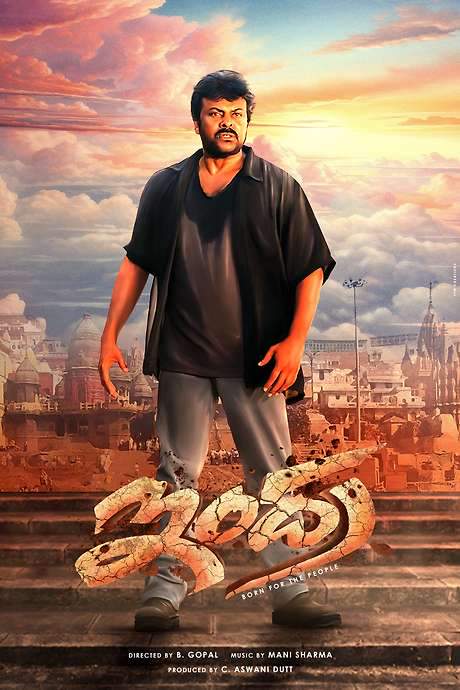
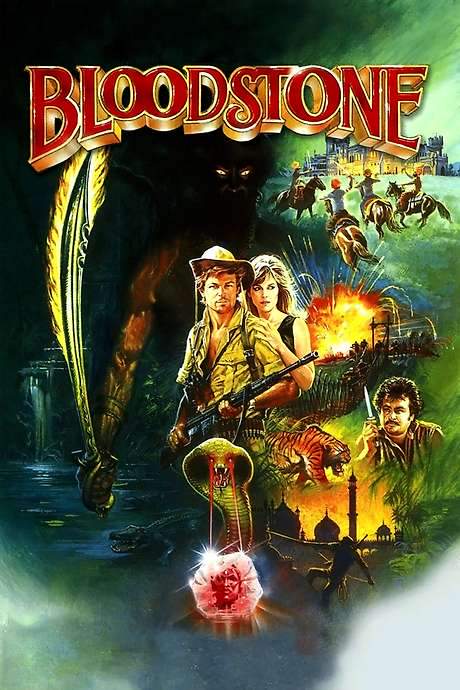
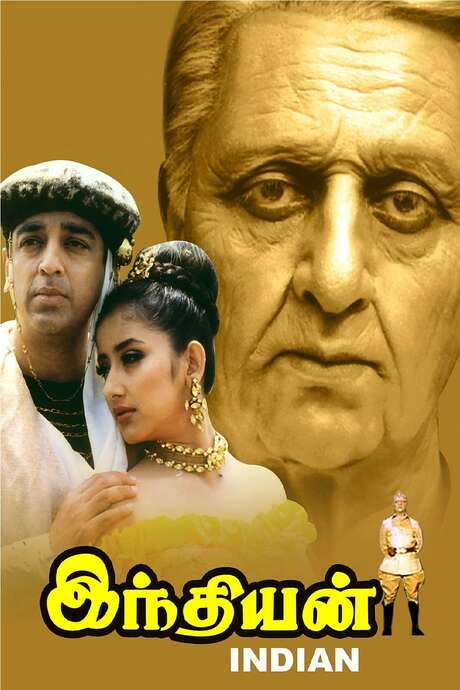
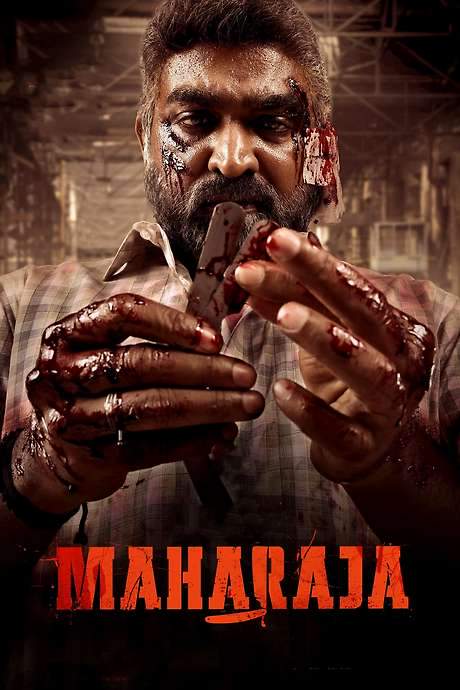
Uncover films that echo the narrative beats, emotional arcs, or dramatic twists of the one you're exploring. These recommendations are handpicked based on story depth, thematic resonance, and spoiler-worthy moments — perfect for fans who crave more of the same intrigue.
Featured on this page

What's After the Movie?
Not sure whether to stay after the credits? Find out!
Check out our other apps:

SAT Sphere
Build confidence for the Digital SAT.

Mori Atlas
Discover wild places worth protecting.

Luntero
Search smarter for a home in Amsterdam.

Plot Explained
Unravel movie endings and hidden clues.

Pokechamp
Dive into Pokémon data and battle logic.

Driving Theory
Get ready for your European theory test.

Movie Dust
Plan your next cinema trip with ease.

Musemap
Find art and culture as you travel.

Selkobase
Compare credentials before committing.

Local Manual
Turn an unfamiliar country into practical next steps.

Lernavi
Compare school systems before your next move.

GymRoam
Find a workout stop wherever your plans take you.
Explore Our Movie Platform
New Movie Releases (2026)
Famous Movie Actors
Top Film Production Studios
Movie Plot Summaries & Endings
Major Movie Awards & Winners
Best Concert Films & Music Documentaries
Movie Collections and Curated Lists
© 2026 What's After the Movie. All rights reserved.
Privacy Policy