
The Half-Naked Truth 1932

Directed by

Gregory La Cava
Made by
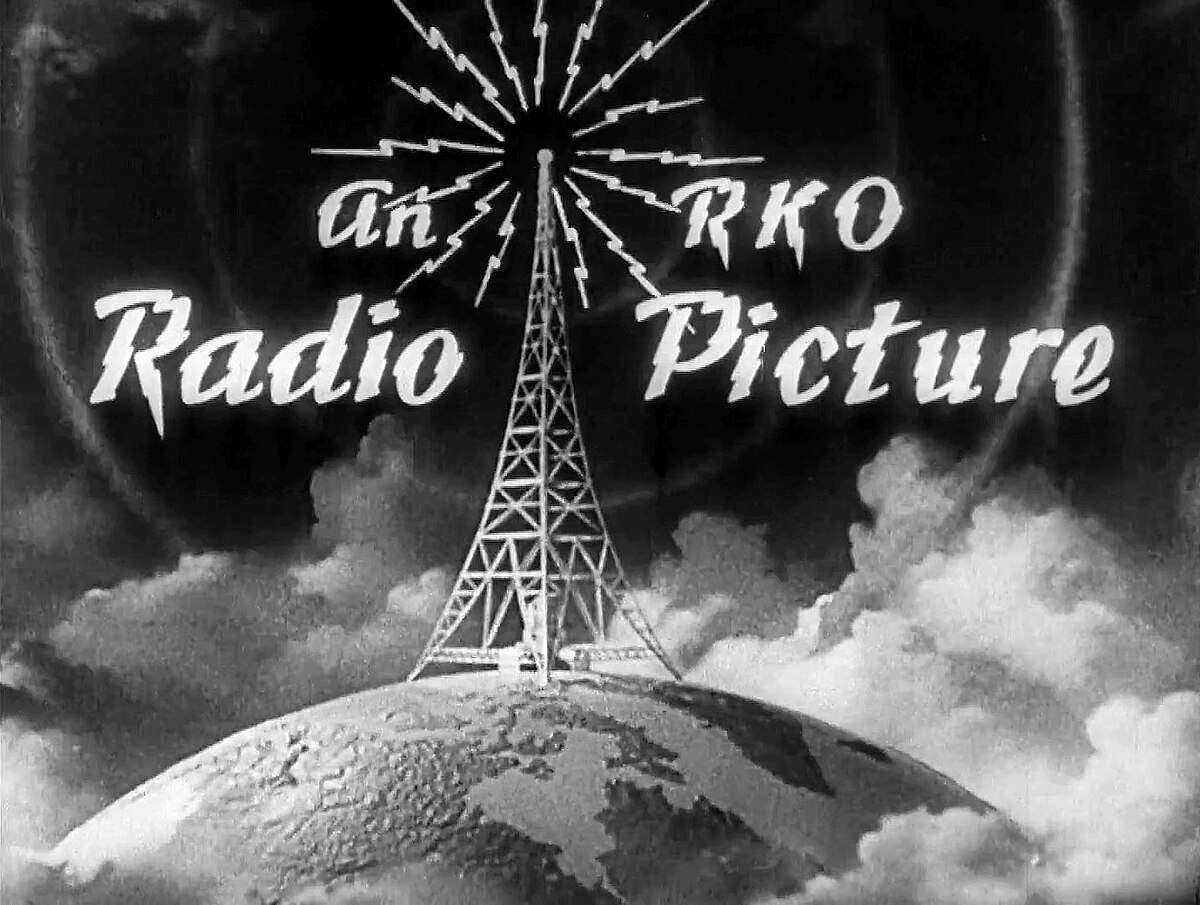
RKO Radio Pictures
The Half-Naked Truth Plot Summary
Read the complete plot summary and ending explained for The Half-Naked Truth (1932). From turning points to emotional moments, uncover what really happened and why it matters.
Fast-talking Jimmy Bates Lee Tracy takes responsibility for publicity for a struggling carnival owned by Colonel Munday. His latest scheme to attract customers involves promising to reveal the identity of the father of his hot-tempered girlfriend, hootch dancer Teresita Lupe Vélez. However, when the local sheriff learns that it is all a con, Bates and his friends Achilles Eugene Pallette and Teresita flee to New York City.
Bates has bragged about his close friendship with powerful theater impresario Merle Farrell [Frank Morgan]. Bates promises to make Teresita a star, but it soon becomes clear that Farrell does not know him. Undaunted, Bates promotes Teresita as Princess Exotica, an escapee from a Turkish harem, with Achilles as a eunuch servant and a lion. Bates informs reporters that she is to star in Farrell’s show. At first, Farrell is outraged, but after a sharp increase in ticket sales, he signs Teresita to a contract.
Farrell insists that Teresita perform a slow Middle Eastern-style dance, which bores the audience. Bates instructs her to sing a modern song, which is a hit. Teresita becomes a star, while Bates becomes Farrell’s publicity manager.
With Bates away on a business trip, Teresita begins a romance with the married Farrell. When Bates learns of the affair, he quits Farrell’s employ and promises to make the first girl whom he sees into a sensation that will eclipse Teresita’s stardom. The girl he selects is blond hotel maid Gladys, Shirley Chambers, whom Achilles is trying to romance. Bates has Gladys pretend to be Eve, the leader of a group of nudists. Armed with a compromising photograph of Farrell and Teresita, Bates blackmails Farrell into signing Eve to his show. Meanwhile, the public has begun to tire of Teresita.
Achilles returns to the carnival life and purchases Colonel Munday’s business. Bates later becomes dissatisfied with New York and visits Achilles, and he finds Teresita singing as one of the carnival’s attractions.
The Half-Naked Truth Timeline
Follow the complete movie timeline of The Half-Naked Truth (1932) with every major event in chronological order. Great for understanding complex plots and story progression.
Bates assumes publicity duties and plots a sensational paternity reveal
Jimmy Bates, a fast-talking promoter, takes control of publicity for Colonel Munday's struggling carnival. He schemes to reveal the alleged father of his volatile girlfriend Teresita to draw crowds. The plan sets in motion a publicity campaign that will ripple through the rest of the story.
Con is exposed; Bates and friends flee to New York
The local sheriff uncovers that Bates's paternity gambit is a con. Facing trouble, Bates, Achilles, and Teresita flee to New York City to avoid arrest. The move marks a shift from carnival scheming to the New York showbiz scene.
Teresita pitched as Princess Exotica in NYC
Bates pushes Teresita as Princess Exotica, an escapee from a Turkish harem, with Achilles cast as a eunuch servant and a lion. He leaks to reporters that Teresita will star in Merle Farrell's show. The ploy is designed to spark curiosity and attract audiences.
Farrell's initial outrage gives way to a contract
Farrell balks at first, but a surge in ticket sales convinces him to sign Teresita to a contract. Bates's role grows as he becomes Farrell's publicity manager. The alliance cements Teresita's rise in the showbiz world.
Dance request flipped; modern song becomes a hit
Farrell insists Teresita perform a slow Middle Eastern dance, but the audience is bored. Bates instructs her to sing a modern number instead, which becomes a surprise hit. Teresita's appeal grows, and Bates's influence expands.
Terteresita becomes a star; Bates becomes Farrell's publicity manager
With Teresita's rising fame, she becomes the show's star. Bates secures a central role as Farrell's publicity manager, cementing his influence behind the scenes. Their collaboration reshapes the carnival-to-show transition.
Away on business; Teresita begins affair with Farrell
Bates departs on a business trip, and Teresita begins a romance with the married Farrell. The affair tests loyalty and threatens the publicity machine Bates built. The seeds of future manipulation are planted.
Bates quits Farrell; plots new sensation with Gladys
Upon learning of the affair, Bates quits Farrell's employ. He vows to create a sensation this instant and chooses blond hotel maid Gladys as the new focal point. Achilles is shown pursuing Gladys, complicating the plan.
Eve persona and blackmail scheme
Bates has Gladys masquerade as Eve, the leader of Nudists, to spark intrigue. He also produces a compromising photograph of Farrell and Teresita to blackmail Farrell into signing Eve to the show. The ruse rekindles public interest as competition with Teresita intensifies.
Public tires of Teresita
Public enthusiasm for Teresita begins to wane as the novelty wears off. Bates's schemes struggle to keep audiences engaged. The showbiz machine starts to shift attention away from Teresita.
Achilles returns and buys the carnival
Achilles returns to the carnival life and purchases Colonel Munday's business, taking control of the carnival's fate. The show shifts back toward the carnival roots under new ownership. This purchase redefines the power dynamic in the story.
Teresa reappears on the carnival stage
Bates visits Achilles and finds Teresita singing as one of the carnival's attractions. She rides the carnival circuit once more, maintaining her star status among the crowd. The tale ends with Teresita continuing to perform for the public.
The Half-Naked Truth Characters
Explore all characters from The Half-Naked Truth (1932). Get detailed profiles with their roles, arcs, and key relationships explained.
Jimmy Bates (Lee Tracy)
A fast-talking publicity agent who engineers outrageous publicity stunts to boost the carnival's profile. He relentlessly chases headlines, pivoting from a paternity reveal to orchestrating Eve's show. He is unscrupulous, opportunistic, and thrives on manipulating others.
Teresita (Lupe Vélez)
A hootch dancer promoted as Princess Exotica; she becomes a star after Bates's ruse. Her romance with Farrell complicates her status and makes her a focal point of controversy and publicity.
Merle Farrell (Frank Morgan)
A powerful theater impresario who initially scoffs at Teresita but signs her to a contract as her publicity drives ticket sales. He becomes entangled in Bates's schemes, balancing artifice and business.
Achilles (Eugene Pallette)
Teresita's loyal assistant and carnival ally; a comic sidekick who supplies support and schemes with the others. He helps navigate the showbiz world with wry humor and loyalty.
Colonel Munday (Robert McKenzie)
Owner of the struggling carnival who represents the business side of the enterprise. His carnival is a platform for Bates's publicity games and Teresita's rise.
Gladys (Shirley Chambers)
A blond hotel maid used by Bates to create Eve's persona; she impersonates Eve to further the scheme and complicate Farrell's control over the show.
The Half-Naked Truth Settings
Learn where and when The Half-Naked Truth (1932) takes place. Explore the film’s settings, era, and how they shape the narrative.
Time period
Early 1930s
Set in the early 1930s, the narrative unfolds during the Great Depression when audiences craved escapism. The era's fast-paced entertainment culture fuels rapid publicity cycles and sensational theater. The film uses the period's boundaries of taste to drive its pre-Code humor and social satire.
Location
Colonel Munday's Carnival, New York City
The story begins at Colonel Munday's struggling carnival, a rough-and-tumble local attraction. It thrives on spectacle and publicity to draw crowds. The plot then moves to New York City, where the world of theater and media magnifies the carnival's reach and turns sensational stunts into headline-grabbing events.
The Half-Naked Truth Themes
Discover the main themes in The Half-Naked Truth (1932). Analyze the deeper meanings, emotional layers, and social commentary behind the film.
🎭
Showbiz Satire
The film skewers the mechanics of show business, turning publicity into a central engine of the plot. Bates's over-the-top stunts and Teresita's manufactured exoticism reveal how fame can be engineered for profit. The carnival-to-Broadway arc highlights the commodification of entertainment. Humor is used to critique the gap between image and reality in public life.
📰
Publicity Machine
Publicity drives the narrative as Bates fabricates stories and promotes Teresita to boost attendance. Farrell profits from the rising star's fame, showcasing the profit motive behind sensational publicity. The film demonstrates how media attention can rewrite reality and shape audience desire.
💘
Romance Turmoil
A romance develops between Teresita and Farrell, complicating loyalties and fueling rivalries. Bates uses personal relationships to propel his schemes, increasing tension and ethical ambiguity. Romantic entanglements become a lever for power shifts within the show business world.
🕌
Exoticism
Teresita's exotic persona taps into Western fantasies about the East, driving audience curiosity and appetite for spectacle. The film treats harems and dances as staged entertainment, critiquing cultural commodification. This gimmick raises questions about agency and exploitation in performance.
🗝️
Deception
Deception is the engine of the plot: fake paternity, staged performances, and coercive bargaining shape outcomes. Characters climb the ladder of success through lies, while truth is progressively sidelined. The story exposes how reputations in show business can be built and undone by fraud.

Coming soon on iOS and Android
The Plot Explained Mobile App
From blockbusters to hidden gems — dive into movie stories anytime, anywhere. Save your favorites, discover plots faster, and never miss a twist again.
Sign up to be the first to know when we launch. Your email stays private — always.
Explore the mobile appThe Half-Naked Truth Spoiler-Free Summary
Discover the spoiler-free summary of The Half-Naked Truth (1932). Get a concise overview without any spoilers.
In the bustling midway of a struggling carnival, the ever‑slick Jimmy Bates runs on a steady diet of fast talk and daring stunts. As the carnival’s self‑appointed publicity guru, he constantly devises outlandish schemes to draw crowds, turning ordinary attractions into headline‑worthy spectacles. The chaotic, neon‑lit world of the fairground provides a perfect stage for his boundless confidence, where every chuckle from the audience feels like a bet paid off.
At his side is his tempestuous girlfriend, a fiery hootch dancer known for her magnetic stage presence. She lives for the rush of the spotlight, yet beneath the glittering costume lies a simmering desire for retribution against a town figure who once wronged her, gun in hand and determination blazing. Their volatile chemistry fuels both the carnival’s hype and the personal stakes that hover just beyond the bright lights.
Across the river, the glittering world of Broadway beckons. The legendary impresario Merle Farrell runs a high‑profile revue that promises fame to anyone daring enough to step onto its boards. Jimmy Bates sees a chance to catapult his partner into the limelight, pitching her as an exotic sensation that could bridge the gap between roadside spectacle and Broadway grandeur. The clash of carnival shrewdness with theatrical polish sets a tone of witty rivalry, where ambition, charm, and a touch of chaos intermingle.
Meanwhile, a loyal sidekick named Achilles watches the hustle unfold, while the carnival’s aging owner, Colonel Munday, quietly tends to the fading attractions. As the troupe teeters between the roar of the midway and the hush of the theater curtain, the air crackles with possibilities, hidden motives, and the promise of a dazzling, if unpredictable, ascent.
Movies with Similar Twists and Themes
Uncover films that echo the narrative beats, emotional arcs, or dramatic twists of the one you're exploring. These recommendations are handpicked based on story depth, thematic resonance, and spoiler-worthy moments — perfect for fans who crave more of the same intrigue.



Featured on this page

What's After the Movie?
Not sure whether to stay after the credits? Find out!
Check out our other apps:

SAT Sphere
Build confidence for the Digital SAT.

Mori Atlas
Discover wild places worth protecting.

Luntero
Search smarter for a home in Amsterdam.

Plot Explained
Unravel movie endings and hidden clues.

Pokechamp
Dive into Pokémon data and battle logic.

Driving Theory
Get ready for your European theory test.

Movie Dust
Plan your next cinema trip with ease.

Musemap
Find art and culture as you travel.

Selkobase
Compare credentials before committing.

Local Manual
Turn an unfamiliar country into practical next steps.

Lernavi
Compare school systems before your next move.

GymRoam
Find a workout stop wherever your plans take you.
Explore Our Movie Platform
New Movie Releases (2026)
Famous Movie Actors
Top Film Production Studios
Movie Plot Summaries & Endings
Major Movie Awards & Winners
Best Concert Films & Music Documentaries
Movie Collections and Curated Lists
© 2026 What's After the Movie. All rights reserved.
Privacy Policy