What Is The Green Promise About?
The premise of The Green Promise in 247 words, with nothing given away. The full story follows below.
markdown In the weathered hills of rural farmland, Mr. Matthews tends his homestead with a resolve as unyielding as the soil beneath his boots. A widowed father raising his son Joe and three daughters on a property that seems determined to slip away from him, Matthews has learned to rely on no one — a lesson taught by years of hardship and loss. His stubborn independence, once a shield against the world’s indifference, now stands as a barrier between his family and the help they might desperately need.
The arrival of David Barkley, an agricultural county agent sent to offer practical guidance, introduces an unexpected variable into the Matthews household. David’s interest extends beyond the land when he finds himself drawn to Deborah Matthews, the eldest daughter, whose quiet strength has long helped hold the family together. Yet Matthews views David’s presence with suspicion, his pride rejecting the counsel of an outsider — even one who might hold answers to questions the farmer refuses to ask.
Amid this tension, young Susan Matthews carries dreams that feel larger than her ten years. Her aspirations, grounded in responsibility and care for living creatures, represent a different kind of ambition than her father’s — one rooted in cooperation and community rather than solitary struggle. As old ways collide with new possibilities, the family must navigate the uncertain terrain between pride and progress, independence and trust, all while the land itself seems poised to teach lessons that no one could ignore.
What Happens in The Green Promise?
The complete story of The Green Promise, from the first scene to the last, in 689 words (about 3 minutes). Spoilers throughout. Names in the text link to 5 cast member pages.
Spoilers ahead
In a rural drama that centers on a family trying to reclaim their future, Mr. Matthews is a steadfast farmer who, along with his son Joe and their three daughters, faces the harsh reality of a failing livelihood. With the farm slipping away, the family packs up their memories and heads toward new pastures, hoping that a change of scenery will steady their fortunes. Enter David Barkley, the agricultural county agent who arrives like a beacon of practical help, and who becomes entangled in the family’s life when he is immediately drawn to the eldest daughter, Deborah Matthews. The dynamic between a wary father and a well-meaning outsider sets the tone for a story about pride, love, and the balance between ambition and responsibility.
Matthews is not a man easily swayed by outside counsel; he is pig-headed and stubborn, preferring to trust his own instincts over the advice of professionals who know the land. His resistance is underscored by a moment of blunt humility when he sleeps through a pastor’s sermon on education, understanding, and tolerance, choosing to ignore a broader vision for his family’s future. This tension between independence and collaboration threads through the early part of their journey, even as the family senses that help might come from unexpected places. The younger generation, meanwhile, carries its own hopeful spark into the mix, hinting at the ways new ideas and courage can coexist with old traditions.
Susan Matthews, the youngest and most determined member of the family, embodies a quiet but fierce aspiration. At just ten years old, she dreams of raising lambs and making a measurable difference with her own hands. Her ambition finds a concrete path when she joins the 4-H club, secures a bank loan, and buys two lambs. From the moment she touches the wool and the soil, her care for the animals reveals a tenderness and responsibility that contrast with her father’s stubborn streak. Susan’s dedication is not only a personal dream but a symbol of how community support and youthful initiative can transform hardship into opportunity, a theme that runs through the film’s emotional core.
The plot thickens when Barkley offers practical guidance about the land’s use. He advises against chopping down the forest perched on a hill that anchors the Matthews’ property and protects the watershed. Yet Matthews presses forward, selling the land to a logging company in a decision driven by immediacy rather than long-term stewardship. The consequences of this choice begin to unfold almost at once, foreshadowing a cascade of trouble that will test every member of the family and their fragile sense of hope. The forest’s removal becomes a catalyst for nature’s rough response, signaling that urgent shortcuts can lead to lasting damage.
When a powerful storm arrives, the hillside becomes a torrent of mud that threatens the homestead and everything the family has built. In a moment of true courage, Susan faces the perilous conditions to rescue her beloved lambs, her steadfast care a beacon of resilience in the chaos. Into this crisis steps Barkley, who arrives to help, and together they work to preserve what matters most. Deborah finds herself atop the hill, trying to move rocks to construct a dam that could shield the house from the rising flood. Just as the land shifts and danger peaks, David reaches Deborah and pulls her back from the edge, underscoring the film’s message about the necessity of trust and collaboration in the face of disaster.
The aftermath brings a humbling realization for Matthews. Seeing how his actions—driven by pride and stubborn independence—nearly cost his family everything, he offers a sincere apology to his wife and children and welcomes David into their home, recognizing that growth often comes from opening the door to others. The sense of community is reinforced as the 4-H members return to help rebuild and clean the land, turning a moment of peril into an opportunity for renewal. The film concludes with a restored sense of hope, grounded in family bonds, mutual respect, and the realization that progress is best achieved not in isolation but through shared effort and support from those who care.
The Green Promise Timeline: Every Key Event in Order
12 key events in the order they happen, from “Family leaves the failing farm” to “4-H community helps clean up the land”. 12 events name a place, across 12 locations.
- 1
Family leaves the failing farm
A farmer named Matthews, his son, and his three daughters abandon their failing farm in search of better pastures. The family packs up and sets off to start anew, hopeful but uncertain. The move marks the first major turning point in their story as they leave behind everything they know.
When:Morning (beginning of journey) Where:Old farmstead
- 2
David Barkley offers help and is drawn to Deborah
Agricultural county agent David Barkley arrives and offers guidance to the Matthews family. He is immediately attracted to Matthews's eldest daughter, Deborah. His presence introduces a potential alliance that tensions Matthews's pride.
When:Shortly after arrival Where:New pasture area / near the farm
- 3
Matthews resists guidance; sleeps through sermon
Matthews stubbornly refuses David's advice and chooses self-reliance over outside help. He even sleeps through a pastor's sermon about education, acceptance, and tolerance, highlighting his stubborn nature. This moment foreshadows the personal costs of his pride.
When:Sometime after arrival Where:Local church
- 4
Susan pursues lamb-raising via 4-H
Susan, the youngest daughter, dreams of raising lambs despite her age. She joins the 4-H club, secures a bank loan, and buys two lambs, beginning a hands-on effort to nurture them. Her determination provides a hopeful thread in the family's struggle.
When:Early in the story Where:4-H club meeting/bank, farm
- 5
Barkley warns against felling the hill forest
Barkley strongly advises Matthews against chopping down the forest on the hill that overlooks their land. He warns that removing the trees could endanger the hillside and worsen future disasters. The warning foreshadows the subsequent conflict over land use.
When:Before the logging decision Where:Hill overlooking the farm
- 6
Matthews sells land to a logging company
Ignoring the warnings, Matthews sells the hillside forest to a logging company. The resulting deforestation removes a natural shield around the homestead and sets the stage for the coming disaster. His decision embodies the clash between pride and prudence.
When:Shortly after Barkley's warning Where:Hilltop forest, Matthews' land
- 7
A great storm hits the hill and sends mud toward the homestead
After the forest is gone, a great storm erupts, threatening the homestead as mud and debris slide down the incline. The family faces impending peril as nature's force tests their fragile settlement. The storm escalates the tension between neglect and resilience.
When:Storm onset Where:Hill and farmstead vicinity
- 8
Susan braves danger to rescue the lambs
With fear for her beloved lambs, Susan ventures into the dangerous floodwaters to pull them to safety. Her courage highlights a different strength within the family and deepens the bond to the animals she nurtured. The moment blends childlike hope with peril.
When:During the storm Where:Lambs' field near the homestead
- 9
David returns to rescue Susan and the lambs
David arrives back at the danger zone and pulls Susan and the lambs to safety. The rescue underscores his protective role and foreshadows the fragile alliance developing with the Matthews family. The scene blends drama with relief as life is saved.
When:Mid-storm Where:Lambs' field, near the road
- 10
Deborah is saved on the hill as the dam plan falters
Deborah scurries atop the hill, trying to move rocks to create a dam that would shield the home from the torrent. David arrives and pulls her back just as the land gives way, saving her from a deadly fall. This moment exposes the folly of Matthews's earlier decisions and the value of trusted help.
When:During the storm Where:Hilltop where rocks and dam would be built
- 11
Matthews apologizes and welcomes David into the home
Realizing how his ignorance and selfishness endangered his family, Matthews apologizes to them and asks David to stay. The reconciliation marks a turning point as old distrust gives way to lasting partnership. The family begins to rebuild with David's presence at their side.
When:After the storm Where:Homestead
- 12
4-H community helps clean up the land
The community of 4-H members arrives to help clear the wreckage and restore order after the storm damage. Their support demonstrates the power of community and shared purpose in recovery. The film closes on a note of renewed hope and cooperation.
When:After the storm; cleanup phase Where:Homestead and surrounding land
Who Are the Main Characters in The Green Promise?
4 characters, among them Mr. Matthews - Walter Brennan, Deborah Matthews - Marguerite Chapman and Susan Matthews - Natalie Wood: who each one is and the part they play in the story. Every profile links to the actor’s page.
-
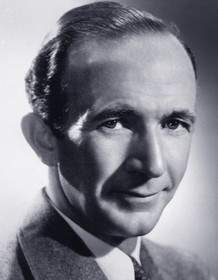
Mr. Matthews - Walter Brennan
Played by Walter Brennan
A pig-headed, self-reliant farmer who believes he can solve problems through sheer will. His stubbornness blinds him to the benefits of outside help and sustainable land use. Over the course of the story, he confronts the consequences of his choices, experiences fear for his family, and ultimately asks for forgiveness and acceptance.
- 👨🌾 Farmer
- 🧠 Stubborn
- 👪 Family-centered
- DM
Deborah Matthews - Marguerite Chapman
Played by Marguerite Chapman
The eldest daughter who is capable and brave, playing a key role in protecting the family when danger arises. She is both practical and determined, willing to work with Barkley even as she navigates family dynamics. Her actions on the hill and around the dam demonstrate leadership and resilience.
- 👩 Leader
- 🧠 Resourceful
- 🏡 Household
-

Susan Matthews - Natalie Wood
Played by Natalie Wood
The youngest daughter with a strong sense of nurture and ambition. She longs to raise lambs, joins the 4-H club, and demonstrates care for animals that drives the family’s hopes for a better future. Her courage shines as she braves the flood to save her lambs.
- 👧 Young
- 🐑 Lamb-lover
- 🌿 Ambitious
- DB
David Barkley - Robert Paige
Played by Robert Paige
An agricultural county agent who offers guidance and protection, initially appealing to Deborah and challenging Matthews’ plans. He embodies practical knowledge and kindness, helping the family see beyond their immediate wants. His presence catalyzes the turning point toward reconciliation and rebuilding.
- 👨🏫 Educator
- 🤝 Helpful
- 💡 Progressive
Where and When Is The Green Promise Set?
The Green Promise is set in Matthews Farm. Here is why the place matters to the story.
Where
Matthews Farm
The story unfolds on the Matthews family's rural farm, where fields, a hilltop forest, and a sturdy homestead frame daily life. The land and its forests are central to the family’s livelihood, making storms and floods a direct threat to their home. The surrounding community and 4-H club provide support as the family faces hardship together.
- 🏡 Farm
- 🌳 Forest
- ⛈️ Storm
- 👨👩👧 Family
What Are the Themes of The Green Promise?
3 ideas the story keeps returning to, among them Family Growth, Education & Community and Nature & Progress.
-
01
Family Growth
A stubborn father learns to prioritize his family’s safety and happiness over pride. The peril from the forest clearing, the storm, and the near-loss of his daughters push Matthews toward humility. The film centers on forgiveness, reconciliation, and building a united home with David’s guidance. The arc shows how love, rather than control, sustains a family through hardship.
-
02
Education & Community
David Barkley represents practical education and mentorship, encouraging responsible farming and safe land use. The 4-H club and the bank loan depict a community-based path to progress, not solitary effort. The family’s salvation comes when communal support arrives to help rebuild after the storm. The story extols learning, collaboration, and turning expertise into action.
-
03
Nature & Progress
The decision to clear the forest triggers a cascade of consequences, illustrating how short-sighted exploitation can endanger a home. The ensuing storm and flood threaten the homestead, forcing characters to confront nature’s power. In the end, restraint and stewardship help preserve the land for future generations. The narrative advocates balance between development and ecological responsibility.
What Kind of Film Is The Green Promise?
Hopeful in tone, with steady pacing and a straightforward story, going by the plot summary.
- Tone
- Hopeful
- Pacing
- Steady
- Story
- Straightforward
- Intensity
- Medium
- Ending
- Happy
A steady-paced family drama set on a farm, characterized by tense clashes and harsh consequences, which ultimately resolves into an uplifting story of reconciliation and community support.
- familial struggle
- hopeful
- tense
- rural
- melancholic
- uplifting
- family conflict
- farm life
- parenting
- romantic courtship
Content notes: child endangerment, severe injury.
Quiz
How well do you remember The Green Promise? Test yourself on the story.