
The Grasshopper and the Ants 1934

Directed by
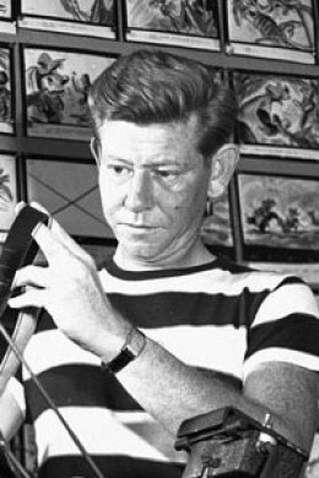
Wilfred Jackson
Made by

Walt Disney Productions
Where to Watch The Grasshopper and the Ants
See current US streaming, rental, and purchase options for The Grasshopper and the Ants (1934) via JustWatch.

Streaming availability powered by 
The Grasshopper and the Ants Plot Summary
Read the complete plot summary and ending explained for The Grasshopper and the Ants (1934). From turning points to emotional moments, uncover what really happened and why it matters.
The Grasshopper is content to drift through the meadow, fiddling, dancing, and munching on leaves. He spots a line of ants busy gathering food and laughs, calling one ant over to him. He tells the ant that there is food on every tree and there’s no reason to work, then launches into a bright, carefree song about how the world owes us a living.
The world owes us a living.
The ant begins to dance along for a moment, but soon the mood shifts as the Ant Queen is carried in a sedan chair and surveys the scene. The queen’s arrival brings a stern warning: idle playing won’t feed the colony, and she makes it clear that the grasshopper’s tune will not keep him fed when real hardship comes. The ant, listening to the queen’s authority, resumes its quiet labor, and the grasshopper’s merriment falters under the weight of the looming consequence.
Autumn gives way to winter, and the world grows cold. The grasshopper trudges through the snow, cold and hungry, as a single withered leaf offers a fragile hint of sustenance before it is carried away by the wind. Inside their sturdy shelter, the ants are feasting on stored food, warm and safe from the cold. Desperation leads the grasshopper to the ants’ door, where he collapses from exhaustion and pleas for shelter. The ants bring him inside, provide warmth, and set out food to help him endure the harsh season. The queen approaches once more, and with a firm but fair tone, explains the rule: only those who work may stay, and she tells him to take his fiddle.
Thinking he is being dismissed, the grasshopper makes to leave, but the queen’s command changes the moment: he must play. He tunes the fiddle again and, in a turn of humility, sings that he owes the world a living, recognizing that the ants were right about the value of effort and cooperation. The moment marks a quiet transformation, showing how hardship can teach a way of living that honors the community that sustains everyone through the harshest days.
The Grasshopper and the Ants Timeline
Follow the complete movie timeline of The Grasshopper and the Ants (1934) with every major event in chronological order. Great for understanding complex plots and story progression.
Grasshopper mocks the ants
The grasshopper dances with his fiddle and laughs at the ants' hard work. He calls an ant over and boasts that there is food on every tree, so there is no reason to labor. He sings that the world owes us a living, showing his carefree philosophy.
Queen ant arrives to observe
The queen ant is carried in a sedan chair to inspect the colony. She sees the grasshopper idling while some ants seem to be dancing or not working. She warns that winter will come and that such idleness cannot last.
Ants resume work under the queen's gaze
As the queen watches, the workers snap back to their tasks and the overall mood shifts toward productivity. A nearby ant nods to the queen, signaling obedience and renewed duty. The warning about winter underscores the need for preparation.
Grasshopper ignores the warning
The grasshopper dismisses the queen's warning, insisting that winter is a long way off. He remains carefree, continuing to boast about his philosophy and his belief that nothing bad will come of neglecting work. The scene emphasizes the impending contrast with harsh season ahead.
Autumn passes and winter approaches
Time passes from autumn into the first chill of winter. Leaves fall and the air grows cold while the ants prepare stores and plan for scarcity. The grasshopper remains out of step with the change in season.
Winter arrives and the grasshopper suffers
The grasshopper trudges through the snow, cold and hungry, searching for something to eat. A withered leaf flutters away as he reaches for it, underscoring his misfortune. His luck has run dry while the ants' stores keep them fed.
Ants feast while the grasshopper suffers
Inside the ant colony, workers enjoy the stored food and warmth. They demonstrate the fruits of preparation that the grasshopper mocked earlier. The stark contrast highlights the moral of the tale.
Grasshopper seeks shelter at the colony
Weak from cold and hunger, the grasshopper knocks on the ants' door and collapses. The ants carry him inside, warm him, and feed him back to health. The act of hospitality sets the stage for a test of his character.
Queen demands work for shelter
The queen confronts him, stating that only those who work may stay. She tells him to take his fiddle and prove he can contribute. The moment shifts from mercy to conditional obligation.
Grasshopper is dismissed then asked to play
Thinking she is dismissing him, the grasshopper starts to leave. The queen then interrupts him and orders him to play the fiddle, turning a dismissal into a chance to prove himself. He complies, wary but willing to engage.
The performance and final realization
The grasshopper plays and sings, proclaiming 'I owe the world a living.' He acknowledges the ants were right about preparation and the value of work. The colony accepts him back only if he contributes and learns the lesson.
The Grasshopper and the Ants Characters
Explore all characters from The Grasshopper and the Ants (1934). Get detailed profiles with their roles, arcs, and key relationships explained.
Grasshopper (Pinto Colvig)
A lively, music-loving creature who prefers leisure over labor. He mocks the ants' hard work and repeats the boast that the world owes us a living. He is carefree and charming, but also stubborn, facing the consequences of his choices. His arc moves from mockery to a reluctant willingness to contribute when faced with winter.
Ant Queen (Dorothy Compton)
Authoritative leader of the ant colony who keeps order and enforces the rule that only workers may stay. She carries the sedan chair and observes the grasshopper's frivolity with measured discipline. She embodies mercy tempered by obligation, offering shelter only after the Grasshopper demonstrates willingness to contribute.
The Grasshopper and the Ants Settings
Learn where and when The Grasshopper and the Ants (1934) takes place. Explore the film’s settings, era, and how they shape the narrative.
Time period
Autumn to Winter
Autumn gives way to winter as the story progresses. The grasshopper wanders in the snow, hungry, while the ants feast on their stored food. The season's hardship forces the grasshopper to confront the consequences of his choices.
Location
Forest clearing, ant hill
Set in a forest clearing and an ant hill, the place is a simple rural ecosystem where ants work in the soil and trees provide material for food. The grasshopper roams singing while the ants labor in the background. The environment shows autumn turning to winter, emphasizing the need for preparation.
The Grasshopper and the Ants Themes
Discover the main themes in The Grasshopper and the Ants (1934). Analyze the deeper meanings, emotional layers, and social commentary behind the film.
🐜
Work Ethic
The ants embody industriousness and long-term planning, storing food while the grasshopper indulges in music. The contrast highlights the necessity of preparation for survival. The story suggests that communal effort sustains the group and ensures shelter during hard times.
💡
Redemption
The grasshopper's hardship reveals that change is possible when facing consequences. He is given a chance to stay only if he contributes, culminating in him playing the fiddle to earn his keep. The moment marks a shift from frivolity to responsibility, showing that growth can follow missteps. The resolution quietly affirms that a community can offer mercy when there is genuine effort.
🤝
Community & Obligation
The ants' sheltering of the grasshopper is conditional, based on his willingness to work. The queen enforces the rule that only those who contribute may stay, balancing generosity with accountability. The fable emphasizes mutual obligation within a group, and the Grasshopper's final acceptance of that rule signals a tempered harmony.

Coming soon on iOS and Android
The Plot Explained Mobile App
From blockbusters to hidden gems — dive into movie stories anytime, anywhere. Save your favorites, discover plots faster, and never miss a twist again.
Sign up to be the first to know when we launch. Your email stays private — always.
Explore the mobile appThe Grasshopper and the Ants Spoiler-Free Summary
Discover the spoiler-free summary of The Grasshopper and the Ants (1934). Get a concise overview without any spoilers.
In a sun-drenched meadow where food seems plentiful and the days stretch lazily onward, a Grasshopper makes music his only occupation. With fiddle in hand, he drifts through a world of abundant leaves and warm light, convinced that nature’s generosity requires nothing in return. His carefree philosophy stands in stark contrast to the tireless columns of ants marching through the grass, each one burdened with provisions for a season that feels impossibly far away.
The meadow’s peaceful surface masks an underlying tension between two very different approaches to life. While the Grasshopper sings of a world that owes its creatures a living, the ants move with quiet dedication to something larger than themselves. Even the smallest ant pauses briefly, charmed by the Grasshopper’s melody, before the rhythm of duty pulls it back. The arrival of the Ant Queen — carried through the meadow with unmistakable authority — sharpens this divide. Her stern warning about idle days and hungry nights carries the weight of experience, though whether such wisdom will reach the Grasshopper’s carefree ears remains uncertain.
What emerges is a gentle but pointed meditation on the choices creatures make when abundance surrounds them. The Grasshopper’s bright song celebrates the joy of living for today, while the queen’s words cast a shadow of responsibility over the sunny meadow. As the seasons begin their slow turn, both philosophies linger in the air — one humming with possibility, the other steady with purpose — inviting viewers to consider what it truly means to live well in a world that offers both gifts and consequences.
Movies with Similar Twists and Themes
Uncover films that echo the narrative beats, emotional arcs, or dramatic twists of the one you're exploring. These recommendations are handpicked based on story depth, thematic resonance, and spoiler-worthy moments — perfect for fans who crave more of the same intrigue.


Featured on this page

What's After the Movie?
Not sure whether to stay after the credits? Find out!
Check out our other apps:

SAT Sphere
Build confidence for the Digital SAT.

Mori Atlas
Discover wild places worth protecting.

Luntero
Search smarter for a home in Amsterdam.

Plot Explained
Unravel movie endings and hidden clues.

Pokechamp
Dive into Pokémon data and battle logic.

Driving Theory
Get ready for your European theory test.

Movie Dust
Plan your next cinema trip with ease.

Musemap
Find art and culture as you travel.

Selkobase
Compare credentials before committing.

Local Manual
Turn an unfamiliar country into practical next steps.

Lernavi
Compare school systems before your next move.

GymRoam
Find a workout stop wherever your plans take you.
Explore Our Movie Platform
New Movie Releases (2026)
Famous Movie Actors
Top Film Production Studios
Movie Plot Summaries & Endings
Major Movie Awards & Winners
Best Concert Films & Music Documentaries
Movie Collections and Curated Lists
© 2026 What's After the Movie. All rights reserved.
Privacy Policy