
The Golden Coach 1952

Directed by
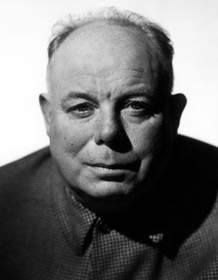
Jean Renoir
Made by

Panaria Film
The Golden Coach Plot Summary
Read the complete plot summary and ending explained for The Golden Coach (1952). From turning points to emotional moments, uncover what really happened and why it matters.
In a remote 18th-century Peruvian town, the Le Viceroy [Duncan Lamont] orders a magnificent golden coach, hoping to pay for it with public funds. There is chatter that he plans to gift it to his mistress, the Marquise [Gisella Mathews], but he insists the purpose is to awe the people and flatter the local nobility, who eagerly anticipate the chance to parade in it. By coincidence, the coach arrives on the same ship as an Italian commedia dell’arte troupe, a lively mix of men, women, and children who perform as singers, actors, and acrobats. The troupe is led by Don Antonio [Dante], who also embodies the stock character of Pantalone on stage, and features Camilla [Anna Magnani], who plays the cheerful Columbina.
Once the troupe refurbishes the town’s dilapidated theater, their performances begin to win the crowd, especially when Ramón [Riccardo Rioli], the town’s bullfighter, is won over by Camilla and joins in the applause. A command performance at the Viceroy’s palace draws even the gentry, who hold back their praise until the Viceroy signals his approval and requests a meeting with the troupe’s women. Camilla’s warmth and humor soften him, and he becomes genuinely charmed. When the Viceroy sends Camilla a splendid necklace, her jealous admirer Felipe [Paul Campbell] erupts in anger, trying to seize it backstage and triggering a riot that forces him to flee and enlist in the army.
The Viceroy then reveals that he will pay for the coach with his own money and present it to Camilla. This move stirs anger among the Marquise and the rest of the nobility, who are already resentful over his demands for funds to fund a military campaign against an insurgency. Led by the Duke [Ralph Truman], the nobles threaten to strip him of his post unless the coach is handed over to the government for official use only. As the tension peaks, Camilla, who has been listening in, enters and bluntly calls him a little man before snatching the coach and making a swift exit.
After a triumphant bullfight, Camilla tosses Ramón her necklace, which emboldens him to visit her that night and propose they become a celebrity couple to boost their earnings as performers. She contemplates this, even as Felipe’s hold over her grows stronger, and the possibility of returning the coach to Ramón weighs on her. Their plans are interrupted by a visitor; Camilla sends Ramón to alert the Viceroy that she now belongs to Ramón, but instead Felipe arrives to take her to live among the natives, a prospect she accepts, though she cannot bring the coach with her.
The Viceroy arrives, Camilla leaves Felipe to inform him of her decision, and soon discovers that the Viscount has defied the nobles and hopes the Bishop will approve their move. Feeling guilty, Camilla questions her own actions, while Felipe and Ramón clash in a sword fight and burst into Camilla and the Viceroy’s space. Camilla commands both men to go away, the Viceroy exits, and the two men are arrested outside.
The next morning, the Bishop [Jean Debucourt] enters the palace and announces that Camilla has given the coach to the Church, which will use it to transport the last sacraments to the dying. The Viceroy retains his position, and the Bishop calls for peace and reconciliation among the disputing factions.
As the curtain falls, Don Antonio breaks the fourth wall to remind Camilla that, as an actress, her true self and happiness are found onstage. She wonders if Felipe, Ramón, and the Viceroy truly exist anymore, and Don Antonio replies that they do not. She answers with a small, rueful honesty: “A little.”
“A little.”
The Golden Coach Timeline
Follow the complete movie timeline of The Golden Coach (1952) with every major event in chronological order. Great for understanding complex plots and story progression.
Viceroy orders the golden coach with public funds
The Viceroy announces plans to commission a magnificent golden coach and insists the purchase is funded from public money. There is gossip that he intends to gift it to his mistress, the Marquise, but he insists the aim is to awe the populace and flatter the local nobility. The nobles eagerly anticipate their turns to ride in it.
Coach and troupe arrive; Don Antonio and Camilla introduced
The coach arrives on the same ship that carries a colorful Italian commedia dell'arte troupe. The troupe is led by Don Antonio (Pantalone on stage) and Camilla (Columbina), and they begin making themselves at home in the town. They also plan to refurbish the town's dilapidated theater, bringing new life to performances.
Theatre refurbishment succeeds; Ramón falls for Camilla
The troupe's refurbishment of the town's theater breathes new life into the venue, and performances draw larger crowds. Ramón, the local bullfighter, falls in love with Camilla and leads the audience in thunderous applause. Camilla's growing presence earns her both affection and attention from the townspeople and the visiting nobles alike.
Command performance arouses the Viceroy's interest
A command performance at the Viceroy's palace showcases the troupe's talents and raises hopes of official favor. The gentry withholds their support until the Viceroy signals approval and asks to meet the women of the company. The Viceroy is charmed by Camilla and makes her feel at ease, within polite and playful bounds.
Necklace arrives; jealousy and backstage brawl
The Viceroy sends Camilla a splendid necklace, triggering Felipe's jealousy as he has been her companion and protector on the road. Felipe tries to seize the necklace backstage, sparking a riotous brawl that interrupts the performance. In the aftermath, Felipe escapes to join the army.
Nobles threaten to strip the Viceroy; coach to be government property
Angry nobles, led by the Duke, pressure the Viceroy to hand over control of the coach to the government for official use. They threaten to strip him of his post if he refuses. The coach becomes a flashpoint in the political tug-of-war between the crown and the aristocracy.
Camilla overhears scheming; she escapes with the coach
Seizing the moment, Camilla overhears the nobles' scheming and confronts the Viceroy, calling him a 'little man' before escaping with the coach. Her act represents a decisive assertion of agency against the nobles' political maneuvering. The coach's departure signals a shift in power away from the Viceroy.
Ramón's bullfight triumph; Camilla tosses necklace; night talk of fame
Ramón's triumphant bullring performance provides a public display of charm, and Camilla rewards him with her necklace as a sign of affinity. He visits her home that night and proposes they become a celebrity couple to boost their earnings as performers. Camilla weighs the idea, aware that Ramón's plan could force her to part with the coach.
Felipe arrives; Camilla agrees to native life; coach remains
A visitor arrives: Felipe intends to take Camilla to live among the natives he admired during captivity. Camilla agrees to the arrangement, but she cannot take the golden coach with her. The personal and political tensions intensify as loyalties are tested.
Camilla informs Viceroy of leaving; nobles' defiance looms
The Viceroy arrives; Camilla leaves Felipe to tell him that she is leaving, anticipating a possible new life with Ramón. She learns that the nobles have defied him and expect the Bishop to approve their move to depose him, deepening her guilt for having helped the power struggle. The moment threads personal decisions into political consequences.
Duel erupts as tensions boil over
Felipe and Ramón locate each other and a sword duel erupts. They accidentally burst into Camilla and the Viceroy, exposing the tangled love triangle and political stakes. Camilla commands all three men to go away, and the Viceroy exits as the duel spills outside, ending with the rivals' arrest.
Bishop asserts control; coach given to the Church
The next morning, the Bishop arrives to announce that Camilla has given the coach to the Church, to be used for transporting the last sacraments to the dying. The Viceroy keeps his position for now, and the Bishop calls for peace and reconciliation among the disputing parties. The coach's transfer marks a settlement of the immediate crisis.
Curtain falls; Don Antonio's meta-closure
The curtain falls and Don Antonio breaks the fourth wall to remind Camilla that, as an actress, she can only realize her true self while performing onstage. He asks whether Felipe, Ramón, and the Viceroy exist anymore; she answers that they do, 'a little.' The moment underscores the play's blend of performance and identity.
The Golden Coach Characters
Explore all characters from The Golden Coach (1952). Get detailed profiles with their roles, arcs, and key relationships explained.
Camilla (Anna Magnani)
A leading performer of the commedia dell’arte troupe who plays Columbina on stage and uses her artistry to navigate power and affection offstage. She captures attention with charm while maintaining a strategic, self-aware perspective on her role in a male-dominated world. Her choices drive the plot as she moves from audience darling to a figure who can decide the fate of the coach.
Ramón, le Toreador (Riccardo Rioli)
A renowned bullfighter who becomes smitten with Camilla and publicly applauds the troupe’s work. His passion and pursuit of fame intersect with the town’s politics, turning his romance into a catalyst for conflict. Ramón’s bravado and loyalty propel key confrontations and the eventual restraint of the competing forces.
Felipe (Paul Campbell)
Camilla’s jealous suitor who travels with the troupe and initially gifts her a necklace. He embodies possessiveness and volatile temperament, acting on anger to attempt control over Camilla. His actions trigger a backstage brawl and a chain of events that influence the political maneuvering around the coach.
The Viceroy Ferdinand (Duncan Lamont)
The powerful ruler of the remote Peruvian town who aims to use the grand coach to project authority. He finances the coach, defends his post against noble pressure, and navigates shifting alliances until Camilla’s bold actions upend expectations. His flirtation with authority exposes the fragility of political power.
Marquise Irene Altamirano (Gisella Mathews)
The Viceroy’s mistress and a figure of aristocratic pride who resents the coach’s transfer to Camilla and the public’s enthusiasm for the troupe. Her reaction embodies the tension between personal wealth and the common good as societal norms are challenged by performance and spectacle.
Eveque de Carmol (Jean Debucourt)
The church authority in the town who advocates for reconciliation and the public good of the community. He becomes a key player in the final disposition of the coach, steering events toward a peaceful resolution after a period of political brinkmanship.
Duchesse de Castro (Elena Altieri)
A noble figure connected to the coach and the court’s social orbit, representing the interests and prestige of the upper class. Her presence underscores the social stakes surrounding the coach and the troupe’s success.
Don Antonio (Actor-Director of Troupe)
Leader of the commedia troupe who also embodies the stock character Pantalone on stage. He guides the troupe’s refurbishing of the town theater and frames the performers’ self-discovery through performance.
The Golden Coach Settings
Learn where and when The Golden Coach (1952) takes place. Explore the film’s settings, era, and how they shape the narrative.
Time period
18th century
The action unfolds in an era of colonial rule when viceroys, nobles, and the church shape everyday life. Public funds and displays of wealth are used to flatter status, while popular performances become a means of social engagement. The period is characterized by ceremonial pomp, rival factions, and a rigid social hierarchy that is tested by theatrical spectacle.
Location
Peru
Set in an isolated 18th-century Peruvian town under a viceroyalty, the location centers on a magnificent golden coach and a bustling, improvised theater life. The town’s social order is visible in the palatial palace, the dilapidated theatre, and the public square where crowd-pleasing performances unfold. The arrival of a grand European coach and an Italian commedia troupe upends local politics and class rivalries.
The Golden Coach Themes
Discover the main themes in The Golden Coach (1952). Analyze the deeper meanings, emotional layers, and social commentary behind the film.
🎭
Theatre as Catalyst
The commedia troupe revives a neglected town theater and gives Camilla a platform to reveal her true self. Performance serves as both entertainment and social commentary, blurring between stage life and real life. Don Antonio frames the actress’s happiness as tied to her onstage identity, suggesting art as the key to personal fulfillment.
👑
Power and Prestige
The golden coach becomes a symbol of status that queens and nobles crave to wield. The Viceroy’s choice to finance the coach privately aims to flatter the ruling circle, provoking aristocratic backlash. The nobles threaten the Viceroy’s position to maintain control, illustrating how wealth and ritual preserve social hierarchy.
❤️
Love and Rivalry
Camilla’s interactions with Ramón and Felipe ignite a tense love triangle. Ramón’s devotion and public adoration meet Camilla’s independence and ambition, while Felipe’s jealousy exposes the fragility of romance amid politics. The relationships influence decisions about the coach, power, and Camilla’s ultimate allegiance.
⚖️
Duty vs Freedom
Public duty, church authority, and noble expectation clash with personal desire and artistic freedom. The coach’s fate—moving from royal spectacle to church use—highlights how institutions attempt to control both art and life. Camilla’s final act of relinquishing the coach to the Church marks a tension between societal obligation and individual fulfillment.

Coming soon on iOS and Android
The Plot Explained Mobile App
From blockbusters to hidden gems — dive into movie stories anytime, anywhere. Save your favorites, discover plots faster, and never miss a twist again.
Sign up to be the first to know when we launch. Your email stays private — always.
Explore the mobile appThe Golden Coach Spoiler-Free Summary
Discover the spoiler-free summary of The Golden Coach (1952). Get a concise overview without any spoilers.
In a sun‑baked outpost of 18th‑century Peru, the colonial administration is preoccupied with a single, dazzling ambition: a golden coach meant to awe the populace and impress the local aristocracy. The town itself is a patchwork of crumbling stone buildings, a modest theater, and lively market squares where the scent of spices mixes with the distant echo of cavalry drums. Into this world a travelling Italian commedia dell’arte troupe arrives, breathing colour and music into the streets, and instantly reshaping the rhythm of daily life.
At the heart of the story are four charismatic figures whose desires intersect with the troupe’s arrival. The newly appointed Viceroy, Duncan Lamont, is a man of grand gestures, determined to leave a mark on the province while balancing the expectations of the crown. He finds his meticulous plans challenged by the flamboyant presence of a nobleman, Ralph Truman, whose own sense of entitlement and rivalry for prestige adds a sharp edge to the political climate. A celebrated bullfighter, Ricardo Rioli, embodies the raw, earthy passion of the local culture and becomes an unexpected admirer of the stage. The troupe’s star actress, Anna Magnani, plays the clever Columbina, radiating wit and warmth that draw both men and audiences alike into her orbit. Guiding them from behind the curtain is the troupe’s charismatic leader, Don Antonio, whose playful breaking of the fourth wall hints at deeper layers of performance and identity.
The film moves with a bright, theatrical tone, weaving together swash‑buckling bravado, courtly intrigue, and the exuberant chaos of a traveling circus. The juxtaposition of colonial pomp and the troupe’s improvisational spirit creates a lively dance of attraction and competition, leaving the viewer eager to see how art, ambition, and desire will reshape each character’s sense of place and purpose.
Movies with Similar Twists and Themes
Uncover films that echo the narrative beats, emotional arcs, or dramatic twists of the one you're exploring. These recommendations are handpicked based on story depth, thematic resonance, and spoiler-worthy moments — perfect for fans who crave more of the same intrigue.


Featured on this page

What's After the Movie?
Not sure whether to stay after the credits? Find out!
Check out our other apps:

SAT Sphere
Build confidence for the Digital SAT.

Mori Atlas
Discover wild places worth protecting.

Luntero
Search smarter for a home in Amsterdam.

Plot Explained
Unravel movie endings and hidden clues.

Pokechamp
Dive into Pokémon data and battle logic.

Driving Theory
Get ready for your European theory test.

Movie Dust
Plan your next cinema trip with ease.

Musemap
Find art and culture as you travel.

Selkobase
Compare credentials before committing.

Local Manual
Turn an unfamiliar country into practical next steps.

Lernavi
Compare school systems before your next move.

GymRoam
Find a workout stop wherever your plans take you.
Explore Our Movie Platform
New Movie Releases (2026)
Famous Movie Actors
Top Film Production Studios
Movie Plot Summaries & Endings
Major Movie Awards & Winners
Best Concert Films & Music Documentaries
Movie Collections and Curated Lists
© 2026 What's After the Movie. All rights reserved.
Privacy Policy