
The Golden Boat 1990

Directed by
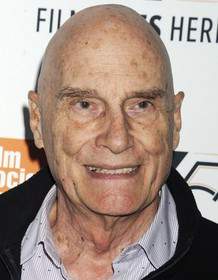
Barbet Schroeder
Made by

Nomad Films
The Golden Boat Plot Summary
Read the complete plot summary and ending explained for The Golden Boat (1990). From turning points to emotional moments, uncover what really happened and why it matters.
The Golden Boat blends the brisk rhythm of American police procedurals with the vivid melodrama of Mexican soap operas, all set against the gritty pulse of New York’s Underground Art scene in the early 1990s. On the street, a philosophy student and critic at The Village Voice, Israel Williams, crosses paths with Michael Kirby as Austin, an old man who has survived multiple stab wounds and remains oddly enchanted by a soap opera star. Despite his injuries, Austin refuses medical help and presses Israel to help him locate his alienated son, a request that pulls him deeper into a labyrinth of memories and loyalties.
What follows is a corridor of complications: Israel discovers that the old man is not just troubled but a murderer, a revelation that shatters the boundaries between observer and participant. As the quest to uncover a family fracture widens, Israel finds himself slipping into a strange, vivid world where international celebrities mingle with Marxist-leaning employees and postmodern literary critics. The city around them resembles a living archive of art, fame, and betrayal, where every street corner hints at a story and every face could be a clue.
Shortly summed up as an absurdist odyssey through downtown Manhattan, the film threads together a sweet old serial killer, a young rock-music critic, and a cast of global bohemians who seem to float just above the ordinary limits of reality. The criminals in this world feel desensitized, numb to the ordinary consequences of their actions, while death, confusion, craziness, cowardice, and loneliness become recurring motifs that push the narrative toward questions rather than answers. The tone remains deliberately ambiguous, inviting viewers to interpret the strange events as a reflection of life itself rather than as a neatly tied story.
Throughout its running time, the film’s mood and pacing are shaped by a daring audiovisual approach. Color dominates the frame, but the sound design repeatedly undercuts the visuals with abrupt, jump-cutting music. The director’s technique shifts between color and black-and-white, and in the black-and-white sequences the score takes on a hyper-melodramatic quality that heightens the drama and surrealism of the moment. This playful tension between image and sound reinforces the film’s theme: that reality can feel as capricious and theatrical as any script, and that meaning often hides in the gaps between perception and memory.
The Golden Boat Timeline
Follow the complete movie timeline of The Golden Boat (1990) with every major event in chronological order. Great for understanding complex plots and story progression.
Meeting the old man
Israel Williams, a philosophy student at The Village Voice, meets Austin, an elderly man who is wounded but strangely unbothered by his injuries. Austin is in love with a soap opera star and refuses medical help, setting a darkly comic tone. He asks Israel to help him find his alienated son, kicking off the central quest of the film.
A dangerous alliance forms
Israel agrees to help and enters a precarious alliance with Austin. The mission drags Israel into a street-level labyrinth of the underground art world and its oddball denizens. The stakes are personal, mixing affection with looming danger.
Austin's secret revealed
Israel discovers that Austin is more than a wounded old man—he is a murderer with a chilling past. The revelation shifts their relationship from caregiver and client to wary accomplices. The danger they face escalates as the search continues.
An absurdist odyssey unfolds
Israel ventures deeper into downtown Manhattan, where the city becomes a surreal stage populated by international celebrities, Marxist employees, and postmodern literary critics. The boundaries between reality and performance start to blur as every encounter feels symbolic. The quest transforms into viewing life through a carnival-like lens.
Bohemians and performative identities
The duo moves through a spectrum of bohemian characters who blur identities and loyalties. The old killer's presence injects menace into the colorful scenes, while Israel tries to maintain some rational thread. The film uses these encounters to mirror the chaos of urban art life.
The search for the son intensifies
Israel relentlessly pursues clues about Austin's alienated son, interviewing unlikely informants and following surreal hints through the streets. Each step uncovers more questions than answers, deepening the sense of confusion. The quest remains personal but increasingly entangled with the city’s oddities.
Criminal numbness and mortality
Criminals in the film appear desensitized and numb, reflecting themes of death, cowardice, and loneliness. This mood pervades the interactions and heightens the tension around Austin's violent past. The film uses this atmosphere to probe moral ambiguity.
Cinematic shifts
The film's color sequences are interrupted by abrupt black-and-white interludes, a stylistic choice that disrupts perception. The rapid cuts and shifts align with the uneasy mood and keep the audience off-balance. This technique underscores the film's themes of fragmentation and life-as-odyssey.
Music amplifies the imagery
In the black-and-white shots, the music swells in a hyper-melodramatic way, intensifying emotions beyond what visuals alone convey. The audio collage often undercuts or amplifies what is seen on screen, reinforcing the film's experimental tone. The soundtrack becomes a narrative force in its own right.
Austin's dual nature
Austin is described as a 'sweet old serial killer,' a juxtaposition that keeps Israel and the audience guessing about his true intentions. His charm and violence coexist, driving both awe and fear. The dynamic between the two men remains unstable as the search continues.
Reality mirrors life
The narrative deliberately mirrors the randomness and ambiguity of life, with events unfolding in a way that feels both inevitable and arbitrary. Israel's own perception shifts as the line between storytelling and reality dissolves. The film invites interpretation rather than delivering final answers.
Ambiguous ending
The film closes with unresolved questions and a lingering sense that the events reflect the chaotic texture of existence. Viewers are left to draw their own meanings from the odyssey. The final impression is a testimony to the film's existential mood.
The Golden Boat Characters
Explore all characters from The Golden Boat (1990). Get detailed profiles with their roles, arcs, and key relationships explained.
Israel Williams (Federico Muchnik)
A young philosophy and criticism student at The Village Voice; curious and intellectually inclined, he navigates a surreal urban landscape where art collides with crime and celebrity. His journey reveals his vulnerability and mounting confusion as he tries to make sense of the strange world around him.
Austin (Michael Kirby)
An older man in love with a soap opera star, who survives multiple stab wounds yet remains seemingly unfazed. He tasks Israel with finding his alienated son, pulling him deeper into a dangerous, dreamlike world. Austin’s menace and tenderness drive the film’s emotional paradox.
Amelia Lopes (Kate Valk)
A figure within the downtown bohemian milieu who intersects with Israel and Austin; she embodies the energy and wit of the Underground Art scene, contributing to its textures of desire and doubt.
Stranger (Jim Jarmusch)
A mysterious presence navigating the film’s surreal cityscape; embodies ambiguity and the fluid boundary between reality and performance in the urban labyrinth.
Swiss assassin (Vito Acconci)
A cold, professional killer who contributes to the film’s sense of danger and to the atmosphere of distrust within the city’s underground social fabric.
Professor (Kathy Acker)
A figure linked to academia and postmodern culture; her presence underscores the intellectual layer of the film and the tension between theory and street life.
Alina (Mary Hestand)
A character within the film’s social milieu; her interactions highlight the city’s theatricality and the complexities of personal connections in an alienating urban space.
The Golden Boat Settings
Learn where and when The Golden Boat (1990) takes place. Explore the film’s settings, era, and how they shape the narrative.
Time period
early 1990s
The story unfolds in the early 1990s, a period marked by a thriving downtown counterculture in New York. The era’s experimental art and media scene provides a backdrop where celebrities, critics, and marginalized voices collide. Visually, the era is echoed through a deliberate alternation between color and black-and-white, underscoring the film’s offbeat, experimental mood.
Location
Downtown Manhattan, The Village, New York City
Downtown Manhattan and The Village form the film’s core setting, a dense urban maze of galleries, clubs, and street culture. It’s a hub for bohemians and critics drawn to a vibrant Underground Art scene in the early 1990s. The city’s gritty energy and sharp artistic contrasts shape the tone, with color and urban textures highlighting a world where art and danger mingle.
The Golden Boat Themes
Discover the main themes in The Golden Boat (1990). Analyze the deeper meanings, emotional layers, and social commentary behind the film.
💀
Death
Death threads through the narrative as Austin’s stabbing and a world that numbs itself to violence reveal mortality as an everyday presence. The old man’s murderous tendencies contrast with his tenderness, pushing Israel to confront the fragility of life. The film treats death as both a personal fate and a social spectacle that reshapes relationships.
🌀
Absurdism
An absurd odyssey drives the plot: a philosophy student spirals through a surreal downtown maze of celebrities, critics, and criminals. Rapid shifts between color and black-and-white undermine conventional storytelling, reinforcing a dreamlike, disorienting tone. Questions outnumber answers, and the city itself feels like a stage for illogical possibilities.
🌃
Loneliness
The crowded urban setting amplifies isolation, with characters drifting through relationships that rarely fulfill their needs. Israel’s curiosity and Austin’s obsession expose longing that cannot be satisfied in a world of strangers. The film emphasizes a pervasive sense of alienation amid social performances and superficial connections.
🎭
Celebrity & Bohemia
The Underground Art scene pulses with international celebrities, Marxist employees, and postmodern critics who blur the line between art and life. Fame and performance filter through the characters’ desires, shaping interactions in a city that thrives on image. The narrative treats glamour as both lure and distraction within a chaotic urban ecosystem.

Coming soon on iOS and Android
The Plot Explained Mobile App
From blockbusters to hidden gems — dive into movie stories anytime, anywhere. Save your favorites, discover plots faster, and never miss a twist again.
Sign up to be the first to know when we launch. Your email stays private — always.
Explore the mobile appThe Golden Boat Spoiler-Free Summary
Discover the spoiler-free summary of The Golden Boat (1990). Get a concise overview without any spoilers.
In a fever‑dream version of early‑1990s Manhattan, the city pulses like a neon‑lit stage where police procedurals clash with the flamboyance of Mexican soap operas. The streets are a collage of gritty back‑alley graffiti, underground art galleries, and the constant hum of radio‑talk shows, all filtered through a visual language that flips between vivid colour and stark black‑and‑white. The soundtrack flickers in tandem, sometimes undercutting the scene with abrupt cuts, other times swelling into hyper‑melodramatic swells that turn ordinary exchanges into something strangely theatrical. This restless, almost tactile atmosphere sets the tone for a madcap, surreal odyssey that feels both gritty and oddly poetic.
Austin is an aging, street‑wise assassin whose weathered composure masks a compulsive streak and a lingering obsession with a distant soap‑opera star. Though his body bears the marks of countless altercations, he moves through the city with an unsettling calm, refusing conventional help and insisting on following his own cryptic code. He is a figure both feared and oddly sympathetic, embodying the paradox of a killer who seems more haunted by loneliness than by the act itself. Enter Israel Williams, a young philosophy student and rock‑music critic for The Village Voice, whose intellectual curiosity and frantic energy make him a perfect foil for Austin’s seasoned cynicism. Their unlikely partnership forms the film’s emotional core, as Israel is drawn into a world where academic debates about God can dissolve into gangster‑style insults in a single breath.
Together they navigate a cast of characters that feels lifted straight from a TV lineup—Marxist office workers, post‑modern literary critics, and international bohemians—all speaking in a rhythm that oscillates between earnest philosophical musings and melodramatic soap‑opera flair. The dialogue itself becomes a bridge between high art and low‑brow pulp, hinting at deeper questions about existence, mortality, and the chaotic nature of the city itself. Within this kaleidoscopic backdrop, the film invites viewers to drift along the currents of Manhattan’s underbelly, where every alleyway could conceal another fragment of an absurdist puzzle that never fully resolves, leaving curiosity as the only true destination.
Movies with Similar Twists and Themes
Uncover films that echo the narrative beats, emotional arcs, or dramatic twists of the one you're exploring. These recommendations are handpicked based on story depth, thematic resonance, and spoiler-worthy moments — perfect for fans who crave more of the same intrigue.


Featured on this page

What's After the Movie?
Not sure whether to stay after the credits? Find out!
Check out our other apps:

SAT Sphere
Build confidence for the Digital SAT.

Mori Atlas
Discover wild places worth protecting.

Luntero
Search smarter for a home in Amsterdam.

Plot Explained
Unravel movie endings and hidden clues.

Pokechamp
Dive into Pokémon data and battle logic.

Driving Theory
Get ready for your European theory test.

Movie Dust
Plan your next cinema trip with ease.

Musemap
Find art and culture as you travel.

Selkobase
Compare credentials before committing.

Local Manual
Turn an unfamiliar country into practical next steps.

Lernavi
Compare school systems before your next move.

GymRoam
Find a workout stop wherever your plans take you.
Explore Our Movie Platform
New Movie Releases (2026)
Famous Movie Actors
Top Film Production Studios
Movie Plot Summaries & Endings
Major Movie Awards & Winners
Best Concert Films & Music Documentaries
Movie Collections and Curated Lists
© 2026 What's After the Movie. All rights reserved.
Privacy Policy