

What Is The Fourth Direction About?
The premise of The Fourth Direction in 387 words, with nothing given away. The full story follows below.
In the humid dusk of 1980s Punjab, a landscape scarred by recent conflict hums with an unease that settles over fields, villages and the faint clatter of distant rails. The lingering shadow of Operation Blue Star lingers in the air, shaping a world where fear and suspicion are as commonplace as the monsoon rains. Both the separatist militants and the government’s security forces move through the countryside like unseen currents, their presence felt in whispered conversations and the careful glances of ordinary people. This uneasy atmosphere forms the backdrop for a story that feels both intimate and inexorably linked to the larger turmoil of the era.
Against this tense setting, two Hindu friends, Jugal and Raj, find themselves stranded after missing the last passenger train to Amritsar. Their desperation leads them, along with a solitary Sikh traveler, to board a freight train that already holds a security guard, two young Sikhs and a few railway workers. The cramped compartment becomes a micro‑cosm of the surrounding anxieties, its narrow windows framing a night sky that seems to hold more questions than answers. As the train rattles forward through the desolate plains, the cramped space forces the strangers into a fragile camaraderie, each holding their own unspoken stories.
In the flickering light of the carriage, Jugal begins to share a memory from his own past—a night when his family, lost in the countryside, sought shelter at a remote farmhouse. The recollection hints at the complex web of loyalties and fear that defines everyday life in a region caught between militancy and state authority. The tale offers a glimpse of the ordinary people caught in the cross‑currents of history, their quiet lives shadowed by the demanding expectations of both sides.
The film’s tone is steeped in quiet tension, balancing the raw realism of a rural landscape with moments of human connection that shine through the pervasive paranoia. Its style leans on lingering shots of the open fields, the rhythmic clatter of the train, and the charged silence between passengers, inviting the audience to feel the weight of a time and place where every breath could carry an unspoken threat. The story sets up a compelling portrait of survival, trust, and the lingering echo of a nation in flux, leaving the viewer eager to see how these fragile bonds are tested.
What Happens in The Fourth Direction?
The complete story of The Fourth Direction, from the first scene to the last, in 492 words (about 2 minutes). Spoilers throughout. Names in the text link to 2 cast member pages.
Spoilers ahead
Set against the tense aftermath of Operation Blue Star in 1980s Punjab, the film threads together two stories that probe fear, loyalty, and the fragile line between civilian life and political violence. The atmosphere is thick with paranoia, where neighbors, authorities, and strangers seem suspect, and ordinary choices are weighed against the looming possibility of harm.
The film opens with two Hindu friends, Jugal and Raj, looking for a train to Amritsar late in the evening. After they miss the last passenger train, they—and a Sikh man in the same predicament—force their way onto a freight car. Inside, a security guard, two young Sikhs, and a couple of train workers already populate the small compartment, intensifying the sense that any movement could invite trouble. The air is charged with fear as the men try to stay calm, and it is this tension that prompts Jugal to recount a troubling incident from his past involving his wife and their young daughter.
The narrative shifts into a flashback set on a rural night. Lost in the countryside, Jugal, his wife, and their daughter reach a farmhouse on the outskirts of the village, terrified and with little choice but to knock and hope for hospitality. The head of the house, Joginder Suvinder Vicky, initially meets their plea with wary caution but soon offers them shelter and direction. The warmth of the welcome is tempered by the ever-present fear of who might be watching beyond the walls.
Inside the house, Joginder’s mother Gurpreet Bhangu offers tea and a careful, knowing hospitality. The family’s ordinary routine is interrupted when Sikh militants arrive and press Joginder to kill the family dog, arguing that the barking will draw unwanted attention. The request reveals the brutal logic of coercion in a landscape where even a seemingly benign animal can become entangled in political fear. The family endures a night of tension as the militants search the premises, and the next morning the paramilitary forces turn the home upside down in their hunt for supposed separatists.
Back aboard the freight train, the guard’s order to disembark is a stark reminder of how fragile safety can be in such a charged environment. The passengers’ nerves stay taut as the possibility of exposure or pursuit lurks just beyond the open door.
Ultimately, the film stitches these two strands into a single, cohesive arc: one of the friends on the train recounts the farmhouse incident, thereby merging the two tales into a shared meditation on how fear travels and reshapes ordinary life. The result is a slow-burn, morally textured portrait of a society living under constant pressure, where hospitality, trust, and even a dog’s bark become political signals and every quiet moment might be disrupted by the presence of danger. The narrative invites viewers to reflect on how communities endure, how memories of violence shape present choices, and how the line between civilian life and conflict can blur in the most intimate of ways.
The Fourth Direction Timeline: Every Key Event in Order
12 key events in the order they happen, from “Missed train forces a crowded ride” to “Final reflection on living under threat”. 12 events name a place, across 10 locations.
- 1
Missed train forces a crowded ride
Jugal and Raj miss the last passenger train to Amritsar and squeeze into a crowded freight car with a security guard, two young Sikhs, and some train workers. The enclosed space, the moving freight, and the tense glances make every small sound feel like a spark that could ignite trouble. The air is thick with fear as the group tries to stay calm.
When:Late evening Where:Freight car, late evening
- 2
A story begins: Jugal recalls a past incident
Inside the freight car, Jugal begins recounting a troubling incident from his past involving his wife and their young daughter. His memory interrupts the present, underscoring how fear travels across people and spaces. The repetition of the past mirrors the passengers’ shared paranoia.
When:Present on train Where:Freight car
- 3
Flashback to the rural farmhouse
In a rural flashback, Jugal, his wife, and daughter are lost at night and stumble upon a farmhouse on the village outskirts, hoping for shelter. They knock and, after a wary moment, are welcomed inside. The warmth of hospitality sits alongside the fear of peering eyes beyond the walls.
When:Night Where:Outskirts of village, farmhouse
- 4
Joginder opens doors with wary hospitality
Joginder, the farmhouse head, greets them cautiously but eventually offers shelter and direction. The mother's careful hospitality confirms a fragile trust born of desperation. Yet the sense that danger lurks just outside remains constant.
When:Night Where:Joginder's farmhouse
- 5
Militants arrive and demand the dog
Militants arrive and press Joginder to kill the family dog, arguing that barking will draw unwanted attention. The request reveals the coercive logic operating in the violent landscape. The family is forced to weigh ordinary loyalties against political pressures.
When:Night Where:Farmhouse
- 6
A night of enforced suspense
The night turns into a prolonged period of suspense as the militants search the premises, interrogate the family, and erase ordinary routines. Fear saturates every room and sound, leaving the family waiting in tense silence. The sense that any moment could bring a worst-case outcome is overwhelming.
When:Night Where:Farmhouse interior
- 7
Morning raid by paramilitary forces
Next morning, paramilitary forces overturn the home in their hunt for supposed separatists, turning furniture and lives upside down. The raid widens the circle of suspicion and tests the family’s endurance. The violence that began with militants now intrudes into official searches.
When:Morning Where:Farmhouse
- 8
The family bears the consequences
The raid's intrusion unsettles the family long after the officers leave, the memory of the dog issue and the scale of the disruption lingering. The sense that private life has become a political stage lingers with them. The episode demonstrates how fear reshapes daily choices.
When:Post-raid morning Where:Farmhouse
- 9
Return to the carriage
Back on the freight train, the guard orders disembarkment, reminding the passengers that safety remains provisional in a charged atmosphere. The movement of people is as risky as the journey itself. Everyone contends with the possibility of exposure or pursuit as the carriage continues its ride.
When:Evening Where:Freight train carriage
- 10
The threads converge on the ride
The friend on the train finishes his recount, merging the farmhouse incident with the present journey and creating a shared meditation on how fear travels. The two stories become one arc about memory, violence, and how communities endure under constant pressure. The film invites quiet reflection rather than loud conclusions.
When:Present Where:Onboard train
- 11
Hospitality as a political signal
Hospitality, trust, and even a dog's bark become political signals that can invite danger or suspicion, showing how ordinary acts are weighed against political violence. The setting—rural homes and crowded trains—highlights the fragile line between civilian life and conflict. The atmosphere remains thick with paranoia as the characters navigate danger.
When:Throughout Where:Rural home and train environment
- 12
Final reflection on living under threat
Ultimately the film suggests that memories of violence shape present choices and that fear can blur the boundaries between civilian life and conflict. It asks viewers to consider how communities endure when every quiet moment might be disrupted. The narrative is a slow-burn meditation on resilience amid fear.
When:End Where:General
Who Are the Main Characters in The Fourth Direction?
2 characters, among them Joginder and Joginder's mother: who each one is and the part they play in the story. Every profile links to the actor’s page.
- J
Joginder
Played by Suvinder Vicky
Joginder is the head of the farmhouse and a cautious, level-headed host who tries to keep his family safe while sheltering outsiders. He is pulled between hospitality and the danger of insurgent coercion, aware that any misstep could invite violence from militants or security forces. His steadiness and quiet resolve highlight how ordinary people navigate fear when loyalties and secrets collide.
- 🏠 Family
- 🛡️ Duty
-
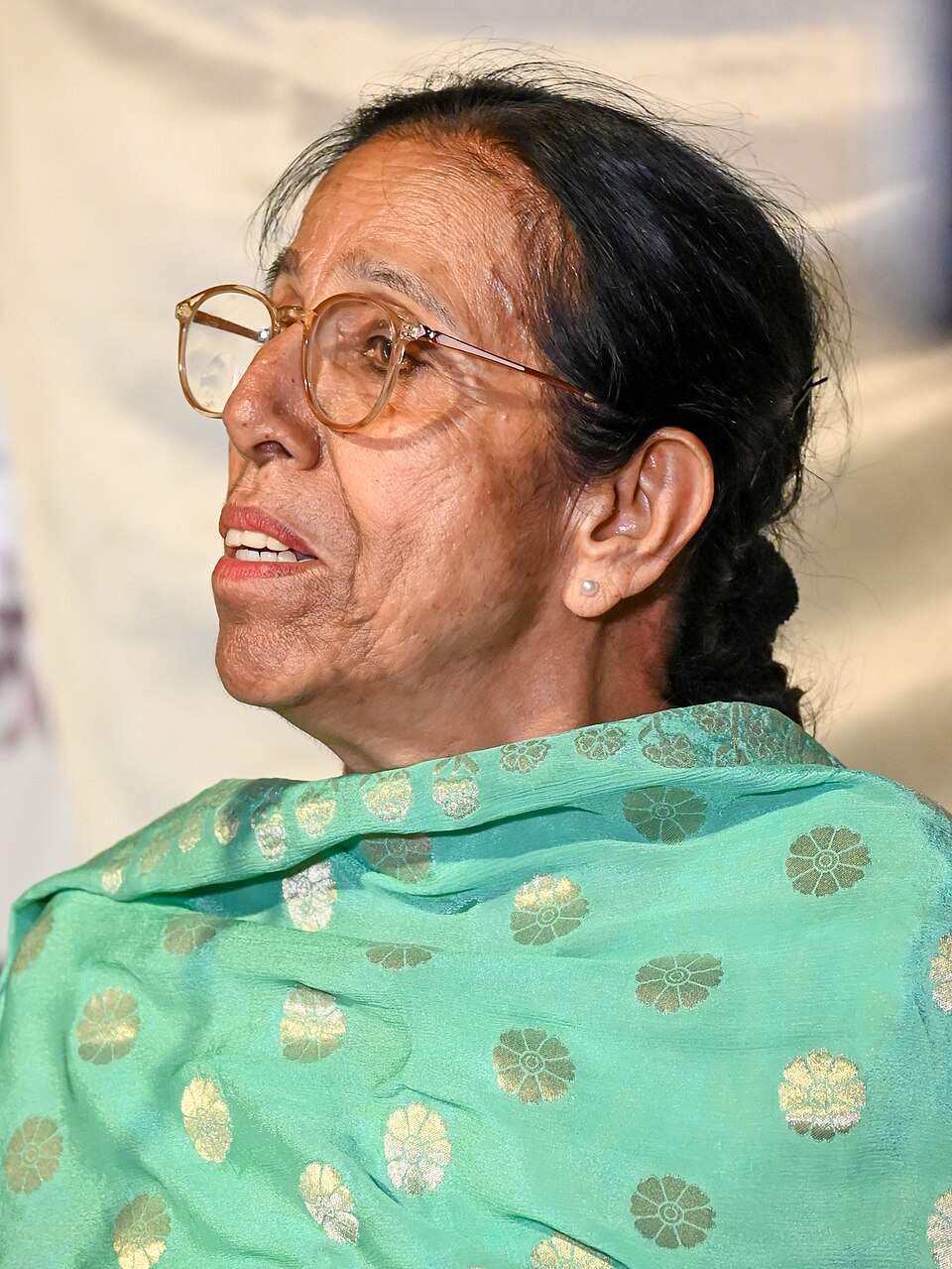
Joginder's mother
Played by Gurpreet Bhangu
She offers tea and measured hospitality, embodying a traditional matriarch who balances warmth with vigilance as militants search the home. Her calm, perceptive presence provides a subtle resilience against the surrounding fear. Through small acts of care, she grounds the family in humanity amid violence.
- 🍵 Hospitality
- 🕊️ Resilience
Where and When Is The Fourth Direction Set?
The Fourth Direction is set in Punjab, India, Amritsar, Punjab and India (1980s). Here is why the time and place matter to the story.
When
1980s
The film sits in the 1980s Punjab, a period marked by political violence and social paranoia following Operation Blue Star. Fear shapes everyday life, turning ordinary actions into potential risks. The tension persists from train compartments to front doors, influencing how people respond to strangers and authority.
Where
Punjab, India, Amritsar, Punjab, India
The story unfolds in rural Punjab with Amritsar as a nearby context, set in the chaotic 1980s after Operation Blue Star. A farmhouse on the village outskirts becomes a fragile shelter where hospitality is a guarded act. The broader Punjab landscape and its climate of suspicion color every interaction and moment of choice.
- 🏞️ Rural Punjab
- 🗺️ Amritsar region
- 🕊️ Post-conflict era
What Are the Themes of The Fourth Direction?
3 ideas the story keeps returning to, among them Fear & Paranoia, Loyalty & Hospitality and Violence & Coercion.
-
01
Fear & Paranoia
Fear permeates every layer of life, turning neighbors into potential threats and strangers into uncertain allies. Paranoia drives people to weigh even simple actions against possible consequences. The atmosphere is thick with suspicion, making trust fragile and costly.
-
02
Loyalty & Hospitality
Hospitality becomes a moral test in a climate of danger. The hosts must balance kindness with vigilance, offering shelter while guarding against hidden risks. The fabric of everyday generosity is stretched thin, revealing how loyalty is both a strength and a liability. Personal bonds are reinforced and fractured by the surrounding fear.
-
03
Violence & Coercion
Coercion intrudes into domestic space when militants demand acts that ripple through a family's life, such as killing the family dog to suppress noise. The intrusion shows how political violence seeps into ordinary routines and compels people to choose between safety and ethics. The line between civilian life and conflict blurs, leaving a lasting mark on memory and behavior.
What Kind of Film Is The Fourth Direction?
Tense in tone, with slow pacing and a moderate story, going by the plot summary.
- Tone
- Tense
- Pacing
- Slow
- Story
- Moderate
- Intensity
- High
- Ending
- Ambiguous
A slow-burning and deeply tense drama that immerses the viewer in a world of pervasive paranoia, where ordinary life is constantly shadowed by political violence and the fragile nature of trust and safety.
- tense
- paranoid
- claustrophobic
- oppressive
- anxious
- slow burn
- political violence
- fear and paranoia
- civilian life in conflict
- moral choices
Content notes: political violence, coercion, militant presence, paramilitary raids.
Quiz
How well do you remember The Fourth Direction? Test yourself on the story.
