
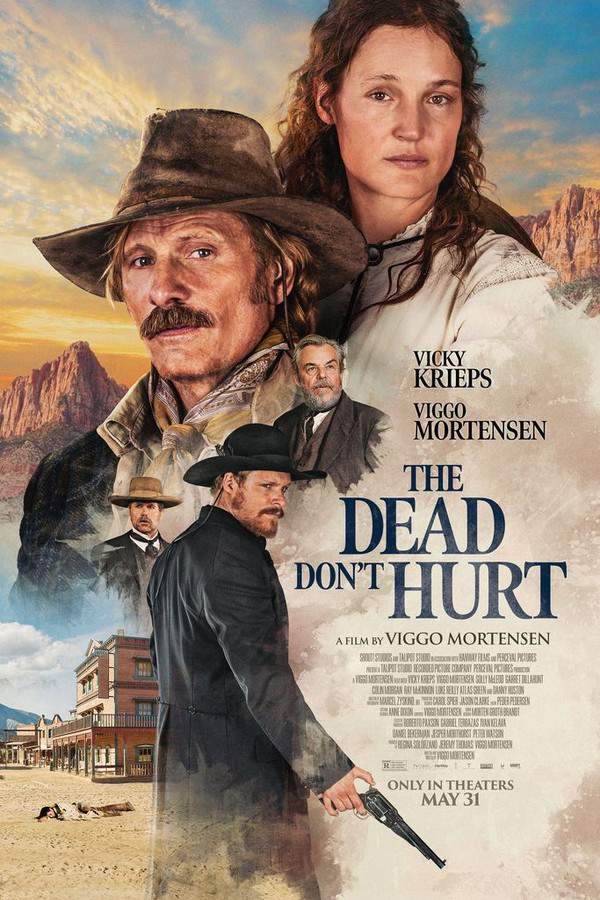
What Is The Dead Don't Hurt About?
The premise of The Dead Don't Hurt in 276 words, with nothing given away. The full story and the ending follow below.
In the fevered heat of the 1860s gold rush, San Francisco teems with opportunity and oppression alike, a city where fortunes rise as quickly as they crumble. Amid the crowded streets and clashing cultures, Vivienne Le Coudy feels the tight grip of expectation pressing against her restless spirit. Her world is a kaleidoscope of ambition, art, and sudden wealth, yet she longs for a horizon where she can breathe free of the relentless courtship of suitors and the weight of social propriety.
A chance encounter with the steady, quietly confident Holger Olsen, a Danish immigrant carpenter, offers a glimpse of an alternative life. Olsen’s hands, accustomed to shaping timber and building homes, carry a calm strength that draws Vivienne toward a possibility of refuge far from the bustling ports. Together they imagine a sanctuary beyond the chaotic city—a modest cabin nestled in the rugged, untamed stretches of northern Nevada where the desert winds and towering pines speak a language of solitude and perseverance.
Their shared journey across the harsh frontier is as much an inner expedition as a physical trek. The vast wilderness, with its unforgiving terrain and open skies, frames a world where survival hinges on courage, partnership, and the promise of new beginnings. In this stark yet beautiful landscape, the two protagonists must negotiate the delicate balance between desire and duty, hope and hardship. The tone of the story blends the gritty realism of the Wild West with a lingering, hopeful lyricism, inviting the audience to wonder how far two determined souls can go when they dare to carve out their own path amid a world that offers both limitless opportunity and relentless challenge.
What Happens in The Dead Don't Hurt?
The complete story of The Dead Don't Hurt, from the first scene to the last, in 287 words (about 1 minute). Spoilers throughout.
Spoilers ahead
In the heart of San Francisco during the fervent 1860s gold rush, Vivienne Le Coudy finds herself ensnared in a claustrophobic drama involving a multitude of suitors, with a particularly affluent Irish art collector challenging her limits. Yearning for freedom and self-determination, she unexpectedly develops profound feelings for Holger Olsen, a Danish immigrant and carpenter who possesses a serene strength. Together, they retreat to his secluded cabin in northern Nevada, a sanctuary that finally allows Vivienne’s free spirit to thrive.
However, their peaceful existence is shattered by the cunning schemes of Alfred Jeffries, a nefarious landowner, and his troubled son, Weston. As Olsen departs to fight for the Union Army, Weston seizes the moment, pursuing Vivienne with an unforgiving ferocity. In a horrifying turn of events, Vivienne suffers a brutal assault, leaving her shattered and pregnant, forever changing the trajectory of their lives.
Time rolls on, and Olsen returns from war, confronted by a Vivienne who grapples with the scars of her past. Despite the heavy burden of Weston’s violence that has cast a shadow over her, Olsen’s love remains steadfast. Together, they navigate the tangled web of their new reality, facing the darkness that has plagued them for so long.
In a heartrending conclusion, the passing of Vivienne signals the dawn of a new chapter for Olsen and their young son, Vincent. United, they embark on a transformative journey towards healing and redemption, as Olsen sets out to seek justice for Weston, who has vanished following his spree of brutal murders. The vast wilderness acts as both a stage and a refuge for their quest, ultimately guiding them toward the tranquil shores of the Pacific Ocean, where they can discover some degree of peace and closure.
The Dead Don't Hurt Timeline: Every Key Event in Order
14 key events in the order they happen, from “Gold Rush Craze in San Francisco” to “Finding Peace at the Pacific”. 14 events name a place, across 4 locations.
- 1
Gold Rush Craze in San Francisco
During the 1860s, San Francisco is alive with the excitement and chaos of the gold rush. People from all walks of life rush to the city, eager to claim their fortune and carve out a new life.
When:1860s Where:San Francisco
- 2
Vivienne's Dilemma
Vivienne Le Coudy navigates the pressures of multiple suitors vying for her attention, particularly an affluent Irish art collector. Her desire for independence and self-determination intensifies as she struggles with societal expectations.
Where:San Francisco
- 3
Growing Affection
In a surprising turn of events, Vivienne develops a deep affection for Holger Olsen, a Danish immigrant and carpenter. Their connection flourishes as they share dreams of freedom and a life beyond convention.
Where:San Francisco
- 4
Retreat to Wilderness
Vivienne and Holger retreat to a secluded cabin in northern Nevada, seeking peace away from the societal impositions. This sanctuary becomes a place where Vivienne’s free spirit can truly thrive.
Where:Northern Nevada
- 5
Conflict with Alfred Jeffries
Their tranquil existence faces a dire threat from Alfred Jeffries, a landowner with ulterior motives. Jeffries and his troubled son, Weston, hatch plans that will disrupt Vivienne and Holger's newfound happiness.
Where:Northern Nevada
- 6
Holger Joins the Union Army
As the country faces conflict, Holger decides to join the Union Army to fight for a cause greater than himself. His departure leaves Vivienne vulnerable and unprotected, setting the stage for tragedy.
Where:Northern Nevada
- 7
Weston's Pursuit
With Holger away, Weston takes advantage of the situation and pursues Vivienne. His unforgiving nature intensifies, bringing an imminent threat to her safety as he seeks to claim her for himself.
Where:Northern Nevada
- 8
A Horrific Assault
In a devastating turn of events, Vivienne suffers a brutal assault at the hands of Weston, an act that shatters her emotionally and physically. The trauma leaves her pregnant, altering the course of her life irrevocably.
Where:Northern Nevada
- 9
Holger's Return
After his time in the war, Holger returns home, only to find Vivienne grappling with the haunting scars of her past. Their reunion is bittersweet as they must confront the reality of what has happened in his absence.
Where:Northern Nevada
- 10
Rebuilding Together
Despite the heavy emotional toll Weston’s violence has inflicted on them, Holger's love for Vivienne remains strong. Together, they work to navigate their new life, facing the shadows of their collective trauma.
Where:Northern Nevada
Show the other 4 events of The Dead Don't Hurt Hide the last 4 events
- 11
Vivienne's Passing
Vivienne's battle with her inner demons ultimately leads to her untimely passing. This loss serves as a turning point for Holger and their son, Vincent, marking the end of an era in their lives.
Where:Northern Nevada
- 12
Journey Towards Healing
After Vivienne's death, Holger and young Vincent embark on a transformative journey in search of healing and justice. Their path leads them through the wilderness, as they confront their past and seek closure.
Where:Wilderness
- 13
Seeking Justice
Holger becomes determined to seek justice for the wrongs committed by Weston. The pursuit takes on a personal significance as he grapples with the legacy left by Vivienne's tragedy.
Where:Wilderness
- 14
Finding Peace at the Pacific
Their journey culminates at the tranquil shores of the Pacific Ocean, where Holger and Vincent can find some semblance of peace. Here, they begin to reflect on their lives and the future that lies ahead.
Where:Pacific Ocean
Who Are the Main Characters in The Dead Don't Hurt?
4 characters, among them Vivienne Le Coudy (Vicky Krieps), Holger Olsen (Viggo Mortensen) and Alfred Jeffries (Garret Dillahunt): who each one is and the part they play in the story. Every profile links to the actor’s page.
-
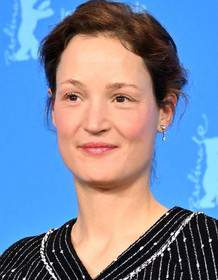
Vivienne Le Coudy (Vicky Krieps)
Played by Vicky Krieps
Vivienne is a complex character, embodying strength, vulnerability, and a yearning for autonomy. Initially caught in the throes of societal expectations and romance, her traumatic experiences force her to confront her true self and aspirations. Her arc is a testament to resilience as she navigates love and loss in a changing world.
- 👩🎨 Strong Female Lead
- 💔 Survivor
- 🌹 Romantic
-

Holger Olsen (Viggo Mortensen)
Played by Viggo Mortensen
Holger is portrayed as a calm and determined Danish immigrant, who becomes a pillar of support for Vivienne. His character reflects steadfastness and integrity as he grapples with his own demons while striving to protect his family. Holger's journey transforms from a love story into a quest for justice, showcasing his growth and dedication.
- 🛠️ Carpenter
- ❤️ Protector
- 🌍 Immigrant
-
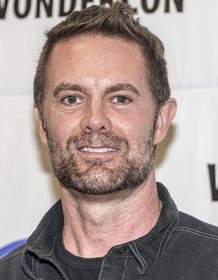
Alfred Jeffries (Garret Dillahunt)
Played by Garret Dillahunt
Alfred is depicted as a nefarious landowner whose schemes create a significant threat to Vivienne's freedom and relationships. His complex character adds a layer of conflict, representing greed and the darker side of ambition during the gold rush. His actions propel the narrative into a gripping confrontation.
- 👿 Antagonist
- 💣 Manipulative
- 🏚️ Landowner
- WJ
Weston Jeffries (Solly McLeod)
Played by Solly McLeod
Weston serves as a tragic figure entwined with chaos and aggression. His relentless pursuit of Vivienne after the war exposes the fragility of human nature when marred by past actions. Through his character, the film portrays the consequences of violence and the impact on those caught in its wake.
- 💔 Troubled
- 🔫 Aggressive
- 💔 Victim of Circumstance
Where and When Is The Dead Don't Hurt Set?
The Dead Don't Hurt is set in San Francisco, Nevada and Pacific Ocean (1860s). Here is why the time and place matter to the story.
When
1860s
The 1860s were marked by significant socio-economic changes, driven by the gold rush in America. This era saw a surge in migration, ambition, and often, desperation as individuals chased fortune and freedom, profoundly impacting community relationships and personal dynamics. Amidst the chaos, personal stories of struggle, love, and resilience unfolded as people faced the harsh realities of their choices.
Where
San Francisco, Nevada, Pacific Ocean
San Francisco serves as the bustling heart of the 1860s gold rush, attracting hopeful prospectors and dreamers. In stark contrast, northern Nevada provides a serene retreat for Vivienne and Holger, characterized by its rugged beauty and isolation, perfect for love to blossom. The Pacific Ocean symbolizes both the vast opportunities that lie ahead and the peace they seek in their turbulent lives.
- 🏙️ City
- 🏞️ Nature
- 🌊 Ocean
What Are the Themes of The Dead Don't Hurt?
3 ideas the story keeps returning to, among them Love and Trauma, Conflict and Justice and Isolation and Reflection.
-
01
Love and Trauma
The film encapsulates a poignant exploration of love interwoven with trauma. Vivienne’s journey from a hopeful romantic to a survivor of violence highlights the resilience of the human spirit. Her relationship with Holger showcases the complexities of love when burdened with past scars, ultimately pivoting towards healing in the face of adversity.
-
02
Conflict and Justice
Conflict arises not only from external forces like the Civil War but also from personal vendettas and moral dilemmas. Holger's quest for justice against Weston embodies the struggle between vengeance and the desire for peace. The film sheds light on the impact of violence on individuals and their fight for redemption.
-
03
Isolation and Reflection
The retreat to Nevada's wilderness serves as a metaphor for isolation, where characters confront their inner turmoil. This solitude allows for reflection, growth, and the rekindling of hope amidst despair. Nature acts as a backdrop for their emotional journey, symbolizing both entrapment and liberation.
How Does The Dead Don't Hurt End?
The last act of The Dead Don't Hurt and what it means, in 291 words. The ending lands as bittersweet. Big spoilers: read the plot summary first if you have not seen it.
The final act, in full
In the finale of The Dead Don’t Hurt, Olsen and his son Vincent escape from Weston Jeffries after a tense confrontation in the woods. Although Olsen tries to shoot Weston, he misses, and Weston manages to corner him, seeking revenge for his past crimes. Olsen pleads for mercy and allows Weston to take his weapons, but at the last moment, Olsen deliberately wounds Weston by lodging a blade into his neck instead of killing him outright. Weston continues to shoot at Olsen in a desperate attempt to survive, but Olsen, with a mix of anger and sorrow, beats him with the butt of his shotgun, ensuring Weston will suffer before he dies. This act of vengeance is not about heroism but driven by Olsen’s pain and desire for justice for the many lives Weston has ruined.
After this brutal act, Olsen gathers their belongings and rides away with Vincent, leaving Weston wounded and alone in the forest. Despite being severely injured, Weston’s fate is sealed—he is left alive but suffering, unable to escape or receive proper medical help. Olsen, on the other hand, walks away with a heavy heart, carrying the burden of loss and revenge but also a sense of peace. He has avenged the suffering through a decisive act that ties back to his deeply personal journey of love, loss, and resilience. The film closes with Olsen and Vincent on a beach, staring at the horizon, symbolizing the start of a new chapter for them—a life rooted in hope, memory, and the enduring spirit of Vivienne, who remains in their hearts. The ending underscores that while Olsen’s actions were brutal, they were also a complex expression of his grief and the need to protect what remains precious to him.
What Kind of Film Is The Dead Don't Hurt?
Bittersweet in tone, with steady pacing and a moderate story, going by the plot summary.
- Tone
- Bittersweet
- Pacing
- Steady
- Story
- Moderate
- Intensity
- High
- Ending
- Bittersweet
A melancholic and emotionally heavy Western character study that balances harrowing trauma with resilient love, culminating in a bittersweet journey of healing amidst the harsh, atmospheric frontier.
- melancholic
- resilient
- atmospheric
- somber
- harrowing
- hopeful
- frontier life
- grief and loss
- survival
- love and trauma
Content notes: sexual assault, war violence, murder, pregnancy from assault.
Quiz
How well do you remember The Dead Don't Hurt? Test yourself on the story.
