

What Is The Dancer About?
The premise of The Dancer in 265 words, with nothing given away. The full story follows below.
Following the death of her gold-prospector father, Marie-Louise ‘Loïe’ Fuller leaves the American West for New York, fueled by a fierce determination to pursue an acting dream. Though nothing in her background suggests the heights she is destined to reach, her journey is driven by a transformative ambition that begins to reshape the world of performance around her. The story traces the earliest steps of a legend, capturing the raw energy of a young woman on the verge of redefining her destiny.
In the chaotic, glittering atmosphere of a vaudeville stage, a moment of improvisation turns a potential mishap into a stroke of genius. By twisting the fabric of her long dress into a fluid, mesmerizing motion, she creates the Serpentine Dance, a signature style that mystifies audiences and propels her toward the grand stages of Paris. It is here that the persona of Loïe Fuller truly begins to crystallize, setting her on a path to international acclaim as an “Electric Fairy” illuminating the Folies-Bergère.
Her rise to the dazzling lights of the Parisian stage earns her admiration from artists and impresarios who recognize that she has changed the language of movement. Yet, the cost of innovation weighs heavily as fame encroaches on her personal life and artistic control. With the devoted assistance of Gabrielle Bloch and the intrigue of luminaries like Le comte Louis d’Orsay, she navigates the demands of the spotlight. However, the arrival of the young, spellbinding Isadora Duncan adds a volatile tension to her world, forcing Loïe to confront the fragile balance between mentorship, rivalry, and the relentless pursuit of perfection.
What Happens in The Dancer?
The complete story of The Dancer, from the first scene to the last, in 428 words (about 2 minutes). Spoilers throughout.
Spoilers ahead
Following the death of her gold-prospector father, 25-year-old Marie-Louise ‘Loïe’ Fuller [Soko] leaves the American West for New York to chase an acting dream. There is nothing in her background to forecast that she will rise to become the toast of the Folies-Bergère in Paris and a global force on stages around the world. From the outset, the story follows a fierce determination that drives a young woman toward a transformative destiny, redefining what performance can be.
On a single night, amid the glitter of a vaudeville stage, a misstep with her long dress becomes a defining moment. Instead of faltering, she twists the fabric into a flowing, almost magical gesture, birthing the Serpentine Dance. The audience reacts with a mix of shock and wonder, and what begins as a bold experiment quickly turns into a signature that hypnotizes crowds. Marie-Louise embraces this breakthrough, and the persona of Loïe Fuller begins to crystallize, carrying her into larger stages and wider acclaim.
Her ascent carries her across the ocean to Paris, where she electrifies the capital and stages across the world with a new, dynamic energy. At the Folies-Bergères, she becomes a dazzling presence, drawing admiration from a circle of artists and impresarios who recognize that she has changed the language of movement. The touring performances attract iconic names who observe how her innovations illuminate every corner of the stage, from the theater houses of Paris to venues worldwide. Le comte Louis d’Orsay [Gaspard Ulliel] and other luminaries are drawn into her orbit as her fame grows, and she earns the epithet of an Electric Fairy, a blazing symbol for a generation of creators.
Yet the ascent is not without conflict. Fame puts pressure on her personal life and artistic control, and a restless energy pushes against the boundaries of what she has already created. An encounter with the young, spellbinding Isadora Duncan adds a volatile new dynamic to her world, challenging her in ways that ripple through her evolving art. This tension testifies to the intimate cost of innovation and the fragile balance between ambition, invention, and relationships. Meanwhile, her devoted assistant Gabrielle Bloch [Mélanie Thierry] stands beside her through the whirlwind, helping to steward the craft and manage the demands of a life spent in the spotlight. The bond between Loïe and Gabrielle shapes not just their working partnership but the very core of the performances that redefine dance and performance for a generation. The story follows how these forces—ambition, artistry, affection, and rivalry—intertwine to deepen the legend of the woman who became synonymous with groundbreaking movement.
The Dancer Timeline: Every Key Event in Order
12 key events in the order they happen, from “Death of her father and move to New York” to “Enduring legacy and worldwide stages”. 12 events name a place, across 5 locations.
- 1
Death of her father and move to New York
Marie-Louise suffers the loss of her gold prospector father, a turning point that shadows her youth. She leaves the American West to join her mother in New York, chasing a dream of becoming an actress. This departure marks the start of her extraordinary journey from frontier life to the international stage.
Where:American West
- 2
Pursuing acting in New York amid imitators
In New York, she faces the daunting task of proving herself on crowded stages while rivals mimic her evolving ideas. She trains, auditions, and rehearses, driven by a longing for the spotlight and artistic independence. The challenges in the city set the stage for the innovation that will redefine modern dance.
Where:New York
- 3
Creation of the Serpentine Dance
In 1887, she crafts the Serpentine Dance, redefining movement through flowing fabric and hypnotic spirals. The work signals a new era of choreography where fabric and light become partners in performance. The audience's curiosity grows as this radical form of expression begins to take shape.
When:1887 Where:New York
- 4
On-stage accident sparks the Serpentine Dance
During a performance, she becomes tangled in her long dress but cleverly spins the fabric into a graceful, magical gesture. The moment seizes the audience, transforming a mishap into a signature move and confirming the Serpentine Dance’s potential. This accident becomes the catalyst for her evolving stage persona.
When:1887 Where:New York stage
- 5
Audience reaction and identity as Loïe Fuller
The audience is shocked, then overwhelmed, calling for more as the new dance unfolds. Word spreads, and Marie-Louise adopts the stage name Loïe Fuller, a persona that will define her artistic revolution. Her rising fame marks the shift from a hopeful actress to an innovative icon.
When:1887-1888 Where:New York
- 6
Leaving New York for Paris
Burdened by imitators and drawn by Parisian appetite for novelty, she embarks on a hectic new life across the Atlantic. The move signals a strategic leap from domestic stages to European superstardom. In Paris, her experiments meet a receptive, chic audience.
Where:Paris
- 7
Fame at the Folies Bergères
In Paris, she dazzles at the Folies Bergères, where her electrifying performances captivate the capital. Spectators from across society witness her evolving craft and the boundary-pushing aesthetics she embodies. Her stage presence redefines what a dancer can symbolize on stage and in art.
Where:Paris
- 8
Contact with famous contemporary artists
Loïe Fuller collaborates with renowned artists of the era, including Toulouse-Lautrec, the Lumière Brothers, and Auguste Rodin. These connections amplify her influence, helping to spread her radical ideas across art, theater, and emerging cinema. The cross-pollination cements her status as an icon for a new generation.
Where:Paris
- 9
Becoming the 'Electric Fairy' and an icon
Her theatrical innovations earn her the nickname the 'Electric Fairy', turning her into a blazing symbol for a generation of artists. She transcends conventional dance by turning technology, light, and fabric into a living art form. The identity becomes inseparable from her public persona and artistic legacy.
Where:Paris
- 10
Isadora Duncan enters and disrupts
A young Isadora Duncan enters her orbit, challenging the rhythm of Loïe's life and love. Duncan's presence unsettles Loïe's tumultuous relationship with her devoted assistant Gabrielle. The encounter threatens to destabilize the core of Loïe's art and personal world.
Where:Paris
- 11
The fraught relationship with Gabrielle
Loïe's relationship with her devoted assistant Gabrielle becomes entangled with shifting affections and professional pressures. Duncan's presence heightens the emotional tension, complicating decisions about loyalty and the future of the Serpentine Dance. The personal drama intertwines with the evolution of her art.
Where:Paris
- 12
Enduring legacy and worldwide stages
Despite the upheavals, her choreography and stagecraft continue to influence artists around the world, with performances on stages across the globe. Her innovations live on as a lasting symbol of modern performance and experimentation. The Serpentine Dance seeds a broader movement that shapes modern dance and linked arts.
Where:Worldwide
Who Are the Main Characters in The Dancer?
7 characters, among them Loïe Fuller (Soko), Lili (Amanda Plummer) and Gabrielle Bloch (Mélanie Thierry): who each one is and the part they play in the story. 6 of them link to the actor’s page.
-

Loïe Fuller (Soko)
Played by Soko
A pioneering dancer who invents the Serpentine Dance, merging movement with visual spectacle to create kinetic art. She navigates imitators, commercial pressures, and shifting personal relationships while pursuing artistic freedom. Her rise from performer to iconic stage figure embodies the transformative power of innovation.
- 💃 Dancer
- 🎨 Artist
- ⚡️ Innovator
-

Lili (Amanda Plummer)
Played by Amanda Plummer
Loïe's mother, a stabilizing presence who supports her daughter's dream while grounding the family in the realities of new opportunities. She acts as a bridge between the American West and the cosmopolitan theatre world, offering guidance and practical advice.
- 👩 Mother
- 🧭 Guide
-
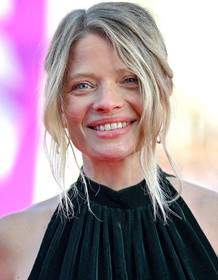
Gabrielle Bloch (Mélanie Thierry)
Played by Mélanie Thierry
Loïe's devoted assistant whose closeness to the artist reveals both loyalty and tension. Gabrielle helps manage the demanding pace of fame while negotiating the personal costs of being part of a groundbreaking creative team.
- 🤝 Assistant
- 🗝️ Confidante
-

Edouard Marchand (François Damiens)
Played by François Damiens
The artistic director of the Folies-Bergère, a figure of authority in the Parisian theatre scene. He pushes for spectacular presentations that capitalize on Loïe's innovations, balancing risk with commercial feasibility.
- 🎭 Director
- 🕴️ Producer
-

Armand Duponchel (Louis-Do de Lencquesaing)
Played by Louis-Do de Lencquesaing
Director of the Opéra, a powerful cultural gatekeeper whose influence intersects with Loïe's ambitions. He embodies the high-stakes world of elite Parisian arts and patronage.
- 🎭 Director
- 🏛️ Cultural Figure
-

Louis d'Orsay (Gaspard Ulliel)
Played by Gaspard Ulliel
Le comte Louis d'Orsay, a member of the Parisian aristocracy whose presence underscores the social reach and prestige surrounding Loïe's rise. His interactions illustrate how art and high society interweave in this era.
- 🌟 Aristocrat
- 🕺 Patron
- ID
Isadora Duncan
A spellbinding young artist whose encounter disrupts Loïe's personal life and creative rhythm. This relationship complicates loyalties within Loïe's circle and tests the boundaries between friendship, romance, and artistic collaboration.
- 💃 Dancer
- 👩🎨 Inspiration
Where and When Is The Dancer Set?
The Dancer is set in New York and Paris (1880s–1887). Here is why the time and place matter to the story.
When
1880s–1887
Set in the late 19th century, culminating around 1887 when the Serpentine Dance is born. The era is defined by rapid urban growth, theatrical experimentation, and emerging technologies that would transform performance. The milieu includes the rise of modern entertainment before the full advent of cinema and electric stagecraft.
Where
New York, Paris
The story shifts from the American West to New York and then to Paris, anchoring the drama in the vibrant theatre worlds of late 19th-century urban centers. It centers on grand venues like the Folies Bergère in Paris and the bustling stages that defined modern performance. The settings highlight the collision of vaudeville, opera, and visual spectacle that shaped Loïe Fuller's rise.
- 🗽 City
- 🎭 Theater
- 🗼 Paris
What Are the Themes of The Dancer?
3 ideas the story keeps returning to, among them Artistic Innovation, Electric Spectacle and Fame & Rivalry.
-
01
Artistic Innovation
Loïe Fuller redefines dance by turning movement, fabric, and costume into living art. The Serpentine Dance emerges as a radical fusion of choreography and visual spectacle. The film traces how boundary-pushing creativity meets scrutiny from imitators and commercial pressures.
-
02
Electric Spectacle
Electricity and light become central to stage magic, enabling new forms of illusion and modern identity for performers. The Serpentine Dance embodies a mechanized, luminous future that captivates audiences and challenges traditional notions of performance. Technology and artistry intertwine to redefine stardom.
-
03
Fame & Rivalry
Public adoration transforms personal lives, as Loïe's aspirations collide with intimate bonds. The evolving relationships with Gabrielle and Isadora Duncan reveal the costs of fame and the fragility of trust. The film portrays how love, ambition, and artistic integrity pull in opposing directions.
What Kind of Film Is The Dancer?
Bittersweet in tone, with steady pacing and a moderate story, going by the plot summary.
- Tone
- Bittersweet
- Pacing
- Steady
- Story
- Moderate
- Intensity
- Medium
- Ending
- Bittersweet
A bittersweet and atmospheric biographical drama about artistic ambition and the personal costs of fame, following a pioneering dancer's determined rise and complex relationships.
- determined
- melancholic
- inspiring
- tense
- artistic
- reflective
- artistic ambition
- fame and sacrifice
- creative rivalry
- pioneering artist
Content notes: stalking.
Quiz
How well do you remember The Dancer? Test yourself on the story.
