
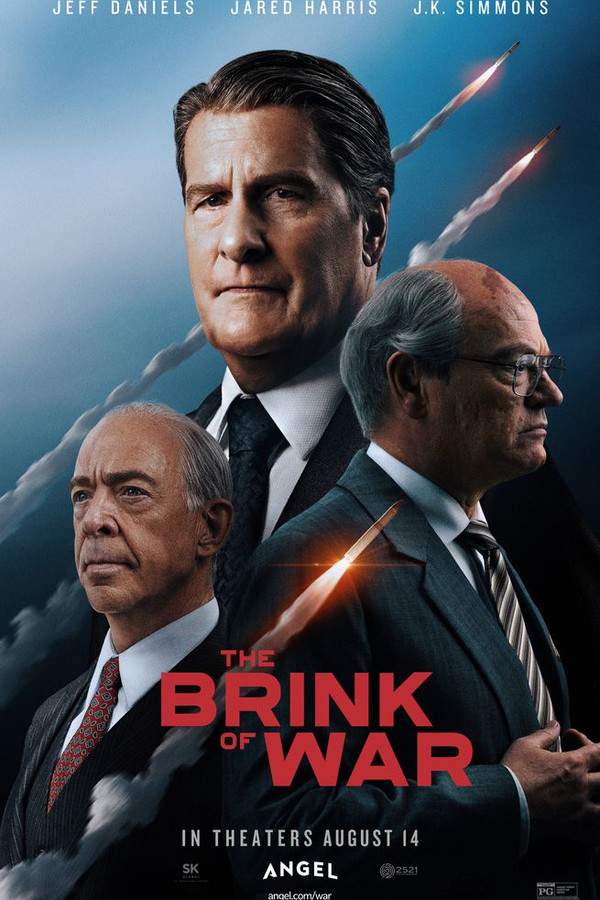
What Is The Brink of War About?
The premise of The Brink of War in 331 words, with nothing given away. The full story follows below.
In October 1986, at the height of the Cold War, the world holds its breath as United States President Ronald Reagan and Soviet leader Mikhail Gorbachev converge on a remote Icelandic summit for talks that could reshape the global balance of power. The premise is disarmingly simple: two men, two nations, and a chance to pull humanity back from the edge of nuclear catastrophe. Yet beneath the diplomatic choreography lies a volatile mix of ideology, suspicion, and the crushing weight of history.
Reagan arrives carrying the private scars of an earlier assassination attempt, a trauma that quietly shapes his sense of purpose and his relentless drive toward bold disarmament. Across the table, Gorbachev presents a different kind of challenge — a reform-minded leader willing to entertain possibilities that would have been unthinkable under previous Soviet regimes. Advisors, intelligence operatives, and political hardliners on both sides press their respective leaders, ensuring that no exchange remains purely a matter between the two men at the table.
The film’s tone is taut and cerebral, capturing the suffocating pressure of high-stakes diplomacy where a single misplaced word can unravel decades of posturing. Reykjavík itself becomes a character — a stark, otherworldly landscape of volcanic rock and geothermal waters, where Cold War adversaries find themselves isolated from the press and free to engage in unusually candid exchanges. Meanwhile, KGB and Secret Service personnel circle the negotiating venue, and Western journalists scramble for scraps of information in the silence.
At its heart, the story is a study of two powerful men discovering whether mutual suspicion can give way to something resembling trust. Every exchange carries the tension of a chess match measured in megatons, where grand gestures of compromise collide with stubborn points of principle. The atmosphere is one of fragile possibility, where the future of the world seems to hinge on the chemistry between two leaders who barely know each other — and on whether the forces surrounding them will allow history to bend toward peace.
What Happens in The Brink of War?
The complete story of The Brink of War, from the first scene to the last, in 606 words (about 3 minutes). Spoilers throughout. Names in the text link to 3 cast member pages.
Spoilers ahead
In October 1986, during the Cold War, Jeff Daniels as Reagan travels to Reykjavík, Iceland, to meet Jared Harris as Mikhail Gorbachev for talks on nuclear arms. The film opens near the end of the summit, with Reagan telling J.K. Simmons that he has failed to secure what he considers an extraordinary agreement because Gorbachev is walking away over a single word.
“a single word”
The narrative then rewinds 72 hours to the start of the negotiations, landing the audience in Höfði, the striking house where the fateful discussions unfold. Reagan opens with a strong, moral stance, pressing on the Soviet Union’s treatment of dissidents and raising a humanitarian plea: the sister of the Soviet-born cellist Mstislav Rostropovich should be allowed to visit her brother in the United States. Gorbachev responds with a surprise pivot, proposing a 50 percent reduction in both nations’ nuclear arsenals, a bold shift that shifts the tone of the talks. Reagan, receptive to the idea, pushes further, hinting at the possibility of fully eliminating nuclear arsenals, and the conversations quickly expand beyond mere arms control into broader questions of political systems, freedom, and legitimacy.
As the dialogue deepens, the two leaders reveal measured trust built on a shared seriousness about change, even as suspicion lingers. Reagan condemns the imprisonment of Soviet dissidents and restrictions on individual liberty, while Gorbachev counters by pointing to issues at home—homelessness, high murder rates, and the long, painful history of racism in the United States. When Reagan points to the oppression of opposing voices in the Soviet Union, Gorbachev fires back with a pointed remark about Reagan’s own security and the attempt on his life in 1981, noting that political opponents in the United States could still face lethal danger. The exchange is sharp, personal, and revealing, underscoring how each leader judges the other’s system through the lens of their own experiences and fears.
Outside the main room, Raisa Gorbacheva draws significant media attention with public appearances, including a visit to a famous spa, while Nancy Reagan stays stateside, lamenting her absence from the negotiations. Western journalists struggle to glean substantive details, as KGB and Secret Service personnel tightly control access to the Höfði residence. Amid the pressure, the atmosphere shifts between friction and budding candor as the leaders inch toward a potential breakthrough, underscoring how fragile progress can be when core strategic concerns remain unresolved.
The talks begin to close in on a landmark, albeit fragile, agreement: substantial reductions in nuclear weapons, coupled with a mutual understanding about the Strategic Defense Initiative (SDI). The sticking point centers on SDI—America’s planned missile-defence program. Gorbachev argues that an effective American defence would destabilize the nuclear balance and insists that SDI research be confined to the laboratory for ten years. Reagan refuses to abandon the drive, insisting he cannot discard a shield that protects the United States. The stalemate persists, and the narratively crucial word that blocks a full deal remains stubbornly unresolved.
As the scene circles back to the initial moment, it becomes clear that the key blocker is the word “laboratory”—the one term that prevents a sweeping agreement. Despite the near-miss of a pact that could have led to the elimination of their nuclear arsenals, Reagan and Gorbachev part ways with a sense that they have achieved something meaningful: improved communication, greater mutual understanding, and groundwork for future arms-control progress, including the treaty that would come the following year. Before departing, Reagan revisits the humanitarian appeal for Rostropovich’s sister, and this time Gorbachev grants the request. The two leaders shake hands, and the film closes on the final spoken word, an understated yet decisive moment: > deal.
The Brink of War Timeline: Every Key Event in Order
13 key events in the order they happen, from “End of Reykjavik summit: Reagan's disappointment over a single word” to “Aftermath and INF Treaty groundwork”. 13 events name a place, across 3 locations.
- 1
End of Reykjavik summit: Reagan's disappointment over a single word
The film opens near the end of the Reykjavik summit, with Reagan telling Secretary of State George Shultz that he failed to secure a sweeping agreement because Gorbachev walked away over a single word. This moment frames the summit as a near miss, highlighting how a single term can derail diplomacy. It sets up the tension that will drive the retrospective narrative.
When:End of October 1986, Reykjavík Where:Höfði House, Reykjavík
- 2
The countdown begins: the negotiations reset 72 hours earlier
The narrative shifts back 72 hours to the beginning of the talks, setting the stage for the breakthrough and the difficult concessions to come. Reagan and Gorbachev meet at Höfði with guarded optimism, and the atmosphere is charged with both possibility and suspicion. The stage is set for a broader, more consequential negotiation than either side anticipated.
When:72 hours before the end of the summit Where:Höfði, Reykjavík
- 3
First meeting: Gorbachev's surprise offer
Reagan raises the Soviet dissidents' plight and requests Rostropovich's sister be allowed to visit. Gorbachev surprises Reagan by proposing a 50 percent reduction in their nuclear arsenals. The exchange signals a turning point from limited arms-control talk to a broader, high-stakes negotiation.
When:Early stage of talks Where:Höfði, Reykjavík
- 4
Reagan pushes beyond limits
Reagan accepts the concept of reductions but insists they should go further, even contemplating the elimination of both sides' arsenals. The talks begin to broaden beyond technical limits, expanding into broader political questions. The atmosphere shifts from rigid position-taking to exploratory bargaining.
When:Early in the negotiations Where:Höfði, Reykjavík
- 5
Debates over systems: dissidents, racism, and freedom
The discussions broaden into clashes over the two political systems. Reagan condemns the imprisonment of Soviet dissidents and restrictions on freedom, while Gorbachev cites American social problems like homelessness, high murder rates and racism. The exchange underscores mutual suspicion yet reveals a willingness to entertain ideas beyond pure arm control.
When:During talks at Höfði Where:Höfði, Reykjavík
- 6
The assassination reference
Gorbachev notes that Reagan's opponents in the United States are free to shoot him, referring to the 1981 assassination attempt. The remark deepens the personal dimension of the negotiations and reminds both leaders of the fragility of power. The moment highlights how personal histories influence political dialogue.
When:During negotiations Where:Höfði, Reykjavík
- 7
Outside the talks: Raisa, press attention, and Blue Lagoon
Raisa Gorbacheva attracts substantial press attention during public appearances, including a visit to the Blue Lagoon. Nancy Reagan remains in the United States and expresses regret at not accompanying her husband. The contrast between public optics and private diplomacy adds tension to the proceedings.
When:During the summit outside the talks Where:Reykjavík, Iceland
- 8
The watchful eyes: KGB, Secret Service, and media access
KGB and Secret Service personnel patrol around Höfði as negotiations continue. Western journalists struggle to obtain substantive information, as access to the principals is restricted. The information blockade underscores the fragility of transparency in high-stakes diplomacy.
When:During the summit Where:Höfði, Reykjavík
- 9
Near agreement, but SDI looms large
The talks progress toward unprecedented reductions, suggesting a breakthrough. The remaining disagreement centers on the Reagan-era SDI, with Gorbachev warning that an American defense would upset the nuclear balance. The standoff reveals how technical ambitions become political deadlocks.
When:Midpoint to late talks Where:Höfði, Reykjavík
- 10
The SDI impasse and a conditional offer
Gorbachev proposes acceptance of the wider framework only if SDI research remains confined to the laboratory for ten years. Reagan refuses, insisting on continued U.S. progress toward missile-defense capabilities. The moment crystallizes the core impasse that prevents a deal.
When:Approaching final hours of talks Where:Höfði, Reykjavík
Show the other 3 events of The Brink of War Hide the last 3 events
- 11
The structural obstacle: 'laboratory' becomes the deal-breaker
The narrative returns to the opening scene, revealing that the single word 'laboratory' is the obstacle standing between a comprehensive agreement. Despite near agreement on reductions, the two leaders cannot reconcile the defense research with disarmament. The film uses this device to show how a single term shaping global security.
When:Closing phase Where:Höfði, Reykjavík
- 12
A humanitarian concession and a handshake
Before departing, Reagan again asks for Rostropovich's sister to visit; Gorbachev agrees. The two leaders shake hands, signaling a human touch amid the stalemate. The final spoken word of the film is deal.
When:End of summit, departure day Where:Höfði, Reykjavík
- 13
Aftermath and INF Treaty groundwork
Although the Reykjavik summit ends without a comprehensive agreement, the talks are portrayed as improving communication and laying the groundwork for future arms-control accords. The narrative foreshadows the INF Treaty signed by Reagan and Gorbachev the following year, signaling a path forward despite the collapse.
When:Following year, 1987 Where:Höfði, Reykjavík
Who Are the Main Characters in The Brink of War?
9 characters, among them Ronald Reagan (Jeff Daniels), Mikhail Gorbachev (Jared Harris) and Raisa Gorbachev (Branka Katic): who each one is and the part they play in the story. Every profile links to the actor’s page.
-
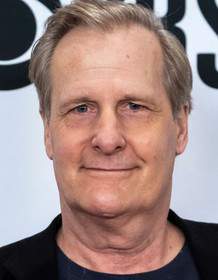
Ronald Reagan (Jeff Daniels)
Played by Jeff Daniels
The U.S. President drives the negotiations with a belief in bold disarmament, while grappling with the private trauma of an assassination attempt that fuels his sense of purpose. He pushes for deeper cuts than his advisers expect and seeks humanitarian concessions alongside strategic ones. His partnership with Gorbachev reveals a willingness to rethink entrenched positions in pursuit of a lasting deal.
- 🇺🇸 President
- 🎯 Leader
- 🧭 Negotiator
-

Mikhail Gorbachev (Jared Harris)
Played by Jared Harris
The Soviet leader engages Reagan with a mix of idealism and pragmatism, open to significant reductions in weapons while testing the limits of Soviet concessions. He counters Western critiques with his own arguments about domestic challenges and the risks of provoking instability. His interactions with Reagan highlight a rare moment of potential transformation in Cold War relations.
- 🏛️ Leader
- 🌍 Diplomat
- ✨ Reformer
- RG
Raisa Gorbachev (Branka Katic)
Played by Branka Katic
Raisa attracts global attention during public appearances, embodying a humane face to the Soviet leadership. Her presence signals the human dimension of the summit and adds a counterpoint to the hardline rhetoric. Her visit to the Blue Lagoon amplifies Iceland’s role as a peace-seeking venue.
- 👩 First Lady
- 🗣️ Public Figure
- 🌍 Influence
-

Nancy Reagan (Hope Davis)
Played by Hope Davis
Back in the United States, she regrets not accompanying her husband to Reykjavik, reflecting the personal dimensions of presidential diplomacy. Her absence underscores the media’s distance from the principals and the isolation of decision-making during the talks.
- 🇺🇸 First Lady
- 🗣️ Public Figure
- 🎭 Drama
-
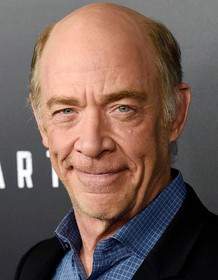
George Shultz (J.K. Simmons)
Played by J.K. Simmons
As Secretary of State, he represents the U.S. negotiating team, balancing pressure from advisers with Reagan’s willingness to explore broader arms reductions. He anchors the talks with a strategic perspective, often mediating between competing viewpoints.
- 🇺🇸 Secretary of State
- 🧭 Diplomat
- 🎯 Advocate
-
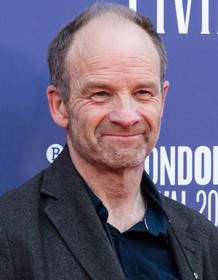
Max Kampelman (Adrian Rawlins)
Played by Adrian Rawlins
A veteran arms negotiator, he frames the negotiations in terms of practical progress and persistent pressure, guiding the American stance toward potential reductions. His role emphasizes the gap between public ambition and domestic constraints.
- 🧭 Negotiator
- 🗂️ Strategist
- 🧪 Policy
- PN
Paul Nitze (Stephen Brennan)
Played by Stephen Brennan
A seasoned adviser on arms control, he counsels cautious diplomacy and helps shape the negotiating framework. His experience underscores the enduring tension between ideal goals and pragmatic constraints.
- 🧭 Strategist
- 🗡️ Politico
- 🧠 Veteran
- ES
Eduard Shevardnadze (Tim Dutton)
Played by Tim Dutton
As Soviet foreign minister, he participates in the dialogues, articulating Moscow’s positions while navigating the broader ideological rifts within the Soviet leadership. His contributions anchor the diplomatic face of the negotiations.
- 🌍 Diplomat
- 🗺️ Statesman
- 🧭 Negotiator
- SL
Samantha Lightning (Tristan Roche)
Played by Tristan Roche
A White House staffer noted in the backdrop of the talks, she represents the smaller-scale human side of a high-stakes summit and the behind-the-scenes pace of presidential diplomacy.
- 🗂️ Staffer
- 🧭 Support
- 👥 Civil Service
Where and When Is The Brink of War Set?
The Brink of War is set in Reykjavík, Höfði House, Blue Lagoon and Iceland (October 1986). Here is why the time and place matter to the story.
When
October 1986
Set during the late Cold War, the narrative unfolds across the Reykjavik summit in October 1986. The story moves through a tight 72-hour window of intense armaments talks, where leaders push beyond initial positions. It highlights how the time pressure and the pressure from advisers shape the negotiation dynamics. The period frames a near-breakthrough that is ultimately derailed by a single point of disagreement.
Where
Reykjavík, Höfði House, Blue Lagoon, Iceland
The primary setting is Höfði House in Reykjavik, where Reagan and Gorbachev meet during the Reykjavik summit. The film also scenes outside the venue, including Raisa Gorbacheva's public appearances and a visit to the Blue Lagoon, highlighting Iceland as a neutral diplomatic backdrop. The locations underscore the high-stakes negotiations taking place far from Washington or Moscow, amid a stark, ceremonial atmosphere.
- 🗺️ Iceland
- 🏙️ Reykjavík
- 🏛️ Höfði House
- 🏖️ Blue Lagoon
What Are the Themes of The Brink of War?
3 ideas the story keeps returning to, among them Disarmament, Diplomacy under Pressure and Rights vs Security.
-
01
Disarmament
The core thrust is reducing nuclear arsenals, with Reagan and Gorbachev pushing beyond initial limits toward broader cuts. The film frames disarmament as a negotiated outcome, not a unilateral concession, showing both leaders weighing political risk against humanitarian aims. The SDI debate becomes the pivotal sticking point that prevents a final deal.
-
02
Diplomacy under Pressure
Private conversations and public posturing alternate as the leaders test each other’s willingness to compromise. Communication barriers, mutual suspicion, and the presence of wary advisers challenge the possibility of consensus. The Icelandic setting strips away conventional diplomatic channels, forcing direct, high-stakes exchanges.
-
03
Rights vs Security
Reagan foregrounds dissidents and freedom as moral imperatives, while Gorbachev counters with concerns about domestic conditions in the United States. The back-and-forth reveals how competing political systems justify different approaches to security and liberty. The tension between human rights and national defense underpins the talks' fragility.
What Kind of Film Is The Brink of War?
Tense in tone, with steady pacing and a moderate story, going by the plot summary.
- Tone
- Tense
- Pacing
- Steady
- Story
- Moderate
- Intensity
- High
- Ending
- Bittersweet
A measured historical drama that recreates the Reykjavík summit's tense negotiations between Reagan and Gorbachev, where every diplomatic exchange carries the weight of nuclear catastrophe and peace hangs by a single word.
- tense
- weighty
- historical
- anxious
- diplomatic
- grave
- cold war
- nuclear disarmament
- diplomacy
- political negotiation
Content notes: nuclear threat, political imprisonment, assassination references.
Quiz
How well do you remember The Brink of War? Test yourself on the story.
