
The Art of Self Defense 1941

Directed by
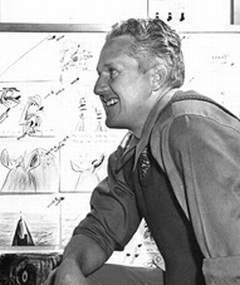
Jack Kinney
Made by

Walt Disney Productions
The Art of Self Defense Plot Summary
Read the complete plot summary and ending explained for The Art of Self Defense (1941). From turning points to emotional moments, uncover what really happened and why it matters.
In the opening scenes, the film introduces us to Casey Davies (/actor/jesse-eisenberg), a timid and somewhat socially awkward accountant who often finds himself feeling out of place. He’s shown dining alone at a local diner, where a French couple sitting nearby engage in a curious game—they imagine what kind of person he might be, speaking in their native language, which subtly hints at the film’s themes of perception and identity. Afterward, Casey attempts to learn French on a cassette tape, learning a phrase that pleads in French not to be hurt because he’s just a tourist, foreshadowing his vulnerability throughout the story.
Casey’s mundane life revolves around work, where he struggles to connect with his coworkers. When he tries to engage them in conversation, they dismiss him, especially after learning he audits their expenses. Living in solitude with only his loyal dachshund, he notices his pet is out of food and heads to the pet store. On his way, he’s approached by two men on motorcycles; one asks him if he has a gun, which adds an unsettling tension. Later, as Casey walks home with the groceries, he is ambushed by the same men and a group of assailants. The attack leaves him beaten and unconscious, setting the tone for his sense of growing insecurity and fear.
After waking up in the hospital, his boss, Grant (/actor/hauke-bahr), encourages him to take time off, but Casey’s fears intensify. He becomes haunted by the mugging and begins to feel desperate to defend himself. Watching a gangster movie sparks an urge to acquire a firearm; however, he learns about the waiting period and background checks at a local gun store, which frustrates him but fails to quell his anxiety.
Seeking discipline and a sense of control, Casey visits a karate dojo where Sensei (/actor/alessandro-nivola) teaches martial arts with a strict, disciplined approach. The Sensei appears to incorporate karate into every aspect of life, emphasizing strength and mental toughness. He welcomes Casey to join a trial class and introduces him to Anna (/actor/imogen-poots), the only female student who is dedicated and skilled, also giving lessons to children. Anna, wearing a brown belt and demonstrating techniques like sleeper holds, quicklyAssertS her confidence and discipline.
Throughout his training, Casey progresses from a white belt to a yellow belt, his efforts recognized by Sensei, who speaks of their late grandmaster—a martial arts legend killed in a shooting—highlighting that reliance on guns is a sign of weakness. The sensei shares stories about powerful moves known only to the grandmaster, planting seeds of reverence for martial strength. Meanwhile, Casey’s social interactions at work remain strained; a confrontation with his coworker leads to him being dismissed, yet Sensei offers him a position as an accountant for the dojo, which Casey accepts eagerly, eager to find purpose.
As Casey immerses himself in karate, he gains respect within the dojo community, helping others earn their belts. His friend Henry (/actor/david-zellner), also training, believes Casey is close to earning a black belt. During the dojo’s promotion ceremony, Casey is awarded a yellow belt, with Sensei hinting that another member, Thomas (/actor/steve-terada), will be promoted to black belt instead. As time passes, however, Casey’s anxiety and fear of violence deepen. After a session where Sensei brutally injures Henry in a demonstration, and Anna responds fiercely to her own mistreatment by a jealous rival, Casey begins to question the true nature of the dojo and its violent undercurrents.
Following a series of disturbing revelations—including Sensei’s violent discipline, Anna’s hardened attitude, and the death of Casey’s beloved dog—he starts digging into the dojo’s darker secrets. He uncovers a crematorium and finds Henry’s body hanged by his own belt, along with tapes exposing Sensei, Anna, and Thomas in vicious attacks, including the mugging. The recordings reveal that the violent acts were orchestrated as a twisted form of reform, convincing Casey that Sensei’s teachings are fundamentally corrupt and deadly.
Fueled by a desire for justice, Casey confronts Sensei, who is revealed to have a hidden identity and dark motives. Provoking him by calling him by his real name and confronting his dishonesty, Casey challenges Sensei to a deadly duel. The confrontation escalates as Casey pulls a gun from his gi, shooting and killing Sensei (/actor/alessandro-nivola). Before dying, Sensei’s confidence is shattered by Casey’s defiance, as he publicly exposes his crimes and the true nature of his brutality.
In the aftermath, Casey takes control of the dojo, leaving Sensei’s body as a grim warning. He declares that his martial technique, supposedly taught by the grandmaster, was used to kill Sensei—highlighting its deadly precision. With Anna and Thomas present, evidence confirms Thomas’s involvement in the dog’s murder, which Casey punishes, training his German shepherd to execute justice in a brutal display. He appoints Anna as the new head of the dojo, promising she will lead with compassion, while Casey dedicates himself to teaching martial arts to children and ensuring the dojo becomes a place of real strength, not violence.
Throughout the film, themes of power, fear, and retribution are explored through Casey’s transformation from a timid individual to someone capable of violence and justice. The story delves into the corrupting influence of violence, the allure of strength, and the dark secrets hidden beneath the surface of seemingly disciplined communities.
The Art of Self Defense Timeline
Follow the complete movie timeline of The Art of Self Defense (1941) with every major event in chronological order. Great for understanding complex plots and story progression.
Introduction in the Diner
The movie opens with Casey Davies eating alone in a diner. A French couple nearby plays a game imagining what kind of person Casey is, highlighting his social awkwardness. He later practices French phrases in his car, revealing his desire to communicate better and his sense of vulnerability.
Casley's work and home life
Casey works as an accountant and tries to interact with coworkers, but comes off as awkward and is brushed off. He lives alone with his small dog, which he notices is out of food, indicating a solitary, routine life. This establishes his solitude and mild social ineptness.
Mugging and assault
While on his way to buy pet food, Casey is approached by two men on motorcycles who ask if he has a gun. Later, they and other assailants chase and beat him unconscious, marking a violent turning point in his life. He awakens in the hospital, fearful for his safety.
Buying a gun
After his mugging, Casey feels threatened and watches a gangster movie, which leads him to try purchasing a firearm. He visits a gun store but is informed about the background check and waiting period, illustrating his desire for self-defense and increased vulnerability.
Introduction to Karate Dojo
Casey visits a karate dojo and observes a class being taught by Sensei. He becomes interested in learning martial arts, believing it might help him become more confident and able to defend himself. He is invited to join the dojo to start lessons.
Beginning martial arts training
Casey starts as a white belt, attending classes and practicing basic moves like punches and kicks. He spars with other students, experiencing initial difficulties, but begins to embrace the discipline and camaraderie of the dojo. Sensei emphasizes the importance of strength and weakness in fighting.
Promotion and personal growth
Casey is promoted to a yellow belt, indicating progress in his training. Meanwhile, he expresses a desire to become more assertive and confronts his fears, including his trauma from the mugging. Sensei encourages him to explore night classes to further his skills.
Night classes and violence escalation
In night classes, Casey witnesses brutal demonstrations by Sensei, including the disqualification of Anna after she retaliates physically. He becomes more immersed in the dojo's intense environment, which blurs the line between martial arts and violence.
Return to work and aggressive demeanor
Casey resumes work, adopting a more assertive but aggressive attitude. He insults coworkers and gets fired after punching his boss. Sensei offers him a job at the dojo as an accountant, symbolizing a shift from his passive life to a more combative persona.
Confrontation with the biker and dog's death
Casey tracks down one of his attackers, causing him to fall and hit his head, but is horrified when he finds his dog has been kicked and dies. This event fuels Casey’s obsession with vengeance and marks his descent into darker actions.
Accusation and rule-breaking in dojo
Feeling betrayed, Casey deliberately breaks dojo rules and accuses Sensei of killing his dog. Sensei confronts him physically, escalating tensions. Casey then receives a German shepherd to train, symbolizing his desire for dominance and control.
High-stakes motorcycle run and shooting
Casey joins a motorcycle run with Sensei and others. Anna gets shot by an undercover cop, and Casey kills the officer in self-defense. He earns a red stripe on his belt for taking a life, marking his graduation into a more deadly form of martial arts.
Uncovering the truth about the dojo
Casey discovers the dojo’s crematorium, Henry’s hanging body, and tape recordings revealing Sensei, Anna, and Thomas attacked him. It’s revealed they staged events as part of a sinister plan under Sensei’s control to manipulate and reform troubled students.
Confrontation and killing Sensei
Casey confronts Sensei, calling him by his real name Leslie, and threatens to kill him. He then pulls out a gun, shoots and kills Sensei during a duel, symbolizing his final rebellion against his former mentor’s oppressive rule.
Revenge and ending
Following Sensei’s death, Casey leaves the dojo’s body on display and frees Anna from Sensei’s control. He trains his German shepherd to exact revenge, leading it to rip out Thomas’s throat. Casey then promotes Anna to black belt and begins teaching the kids, signaling a new chapter of his life.
The Art of Self Defense Characters
Explore all characters from The Art of Self Defense (1941). Get detailed profiles with their roles, arcs, and key relationships explained.
Casey Davies
A timid accountant who seeks strength and confidence through martial arts after being mugged and traumatized. His character evolves from passive to aggressive, ultimately seeking justice and revenge for his dog’s death. His journey explores themes of masculinity and self-empowerment.
Sensei Leslie (Sensei)
The antagonist and martial arts instructor with a dark past. Charismatic yet ruthless, he manipulates students for his own purposes. His persona embodies strength but also moral corruption, linking violence to power.
Anna
The only female student who is skilled and fierce, she struggles with gender expectations in martial arts. Her character displays resilience and a desire for respect, ultimately rejecting the dojo’s brutal methods.
Henry
A friendly student progressing through martial arts ranks who is eventually victim of Sensei’s brutality. His character symbolizes the potential for growth and the tragic cost of blind loyalty.
Thomas
A student promoted to black belt through questionable means, he is involved in Sensei's darker schemes and participates in violent acts. His character highlights the corrupting influence of power.
The Art of Self Defense Settings
Learn where and when The Art of Self Defense (1941) takes place. Explore the film’s settings, era, and how they shape the narrative.
Time period
Present day
The movie takes place in contemporary times, reflecting current societal issues such as violence, masculinity, and self-defense. The modern setting allows for realistic portrayals of crime, martial arts, and the legal system, anchoring the story in a relatable timeframe.
Location
City, Karate Dojo, Hospital, Parking Garage, Bar
The movie is set primarily in a city environment, featuring various locations such as a karate dojo, hospital, parking garage, and local bar. These places serve as the backdrop for Casey's journey from vulnerability to confrontation. The city reflects a typical modern setting where crime and combat intersect, emphasizing Casey's transformation.
The Art of Self Defense Themes
Discover the main themes in The Art of Self Defense (1941). Analyze the deeper meanings, emotional layers, and social commentary behind the film.
🧟♂️
Violence
Violence is central to the film, depicted through mugging, fighting, and deadly confrontations. It explores how violence influences personal growth and the desire for self-empowerment. The story portrays violence as both a catalyst for change and a destructive force.
🕵️♂️
Self-Discovery
The film delves into Casey’s journey of self-discovery as he seeks to transform from a timid individual into someone capable of defending himself. The martial arts dojo acts as a metaphor for inner strength, and the story emphasizes personal empowerment through aggressive confrontation and discipline.
⚠️
Darkness and Revenge
Themes of darkness, revenge, and moral ambiguity run throughout the plot. Casey's descent into violence is driven by trauma from his mugging and the death of his dog. The story questions the cost of vengeance and the corrupting influence of revenge-driven justice.

Coming soon on iOS and Android
The Plot Explained Mobile App
From blockbusters to hidden gems — dive into movie stories anytime, anywhere. Save your favorites, discover plots faster, and never miss a twist again.
Sign up to be the first to know when we launch. Your email stays private — always.
Explore the mobile appThe Art of Self Defense Spoiler-Free Summary
Discover the spoiler-free summary of The Art of Self Defense (1941). Get a concise overview without any spoilers.
In a world that playfully riffs on the evolution of self‑defense—from stone‑age clubs to modern boxing—The Art of Self Defense treats the quest for confidence as both a comedy and a quirky rite of passage. The film’s tone is a bright, slightly off‑kilter blend of dead‑pan humor and absurdist satire, inviting the audience to watch everyday insecurities clash with exaggerated notions of masculinity. Every scene feels like a tongue‑in‑cheek lesson on how society packages “toughness” across the ages, all while keeping the mood light and surprisingly heartfelt.
Enter Casey Davies, an introverted accountant whose routine life is punctuated by a series of nervous habits and a devoted dachshund. After an uncomfortable brush with the unpredictable side of city life, Casey becomes fixated on finding a way to protect himself and, perhaps more importantly, to prove he isn’t invisible. His search leads him to a lone karate dojo that promises more than just physical training—it offers a philosophy that intertwines discipline, swagger, and a dash of mystique.
Inside the dojo, Sensei presides over a colourful cast of students, each embodying a different facet of the hyper‑masculine ideal he espouses. Among them is Anna, a fierce brown‑belt who defies expectations, and other hopefuls who cling to the promise of advancement through colorful belts. The classes are choreographed with a blend of earnest instruction and exaggerated theatrics, turning even the simplest kick into a symbolic act of empowerment. The environment feels simultaneously welcoming and intimidating, a place where the line between sincere self‑improvement and performative machismo is constantly blurred.
As Casey immerses himself in this new world, the film traces his gradual shift from timid observer to someone eager to test the limits of the dojo’s creed. The tension between his innate caution and the bold confidence demanded by his mentors fuels both the comedy and the underlying commentary on modern masculinity. With each lesson, Casey edges closer to a version of himself he never thought possible, leaving viewers curious about how far he’ll go to master the art of standing up for himself.
Movies with Similar Twists and Themes
Uncover films that echo the narrative beats, emotional arcs, or dramatic twists of the one you're exploring. These recommendations are handpicked based on story depth, thematic resonance, and spoiler-worthy moments — perfect for fans who crave more of the same intrigue.
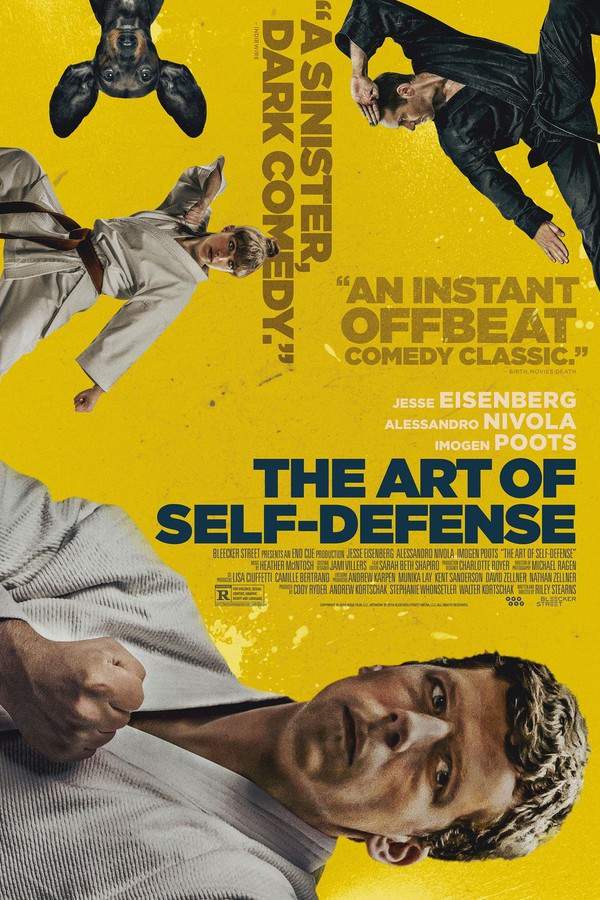
Featured on this page

What's After the Movie?
Not sure whether to stay after the credits? Find out!
Check out our other apps:

SAT Sphere
Build confidence for the Digital SAT.

Mori Atlas
Discover wild places worth protecting.

Luntero
Search smarter for a home in Amsterdam.

Plot Explained
Unravel movie endings and hidden clues.

Pokechamp
Dive into Pokémon data and battle logic.

Driving Theory
Get ready for your European theory test.

Movie Dust
Plan your next cinema trip with ease.

Musemap
Find art and culture as you travel.

Selkobase
Compare credentials before committing.

Local Manual
Turn an unfamiliar country into practical next steps.

Lernavi
Compare school systems before your next move.

GymRoam
Find a workout stop wherever your plans take you.
Explore Our Movie Platform
New Movie Releases (2026)
Famous Movie Actors
Top Film Production Studios
Movie Plot Summaries & Endings
Major Movie Awards & Winners
Best Concert Films & Music Documentaries
Movie Collections and Curated Lists
© 2026 What's After the Movie. All rights reserved.
Privacy Policy