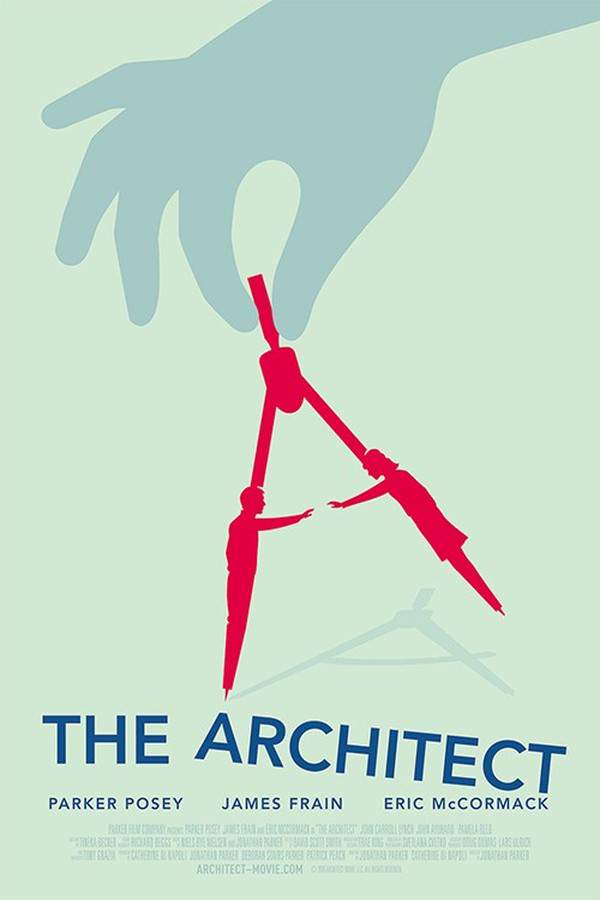
The Architect 2006


Directed by

Matt Tauber
Made by

Magnolia Pictures
Where to Watch The Architect
See current US streaming, rental, and purchase options for The Architect (2006) via JustWatch.

Amazon Prime Video
HD
Amazon Prime Video with Ads
HD
Magnolia Selects Amazon Channel
HD
Hoopla
SD
Kanopy
HD
Fandango at Home Free
HD
The Roku Channel
HD
Amazon Video
SD
Apple TV Store
SD Fandango At Home
SD
Google Play Movies
SD
YouTube
SD Streaming availability powered by 
The Architect Plot Summary
Read the complete plot summary and ending explained for The Architect (2006). From turning points to emotional moments, uncover what really happened and why it matters.
Leo Waters is a successful architect who also teaches at a local university, and his professional life sits alongside a house that exudes luxury. His career has not shielded him from a strained family life: his wife Julia tends to the household, his son Martin has recently dropped out of college and shows no interest in stepping into his father’s footsteps, and his daughter Christina remains a spectral presence in the family dynamic, with moments where Leo watches her in ways that blur boundaries. The distance between Leo’s polished world and the private tensions at home forms a quiet undertone to the family’s daily rhythms.
Tonya Neely is a cleaning lady who lives in a state-funded high-rise public housing project Leo designed years earlier for Chicago’s South Side. Her world is shaped by hardship: her son has taken his own life, and her eldest daughter is a young single mother, while her youngest, Cammie, attends a prestigious school on a scholarship and lives with a wealthy family Tonya knows through her work. Tonya carries the weight of the project’s past and the pain of personal loss as she becomes the public face of a community campaign to demolish the aging complex and replace it with a newer, supposedly better housing solution.
Tonya reaches out to Leo, inviting him to sign her petition and lend weight to the demolition drive. Leo’s initial response defends the existing design, but his stance begins to loosen when he starts to imagine how the project might be improved without tearing it down completely. He shares his evolving vision with Tonya, inviting her to his house to hear his ideas. Tonya is appalled by his approach and by the sense that he has not bothered to visit the project since it was built, a disconnect that underscores the gulf between his privileged vantage point and the realities faced by residents.
Meanwhile, Martin goes to the housing project to see it for himself, and there he meets Shawn, a young gay sex worker who lives in the same building. Shawn’s heartbreaking backstory includes a suicide attempt by jumping from a roof—the same tragedy that shadows Tonya’s son, weaving a thread of personal trauma through the community. Martin’s encounter with Shawn prompts a moment of human connection amid the project’s fraught atmosphere, offering a stark counterpoint to the glossy certainty of architectural plans.
Leo eventually goes to the housing project to engage with Tonya directly. He tells her he is willing to sign her petition, only to learn that authorities have already decided to demolish the project. The news shifts the conversation from debate about design to the reality of redevelopment plans already in motion. In a quiet, poignant moment, Martin walks to the roof of one of the buildings and encounters his father there; the two exchange a long, wordless gaze that conveys a complex mix of recognition, restraint, and unresolved emotion.
The story threads together architecture, community struggles, and personal grief, presenting a layered portrait of how urban design intersects with intimate lives. As Tonya fights for a different future for her neighbors and as Leo wrestles with the consequences of his professional work, the film probes questions about responsibility, empathy, and the visibility (or invisibility) of those who inhabit the cities we build. The silent rooftop moment between father and son becomes a quiet hinge in a narrative that keeps its truths close, inviting viewers to contemplate how plans and projects can shape lives in deeply personal ways.
The Architect Timeline
Follow the complete movie timeline of The Architect (2006) with every major event in chronological order. Great for understanding complex plots and story progression.
Leo Waters: Architect and University Instructor
Leo Waters is a successful architect who also teaches architecture at a local university. He maintains a strained relationship with his wife Julia and their children, hinting at tension beneath his professional success.
Tonya Neely Lives in a South Side Public Housing Project
Tonya Neely resides in a state-funded high-rise public housing project on Chicago's South Side. Her family has suffered trauma, with her son having committed suicide and her eldest daughter as a young single mom, while her youngest daughter Cammie lives with a wealthy family she knows through Tonya's work. The piece outlines the social and economic context that drives her activism.
Tonya Launches a Campaign to Demolish the Project
Tonya leads a community effort to demolish the project and rebuild a better one. She rallies residents and speaks publicly about the failures of the current design. Her plan is to gain political and civic support to realize a major redevelopment.
Tonya Reaches Out to Leo to Sign the Petition
To gain wider support, Tonya reaches out to Leo during a lecture and asks him to sign her petition calling for demolition. He initially defends his work and the design challenges of redeveloping public housing. This encounter marks the first bridging of their separate worlds.
Leo Conceives an Alternative: Modify, Not Demolish
After considering Tonya's concerns, Leo comes up with an idea to improve the project by modifying its current design rather than demolishing it entirely. He envisions structural and community enhancements that might satisfy both stakeholders. The pivot showcases his willingness to rethink his own creation in response to real-world needs.
Leo Invites Tonya to His House to Discuss the Vision
Leo invites Tonya to his house to share his revised vision for the housing project in more detail. Tonya agrees to hear him but remains cautious about the feasibility and sincerity. The invitation underscores a collaboration across social divides.
Tonya Is Appalled by the Proposal and His Lack of Site Visits
Tonya expresses dismay at Leo's proposed approach, especially since he has not visited the project site in years. She questions whether he truly understands the lives of residents who would be affected. The moment highlights a gap between architectural theory and lived experience.
Martin Waters Visits the Housing Project
Martin Waters travels to the housing project to see it for himself, seeking to understand his father's work and the community living there. He encounters conditions that contrast with the elite life of his family. The journey marks a bridge between his world and Tonya's world.
Martin Meets Shawn, a Young Gay Prostitute
Inside the project, Martin meets Shawn, a young gay prostitute who lives there. Their encounter reveals the hidden lives inside the housing project and foreshadows the emotional stakes at play. Martin's empathy grows as he learns about Shawn's vulnerability.
Shawn's Suicide Attempt Is Recalled
Shawn had previously attempted suicide by jumping off a roof, mirroring Tonya's son's fate. The parallel heightens the project’s personal tragedy and informs the characters' motivations. This backstory intensifies the social critique embedded in the narrative.
Leo Goes to the Housing Project to Meet Tonya
Leo goes to the housing project to meet Tonya in person and discuss the petition and possible design changes. The visit grounds his empathy in real-world constraints and the residents' daily realities. The encounter brings their dialogues into the physical space of the project.
Tonya Learns the Authorities Plan to Demolish
Tonya informs Leo that the authorities have already decided to demolish the project, making any petition moot. This revelation reorients the conflict from debate to a looming architectural upheaval. The news forces both to confront the limited power of individual advocacy.
Father and Son Share a Silent Gaze on the Roof
Martin walks to the roof of a building within the project, where he unexpectedly bumps into his father. They share a silent, emotionally charged gaze that speaks volumes about their strained relationship and unspoken forgiveness. The moment crystallizes the personal stakes within the broader social upheaval.
The Architect Characters
Explore all characters from The Architect (2006). Get detailed profiles with their roles, arcs, and key relationships explained.
Leo Waters
A successful architect who also teaches at a local university. He maintains a strained relationship with his family and is torn between his professional pride and the social impact of redevelopment. He defends his past work but starts to seek a compromise that could bridge design and community needs.
Tonya Neely
Tonya is a cleaning lady living in a state-funded high-rise public housing project on Chicago's South Side. Her son committed suicide and her eldest daughter is a young single mom. She leads a community effort to demolish the housing project and build a new one, aiming to mobilize residents and challenge policymakers.
Martin Waters
Leo's son who recently dropped out of college and has little interest in following in his father's footsteps. He visits the housing project, meets Shawn, and shares a silent emotional moment with his father on the roof, revealing a search for connection and meaning.
Christina Waters
The daughter of Leo and Julia; the summary notes that Leo watches her inappropriately at times, indicating troubling boundary issues within the family dynamic.
Shawn
A young gay prostitute who lives in the housing project and has previously attempted suicide by jumping from a roof. His presence within the project highlights the vulnerable lives affected by the housing crisis and urban neglect.
The Architect Settings
Learn where and when The Architect (2006) takes place. Explore the film’s settings, era, and how they shape the narrative.
Location
Chicago's South Side public housing project, Leo's luxurious modern house
The story centers on a public housing project on Chicago's South Side, a focal point for redevelopment tensions. It contrasts the dense, utilitarian housing with Leo's sleek, modern residence, highlighting class and lifestyle disparities. The project becomes a symbol of community struggle and the impact of urban design on residents' lives.
The Architect Themes
Discover the main themes in The Architect (2006). Analyze the deeper meanings, emotional layers, and social commentary behind the film.
🏗️
Urban Renewal
The film centers on the tension between redevelopment and community stability. Tonya's push to demolish the housing project probes who benefits from urban renewal and who bears its costs. Leo's proposal to modify the design instead of demolishing questions the line between professional responsibility and complicity in displacement. The setting becomes a character that exposes inequality and contested progress.
⚖️
Ethics
Architectural ethics collide with personal loyalties and public accountability. Leo's hesitation and eventual consent to Tonya's cause reveal the pressure professionals face when clients and authorities push for change. The plot uses architecture as a lens to examine social justice, housing rights, and the unintended consequences of well-meaning plans.
🏘️
Community vs Individual
Tonya fights for her community while Leo embodies individual professional success. The story contrasts intimate, local knowledge with broader, impersonal forces of urban policy. The rooftop moment between father and son underscores shared vulnerability and a need for belonging within a changing city.

Coming soon on iOS and Android
The Plot Explained Mobile App
From blockbusters to hidden gems — dive into movie stories anytime, anywhere. Save your favorites, discover plots faster, and never miss a twist again.
Sign up to be the first to know when we launch. Your email stays private — always.
Explore the mobile appThe Architect Spoiler-Free Summary
Discover the spoiler-free summary of The Architect (2006). Get a concise overview without any spoilers.
In a stark South Side neighborhood, a towering public‑housing complex—once hailed as a beacon of modern design—stands as a silent testament to both ambition and neglect. Its creator, Leo Waters, is a celebrated architect and university professor whose sleek, glass‑filled world contrasts sharply with the lived reality of the building’s residents. Beneath his polished professional veneer, his family life is quietly frayed, hinting at the personal distance that separates his lofty visions from the everyday struggles of those who inhabit his structures.
Across the hallway of that very complex lives Tonya Neely, a diligent cleaning professional whose life is woven from hardship, loss, and fierce devotion to her community. Charged with caring for a teenage daughter, a grieving mother, and a son whose memory still lingers, Tonya has become the public face of a grassroots campaign to replace the aging tower with something better. Her activism is rooted not only in the desire for safer walls but also in a deeper yearning to rewrite the narrative of a place that has shaped her family’s fate.
The film follows the uneasy convergence of these two worlds, where the architect’s theoretical blueprints meet the activist’s lived experience. As Leo begins to contemplate revisions to his once‑proud design, Tonya pushes back, demanding that any change be grounded in the community’s truth. Their dialogue unfolds against a backdrop of stark concrete, hopeful students, and the hum of a city that constantly rebuilds itself, painting a picture of urban planning as a living, breathing conversation rather than a static plan.
Interwoven with the central tension are peripheral lives that echo the main themes—Martin, Leo’s son, wanders the corridors of the project, encountering Shawn, a young resident whose own story reflects the fragile line between survival and hope. Their brief interactions suggest that the building’s walls hold more than brick and mortar; they contain a mosaic of personal histories, silent grief, and unexpected connections that hint at the transformative power of empathy amid the cold geometry of design.
Movies with Similar Twists and Themes
Uncover films that echo the narrative beats, emotional arcs, or dramatic twists of the one you're exploring. These recommendations are handpicked based on story depth, thematic resonance, and spoiler-worthy moments — perfect for fans who crave more of the same intrigue.





Featured on this page

What's After the Movie?
Not sure whether to stay after the credits? Find out!
Check out our other apps:

SAT Sphere
Build confidence for the Digital SAT.

Mori Atlas
Discover wild places worth protecting.

Luntero
Search smarter for a home in Amsterdam.

Plot Explained
Unravel movie endings and hidden clues.

Pokechamp
Dive into Pokémon data and battle logic.

Driving Theory
Get ready for your European theory test.

Movie Dust
Plan your next cinema trip with ease.

Musemap
Find art and culture as you travel.

Selkobase
Compare credentials before committing.

Local Manual
Turn an unfamiliar country into practical next steps.

Lernavi
Compare school systems before your next move.

GymRoam
Find a workout stop wherever your plans take you.
Explore Our Movie Platform
New Movie Releases (2026)
Famous Movie Actors
Top Film Production Studios
Movie Plot Summaries & Endings
Major Movie Awards & Winners
Best Concert Films & Music Documentaries
Movie Collections and Curated Lists
© 2026 What's After the Movie. All rights reserved.
Privacy Policy