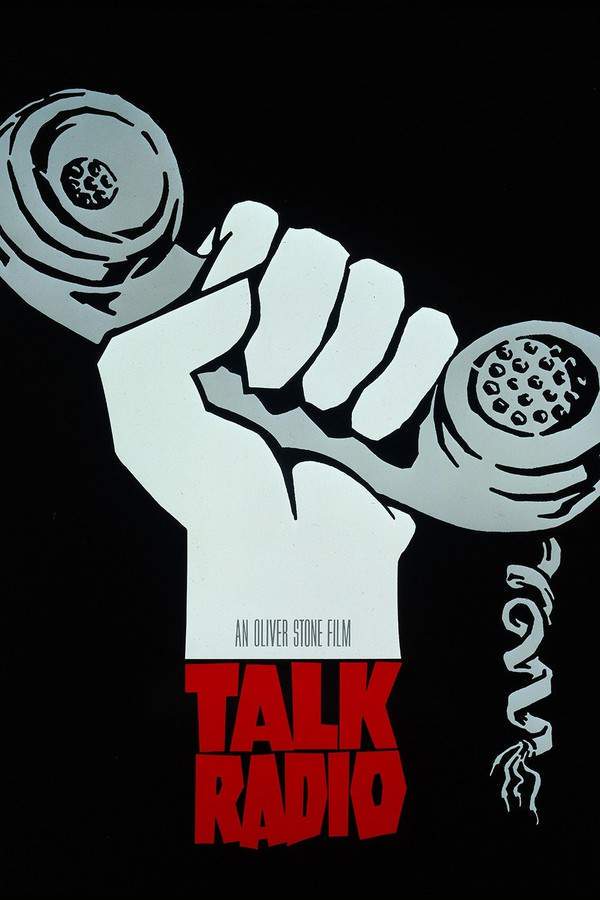
Talk Radio 1988

Directed by
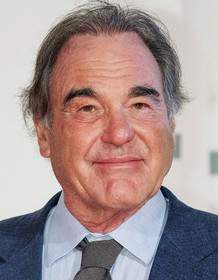
Oliver Stone
Made by

Universal Pictures
Where to Watch Talk Radio
See current US streaming, rental, and purchase options for Talk Radio (1988) via JustWatch.






Talk Radio Plot Summary
Read the complete plot summary and ending explained for Talk Radio (1988). From turning points to emotional moments, uncover what really happened and why it matters.
Barry Champlain [Eric Bogosian], a sharp-tongued Jewish radio host in Dallas, is known for his provocative political views and a condescending attitude toward his callers. As his show edges toward national syndication—a move that could make him rich and famous—he grapples with inner turmoil: self-doubt, swagger, and a deep-seated sense of self-loathing. The film uses flashbacks to trace his journey from a modest beginnings as a menswear salesman to a breakout on-air personality, revealing how easily charisma can translate into power.
The backstory shows Barry impressing a customer and catching the ear of local radio host Jeff Fisher [Alec Baldwin], whose invitation to appear on his program becomes a turning point. Barry quickly eclipses Fisher, landing his own show and shooting to the top of the ratings as a confrontational “shock jock.” As professional success mounts, he becomes a target for far-right militants and is flooded with threatening fan mail, yet his personal life suffers as his marriage unravels.
In the present, Barry invites his ex-wife Ellen [Ellen Greene], whom he still loves, to the studio to seek guidance on the looming syndication deal. To coax him toward his comfort zone, Ellen calls in live and speaks honestly about her love and concern. Barry, while acknowledging his feelings, masks vulnerability by tearing into Ellen on-air, a moment witnessed by the production staff who watch in stunned silence.
The climax unfolds in a blistering monologue where Barry confronts his own cynicism and admits he exploits the very audience that sustains him—and that he is terrified by what they represent. Rather than driving them away, his meltdown becomes the show’s highest-rated moment, and the syndication deal is approved. After the broadcast, Barry heads to his car, and a fan who has come for an autograph pulls a gun, fatally shooting him. The film ends with a soundscape of voices from Barry’s life—now callers to his show—filling the screen as the Dallas skyline glows in the distance.
Talk Radio Timeline
Follow the complete movie timeline of Talk Radio (1988) with every major event in chronological order. Great for understanding complex plots and story progression.
Barry's humble beginnings
In a flashback, Barry works as a menswear salesman and catches the eye of a customer with his easy conversational flair. That charisma catches the attention of Jeff Fisher, a local radio host. The encounter plants the seed for his future in radio.
Jeff Fisher invites Barry to guest on his show
Barry's guest appearance on Jeff Fisher's show instantly impresses the host with his sharp banter. The performance earns him a shot at his own slot, marking the start of his ascent. He rises to the top of the ratings as a confrontational 'shock jock'.
Barry lands his own show and climbs the ratings
After the successful appearance, Barry lands his own radio program and quickly becomes the top-rated host. His aggressive style cements his reputation as a 'shock jock' who challenges callers and listeners alike. The rise comes with growing scrutiny and attention.
Threats and hostility follow Barry's fame
As he ascends, Barry attracts hostility from far-right militants and receives threatening fan mail. The danger surrounding him grows, foreshadowing both personal and professional consequences. The audience loyalty remains high despite the threats.
Barry's personal life deteriorates
While his career soars, his marriage unravels. The strain of fame and his on-air persona leave his personal life in tatters, showing the cost of his public success.
Ellen invites to studio for syndication advice
Barry invites his ex-wife Ellen to the studio seeking guidance on the syndication deal. Ellen calls into the show live, expressing her love and concern for him and trying to reach him emotionally.
Barry masks vulnerability during Ellen's call
As Ellen speaks openly, Barry acknowledges his feelings but hides his vulnerability behind a cruel on-air attack. The staff watch in shock as he meets tenderness with cruelty, a moment that crystallizes his controversial persona.
Climactic confession to the audience
In a climactic monologue, Barry spirals and confesses his cynicism, admitting he exploits his listeners and is terrified of what they represent. The moment signals a raw self-reckoning rather than a comeback.
Meltdown earns record-high ratings
Rather than repelling listeners, Barry's meltdown becomes the show's highest-rated segment. The audience latches onto his vulnerability, inadvertently boosting interest in the syndication deal.
Syndication deal is approved
The syndication deal is approved as a result of the unprecedented ratings spike from Barry's on-air meltdown. Barry's career seems to have reached a peak even as his personal life continues to crumble.
The shooting and Barry's death
After the broadcast, Barry goes to his car and signs an autograph for a fan. The fan pulls a gun and fatally shoots him, ending his life in a sudden, brutal moment.
Ending: life stories echo as callers
The film ends with voices from Barry’s life resurfacing as callers on his show, overlaying images of the Dallas skyline. The city becomes a living memory of his rise and fall, a chorus of memories that outlive him.
Talk Radio Characters
Explore all characters from Talk Radio (1988). Get detailed profiles with their roles, arcs, and key relationships explained.
Barry Champlain (Eric Bogosian)
A sharp-tongued, increasingly cynical radio host whose provocative comments fuel his rise and erode his personal life. His confidence masks deep insecurity and fear of the crowds he entertains, and his on-air persona ultimately becomes a vehicle for self-destruction.
Ellen Champlain (Ellen Greene)
Barry’s ex-wife who remains emotionally involved and cares for him, even as their relationship dissolves under the turmoil of his career. Her live on-air phone call reveals both a genuine concern and a vulnerability that contrasts with Barry’s cruel on-air persona.
Talk Radio Settings
Learn where and when Talk Radio (1988) takes place. Explore the film’s settings, era, and how they shape the narrative.
Time period
Late 1980s
The story unfolds in the late 1980s, a period when talk radio was exploding in popularity and syndication increasingly turned controversial hosts into celebrities. The era’s culture rewards provocative on-air personas and sharp confrontations, amplifying Barry's drive and vulnerabilities.
Location
Dallas, Texas
Dallas provides the bustling, media-driven backdrop for Barry Champlain's rise. The city’s radio market frames his ascent and heightens the pressure of syndication. The skyline and studio environment emphasize the clash between public performance and private life.
Talk Radio Themes
Discover the main themes in Talk Radio (1988). Analyze the deeper meanings, emotional layers, and social commentary behind the film.
🎙️
Media Power
Barry’s ascent from a local host to a nationally watched shock jock shows how media power concentrates attention and money around one personality. Ratings and audience worship become the decisive currency, shaping both career and self-perception. The show acts as a mirror that magnifies Barry’s insecurities while granting him extraordinary influence.
💔
Personal Downfall
As success grows, Barry’s personal life deteriorates; his marriage strains under the weight of his obsession with the microphone. The fame-frenzy isolates him, revealing how public adoration masks private pain. The narrative uses Barry’s volatility to question whether vulnerability belongs on-air or behind closed doors.
🔫
Public Violence
The on-air conflict culminates in a literal act of violence, underscoring the dangerous brink of sensationalized broadcasting. The aftermath reframes the show as a deadly performance where the line between entertainment and harm collapses. The ending forces viewers to confront the real consequences of a culture that thrives on shock.

Coming soon on iOS and Android
The Plot Explained Mobile App
From blockbusters to hidden gems — dive into movie stories anytime, anywhere. Save your favorites, discover plots faster, and never miss a twist again.
Sign up to be the first to know when we launch. Your email stays private — always.
Explore the mobile appTalk Radio Spoiler-Free Summary
Discover the spoiler-free summary of Talk Radio (1988). Get a concise overview without any spoilers.
In the bustling heart of Dallas, the airwaves pulse with the raw energy of a city that never quiets. A local radio station becomes a stage where opinions clash louder than traffic, and every listener’s voice reverberates through a cramped studio that feels both intimate and amplifying. The atmosphere crackles with immediacy, a blend of humor, anger, and the occasional unsettling silence that hints at something deeper lurking beneath the on‑air banter.
Barry Champlain commands the microphone with a razor‑sharp wit and a disdainful edge, turning everyday complaints into theatrical provocations. Once a modest menswear salesman, his meteoric rise to “shock jock” status is fueled by a fearless willingness to dissect politics, culture, and personal grievances alike. As his program edges toward national syndication—a prospect that promises fame and fortune—he walks a tightrope between charismatic dominance and the gnawing self‑doubt that shadows each bold statement.
Behind the relentless on‑air persona lies a life that frays as quickly as his ratings climb. His marriage is unraveling, and an ex‑spouse, Ellen, still hovers in the periphery, embodying the tender yet strained connections he once cherished. Earlier mentorship from a seasoned host, Jeff Fisher, now feels like a distant echo as Barry’s own voice swells louder, drawing both fervent fans and hostile critics. The studio’s walls are lined with a stream of callers—some playful, others venomous—each offering a mirror that reflects his growing inner turmoil.
The film steadies its focus on the uneasy balance between performance and authenticity, painting a world where the line between public image and private reality blurs with every broadcast. It teeters on the edge of intrigue, hinting at the consequences that may arise when a charismatic figure confronts the very audience that sustains him, while a singular, disturbed call threatens to upend the fragile equilibrium he has built.
Movies with Similar Twists and Themes
Uncover films that echo the narrative beats, emotional arcs, or dramatic twists of the one you're exploring. These recommendations are handpicked based on story depth, thematic resonance, and spoiler-worthy moments — perfect for fans who crave more of the same intrigue.


Featured on this page

What's After the Movie?
Not sure whether to stay after the credits? Find out!
Check out our other apps:

SAT Sphere
Build confidence for the Digital SAT.

Mori Atlas
Discover wild places worth protecting.

Luntero
Search smarter for a home in Amsterdam.

Plot Explained
Unravel movie endings and hidden clues.

Pokechamp
Dive into Pokémon data and battle logic.

Driving Theory
Get ready for your European theory test.

Movie Dust
Plan your next cinema trip with ease.

Musemap
Find art and culture as you travel.

Selkobase
Compare credentials before committing.

Local Manual
Turn an unfamiliar country into practical next steps.

Lernavi
Compare school systems before your next move.

GymRoam
Find a workout stop wherever your plans take you.
Explore Our Movie Platform
New Movie Releases (2026)
Famous Movie Actors
Top Film Production Studios
Movie Plot Summaries & Endings
Major Movie Awards & Winners
Best Concert Films & Music Documentaries
Movie Collections and Curated Lists
© 2026 What's After the Movie. All rights reserved.
Privacy Policy