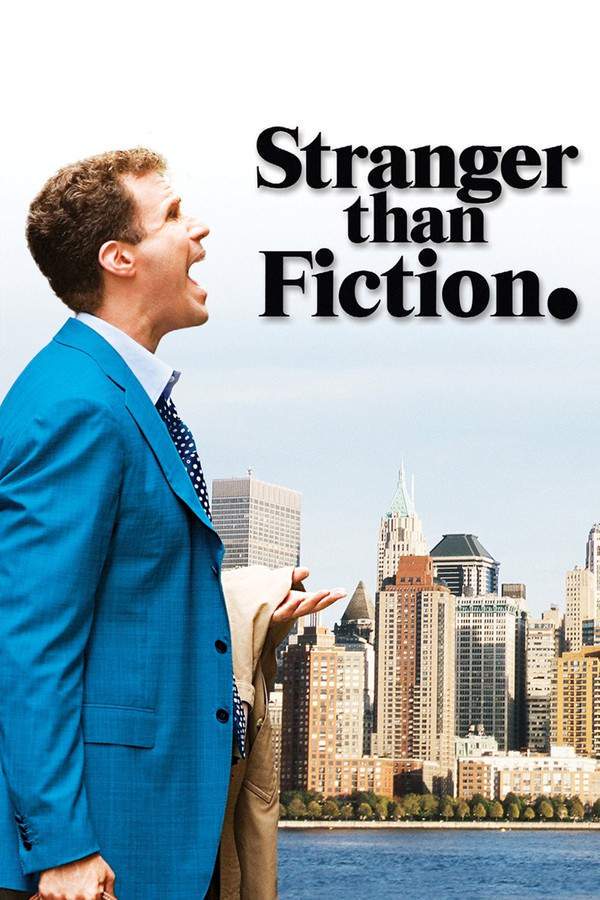
What Is Stranger Than Fiction About?
The premise of Stranger Than Fiction in 291 words, with nothing given away. The full story follows below.
In the humming routine of an ordinary office, an unremarkable IRS auditor finds his meticulous world inexplicably turned into someone else’s story. Harold Crick lives by the steady tick of his wristwatch, cataloguing numbers with precision, until a disembodied voice begins to narrate his every move, predicting actions and outcomes with unsettling certainty. The sudden intrusion of an unseen storyteller shatters his quiet existence, thrusting him into a surreal blend of bureaucracy and metaphysical wonder.
As the narration drifts through his daily grind, Harold is drawn into a quest for answers that leads him beyond spreadsheets and tax codes. He encounters Ana Pascal, a spirited baker whose own quirks and charm contrast sharply with his own regimented life, hinting at a connection that might be more than coincidence. Their budding rapport adds a gentle, humanizing current to an otherwise uncanny tide, suggesting that love may be the most unexpected variable in a story that seems already written.
Seeking expertise, Harold turns to a literature professor whose academic lenses help him glimpse the genre of his own predicament—whether comedy or tragedy. The professor’s insights turn the investigation into a playful, philosophical dialogue about narrative control, free will, and the art of living. Around them, the cityscape serves as a quiet backdrop where ordinary moments acquire a whisper of magical realism, and the tone balances wit with introspection.
The film dances between the mundane and the extraordinary, inviting viewers to wonder how much of our lives are authored by forces beyond our comprehension. With a crisp, lightly self‑aware style, it explores the tension between predestination and agency, all while offering a warm, whimsical portrait of a man who must decide whether to become a passive character or the author of his own story.
What Happens in Stranger Than Fiction?
The complete story of Stranger Than Fiction, from the first scene to the last, in 676 words (about 3 minutes). Spoilers throughout.
Spoilers ahead
Harold Crick, an auditor for the Internal Revenue Service, leads a life dictated by the steady tick of his wristwatch. His latest assignment has him auditing Ana Pascal, a tax-delinquent baker, for whom he finds himself developing an awkward attraction. On this particular day, Harold starts hearing a mysterious woman’s voice that omnisciently narrates his daily life, leaving him baffled and unable to respond.
As he heads home, his watch unexpectedly stops, prompting him to reset it using the time provided by a passerby. The voice ominously narrates, > “little did he know that this simple, seemingly innocuous act would result in his imminent death.” Concerned about this unsettling prediction, Harold consults a psychiatrist, who attributes the voice to schizophrenia. However, they both consider that if it’s not a mental illness and indeed a narrator exists, seeking the counsel of a literature expert might offer some answers.
This leads Harold to Jules Hilbert, a university literature professor, who initially agrees with the psychiatrist. Recognizing the banality in Harold’s life, he suspects that his story lacks the drama typically found in novels. But as the two talk, Jules detects recognizable elements of literature, advising Harold to discern if his narrative leans towards comedy or tragedy.
Their professional interaction parallels Harold’s personal life, where his budding relationship with Ana intensifies. After declining cookies from Ana, fearing they may be perceived as a bribe, she angrily dismisses him, which leads Harold to believe that he is, in fact, part of a tragic story. Following Jules’ guidance, Harold decides to take control of his fate by doing absolutely nothing for a day. Ironically, his apartment gets partially demolished by a wrecking crew mistaking it for an abandoned building, pushing Jules to assert that it’s best for Harold to embrace his fate and live fully until the end.
Taking this advice to heart, Harold takes a prolonged break from work, bonds with his co-worker Dave, embraces his passion for learning guitar, and pursues a romantic relationship with Ana. All the while, Harold starts to perceive his narrative in a new light, identifying it as a potential comedy. This leads him back to Jules, where he inadvertently connects the voice to the acclaimed author, Karen Eiffel.
In a parallel journey, Karen has been grappling with writer’s block, desperately seeking a compelling way to conclude her narrative surrounding Harold’s character, ultimately titled “Death and Taxes.” Starkly aware of the literary precedent of her characters meeting tragic ends, Harold’s reality terrifies her when she discovers he is real. With her assistant Penny on a mission to ensure the book’s completion, Karen reveals to Harold that she has recently crafted an ending in which he dies.
As tension mounts, Karen prepares to finalize Harold’s fate with a single keystroke. Unable to face his foretold demise, Harold chooses to forgo reading the manuscript but instead passes it to Jules, who praises it as Karen’s masterpiece while noting Harold’s death is pivotal to the story’s impact. This uncertainty weighs heavily on Harold, but with Jules’ reassurance about the beauty of life’s fragility, Harold reads the manuscript and finds solace in Karen’s portrayal, deeming it “beautiful.” Accepting his fate, he spends a heartfelt evening with Ana.
On the fateful day of his return to work, as Karen narrates the scene while typing, Harold’s watch, having unwittingly been set ahead, leads him to the bus stop early. In a stroke of bravery, he leaps to save a child about to be struck by a bus, sacrificing himself in the process. Yet, just as Karen pens Harold’s end, she struggles to complete the narrative.
Miraculously, Harold revives in a hospital with Ana by his side, having narrowly escaped death thanks to the remnants of his watch, which inadvertently saved his life by obstructing a critical artery. In the aftermath, Jules reveals to Karen that the manuscript lacks potency without Harold’s sacrifice, prompting them to recognize that his selfless act adds profound meaning to the story—designating his wristwatch, previously anthropomorphized throughout the film, as the character who meets a tragic demise instead.
Stranger Than Fiction Timeline: Every Key Event in Order
15 key events in the order they happen, from “Harold's Routine” to “Redefining Fate”.
- 1
Harold's Routine
Harold Crick, an IRS auditor, lives a meticulously structured life governed by his wristwatch. The steady ticking of time defines his existence, leading him to analyze every aspect with precision.
- 2
The Audit Begins
Harold is assigned to audit Ana Pascal, a charming yet tax-delinquent baker. As he works on her case, he unexpectedly finds himself drawn to her, creating an awkward sense of attraction amidst the formalities of his job.
- 3
The Mysterious Voice
On a seemingly normal day, Harold begins to hear a woman's voice narrating his life in an omniscient manner. This bizarre experience leaves him perplexed and questioning his reality as he attempts to comprehend the implications of this mysterious presence.
- 4
A Stop Watch
As Harold heads home, his wristwatch unexpectedly stops ticking. A passerby helps him reset it, and the narrator ominously hints that this small act will lead to Harold's imminent death, heightening his anxieties.
- 5
Seeking Help
Concerned about the narrator's ominous predictions, Harold decides to seek professional help. He visits a psychiatrist, who attributes the voice to schizophrenia, leading Harold to ponder the possibility of a real narrator involved in his life.
- 6
Meeting Jules
Harold consults literature professor Jules Hilbert, hoping to find answers to his situation. As they discuss Harold's mundane life, Jules recognizes the lack of drama, proposing an exploration of whether Harold's story is categorized as comedy or tragedy.
- 7
A Day of Inaction
Taking Jules' advice, Harold decides to experience a day of absolute inaction. Ironically, this leads to chaos when a crew mistakenly demolishes part of his apartment, prompting Jules to encourage him to embrace life and his fate more fully.
- 8
Embracing Life
With a newfound perspective, Harold takes a break from work and begins bonding with his co-worker, Dave. He also pursues his passion for playing guitar and deepens his relationship with Ana, experiencing joy in his life for the first time.
- 9
Connection to Karen
Harold realizes that the voice narrating his life belongs to the author, Karen Eiffel. This revelation comes during a visit to Jules, signaling a turning point where Harold contemplates his reality as part of a potentially comedic narrative.
- 10
Karen's Struggle
Meanwhile, Karen Eiffel grapples with writer's block as she attempts to construct Harold's tragic narrative. Her struggles worsen upon discovering Harold is a real person, intensifying her fear of the implications of his fate in her story.
Show the other 5 events of Stranger Than Fiction Hide the last 5 events
- 11
The Manuscript Revelation
Karen confides in Harold that she has written an ending in which he dies, putting him in a state of distress. Despite the shock of this revelation, she prepares to finalize his tragic fate with a single keystroke, leaving Harold in turmoil.
- 12
Choosing to Live
As the day arrives for Harold to return to work, he faces the noise of the impending tragedy. However, in a moment of bravery and self-sacrifice, he leaps to save a child from being hit by a bus, ultimately altering the trajectory of his narrative.
- 13
Harold's Resurgence
Despite the tragic prediction, Harold miraculously survives due to the timing of his wristwatch obstructing a critical artery. He awakens in a hospital, reuniting with Ana, showcasing the fragility and unpredictability of life.
- 14
Karen's Reassessment
In the aftermath of Harold's survival, Jules reveals to Karen that the depth of the manuscript is diminished without Harold's act of sacrifice. This pivotal realization reframes their approach, imparting profound meaning to both Harold's character and the story.
- 15
Redefining Fate
Ultimately, Harold comes to terms with his fate and the beauty of life's fleeting moments. Embracing love and the unpredictability of storytelling, he reshapes not only his life but Karen's narrative as well.
Who Are the Main Characters in Stranger Than Fiction?
4 characters, among them Harold Crick (Will Ferrell), Ana Pascal and Jules Hilbert: who each one is and the part they play in the story. 1 of them link to the actor’s page.
-
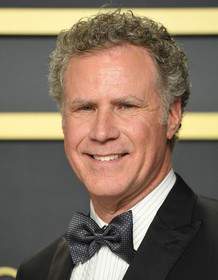
Harold Crick (Will Ferrell)
Played by Will Ferrell
Harold Crick is a meticulous IRS auditor who lives a life constrained by routine and structure. His character evolves from a rigid bureaucrat to someone who seeks to embrace spontaneity and passion for life. Through his experiences, he learns to confront uncertainty and redefine his existence.
- 👨👔 Auditor
- 🕰️ Routine
- ❤️ Transformation
- AP
Ana Pascal
Ana Pascal is a free-spirited baker who becomes Harold's romantic interest. Her creative and passionate nature contrasts sharply with Harold's structured life, challenging him to break free from his confines. Through their relationship, Ana helps Harold discover new dimensions of love and spontaneity.
- 🍰 Baker
- 🌟 Free-Spirit
- ❤️ Love Interest
- JH
Jules Hilbert
Jules Hilbert is a literature professor who becomes Harold's guide in understanding his bizarre situation. He analyzes Harold's story and encourages him to explore his narrative's potential. Jules serves as a catalyst for Harold's journey towards realizing the beauty in life's unpredictability.
- 📚 Professor
- 🎓 Mentor
- 🧐 Analyst
- KE
Karen Eiffel
Karen Eiffel is an acclaimed author struggling with writer’s block, ultimately capturing Harold's life in her work. Her dilemma about writing Harold's tragic ending raises questions about the ethics of storytelling. Her journey reveals the weight of creative responsibility and the intersection of life and art.
- ✍️ Author
- 😟 Troubled
- 📖 Creator
Where and When Is Stranger Than Fiction Set?
Stranger Than Fiction is set in Harold's Apartment, Ana's Bakery and University Campus. Here is why the place matters to the story.
When
The film exists in a contemporary setting, reflecting modern societal dynamics, including career pressures and the quest for personal meaning. This aligns with a present-day context where characters grapple with existential questions and creative struggles.
Where
Harold's Apartment, Ana's Bakery, University Campus
Harold's apartment is a representation of his mundane and controlled life, dictated by routine and work. Ana's bakery serves as a vibrant backdrop where their relationship begins, showcasing creativity and warmth. The university campus is where Harold seeks answers about his life narrative, filled with academic pursuits and literary exploration.
- 🏢 Apartment
- 🍰 Bakery
- 📚 University
What Are the Themes of Stranger Than Fiction?
3 ideas the story keeps returning to, among them Fate vs. Free Will, Love and Connection and Art and Life.
-
01
Fate vs. Free Will
The struggle between predetermined destiny and the desire for control is central to the film. Harold’s journey reflects the tension between following a scripted life and the pursuit of personal agency. His choices to embrace life ultimately influence his narrative fluidly, highlighting the theme's complexity.
-
02
Love and Connection
The budding romance between Harold and Ana serves as a catalyst for his transformation. Their relationship illustrates the importance of genuine human connections in finding purpose. Love challenges Harold’s initial stoicism, leading him to reevaluate his existence and choices.
-
03
Art and Life
The interplay between Harold's life and Karen's writing demonstrates the profound connection between fiction and reality. Karen grapples with her creative block while shaping Harold's fate, underscoring how art influences life choices and vice versa. This theme emphasizes the impact of storytelling on individual lives.
What Kind of Film Is Stranger Than Fiction?
Whimsical in tone, with steady pacing and a moderate story, going by the plot summary.
- Tone
- Whimsical
- Pacing
- Steady
- Story
- Moderate
- Intensity
- Medium
- Ending
- Bittersweet
A whimsical and contemplative film that follows a man's quirky existential crisis as he discovers he is a character in a novel, balancing dry humor with a thoughtful exploration of life's meaning.
- whimsical
- metafictional
- contemplative
- quirky
- introspective
- hopeful
- fate vs free will
- author and creation
- personal transformation
- existential crisis
Quiz
How well do you remember Stranger Than Fiction? Test yourself on the story.