What Is Stopping Traffic About?
The premise of Stopping Traffic in 305 words, with nothing given away. The full story follows below.
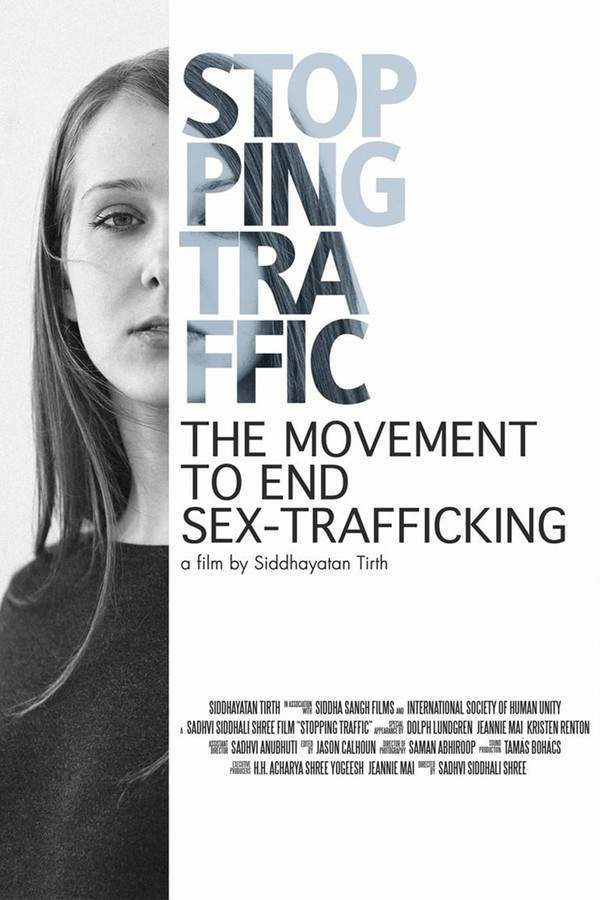
In a world where shadows conceal some of the most disturbing crimes imaginable, Stopping Traffic pulls back the curtain on the global epidemic of human sex trafficking, with a particular focus on the exploitation of minors. The documentary adopts an investigative tone, weaving together personal testimonies from survivors and the voices of veteran activists determined to confront this hidden reality. Their stories anchor the film, transforming abstract statistics into deeply human experiences that demand attention and empathy.
The film expands its lens across multiple continents, traveling through regions known to be both sources and destinations for trafficking networks. From bustling international hubs to communities within the United States, the documentary maps a complex web that connects child sexual abuse, the rise of online pornography, the reach of social media, and the trafficking of vulnerable young people. This global perspective underscores how interconnected these issues have become in the modern age, where digital platforms and real-world exploitation increasingly overlap.
Throughout, the tone remains urgent yet measured, balancing unflinching documentation with a sense of hope carried by those who have dedicated their lives to fighting back. Alongside the survivors, the film introduces a diverse cast of advocates, social service workers, medical professionals, academics, and young activists, each offering a unique angle on the fight against trafficking. Their collective presence suggests a growing movement, one that believes awareness and action can shift the tide against perpetrators who operate largely in the shadows.
More than just an exposé, Stopping Traffic positions itself as a call to engagement. It challenges viewers to recognize the signs, understand the scale of the crisis, and consider their own role in disrupting the cycle of exploitation. The atmosphere is one of revelation and responsibility, inviting them to step beyond passive observation and into active participation in the effort to protect those most at risk.
What Happens in Stopping Traffic?
The complete story of Stopping Traffic, from the first scene to the last, in 446 words (about 2 minutes). Spoilers throughout. Names in the text link to 10 cast member pages.
Spoilers ahead
Stopping Traffic is a powerful and harrowing documentary that delves into the global crisis of human sex trafficking, with a specific and heartbreaking focus on the exploitation of minors. Rather than observing the crisis from a distance, the film adopts a deeply personal perspective, centering its narrative around the lived experiences of those who have endured the unthinkable. The production features poignant interviews with survivors of child sexual abuse and sex trafficking, as well as veteran activists who have dedicated their lives to this cause. To provide a comprehensive overview of the crisis, the film incorporates expert commentary from a wide range of professionals, including social service agents, medical doctors, academics, and passionate young activists.
The scale of the tragedy is underscored by data from a 2014 report by the International Labour Organisation, which the documentary cites to reveal that approximately 27 million people are trafficked worldwide every year. This illicit industry is not only a human rights catastrophe but a massive financial machine, delivering an estimated $150 billion annually (which adjusts to roughly $195 billion in 2024) into the pockets of captors and criminals.
To illustrate the global reach of this crime, the story travels across various borders, exploring harrowing cases in:
- The Philippines
- Mexico
- Thailand
- Iraq
- Major cities across the United States
By providing raw imagery and first-hand documentation, the film exposes the brutal realities of how these crimes are perpetrated. It meticulously examines the grooming and kidnapping processes that occur both within the sanctuary of families and on the dangerous streets. The documentary explains the chilling economics of the trade, noting that while it may only cost a trafficker an average of $90 to acquire a victim, that individual has the potential to yield thousands of dollars in profit.
Furthermore, the film makes a bold and disturbing claim regarding the role of the United States, establishing the U.S. as the largest source of customers for sex traffickers. It specifically highlights the Super Bowl as one of the most popular events for traffickers to arrange and execute their illegal operations.
Beyond the exposure of the crime, Stopping Traffic seeks to empower the viewer. The documentary concludes by suggesting nine specific ways the general public can actively participate in the fight to end trafficking. These actionable steps include:
- Writing formal letters to government authorities.
- Reporting suspected or alleged trafficking activities.
- Educating peers by talking to friends and family about the subject to raise awareness.
The production features contributions from several individuals, including Dolph Lundgren, Carolina Douthit, Cecilia Flores-Oebanda, Jeannie Mai, and John A. King. Additional voices and perspectives are provided by Karla Jacinto, Kristen Renton, Mario Garfias, Rosi Orozco, and Susanne Dietzel.
Stopping Traffic Timeline: Every Key Event in Order
15 key events in the order they happen, from “Opening the Investigation” to “A Call to Action”. 8 events name a place, across 6 locations.
- 1
Opening the Investigation
The documentary opens by framing the international crisis of human sex trafficking, with a particular focus on the trafficking of minors. It approaches the subject from a deeply personal point of view, setting the stage for the powerful stories that follow.
- 2
Survivors and Activists Speak Out
Child sexual abuse and sex trafficking survivors come forward to share their harrowing first-hand experiences. Veteran activists join them, offering perspectives shaped by years spent fighting modern slavery. Their combined voices put a human face on a crisis that is often discussed only in statistics.
- 3
The Scale of the Crisis Revealed
Citing a 2014 report by the International Labour Organisation, the film reveals that 27 million people are being trafficked worldwide every year. This staggering exploitation delivers $150 billion a year to their captors, underscoring the enormous scale of the industry.
When:2014 Where:Worldwide
- 4
Trafficking in the Philippines
The documentary explores trafficking cases throughout the Philippines, providing raw images and first-hand documentation of the crimes. The segment illustrates how the crisis manifests in this part of Southeast Asia.
Where:Philippines
- 5
Trafficking in Mexico
The film documents trafficking operations in Mexico, shedding light on how victims are exploited in the country. First-hand footage captures the harsh reality of the trade in the region.
Where:Mexico
- 6
Trafficking in Thailand
The documentary turns its lens on Thailand, another location in the global trafficking network. It presents raw imagery and documentation of the exploitation taking place there.
Where:Thailand
- 7
Trafficking in Iraq
Cases from Iraq are examined, showing how trafficking thrives even in regions affected by conflict and instability. The film documents the conditions that leave people vulnerable to exploitation in the country.
Where:Iraq
- 8
Trafficking in the United States
The story explores trafficking cases in major U.S. cities, proving the crisis is not confined to distant countries. It demonstrates that human trafficking operates within American communities as well.
Where:United States
- 9
Exploitation Within Families
The documentary examines trafficking practices that occur within families, revealing how those closest to children can become their exploiters. This intimate betrayal is presented as one of the most disturbing entry points into trafficking.
- 10
Recruitment in the Streets
The film explains how a child or young adult becomes trafficked, detailing street-level recruitment practices. It shows the methods traffickers use to lure and exploit vulnerable people.
Show the other 5 events of Stopping Traffic Hide the last 5 events
- 11
The Chilling Economics of Trafficking
The documentary breaks down the economics of the trade, revealing that a trafficker acquires a victim at an average cost of just $90. Yet a single victim holds the potential to yield thousands of dollars, explaining the tragic profitability of trafficking.
- 12
America's Demand Problem
The creators establish the United States as the biggest source of sex traffickers' customers. This finding shifts attention from supply to demand, implicating American consumers in sustaining the global trade.
Where:United States
- 13
The Super Bowl Connection
The documentary identifies the Super Bowl as the most popular event for scoring a trafficking arrangement. This revelation links one of America's biggest sporting events to a peak in trafficking activity.
When:During the Super Bowl Where:United States
- 14
Expert Commentary
Social service agents, doctors, and academics contribute their expertise throughout the film, explaining the systems that enable trafficking. Young activists also add their commentary, representing a new generation joining the fight against modern slavery.
- 15
A Call to Action
The documentary concludes by suggesting nine specific ways the public can help stop trafficking. These include writing to authorities, reporting alleged trafficking, and simply talking to friends about the subject.
Who Are the Main Characters in Stopping Traffic?
3 characters, among them Dolph Lundgren, Carolina Douthit and Cecilia Flores-Oebanda: who each one is and the part they play in the story. Every profile links to the actor’s page.
-

Dolph Lundgren
Played by Dolph Lundgren
Dolph Lundgren contributes his voice and presence in the documentary, underscoring the importance of bringing attention to the issue of human trafficking. His involvement highlights the role of influential figures in raising awareness and fostering change. Lundgren's commitment to the cause may resonate with audiences and encourage them to engage in advocacy.
- 🎤 Voice
- 🌟 Advocacy
- 🎥 Documentary
- CD
Carolina Douthit
Played by Carolina Douthit
Carolina Douthit plays a pivotal role in sharing personal insights and experiences related to trafficking. Her contribution emphasizes the importance of survivor voices in understanding and addressing this crisis. Douthit's perspective helps the audience connect emotionally with the subject matter, fostering empathy and awareness.
- 🔊 Survivor
- 💬 Testimony
- 👩🏫 Education
- CF
Cecilia Flores-Oebanda
Played by Cecilia Flores-Oebanda
Cecilia Flores-Oebanda's insights as an activist provide a crucial perspective on the ongoing efforts to combat trafficking. Her dedication to this cause reflects the tireless work of those fighting for social justice and the protection of minors. Through her contributions, audiences gain a deeper understanding of the systemic nature of the issue.
- 🌍 Activism
- ✊ Social Justice
- 📢 Awareness
Where and When Is Stopping Traffic Set?
Stopping Traffic is set in The Philippines, Mexico, Thailand, Iraq and United States. Here is why the place matters to the story.
When
While the film does not specify a timeframe, it is set in contemporary society, reflecting ongoing and urgent issues related to human trafficking. The documentary uses data from a 2014 report, showing that trafficking is a pervasive problem that continues to affect millions worldwide. The time is marked by a growing awareness of the problem and increasing activism aimed at combating it.
Where
The Philippines, Mexico, Thailand, Iraq, United States
The documentary uncovers the tragic realities of human sex trafficking across various countries, including The Philippines, Mexico, Thailand, and Iraq. It also emphasizes the United States, particularly during significant events like the Super Bowl, where trafficking activities often surge. Each location is portrayed as a crucial battleground in the fight against this global crisis, revealing both the local and international dimensions of the issue.
- 🌎 Locations
- 📍 Global
What Are the Themes of Stopping Traffic?
2 ideas the story keeps returning to, among them Human Rights and Activism.
-
01
Human Rights
The theme of human rights is central to the documentary, emphasizing the need to protect the most vulnerable individuals in society, especially minors. It sheds light on the horrific realities of exploitation and abuse, calling for awareness and action. The film aims to empower viewers to engage in the fight against these violations.
-
02
Activism
Activism arises as a prominent theme, portraying the efforts of survivors and activists dedicated to ending human trafficking. The documentary not only shares their stories but also provides actionable steps for the audience to take. This theme emphasizes the collective responsibility of society to combat exploitation.
What Kind of Film Is Stopping Traffic?
Dark in tone, with steady pacing and a moderate story, going by the plot summary.
- Tone
- Dark
- Pacing
- Steady
- Story
- Moderate
- Intensity
- High
- Ending
- Mixed
A heavy, disturbing documentary that unflinchingly exposes the global crisis of child sex trafficking through survivor testimony and expert analysis, leaving viewers shaken but armed with tools to take action.
- heartbreaking
- disturbing
- urgent
- somber
- exposé
- outraged
- human trafficking
- child exploitation
- sexual abuse
- social justice
Content notes: child sexual abuse, human trafficking, sexual exploitation, kidnapping, rape, child endangerment.
Quiz
How well do you remember Stopping Traffic? Test yourself on the story.