
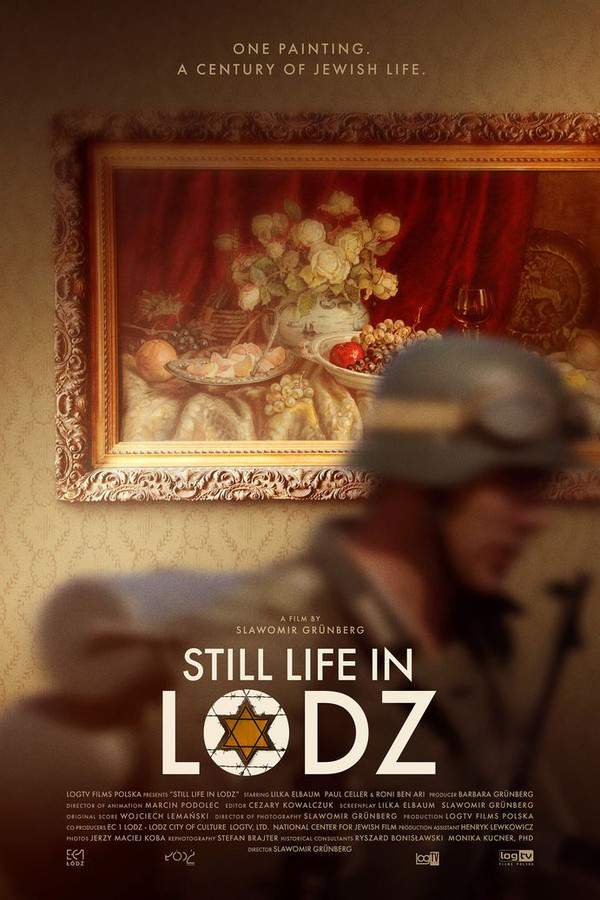
What Is Still Life in Lodz About?
The premise of Still Life in Lodz in 344 words, with nothing given away. The full story follows below.
In the heart of Łódź, a century‑old still‑life painting hangs above a modest apartment, its muted colors and quiet presence offering a portal to a layered past. The city itself, with its cobblestone streets and faded façades, whispers of once‑vibrant neighborhoods that have been reshaped by time, war, and the relentless march of history. The film treats the painting not just as an object, but as a living archive, inviting viewers to contemplate how art can hold memory, identity, and the echoes of lives that have passed through the same rooms.
Lilka Elbaum returns to that quiet domestic space after decades abroad, carrying the weight of her childhood recollections and an unspoken yearning to understand where she belongs. Now based in Boston, she feels the pull of the painting’s silent testimony and decides to journey back to Łódź, accompanied by two fellow seekers: Paul Celler, a curious New Yorker with a knack for uncovering hidden stories, and Roni Ben Ari, an Israeli whose own family ties to the city give the quest a deeply personal resonance. Together they form a modest but determined trio, each bringing a distinct perspective that balances nostalgia, scholarly curiosity, and an emotional tether to the place that shaped them.
Directed by Emmy‑winning Slawomir Grünberg, the documentary weaves archival photographs, original Ghetto drawings, and subtle animation into a seamless tapestry that feels both scholarly and poetic. The visual palette shifts gently between grainy black‑and‑white footage and vibrant contemporary shots, mirroring the interplay between past and present. A contemplative score underlines the reverence of the narrative, while the editing allows moments of silence to breathe, letting the painting’s presence linger in the mind of the viewer.
As the trio steps into the streets that once framed the painting, the film hints at an unfolding dialogue between history and memory, inviting audiences to consider how personal and communal narratives intertwine. The journey is less about uncovering dramatic revelations and more about honoring resilience, forging connections across generations, and discovering how a single work of art can become a bridge to forgotten lives.
What Happens in Still Life in Lodz?
The complete story of Still Life in Lodz, from the first scene to the last, in 284 words (about 1 minute). Spoilers throughout. Names in the text link to 3 cast member pages.
Spoilers ahead
A large still-life painting has held a significant presence in the life of Lilka Elbaum, gracing the wall above her childhood bed in Lodz, Poland. This piece of art, perhaps dating back to when the building first welcomed inhabitants in the late 1890s, was the first thing her eyes fell upon each morning and the last sight as she drifted off to sleep. Over the years, it has silently witnessed the turbulent history of the Jewish families that once lived there, transitioning to a German family during the war, before returning to her Jewish family post-war. The painting bore witness to the heart-wrenching expulsions of Polish Jews, particularly in October 1968, when Lilka and many others were forced to leave Poland.
In the poignant film “Still Life in Lodz,” the symbolism of the painting enlightens the narrative of Lilka’s journey as she now resides in Boston, longing to reconnect with her past. Her quest leads her back to Lodz, alongside companions such as Paul Celler, a fellow New Yorker, and Roni Ben Ari, an Israeli who, like Lilka, shares profound connections to the city and a yearning to unearth remnants of family memories.
Directed by the acclaimed Slawomir Grünberg, a celebrated documentary filmmaker and esteemed Emmy-award winner, the film delicately explores the once-thriving Jewish community of Lodz. It captures its near-total obliteration during the Shoah, traces its revival in the aftermath of the war, and examines the forced expulsion in 1968, leading up to the present-day Jewish community. Employing a unique blend of archival footage, authentic Ghetto drawings, modern creative animation techniques, and contemporary documentary sequences, this historical essay unfolds a powerful narrative that honors the resilience and rich history of Lodz’s Jewish heritage.
Still Life in Lodz Timeline: Every Key Event in Order
13 key events in the order they happen, from “The Still-Life Painting” to “Honoring Resilience”. 11 events name a place, across 2 locations.
- 1
The Still-Life Painting
A large still-life painting became a significant presence in the childhood home of Lilka Elbaum in Lodz, Poland. This artwork, possibly created when the building was established in the late 1890s, served as a comforting companion, being the first and last sight of her day.
Where:Lodz, Poland
- 2
The Jewish Community in Lodz
Over the years, the painting silently observed the vibrant Jewish community in Lodz. As the city became a hub for Jewish families, the painting encapsulated their joys, struggles, and the passage of time.
Where:Lodz, Poland
- 3
German Occupation
During World War II, the community faced a drastic and painful transition as the building was taken over by a German family. This change marked the beginning of a turbulent chapter in Lodz's history, echoing the larger narrative of war and extermination.
Where:Lodz, Poland
- 4
Post-War Return
After the war, the painting witnessed the return of Jewish families to Lodz, symbolizing a slow revival of culture and community despite the immense losses endured during the Holocaust. This period represented resilience and hope among the surviving families.
Where:Lodz, Poland
- 5
Expulsion of Polish Jews
A dark chapter unfolded in October 1968 when a wave of antisemitism led to the expulsion of many Polish Jews, including Lilka Elbaum. This event marked a painful farewell to the homeland for countless families and an irrevocable change in their lives.
When:October 1968 Where:Lodz, Poland
- 6
Lilka's Life in Boston
Years later, Lilka Elbaum found herself in Boston, grappling with feelings of loss and nostalgia for her childhood home in Poland. Her life became a tapestry woven with memories, reinforcing the deep bond she felt with her past despite the physical distance.
Where:Boston, USA
- 7
The Quest to Reconnect
Guided by a desire to reconnect with her roots, Lilka embarks on a journey back to Lodz. This quest was not merely about visiting a location; it was about reclaiming her identity and heritage that was severely affected by historical tribulations.
Where:Lodz, Poland
- 8
Traveling Companions
Lilka's journey is shared with two companions: Paul Celler, a fellow New Yorker, and Roni Ben Ari, an Israeli with a connection to the city. Their shared experiences and histories create a bond that deepens their collective exploration of roots.
Where:Lodz, Poland
- 9
Remnants of Family Memories
In Lodz, the trio seeks remnants of their family histories, hoping to discover traces of their ancestors amidst the ruins and changes. This quest resonates deeply as they navigate the delicate balance between loss and discovery.
Where:Lodz, Poland
- 10
Reflections on Jewish Heritage
The film captures the near-total obliteration of the vibrant Jewish community in Lodz during the Shoah, as well as its efforts to revive post-war. Through this exploration, the narrative highlights the resilience and rich cultural heritage of the Jewish people.
Where:Lodz, Poland
Show the other 3 events of Still Life in Lodz Hide the last 3 events
- 11
Archival Footage and Documentaries
The documentary employs archival footage and authentic Ghetto drawings to paint a vivid picture of Lodz's history. These materials serve to illuminate the stories of those who lived through these tumultuous times.
Where:Lodz, Poland
- 12
Contemporary Documentary Techniques
Utilizing modern creative animation techniques alongside contemporary documentary sequences, the film balances past and present. This artistic approach adds depth to the narrative, illustrating the ongoing relevance of history in today's world.
- 13
Honoring Resilience
Ultimately, the film 'Still Life in Lodz' honors the resilience of the Jewish community and their enduring legacy. It serves as a tribute to those who faced adversity while striving to preserve their identity and history.
Who Are the Main Characters in Still Life in Lodz?
3 characters, among them Lilka Elbaum, Paul Celler and Roni Ben Ari: who each one is and the part they play in the story. Every profile links to the actor’s page.
- LE
Lilka Elbaum
Played by Lilka Elbaum
Lilka is a deeply introspective character, marked by her longing to reconnect with her roots in Lodz. Her relationship with the still-life painting signifies her emotional ties to her past and the community she once belonged to. As she navigates her journey, her resilience and determination shine through, revealing the depth of her character in the face of historical trauma.
- 👩🎨 Artist
- 📖 Storyteller
- 🌍 Seeker
- PC
Paul Celler
Played by Paul Celler
Paul is a companion to Lilka on her journey, sharing a deep connection to Lodz and its memories. His character embodies the perspectives of those who have relocated yet hold threads of their heritage close to their hearts. He adds depth to the narrative through his engagement with Lilka and their shared quest for understanding their past.
- 👨🦰 Companion
- 🌆 Explorer
- 🔍 Researcher
- RB
Roni Ben Ari
Played by Roni Ben Ari
Roni is an Israeli companion who shares a profound connection to the city of Lodz alongside Lilka. His perspective as part of the Jewish diaspora adds a unique layer to their exploration of identity and heritage. Roni’s presence in the narrative emphasizes themes of shared history and the impact of personal stories on collective memory.
- 🇮🇱 Heritage Advocate
- 🧳 Traveler
- 🔗 Connection
Where and When Is Still Life in Lodz Set?
Still Life in Lodz is set in Lodz, Poland, Boston and USA (Late 1890s, post-World War II, October 1968). Here is why the time and place matter to the story.
When
Late 1890s, post-World War II, October 1968
The time period encompasses the late 19th century, the aftermath of World War II, and a pivotal moment in October 1968, marking the expulsion of Polish Jews. This timeline encapsulates a history of turmoil, resilience, and the struggle for identity amidst changing political landscapes in Poland. The film reflects on these eras and their impact on the communities residing in Lodz.
Where
Lodz, Poland, Boston, USA
Lodz is a city in Poland known for its significant Jewish heritage and history, once thriving with a vibrant Jewish community before the devastations of World War II. Boston is a major city in the USA where Lilka resides, representing a new chapter in her life as she seeks to reconnect with her roots. The film explores the emotional landscapes of these two locations, capturing the memories and legacies left behind.
- 🌍 Locations
- 🏙️ Urban
- 📜 Historical
What Are the Themes of Still Life in Lodz?
3 ideas the story keeps returning to, among them Art & Memory, Jewish Heritage and Identity & Displacement.
-
01
Art & Memory
The still-life painting serves as a central symbol of memory and connection, representing the past while illuminating the present struggles of Lilka's identity. It highlights how art can preserve stories and evoke deep emotions, especially in the context of family history and heritage. The film revolves around this theme, emphasizing the power of memories in shaping one's journey.
-
02
Jewish Heritage
The narrative deeply explores Jewish heritage and the historical narrative of Lodz's Jewish community, which faced near obliteration during the Shoah. It pays tribute to the resilience of those who endured despite the adversities and captures the essence of surviving traditions amidst historical trauma. This theme resonates throughout the film, as the characters grapple with their identities and histories.
-
03
Identity & Displacement
The film poignantly addresses themes of identity and displacement, showcasing Lilka's journey from Lodz to Boston and her longing to reconnect with her past. Each character's search for belonging reflects the broader narrative of exiled communities grappling with cultural dislocation. This theme underscores the emotional weight of returning to lost homes and the quest for personal and collective identities.
What Kind of Film Is Still Life in Lodz?
Melancholic in tone, with steady pacing and a moderate story, going by the plot summary.
- Tone
- Melancholic
- Pacing
- Steady
- Story
- Moderate
- Intensity
- Medium
- Ending
- Happy
A poignant and reflective documentary that navigates heavy historical trauma with a steady, respectful pace, blending somber remembrance with resilient hope and the enduring power of art and memory.
- reflective
- nostalgic
- somber
- resilient
- poignant
- melancholic
- holocaust
- memory and legacy
- art and history
- jewish diaspora
Content notes: holocaust, antisemitism, forced expulsion, war trauma.
Quiz
How well do you remember Still Life in Lodz? Test yourself on the story.

