


Stage Fright Plot Summary
Read the complete plot summary and ending explained for Stage Fright (1987). From turning points to emotional moments, uncover what really happened and why it matters.
Late at night, a theatre troupe rehearses a musical about the fictional mass murderer Night Owl. Peter, a domineering director, refuses to let anyone leave. When actress Alicia sprains her ankle, she and castmate Betty sneak out for medical help at a nearby mental hospital. There, Betty notices Irving Wallace, a former actor driven insane who previously went on a killing spree. Unseen, Wallace murders an attendant with a syringe and hides in the trunk of Betty’s car.
Back at the theatre, Peter fires Alicia for leaving. Outside, Wallace kills Betty with a pickaxe to the mouth. Alicia finds the body and alerts the police, who station officers outside. Peter seizes the tragedy to rewrite the play with Wallace as the villain and demands the troupe stay to rehearse. Corinne secretly hides the theatre’s exit key on Peter’s instructions.
Wallace dons the owl costume and begins stalking the cast. Mistaken identities and confusion lead to multiple deaths: Corinne is strangled and stabbed, Ferrari is stabbed and hung, and Mark is killed when Wallace drills through a door. Peter and Danny witness Mark’s death and stick together. Onstage, Peter spots the killer on the catwalks but accidentally axes Brett, who is bound in the spare owl costume. Wallace then kills Sybil and Danny, injures Laurel and attacks Peter, severing his arm with a chainsaw before decapitating him with an axe.
Alicia regains consciousness to find a wounded Laurel hiding in the showers, but Wallace soon finishes her off. Alone, Alicia searches for the missing key, discovering Wallace has arranged the troupe’s bodies around the stage, feathered like part of the set. She retrieves the key and fends him off with a fire extinguisher before escaping to the catwalks. After a final struggle involving fire, she manages to flee the theatre and report to the police.
The next morning, Alicia returns for her watch. Security guard Willy notices the loaded gun she had found the night before and remarks he would have shot Wallace between the eyes. Newspapers report eight victims, but Wallace should be the ninth. Suddenly, a scarred Wallace lunges at Alicia, only to be shot in the head by Willy. Shaken, Alicia leaves the theatre, while Wallace smirks at the camera, implying he has survived.
Stage Fright Timeline
Follow the complete movie timeline of Stage Fright (1987) with every major event in chronological order. Great for understanding complex plots and story progression.
Late-night rehearsal and accident
The theatre troupe rehearses a musical about Night Owl late at night. During the session, Alicia sprains her ankle, and she and Betty slip out to seek medical help.
Wallace’s crime at the hospital
At the nearby mental hospital, Irving Wallace, a former actor driven insane, murders an attendant with a syringe and escapes unseen. He hides in the trunk of Betty’s car, unseen by others.
Peter fires Alicia
Back at the theatre, Peter fires Alicia for leaving the rehearsal. He asserts his control over the troupe and the direction of the play.
Betty is killed outside the theatre
Outside the theatre, Wallace murders Betty with a pickaxe to the mouth in a brutal attack. The sudden killing raises the stakes for the troupe.
Alicia alerts the police
Alicia discovers Betty's body and alerts the police. Officers are stationed outside the theatre to monitor the remaining cast.
Peter rewrites the play
Peter uses the tragedy to rewrite the production, making Wallace the villain and insisting the troupe stay to rehearse. His changes set a darker tone for the performances.
Exit key hidden
Corinne secretly hides the theatre’s exit key on Peter’s instruction, keeping the door locked from within and trapping the cast.
Wallace dons owl costume
Wallace dons the owl costume designed for the show and begins stalking the cast from the shadows. The tension rises as he moves through the theatre.
First killings begin
A wave of killings begins: Corinne is strangled and stabbed, Ferrari is stabbed and hung, and Mark is killed when Wallace drills through a door. The deaths trigger panic and confusion among the survivors.
Mark's death witnessed; Brett attacked
Peter and Danny witness Mark’s death and try to stay together. On the catwalk, Peter mistakenly spots the killer and axes Brett, who is wearing a spare owl costume.
Rampage continues; Peter attacked
Wallace continues his rampage, killing Sybil and Danny, injuring Laurel, and attacking Peter, severing his arm with a chainsaw. The assault culminates with Wallace decapitating Peter using an axe.
Alicia finds Laurel; Wallace finishes her
Alicia regains consciousness to find Laurel wounded in the showers, and Wallace finishes her off. The killer’s brutal spree continues as the survivors hide.
Alicia retrieves the exit key
Alicia searches for the missing key, discovers Wallace has arranged the bodies around the stage, retrieves the key, and fends him off with a fire extinguisher before escaping to the catwalks.
Morning aftermath; gun showdown
The next morning, Alicia returns for her watch; Willy notes he would have shot Wallace between the eyes. Newspapers report eight victims, with Wallace expected to be the ninth.
Final confrontation and implication
Suddenly, a scarred Wallace lunges at Alicia, but Willy shoots him in the head, ending the immediate threat. Shaken, Alicia leaves the theatre, while Wallace smirks at the camera, implying he has survived.
Stage Fright Characters
Explore all characters from Stage Fright (1987). Get detailed profiles with their roles, arcs, and key relationships explained.
Alicia (Barbara Cupisti)
A determined actress who sprains her ankle early on and joins a castmate in seeking medical help. She proves resourceful, retrieves the exit key, and faces the stalker in a final confrontation, escaping and reporting the murders to the police.
Betty
A castmate who accompanies Alicia to the mental hospital and notices Wallace. She is killed soon after, marking the killer’s reach beyond the theatre.
Irving Wallace (George Eastman)
A former actor driven insane by past fame, now a stalker in an owl costume. He commits multiple killings, with the mask scenes underscoring his terrifying presence.
Peter (David Brandon)
A domineering director who refuses to let anyone leave and uses the tragedy to rewrite the play. He is ultimately killed in the midst of the escalating chaos.
Corinne (Loredana Parrella)
A performer who secretly hides the theatre’s exit key on Peter's instruction. She becomes a victim amid the storm of killings.
Ferrari (Piero Vida)
A troupe member who is stabbed and hung, illustrating the brutal reach of the killer within the production.
Mark (Martin Philips)
A cast member who is killed when Wallace drills through a door, increasing the sense of inescapable danger.
Brett (Giovanni Lombardo Radice)
A performer bound in a spare owl costume who is accidentally killed by Peter’s action during the chaos.
Sybil (Jo Ann Smith)
A cast member who is targeted and killed, emphasizing the indiscriminate violence sweeping through the theatre.
Laurel (Mary Sellers)
A dancer who is wounded by Wallace and later killed, illustrating the devastating reach of the killer within the troupe.
Danny (Robert Gligorov)
A troupe member killed by Wallace, contributing to the mounting danger and collapse of the production.
Willy (James Sampson)
A security guard who survives the night and ultimately shoots Wallace, delivering a flicker of justice after the carnage.
Stage Fright Settings
Learn where and when Stage Fright (1987) takes place. Explore the film’s settings, era, and how they shape the narrative.
Time period
1980s
The action takes place in contemporary times, during a single night of rehearsals and performances. The atmosphere relies on practical effects, limited technology, and physical danger rather than digital tricks. The events build toward a dawn aftermath, with the police dragged into the narrative as the survivor contends with the killer.
Location
Theatre, Nearby Mental Hospital
The story unfolds primarily inside a theatre where a troupe rehearses a musical about a fictional mass murderer. When cast members seek medical help, they venture to a nearby mental hospital, layering the setting with claustrophobic tension. Much of the action then shifts to backstage areas and catwalks, turning the theatre into a trap where exits are controlled and danger lurks around every corner.
Stage Fright Themes
Discover the main themes in Stage Fright (1987). Analyze the deeper meanings, emotional layers, and social commentary behind the film.
🎭
Identity & Masks
The killer hides behind a costume, using a mask to blend with the troupe and blur who is safe. Characters conceal true motives as performances become real danger. The owl disguise turns the stage into a theater of deception where appearances mask deadly intent. This motif interrogates how people present themselves under pressure and who can be trusted.
🔪
Murder & Obsession
A former actor driven by a haunted past ambles through the theatre, turning obsession into a murderous rampage. Each death heightens the sense of peril and racializes fear across the ensemble. The violence escalates in a confined space, underscoring the destructive pull of fame and revenge. The killer’s fixation reveals how trauma can manifest as a predatory compulsion.
🎬
Performance vs Reality
The director tries to rewrite the play as real life intrudes, collapsing fiction and danger into one chaotic night. Characters’ roles blur with their actual identities as threats mount and trust erodes. The stage becomes a mirror for the actors’ fears, showing how performance can expose vulnerability rather than conceal it. The boundary between art and murder becomes dangerously indistinct.

Coming soon on iOS and Android
The Plot Explained Mobile App
From blockbusters to hidden gems — dive into movie stories anytime, anywhere. Save your favorites, discover plots faster, and never miss a twist again.
Sign up to be the first to know when we launch. Your email stays private — always.
Explore the mobile appStage Fright Spoiler-Free Summary
Discover the spoiler-free summary of Stage Fright (1987). Get a concise overview without any spoilers.
In the dim glow of a crumbling playhouse, a troupe of eager young actors gathers to bring a lurid new musical to life—a stage‑bound retelling of the legend of the Night Owl, a fictional mass murderer. At the helm is the demanding director Peter, whose uncompromising vision keeps rehearsals running long after the lights should have gone out. Leading the cast is the determined actress Alicia, whose talent is matched only by her restless curiosity, while her close friend Betty provides a steady, if sometimes wary, counterpoint. The ensemble’s chemistry crackles as they navigate cramped backstage corridors, dialogue that teeters between satire and sincerity, and the ever‑present pressure to perfect a piece that delves into darkness while the audience remains unseen.
Just beyond the theater’s rust‑stained walls lies an old state asylum, a place whispered about in local lore for the madness it housed. Rumors swirl that a notorious psychopath has slipped through its gates, a figure whose past crimes have become part of the town’s uneasy folklore. The proximity of the two institutions creates an unsettling backdrop: the disciplined art of performance brushing against the raw, uncontained edge of insanity. As the actors rehearse scenes that mimic horror, an undercurrent of real‑world dread begins to seep through the stage floor, reminding everyone that the line between staged terror and actual peril can be frighteningly thin.
The atmosphere inside the theater is thick with a mixture of theatrical grandeur and claustrophobic tension. Shadows stretch across leathered seats, and the echo of distant sirens mingles with the mutters of the crew, forging a mood that feels both exhilarating and ominous. Alicia wrestles with her ambition and the unsettling aura that hangs over the production, while Peter pushes the boundaries of his own control, demanding that the cast immerse themselves completely in the macabre world they are creating. In this charged environment, each rehearsal becomes a delicate dance between the lure of artistic mastery and the creeping sense that something far beyond the script may be waiting, just out of sight, to blur the distinction between performance and reality.
Movies with Similar Twists and Themes
Uncover films that echo the narrative beats, emotional arcs, or dramatic twists of the one you're exploring. These recommendations are handpicked based on story depth, thematic resonance, and spoiler-worthy moments — perfect for fans who crave more of the same intrigue.

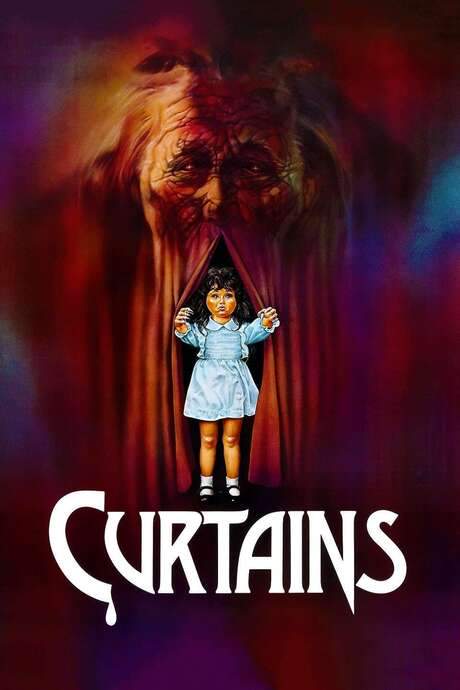


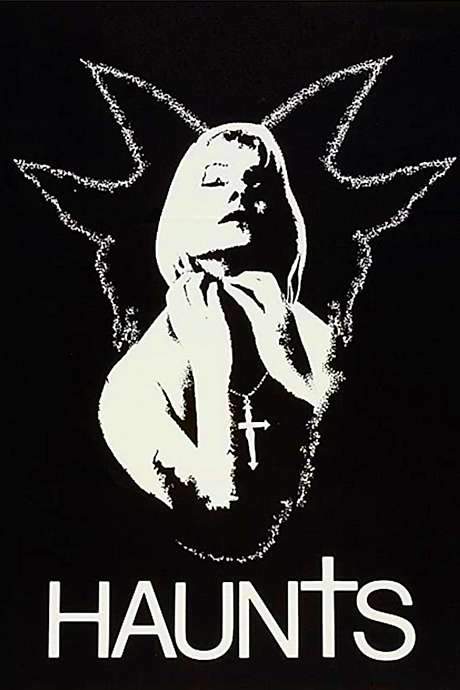

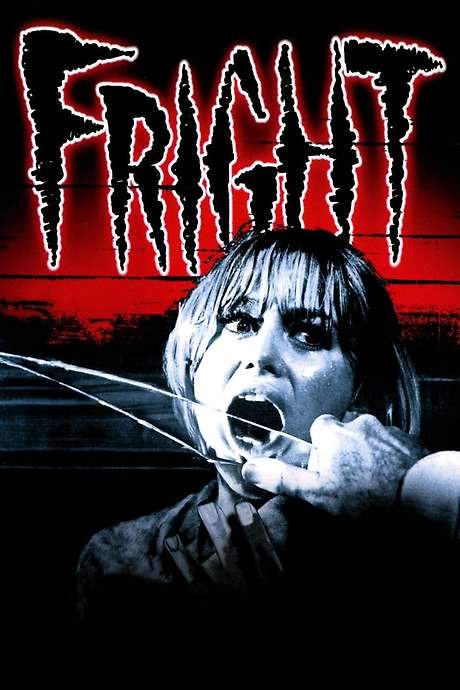

Featured on this page

What's After the Movie?
Not sure whether to stay after the credits? Find out!
Check out our other apps:

SAT Sphere
Build confidence for the Digital SAT.

Mori Atlas
Discover wild places worth protecting.

Luntero
Search smarter for a home in Amsterdam.

Plot Explained
Unravel movie endings and hidden clues.

Pokechamp
Dive into Pokémon data and battle logic.

Driving Theory
Get ready for your European theory test.

Movie Dust
Plan your next cinema trip with ease.

Musemap
Find art and culture as you travel.

Selkobase
Compare credentials before committing.

Local Manual
Turn an unfamiliar country into practical next steps.

Lernavi
Compare school systems before your next move.

GymRoam
Find a workout stop wherever your plans take you.
Explore Our Movie Platform
New Movie Releases (2026)
Famous Movie Actors
Top Film Production Studios
Movie Plot Summaries & Endings
Major Movie Awards & Winners
Best Concert Films & Music Documentaries
Movie Collections and Curated Lists
© 2026 What's After the Movie. All rights reserved.
Privacy Policy