
Something of Value 1957

Directed by
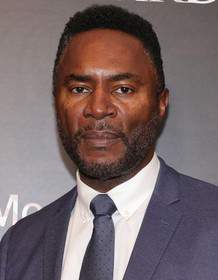
Richard Brooks
Made by

Metro-Goldwyn-Mayer
Where to Watch Something of Value
See current US streaming, rental, and purchase options for Something of Value (1957) via JustWatch.

Amazon Video
SD
Apple TV Store
HD
Google Play Movies
SD
YouTube
SD Streaming availability powered by 
Something of Value Plot Summary
Read the complete plot summary and ending explained for Something of Value (1957). From turning points to emotional moments, uncover what really happened and why it matters.
In British-ruled Kenya in 1945, the Kikuyu people live and work in relative harmony with the white settlers under the watchful, mostly benevolent hand of Henry McKenzie Walter Fitzgerald. They follow their own religious beliefs, which prohibit violence against the settlers, and they strive to keep peace within a rigid colonial framework. Henry’s son Peter Rock Hudson grows up alongside Kimani Sidney Poitier, a Black farm worker who has become almost like a brother after the death of Henry’s wife. When Kimani asks to borrow a rifle to join a lion hunt, Peter’s brother-in-law Jeff Newton Robert Beatty slaps him and reminds him that the gun—and their friendship—are not his to claim. Kimani is humiliated and disappears, only to be found injured after his foot is trapped; Peter carries him back to the camp on his own back, a gesture that underscores their fragile bond. Kimani quietly suggests they shed the roles of master and serf, but Peter firmly rejects any cure that would reduce their relationship to power and subservience.
Back at the black settlement, Kimani’s father, Karanja Ken Renard, shocks everyone by ordering the murder of a newborn whose feet were born first—a sign the tribe regards as a curse. Karanja is arrested and jailed, provoking Henry to argue with the Crown consul about preserving the elders’ authority and the tribe’s way of life, lest the younger generation grow to scorn their own customs and the colonial Christian God alike. Henry, Peter, and Kimani visit the old man in jail, where Karanja gives Henry a sacred stone and urges Kimani to become the farm’s headman. Kimani refuses to spend his life as a white man’s slave, choosing instead to hold onto his own identity and loyalties.
One night, moved by moral outrage at the injustices around him, Kimani attends a clandestine Mau Mau meeting. Njogu Juano Hernández, the group’s leader, asks Kimani to prove his fidelity by stealing rifles. After a black houseboy is killed during the raid, Kimani is torn between loyalty to the McKenzies and allegiance to the Mau Mau. Njogu insists Kimani must stay, warning that the police will connect him to the crime. > it is your own hatred that you see in others. <
Years pass to 1952, and Peter—now the safari leader who supplements the shrinking farm income—welcomes Holly Keith Dana Wynter home after she studies abroad. Kenya’s tensions rise, and Henry and other settlers grow wary of the disappearances of many workers, though the women stay silent out of fear. Kimani endures the Mau Mau oath, receiving seven gashes on his arm, drinking sheep’s blood, and swearing to drive the Europeans from Kenya at any cost. He asks Njogu for permission to marry Njogu’s daughter, but the elder refuses to perform a Christian ceremony. On their wedding night, Peter and Holly celebrate their union while the Mau Mau raid the McKenzie farmhouse, killing Jeff Newton Robert Beatty and two of his three children, and wounding Elizabeth Wendy Hiller. Elizabeth—pregnant with Jeff’s child—must find safety, and Holly pleads with Peter to leave the country, but he cannot abandon his land.
As colonial authorities declare a state of emergency, Peter and their neighbor Joe Matson Michael Pate track down a Mau Mau camp and bombard it with a grenade. The Mau Mau surrender and are interned, enduring harsh interrogations that test their resolve. Peter, exhausted and morally unsettled, struggles to articulate his feelings to Holly, who wishes to stay in Africa she loves. When Henry and Peter return to the camp, they discover Joe torturing Njogu for information. Rather than escalate violence, Henry tries a different approach, presenting Njogu with the sacred stone and asking whether his gods would require the killing of innocent children. The thunderstorm that crosses the sky unsettles Njogu, and he concedes that if the gods cannot accept Mau Mau, then they cannot lead his people. He then names Kimani, now a Mau Mau general, as the leader of the attack on the McKenzie home.
As British forces crush the Mau Mau, Peter and the Black worker Lathela Ivan Dixon search for Kimani in the jungle. In Nairobi, Holly joins Peter at the hospital, where Elizabeth’s newborn child is born. Peter contemplates leaving with Holly, but she declares a deep attachment to Africa and their homeland. Joe and his armed men reach the spring first, and a brutal confrontation erupts. Kimani and his followers flee with an infant son into the forest, but Peter locates them in a cave and explains that they were betrayed by old loyalties and fears. When a confrontation arises, Kimani charges Peter with surrender to allow them both a chance to start anew; Peter refuses to relinquish the child. In a desperate struggle, Kimani lunges for a gun, but Peter wrestles it away and—holding Kimani at bay—begins to persuade him to surrender. Kimani slips into a pit trap, bamboo spikes piercing him. He begs Peter to throw the child to him to die with him, but Peter keeps the infant and carries it home to be raised with Elizabeth’s newborn, hoping a new generation might help bridge the chasm that has torn their world apart and heal the scars of East Africa.
Something of Value Timeline
Follow the complete movie timeline of Something of Value (1957) with every major event in chronological order. Great for understanding complex plots and story progression.
Colonial calm in 1945 Kenya
In 1945, Kikuyu workers live under colonial rule on the McKenzie farm. They maintain peaceful relations with Henry McKenzie and follow their own religious beliefs that forbid violence against the settlers. The stage is set for growing tensions beneath the surface of calm colonial life.
Rifle denial and insult
Kimani asks to use a rifle during a lion hunt, but Jeff Newton slaps him and reminds him he cannot have the gun or continue his friendship with Peter. The humiliation sharpens racial tensions and foreshadows later conflict. Kimani then disappears from the camp, signaling the fracture between communities.
Peter's rescue and refusal to accept master/serf roles
Kimani is injured by a trap and Peter carries him home on his back. Kimani suggests they adopt master and serf roles, but Peter refuses to change their relationship and insists on remaining brothers rather than masters.
Karanja's murder order and the elder's fate
Karanja, Kimani's father, orders the murder of a newborn believed to be cursed. After his act, Karanja is arrested and jailed, triggering a clash over tribal authority and colonial rule. Henry argues with the Crown consul that stripping elders' authority risks eroding Kenyan life and faith.
The sacred stone and pressure to lead
While visiting Karanja in jail, the elder gives Henry a sacred stone, deepening the spiritual ties of the community. Karanja uses the moment to push Kimani toward becoming headman, but Kimani refuses to spend his life as a white man's slave.
Kimani joins Mau Mau
Moved by moral outrage, Kimani attends a secret Mau Mau meeting led by Njogu. He is asked to prove fidelity by stealing rifles, and the raid ends with a houseboy killed by Mau Mau militants. Kimani struggles with the methods, and Njogu insists he must remain because the police will connect him to the crime.
1952: Peter returns and Holly arrives
Years later, in 1952, Peter leads safaris to supplement the farm's dwindling income, and Holly Keith returns after studying abroad. As Kenya grows tenser, white settlers question the disappearances of workers while their wives remain silent out of fear.
Oath and its limits
Kimani submits to a Mau Mau oath, receiving seven gashes on his arm and drinking sheep's blood as he swears to drive the Europeans from Kenya. Njogu claims he is too old to take on the oath's tenets, highlighting the tension within the movement.
Wedding night turns violent
During Peter and Holly's wedding night, the Mau Mau raid the McKenzie farmhouse, killing Jeff and two of his three children and wounding Elizabeth. Kimani, torn between loyalties, cannot bring himself to kill Elizabeth and retreats, leaving her wounded. The attack marks a devastating blow to the family and signals the depth of conflict.
Emergency and torture begin
A state of emergency is declared as British forces retaliate. Peter and Joe bomb a Mau Mau camp; the rebels surrender and are interned, where many are tortured for information. Peter returns home exhausted, and Holly pleads for departure, but Peter refuses to abandon his land.
Njogu's admission and Kimani named leader
Joe tortures Njogu for information, and to avoid martyrdom, Njogu admits that Kimani is a Mau Mau general and the leader of the attack on the McKenzie home. The revelation further tightens the net around Kimani and his followers.
Negotiation at the spring
Peter seeks a resolution and meets Kimani at a hidden spring to discuss terms. Kimani urges negotiation with the whites, arguing that it is hatred on both sides that fuels the conflict and that a peaceful path may be possible.
Nairobi hospital and a wish to stay
In Nairobi, Peter reunites with Holly at the hospital where Elizabeth's child is born. Holly expresses love for Africa and a desire to return home, signaling a complicated desire to stay and fix what has happened.
Betrayal at the spring and pursuit
Joe leads armed men to the spring and a confrontation erupts, forcing Kimani and his followers to flee into the jungle with an infant. Peter arrives and reveals that both men feel betrayed, intensifying the pursuit.
The final standoff and a hopeful ending
In a final struggle, Kimani grabs for a gun and tries to kill Peter, but the weapon slips and he is fatally wounded in a bamboo spike pit. Peter pleads for surrender and refuses to cast away the child, carrying the baby home to raise with Elizabeth's newborn in the hope that a new generation might bridge the rift.
Something of Value Characters
Explore all characters from Something of Value (1957). Get detailed profiles with their roles, arcs, and key relationships explained.
Kimani Wa Karanja (Sidney Poitier)
Kimani begins as a trusted, affectionate friend to Peter and Henry, raised like a brother. His evolution exposes the pull between his loyalty to his people and his doubts about militant methods. He strives for a path that honors both humanity and justice, ultimately meeting a tragic, morally charged fate.
Peter McKenzie (Rock Hudson)
Peter embodies the settler’s frontier ideal—resourceful and protective of the land—yet he carries a heavy moral burden. He grapples with the violence around him and questions how to preserve humanity within a collapsing order. His bond with Kimani anchors the film’s moral tension and its hope for reconciliation.
Henry McKenzie (Walter Fitzgerald)
Henry represents paternalistic authority in the colonial system, defending law and order while recognizing the strain on native communities. He warns about the consequences of eroding elders’ authority and the spiritual cost of colonial domination. His stance frames the conflict between maintenance of privilege and conscience.
Elizabeth (Wendy Hiller)
Elizabeth is Henrys wife, a steady presence in a volatile world who becomes a focal point of fear and resilience. She endures upheaval and pregnancy amid upheaval, symbolizing the personal stakes of political conflict. Her perspective highlights the civilians' vulnerability in the colonial crisis.
Jeff Newton (Robert Beatty)
Jeff is the white settler who embodies the aggressive, protective side of colonial power, clashing with Kimani and reinforcing tensions. His actions catalyze key conflicts and his fate mirrors the broader violence of the era. He stands as a controversial figure whose presence reveals the fragility of cross racial friendships.
Njogu (Juano Hernández)
Njogu is the Mau Mau leader who embodies tradition, secrecy, and the complicated moral code of the rebellion. He appeals to kinship and the old gods, while his oath-bound order drives the plot toward violence and sacrifice. His choices reveal the moral ambiguity of resistance.
Adam Marenga (Frederick O'Neil)
Adam Marenga is a key Mau Mau figure who pushes for an oath and militant action. His presence marks the shift from passive resistance to organized insurrection, illustrating how revolutionary aims can become ruthless. He embodies the militant path and its consequences.
Lathela (Ivan Dixon)
Lathela is a loyal gun-bearer and ally who tracks Mau Mau, showing the collaboration and surveillance dynamics in the colonial frontier. His perspective adds nuance to the conflict as a bridge between communities. He participates in the pursuit of both loyalty and safety.
Joe Matson (Michael Pate)
Joe is the farmer neighbor who participates in the crackdown on Mau Mau camps, representing the white settler’s direct involvement in the violence. His actions contribute to the cycle of retaliation and suffering. He embodies the harsher edge of colonial power.
Something of Value Settings
Learn where and when Something of Value (1957) takes place. Explore the film’s settings, era, and how they shape the narrative.
Time period
1945-1952
Set in the immediate post-World War II era, the film follows Kenya under colonial rule. It spans the late 1940s into the early 1950s, during rising tensions and the state of emergency that targets the Mau Mau. The period is defined by social upheaval, land disputes, and clashes between settlers and native communities.
Location
Kenya, British Kenya, Kikuyu settlement
The story unfolds in a Kikuyu farming settlement in British ruled Kenya. The central farm and its nearby village sit on a frontier where colonial law and Kikuyu customs collide. The landscape shifts between sunlit fields and the dense jungles where Mau Mau insurgents operate.
Something of Value Themes
Discover the main themes in Something of Value (1957). Analyze the deeper meanings, emotional layers, and social commentary behind the film.
🏛️
Colonialism
The film centers on a settler society that wields legal power over Kikuyu workers, exposing how colonial structures sustain inequality. Laws, customs, and religious beliefs clash, forcing characters to navigate loyalty to family and community against obedience to empire. The tension between white authority and Indigenous sovereignty drives the tragedy and moral complexity.
🔥
Resistance
Kimani's embrace of Mau Mau oath reveals the pull of collective liberation despite brutal methods. The pursuit of freedom clashes with personal conscience, as violence erupts and trust erodes. The story shows both the catalysts of rebellion and the human cost of insurgent action, culminating in attempts to negotiate peace rather than perpetuate bloodshed.
🧭
Moral Dilemma
Characters confront competing loyalties: friendship across racial lines, family duty, and the call of a militant cause. Peter and Kimani embody the struggle between personal ties and a broader fight for justice. The narrative weighs mercy against retribution, asking whether reconciliation is possible after deep seated injustice.

Coming soon on iOS and Android
The Plot Explained Mobile App
From blockbusters to hidden gems — dive into movie stories anytime, anywhere. Save your favorites, discover plots faster, and never miss a twist again.
Sign up to be the first to know when we launch. Your email stays private — always.
Explore the mobile appSomething of Value Spoiler-Free Summary
Discover the spoiler-free summary of Something of Value (1957). Get a concise overview without any spoilers.
In the twilight of British rule, Kenya sways between the quiet rhythms of its high‑land farms and the restless undercurrents of a growing nationalist movement. The land is lush and contested, the air thick with the promise of change and the weight of a centuries‑old colonial order. Against this backdrop, a society of settlers and indigenous peoples navigates an uneasy coexistence that is as beautiful as it is fragile.
Kimani, a Kikuyu farmhand whose childhood has been intertwined with the white family that employs him, carries the pride of his people while shouldering the expectations of a colonial household. Peter, the son of a British settler, has been raised with the privileges and responsibilities of the empire, yet he feels the pull of the very land that sustains his family. Their friendship, forged in shared chores and youthful camaraderie, now finds itself stretched across a widening divide, each man yearning for a peace that seems ever more elusive.
The McKenzie family, emblematic of the colonial presence, tries to uphold a semblance of harmony, while the surrounding villages hold fast to ancestral customs that prohibit violence yet whisper of a deeper, unmet yearning for freedom. Both Kimani and Peter are caught between loyalty to the people they love and the larger forces that demand their allegiance. Their personal convictions clash with the rising tide of unrest, hinting at choices that could either bridge the gap between them or drive them further apart.
The film unfolds with a brooding, lyrical tone, painting the stark beauty of the Kenyan landscape alongside the simmering tensions that threaten to erupt. It is a study of two men bound by history and friendship, each confronting the moral ambiguities of a world on the brink of transformation, and each hoping—against the odds—that a path to reconciliation might still be found amidst the turmoil.
Movies with Similar Twists and Themes
Uncover films that echo the narrative beats, emotional arcs, or dramatic twists of the one you're exploring. These recommendations are handpicked based on story depth, thematic resonance, and spoiler-worthy moments — perfect for fans who crave more of the same intrigue.
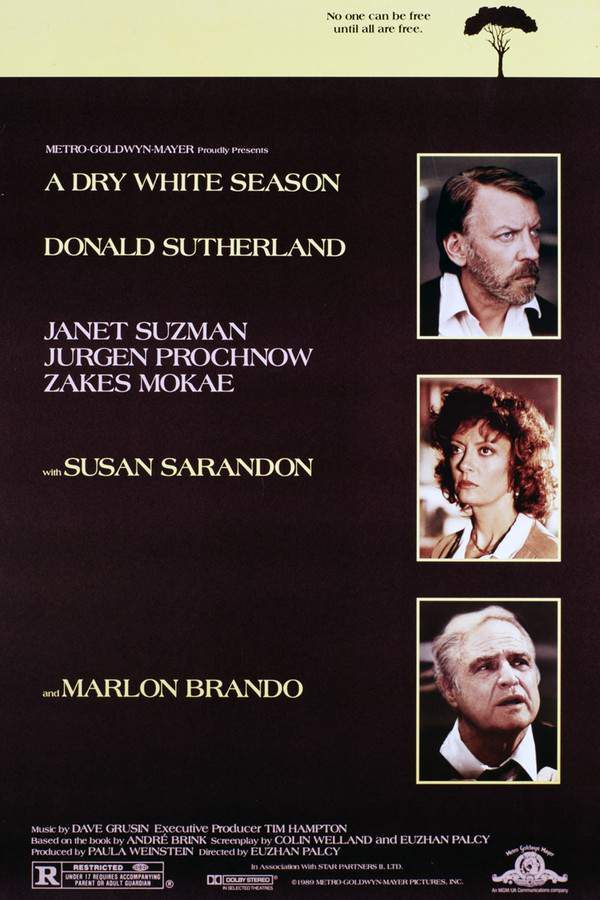
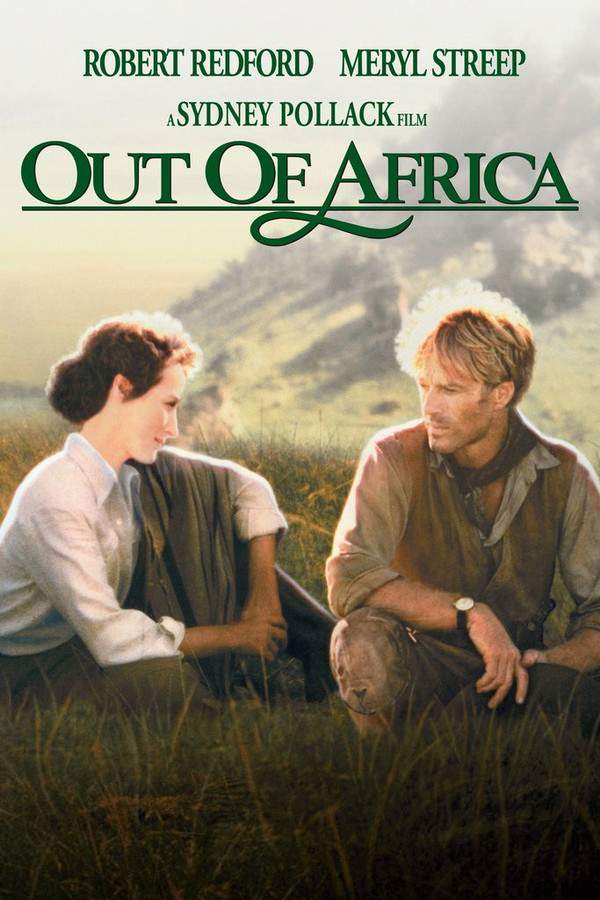
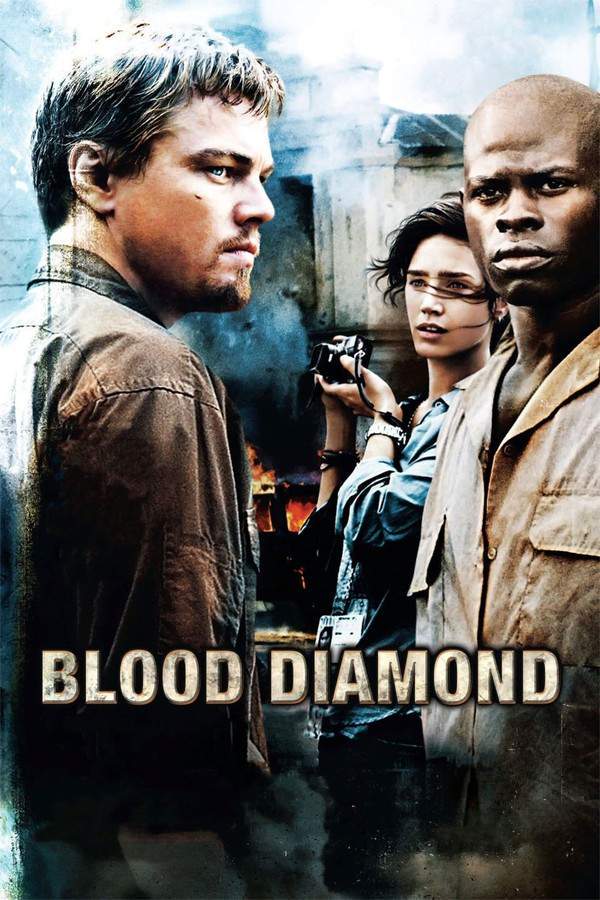


Featured on this page

What's After the Movie?
Not sure whether to stay after the credits? Find out!
Check out our other apps:

SAT Sphere
Build confidence for the Digital SAT.

Mori Atlas
Discover wild places worth protecting.

Luntero
Search smarter for a home in Amsterdam.

Plot Explained
Unravel movie endings and hidden clues.

Pokechamp
Dive into Pokémon data and battle logic.

Driving Theory
Get ready for your European theory test.

Movie Dust
Plan your next cinema trip with ease.

Musemap
Find art and culture as you travel.

Selkobase
Compare credentials before committing.

Local Manual
Turn an unfamiliar country into practical next steps.

Lernavi
Compare school systems before your next move.

GymRoam
Find a workout stop wherever your plans take you.
Explore Our Movie Platform
New Movie Releases (2026)
Famous Movie Actors
Top Film Production Studios
Movie Plot Summaries & Endings
Major Movie Awards & Winners
Best Concert Films & Music Documentaries
Movie Collections and Curated Lists
© 2026 What's After the Movie. All rights reserved.
Privacy Policy