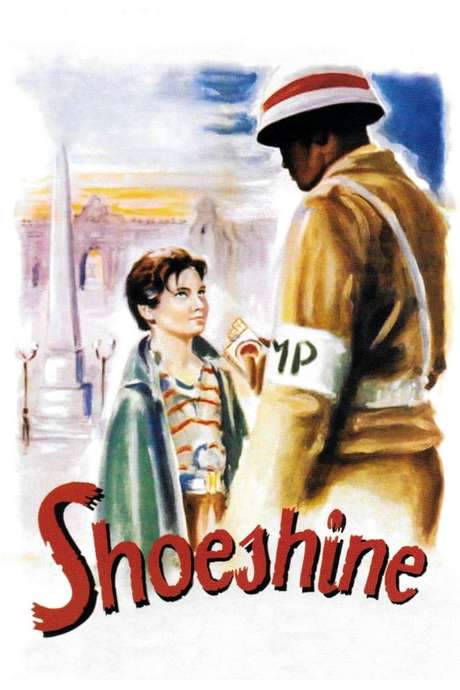
Shoeshine 1946


Directed by
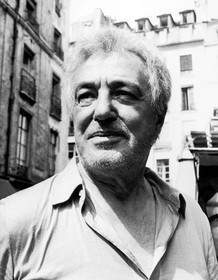
Vittorio De Sica

Where to Watch Shoeshine
See current US streaming, rental, and purchase options for Shoeshine (1946) via JustWatch.

Criterion Channel
HD
HBO Max
HD
HBO Max Amazon Channel
HD
Amazon Video
HD
Apple TV Store
4K
Fandango At Home
SD
Google Play Movies
SD
YouTube
SD Streaming availability powered by 
Shoeshine Plot Summary
Read the complete plot summary and ending explained for Shoeshine (1946). From turning points to emotional moments, uncover what really happened and why it matters.
Two friends, Giuseppe Filippucci and Pasquale Maggi, scrape by shining shoes on the crowded streets of Rome, living frugally while saving every lira in the hope of finally buying a horse.
One day, Giuseppe’s older brother, Attilio, visits and reveals that Panza, a notorious fence, has some work for them. Panza sends the boys to fetch two blankets to sell. They turn the blankets into quick cash by selling them to a fortune teller, but this small windfall triggers a dangerous chain of events. Panza, Attilio, and another man burst into the fortune teller’s home, posing as policemen to seize the moment. They claim the fortune teller handles stolen goods and force the boys from the scene, allowing them to keep the blanket money (2,800 lira) plus an additional 3,000 lira. With this money, the boys finally have enough to realize their dream of owning a horse.
Back in the city, the situation spirals. The real police, along with the fortune teller, bring the boys to the precinct for questioning. The authorities accuse them of stealing 700,000 lira from the fortune teller’s house—clearly the work of Panza and Attilio in disguise. The boys steadfastly deny the charges and withhold knowledge of the three con men, ending up separated and sent to a juvenile detention center.
In the daunting confines of the jail, Giuseppe receives parcels from the outside world and shares his food with fellow inmates in his cell. Arcangeli, another inmate, discovers a note hidden in a bread crumb from the parcel. The note comes from Attilio’s boss, directing the conspirators to keep silent about the brothers’ involvement. Giuseppe informs Pasquale, and the two decide not to expose the truth.
The tension peaks during a police inquiry. In the chief’s office, the interrogators threaten force. A guard stages a mock beating with a sandbag while another inmate pretends to hear Giuseppe scream in pain, a ruse designed to extract confessions. Believing his friend is being harmed, Pasquale breaks and divulges Panza’s name and Attilio’s role to the chief, shocking Giuseppe when he learns of the betrayal.
A file is planted in Pasquale’s cell, and he is flogged as punishment. At their formal court hearing, Giuseppe is sentenced to one year in prison and Pasquale to two years. The wheels of fate then begin to turn toward an audacious escape. Giuseppe agrees to follow Arcangeli’s plan to slip out.
During a movie screening inside the prison, the escape unfolds. Pasquale informs the police chief where Giuseppe and Arcangeli have gone and directs them to the horse’s location. They pursue, but the pair manage to elude capture on the horse. A chase ends on a bridge, where Arcangeli bolts away while Giuseppe and Pasquale make their exit in different directions. Arcangeli flees, while Giuseppe remains on the scene as Pasquale, in a moment of desperation, strikes with his belt, sending Giuseppe tumbling from the bridge and striking the rocks below. As Pasquale weeps over his friend’s apparently dead body, the police close in and the horse disappears into the distance.
Shoeshine Timeline
Follow the complete movie timeline of Shoeshine (1946) with every major event in chronological order. Great for understanding complex plots and story progression.
Friends dream of buying a horse in Rome
Giuseppe Filippucci and Pasquale Maggi are two boys living in Rome who earn a living by shining shoes while saving to buy a horse. Their shared goal anchors their days and shapes the choices they make. The friendship at the core of the story is the engine that drives the plot forward.
Attilio sets up work through Panza
Giuseppe's older brother Attilio visits and mentions that Panza has work for the boys. Pasquale brings Giuseppe to meet Panza, who gives them two blankets to sell. The money from this small job promises a real step toward finally buying a horse.
Blankets sold to a fortune teller and a fake arrest
The blankets are taken to a fortune teller who buys them, turning a quick profit for the boys. Panza, Attilio, and another man burst into the fortune teller's house posing as policemen, accusing the fortune teller of handling stolen goods and forcing the boys to retreat. Attilio instructs the boys to leave quietly, letting them keep the blanket money (2,800 lira) plus 3,000 additional lira.
Purchase of a horse with the savings
With the money gained, Giuseppe and Pasquale buy a horse and ride it through the city. The purchase represents a tangible achievement toward their long-denied dream. They return to the city feeling that their hustle has paid off.
Real police arrest the boys
Back in Rome, the real police—alongside the fortune teller—bring Giuseppe and Pasquale to the precinct for questioning. They are accused of stealing 700,000 lira from the fortune teller's home, a crime tied to Panza and Attilio's con. The boys deny the charges and refuse to reveal their knowledge of the con men, and they are sent to a juvenile detention center.
In detention, a note hints at betrayal
Inside the juvenile detention center, Giuseppe shares food with fellow inmates while Arcangeli discovers a note tucked in a bread crust from Attilio's boss, urging secrecy. The boys decide not to divulge the truth about the con, creating a fragile pact to protect those involved. The situation deepens their entanglement with the crime plot.
Interrogation and a staged beating
During questioning, the police chief threatens to extract information by force. In a side room, a fake beating is staged with a sandbag while a pretend scream echoes, creating false evidence. Pasquale, seeking to end the uncertainty, names Panza and Attilio to the chief.
The rift widens when Pasquale betrays
Giuseppe learns that Pasquale betrayed him by revealing the names of Panza and Attilio to the police. He confronts Pasquale in front of the other inmates, exposing the fracture in their friendship. The betrayal casts a shadow over their shared past and future.
A planted file and a brutal punishment
A file is planted in Pasquale's cell, and he is flogged as punishment. The incident underscores the brutal environment of the detention system and the precariousness of their position. It also raises the stakes for their ongoing legal struggles.
Sentences are handed down
In the official court hearing, Giuseppe is sentenced to one year and Pasquale to two years in prison for their involvement. The verdict formalizes their separation and the consequences of the con. The brothers' path forward is now shaped by prison walls.
Escape plan and a prison break
Giuseppe commits to Arcangeli's plan to escape, timing it with a movie being shown in the prison. They manage to break out while the film plays, slipping away from custody. The escape changes the momentum of the story and sets up the final chase.
Pasquale leads authorities to the horse
Pasquale informs the police chief of Giuseppe and Arcangeli's location and leads them to where the horse is kept. The trio attempts another escape on the horse, but the escape is incomplete as the horse and fugitives flee. The pursuit intensifies as the story heads toward a climactic confrontation.
The final tragedy on the bridge
Giuseppe and Arcangeli ride the horse toward a bridge after escaping, while Pasquale confronts Giuseppe with the intent to flog him. Giuseppe falls from the bridge, hitting rocks below and appearing dead. Pasquale grieves as the police arrive and the horse bolts into the distance.
Shoeshine Characters
Explore all characters from Shoeshine (1946). Get detailed profiles with their roles, arcs, and key relationships explained.
Pasquale Maggi (Franco Interlenghi)
A hopeful shoeshiner who dreams of owning a horse. His loyalty to Giuseppe is tested by fear as the con men close in, leading him to make difficult choices that have lasting consequences.
Giuseppe Filippucci (Rinaldo Smordoni)
The more cautious of the two friends, Giuseppe analyzes risks and shares what he has with fellow inmates. He helps drive the escape plan and faces the consequences of the false accusations with quiet resolve.
Arcangeli (Bruno Ortenzi)
An inmate who hints at the escape plan and becomes an ally in the prison, guiding Giuseppe and others toward a risky breakout. He notices notes and uses them to influence events.
Panza (Gino Saltamerenda)
A fence who lures the boys with work and cash, exploiting their naivety for his own gain. He plays a central role in the con that seeds the boys' trouble and shows the darker side of opportunity in the city.
Il commissario (Leo Garavaglia)
A police chief who blusters and coerces, threatening to use force to extract information. His actions highlight the harsh, sometimes brutal side of authority that the boys encounter.
Shoeshine Settings
Learn where and when Shoeshine (1946) takes place. Explore the film’s settings, era, and how they shape the narrative.
Time period
1940s, postwar Rome
The story unfolds in the immediate postwar era in Rome, a time of reconstruction and hardship. Life on the streets reflects scarcity, with families and youths striving to survive through small, everyday acts. The period setting heightens the sense of precarity that drives the boys toward risky opportunities.
Location
Rome
Rome serves as the sprawling backdrop where two shoeshiners dream of a better life. Its crowded streets and bustling markets frame a world of opportunity and danger as the boys navigate poverty and the scheming adults around them. The city is depicted as a living stage for hope, trust, and the harsh realities of postwar life.
Shoeshine Themes
Discover the main themes in Shoeshine (1946). Analyze the deeper meanings, emotional layers, and social commentary behind the film.
🤝
Friendship
Two young friends share a hopeful dream and cling to each other through danger. Their bond motivates them to help each other, even when the world around them is pressing in. The story tests loyalty as fear and pressure pull them toward difficult choices.
⚖️
Injustice
The boys are swept up in a web of lies and manipulation by con men and a harsh system of policing. Accusations are flung without solid proof, and truth is obscured by deceit. The film critiques how power and prejudice can bend justice against the vulnerable.
🏚️
Poverty & Survival
Shining shoes is a precarious, low-status job that barely sustains the boys. The dream of buying a horse symbolizes dignity and a better future amid cramped rooms, crowded streets, and the constant pressure of making ends meet. Small profits become the fuel for hope and risk.
🕊️
Sacrifice
Choices under pressure lead to consequences that echo beyond the moment. The escape, the betrayals, and the cost paid by a friend weigh heavily on the survivors. The ending underscores the price of desperation and loyalty.

Coming soon on iOS and Android
The Plot Explained Mobile App
From blockbusters to hidden gems — dive into movie stories anytime, anywhere. Save your favorites, discover plots faster, and never miss a twist again.
Sign up to be the first to know when we launch. Your email stays private — always.
Explore the mobile appShoeshine Spoiler-Free Summary
Discover the spoiler-free summary of Shoeshine (1946). Get a concise overview without any spoilers.
In the warm glow of the racetrack just beyond Rome, two young shoeshine boys make their living polishing the boots of passers‑by while the thundering hooves pulse in the distance. The daily rhythm of the track—its smells of leather, sweat, and earth—forms a vivid backdrop for a simple but powerful dream: to one day own a horse of their own and ride together across the open fields. The film captures this world with a lean, neorealist eye, letting the everyday sounds of clinking coins and distant gallops shape an atmosphere that feels both intimate and endless.
Pasquale, an orphan hardened by circumstance, carries the quiet steadiness of someone who has learned to survive on his own, yet his heart remains open to the hope that fuels his friendship. Giuseppe, his younger companion, brings a bright‑souled curiosity that lights up their modest endeavors, and the pair’s bond is built on a blend of protective older‑brother patience and youthful optimism. Together they scrape together every lira they can, their camaraderie turning each modest profit into a stepping stone toward a shared vision that seems both unattainable and inevitable.
The tone of the story is gentle yet unflinching, portraying the hardships of post‑war Italy without sacrificing the tenderness that blossoms between the two boys. Light filters through the dusty stalls, casting long shadows that mirror the distance between their present reality and the horizon they imagine. As they watch the sleek racers thunder past, the audience feels the pull of longing that drives them forward—an aching desire for freedom, for ownership, and for the simple joy of feeling the wind on their faces while astride the very creatures they adore.
Movies with Similar Twists and Themes
Uncover films that echo the narrative beats, emotional arcs, or dramatic twists of the one you're exploring. These recommendations are handpicked based on story depth, thematic resonance, and spoiler-worthy moments — perfect for fans who crave more of the same intrigue.



Featured on this page

What's After the Movie?
Not sure whether to stay after the credits? Find out!
Check out our other apps:

SAT Sphere
Build confidence for the Digital SAT.

Mori Atlas
Discover wild places worth protecting.

Luntero
Search smarter for a home in Amsterdam.

Plot Explained
Unravel movie endings and hidden clues.

Pokechamp
Dive into Pokémon data and battle logic.

Driving Theory
Get ready for your European theory test.

Movie Dust
Plan your next cinema trip with ease.

Musemap
Find art and culture as you travel.

Selkobase
Compare credentials before committing.

Local Manual
Turn an unfamiliar country into practical next steps.

Lernavi
Compare school systems before your next move.

GymRoam
Find a workout stop wherever your plans take you.
Explore Our Movie Platform
New Movie Releases (2026)
Famous Movie Actors
Top Film Production Studios
Movie Plot Summaries & Endings
Major Movie Awards & Winners
Best Concert Films & Music Documentaries
Movie Collections and Curated Lists
© 2026 What's After the Movie. All rights reserved.
Privacy Policy