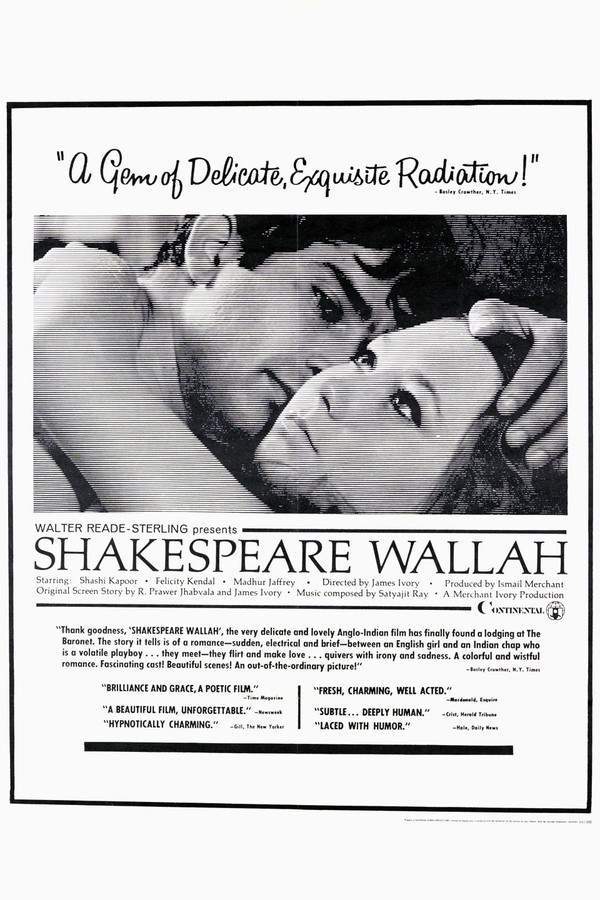
Shakespeare Wallah 1966

Directed by

James Ivory
Made by

Cohen Media Group
Where to Watch Shakespeare Wallah
See current US streaming, rental, and purchase options for Shakespeare Wallah (1966) via JustWatch.









Shakespeare Wallah Plot Summary
Read the complete plot summary and ending explained for Shakespeare Wallah (1966). From turning points to emotional moments, uncover what really happened and why it matters.
As the curtain rises on a spirited group of British performers, we are transported to the vibrant landscape of post-colonial India, where the timeless works of Shakespeare take center stage. Leading this colorful ensemble are Tony Buckingham and his wife Carla, who expertly navigate their diverse troupe through the rich cultural tapestry of rural towns. While the stage is alive with the brilliance of Shakespearean tales, a poignant romantic subplot unfolds, showcasing the struggles of Lizzie Buckingham, Tony’s delightful daughter, as she grapples with her feelings for both Sanju and the mesmerizing Bollywood star Manjula. The intricacies of love and artistic expression are beautifully interwoven against the backdrop of India’s vibrant cultural heritage, where the lines between Eastern and Western influences begin to blend.
In a heartfelt homage to real-life connections, the on-screen love story between Sanju and Lizzie mirrors the genuine affection that Shashi Kapoor felt for Felicity Kendal’s elder sister, Jennifer Kendal. Furthermore, the film takes inspiration from the remarkable journey of Geoffrey Kendal, an actor-manager known for bringing Shakespearean performances to life in India during the 1940s and 1950s through his esteemed repertory theater company, “Shakespeareana.” The immense contributions of the Kendal family to the Indian film industry are highlighted by Jennifer Kendal’s marriage to Shashi Kapoor, a partnership that left a profound and lasting legacy in the cinematic world until her untimely passing in 1984.
Shakespeare Wallah Timeline
Follow the complete movie timeline of Shakespeare Wallah (1966) with every major event in chronological order. Great for understanding complex plots and story progression.
Introduction to the Performers
The film opens with a vibrant introduction to a group of British performers who are passionate about bringing Shakespeare to life. Their enthusiasm sets the tone for the colorful narrative that follows, showcasing their commitment to theatrical art in a new cultural environment.
Setting in Post-Colonial India
As the performers take center stage, we are immersed in the vibrant landscape of post-colonial India. This setting is significant as it highlights the amalgamation of Eastern and Western influences in arts and culture, creating a rich backdrop for the unfolding drama.
Tony and Carla's Leadership
Tony Buckingham and his wife Carla navigate the challenges of leading their diverse troupe through various rural towns. Their leadership is pivotal in maintaining harmony within the group while ensuring that the essence of Shakespearean performances captivates the local audiences.
Lizzie's Romantic Struggle
The film intricately weaves a romantic subplot featuring Lizzie Buckingham, Tony's daughter. She faces an emotional dilemma as she navigates her feelings for both Sanju and the Bollywood star Manjula, reflecting the complexities of love in a multicultural context.
The Art of Performance
The troupe performs a variety of Shakespearean plays, captivating audiences with their interpretations. Each performance not only entertains but also serves as a bridge for cultural exchange, showcasing the richness of both British and Indian theatrical traditions.
Lizzie and Sanju's Connection
As Lizzie develops a bond with Sanju, their relationship begins to flourish amidst the backdrop of the theatrical performances. Their interactions reveal the cultural blending and emotional conflicts stemming from their distinct backgrounds and aspirations.
Bollywood Influences
The enchanting presence of Manjula introduces elements of Bollywood, adding another layer to the cultural tapestry. Her influence on both Lizzie and Sanju showcases how the film intertwines different artistic expressions from varied traditions.
Homage to Real-Life Connections
The storyline pays a heartfelt homage to the real-life romance between actors Shashi Kapoor and Jennifer Kendal. This intertextual layer enriches the narrative, intertwining the historical with the fictional in a deeply resonant manner.
Geoffrey Kendal's Legacy
The film takes inspiration from Geoffrey Kendal's contributions as an actor-manager, emphasizing his role in establishing Shakespearean theater in India. His efforts during the 1940s and 1950s laid the groundwork for future theatrical endeavors.
Cultural Blending
The narrative examines the blending of Eastern and Western influences through the lens of art and love. This cultural fusion is depicted as both beautiful and complex, reflecting the characters' struggles and triumphs in their personal and artistic lives.
The Impact of Marriage
Jennifer Kendal's marriage to Shashi Kapoor exemplifies the lasting impact of cross-cultural relationships on the film industry. Their partnership symbolizes the interconnectedness of different artistic heritages, enriching the cinematic landscape.
Lizzie's Journey
Throughout the story, Lizzie embarks on a personal journey of self-discovery, wrestling with her affections and identity. Her experiences reveal the broader themes of love, choice, and the search for belonging within a rapidly changing cultural environment.
The Final Performance
As the film reaches its climax, the troupe prepares for a pivotal performance that symbolizes their collective efforts. This event not only highlights their artistic dedication but also serves as a culmination of Lizzie's emotional journey.
Legacy and Reflection
The film concludes with reflections on the legacies left by the Kendal family in the theater and film industries. It honors their contributions while encouraging a deeper understanding of the cultural dialogues that have shaped the arts in India.
Shakespeare Wallah Characters
Explore all characters from Shakespeare Wallah (1966). Get detailed profiles with their roles, arcs, and key relationships explained.
Tony Buckingham (Geoffrey Kendal)
Tony Buckingham is a charismatic theater manager who leads his troupe through the complexities of life and performance in rural India. His love for Shakespearean works and dedication to the craft is palpable, as he navigates the intersection of tradition and innovation. Tony embodies the spirit of resilience, striving to keep the art of theater alive in a rapidly changing cultural landscape.
Carla (Laura Liddell)
Carla is Tony's supportive wife, playing a vital role in the theater troupe and its dynamics. She contributes to the artistic vision of their performances while also managing the emotional needs of the cast. Carla's character reflects the strength and partnership inherent in the creative process, emphasizing the importance of collaboration in the world of theater.
Lizzie Buckingham (Felicity Kendal)
Lizzie is Tony and Carla's daughter, whose romantic conflicts add depth to the story. Her character grapples with her feelings for two very different men, navigating the complexities of love in a bustling theatrical environment. Lizzie’s journey exemplifies the struggles of youth and the desire for artistic expression, making her a relatable figure within the narrative.
Sanju (Shashi Kapoor)
Sanju is a charismatic character who becomes an object of Lizzie's affection, representing the allure of both love and artistic ambition. His role in the story reflects the blending of cultures, as he balances his identity with the expectations of a changing society. Sanju embodies passion and creativity, illustrating the theme of love transcending boundaries.
Shakespeare Wallah Settings
Learn where and when Shakespeare Wallah (1966) takes place. Explore the film’s settings, era, and how they shape the narrative.
Time period
1940s-1950s
The film takes place during the 1940s-1950s, a transformative period in Indian history that saw the aftermath of colonial rule and the emergence of an independent nation. This era was characterized by a cultural renaissance, where traditional arts flourished alongside new influences, highlighting the complexities of identity and expression in a changing society.
Location
post-colonial India, rural towns
The movie is set in post-colonial India, an era marked by the blending of Eastern and Western cultures. The rural towns depicted are vibrant and full of life, showcasing the rich cultural heritage of India through theater and the performing arts. These locations serve as a backdrop for Shakespearean performances, reflecting the theatrical tradition's influence on Indian society.
Shakespeare Wallah Themes
Discover the main themes in Shakespeare Wallah (1966). Analyze the deeper meanings, emotional layers, and social commentary behind the film.
❤️
Love
The theme of love is central to the narrative, exploring both romantic relationships and familial bonds. Lizzie's emotional journey, torn between her feelings for Sanju and Manjula, illustrates the challenges of love amid artistic pursuits. This theme resonates with the genuine affection that inspired real-life connections between the characters, reflecting the intertwining of personal and professional relationships.
🎭
Theater
Theater serves as a crucial theme, showcasing the cultural significance of Shakespeare's works in post-colonial India. The film celebrates the artistry and dedication of those who bring theater to life, while emphasizing the blend of Western and Eastern theatrical traditions. This theme highlights the power of performance to bridge cultural gaps and inspire dialogue across diverse backgrounds.

Coming soon on iOS and Android
The Plot Explained Mobile App
From blockbusters to hidden gems — dive into movie stories anytime, anywhere. Save your favorites, discover plots faster, and never miss a twist again.
Sign up to be the first to know when we launch. Your email stays private — always.
Explore the mobile appShakespeare Wallah Spoiler-Free Summary
Discover the spoiler-free summary of Shakespeare Wallah (1966). Get a concise overview without any spoilers.
In the waning days of British rule, a modest troupe of English actors criss‑crosses the dusty towns and lush villages of a newly independent India, setting up makeshift stages beneath mango trees and in courtyard verandas. Their repertoire is the timeless language of Shakespeare, spoken aloud to audiences whose lives are humming with the fresh pulse of change. The film paints this transitional world with a hushed reverence, blending the clatter of railway tracks and the scent of incense with the cadence of iambic verse, creating a tone that feels both nostalgic and eagerly forward‑looking.
At the heart of the company stands Tony Buckingham, the seasoned actor‑manager whose love for the Bard is matched only by his determination to keep the troupe alive amid shifting cultural tides. Beside him, his wife Carla balances the practicalities of travel and finances with a quiet, resilient optimism, serving as the glue that holds the diverse ensemble together. Their daughter, Lizzie Buckingham, is a bright‑eyed young performer whose curiosity about the country and its people draws her beyond the footlights and into the swirl of everyday Indian life.
Among the locals, Sanju is a charismatic schoolteacher who discovers the troupe’s performances and finds in their stories a mirror for his own aspirations. His easy humor and earnest affection for Lizzie hint at a romance that could bridge continents and traditions, even as the weight of expectation presses on both. Meanwhile, Manjula—a magnetic Bollywood star whose very presence seems to draw the attention of everyone around her—adds a vibrant, unpredictable current to the group’s dynamics, embodying the rising allure of Indian cinema that challenges the very relevance of the traveling Shakespeareans.
Together, these characters navigate an India where the old and the new dance together, where the echo of a soliloquy competes with the rhythm of a film song, and where personal dreams flicker against the backdrop of a nation redefining itself. The atmosphere is rich with color, music, and the bittersweet taste of an era in flux, inviting the audience to wonder how art, love, and identity will endure as the curtain rises on a new chapter.
Movies with Similar Twists and Themes
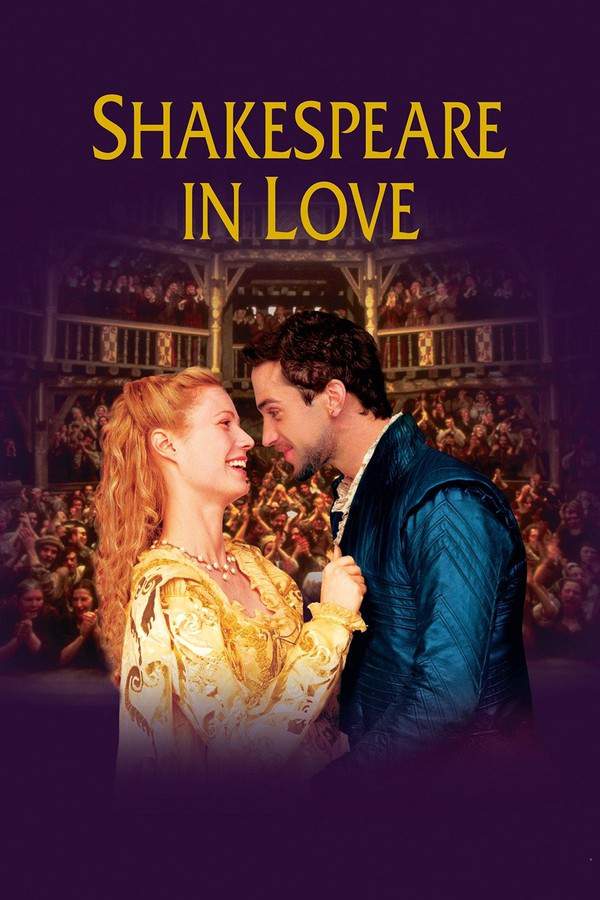
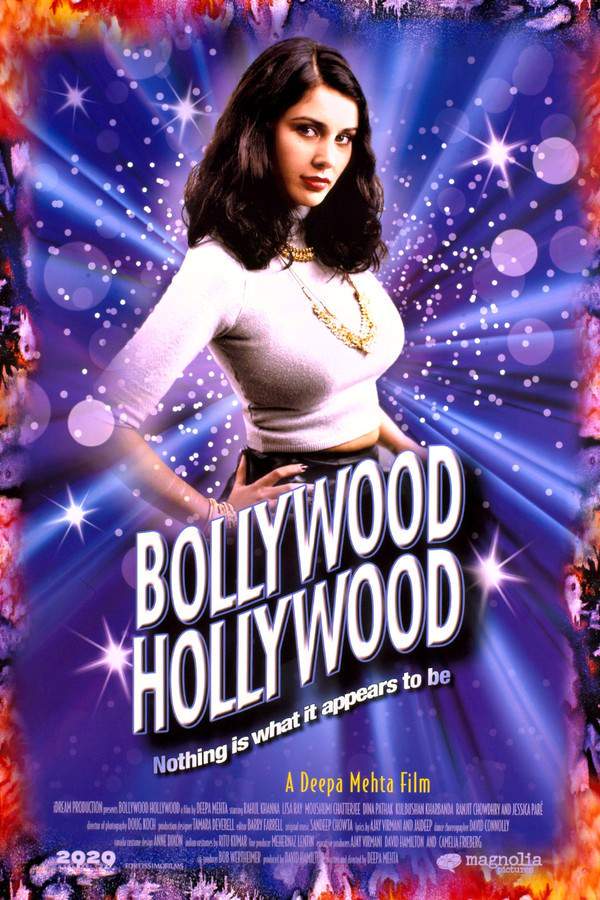
Uncover films that echo the narrative beats, emotional arcs, or dramatic twists of the one you're exploring. These recommendations are handpicked based on story depth, thematic resonance, and spoiler-worthy moments — perfect for fans who crave more of the same intrigue.





Featured on this page

What's After the Movie?
Not sure whether to stay after the credits? Find out!
Check out our other apps:

SAT Sphere
Build confidence for the Digital SAT.

Mori Atlas
Discover wild places worth protecting.

Luntero
Search smarter for a home in Amsterdam.

Plot Explained
Unravel movie endings and hidden clues.

Pokechamp
Dive into Pokémon data and battle logic.

Driving Theory
Get ready for your European theory test.

Movie Dust
Plan your next cinema trip with ease.

Musemap
Find art and culture as you travel.

Selkobase
Compare credentials before committing.

Local Manual
Turn an unfamiliar country into practical next steps.

Lernavi
Compare school systems before your next move.

GymRoam
Find a workout stop wherever your plans take you.
Explore Our Movie Platform
New Movie Releases (2026)
Famous Movie Actors
Top Film Production Studios
Movie Plot Summaries & Endings
Major Movie Awards & Winners
Best Concert Films & Music Documentaries
Movie Collections and Curated Lists
© 2026 What's After the Movie. All rights reserved.
Privacy Policy