


Where to Watch Seven Doors to Death
See current US streaming, rental, and purchase options for Seven Doors to Death (1944) via JustWatch.



Streaming availability powered by 
Seven Doors to Death Plot Summary
Read the complete plot summary and ending explained for Seven Doors to Death (1944). From turning points to emotional moments, uncover what really happened and why it matters.
In the bustling Hamilton Court shops of Los Angeles, a single gunshot shatters the quiet of a darkened apartment. A woman Mary Rawling screams and bolts, forcing Jimmy McMillan, an architect, to race away at gunpoint. The car careens and crashes, the woman vanishes, and when McMillan returns to the scene he discovers a corpse and dials for help, summoning Capt. Wm. Jaffe. By the moment the police arrive, the fallen person has inexpicably been swapped for a different victim, and the mystery deepens in front of the startled bystanders.
The police captain quickly identifies the dead man as the lawyer who represented Mary Rawling, the owner of Hamilton Court. McMillan, convinced that the woman in his car is somehow connected to the murder, confronts the situation head-on. He decides to conduct his own inquiry, starting with the people who work at Hamilton Court. Meanwhile, antique dealer Donald Adams recalls that on the night in question, a rare Egyptian chest vanished from his shop, a clue that begins to braid the night’s events together. When McMillan locates the stolen chest, he also comes face to face with the man who was killed, tying the two mysteries to a single thread of intrigue.
As the investigation heats up, another figure steps into the frame: Claude Burns, a silversmith who becomes a key suspect and is later found dead himself. The plot thickens as furrier Charles Eaton enters the picture, bringing fresh tension to a case already crowded with questions. Mary is arrested, but she maintains that she is being framed, a claim that hangs in the air as doubt and implication swirl around the facts. In a dramatic confrontation among the accusers, the veil is lifted to reveal stolen jewels and the real culprit, closing the circle of deception and bringing the tangled evening at Hamilton Court to a wary close.
Seven Doors to Death Timeline
Follow the complete movie timeline of Seven Doors to Death (1944) with every major event in chronological order. Great for understanding complex plots and story progression.
Murder erupts in a Hamilton Court apartment
A shot pierces the darkness in a Hamilton Court apartment. A screaming woman flees and, seeing a car driven by Jimmy McMillan, orders him to speed off. The car crashes in the escape, and the woman vanishes, leaving McMillan to confront the confusion and fear.
The corpse changes before the police arrive
McMillan returns to the scene and discovers a corpse. He calls Captain Jaffe for help, but by the time the police arrive, the corpse has mysteriously changed to another victim.
Mary Rawlings' mystery deepens
Captain Jaffe identifies the dead man as the lawyer of Mary Rawlings, Hamilton Court's owner. Rawlings is summoned, and McMillan suspects she may be connected, as neither her alibi nor her demeanor seems convincing.
McMillan starts his own probe
Determined to uncover the truth, McMillan begins an informal investigation, visiting the Hamilton Court shopkeepers for clues. He probes their stories to see how the murder and the missing items fit together.
The antique dealer recalls a stolen Egyptian chest
Antique dealer Donald Adams recalls that on the night of the murder a rare Egyptian chest was stolen from his shop. The chest is tied to the crime through the timing and the unusual theft.
The chest leads to the killer
McMillan locates the stolen Egyptian chest, and in a grim find, the man who was killed lies nearby. The chest links the murder to the earlier theft and the other victim's fate.
A second suspect dies
The case takes another twist when silversmith Claude Burns, a suspect, is killed. His death complicates the investigation and sharpens the focus on other potential culprits.
Furrier Eaton and Mary are under scrutiny
As furrier Charles Eaton becomes involved, Mary Rawlings is arrested, though she remains convinced she is being framed. McMillan and Jaffe pursue new leads while wrestling with her possible innocence.
Accusers confront each other
A confrontation among the accusers exposes tensions and hidden motives, bringing the jewelry theft into clearer focus. The disagreement pushes the investigation toward the true sequence of events.
Stolen jewels and the real culprit emerge
Through the confrontation, the stolen jewels are identified and the real culprit is revealed, tying together the disparate threads of the case. The jewels' return confirms the chain of theft and murder.
Mary's status clarified
With the truth exposed, Mary Rawlings' status shifts as the framing is unveiled, leaving her no longer the central suspect. The community begins to digest the resolution of the case.
Case closed
McMillan ties the events together, showing how the thefts, the deaths, and the false alibis intersected to create the crime. The investigation ends with justice served and a sense of closure for Hamilton Court.
Seven Doors to Death Characters
Explore all characters from Seven Doors to Death (1944). Get detailed profiles with their roles, arcs, and key relationships explained.
Claude Burns — Edgar Dearing
A silversmith whose murder becomes the case’s ignition; his precise craft hints at a meticulous, detail-focused world. He embodies the calm before the storm, with his death triggering a spiral of suspicion among the Hamilton Court residents. His absence casts a shadow over the shopfront community as investigators search for meaning in the clues he left behind.
Mary Rawling — June Clyde
Owner of the Hamilton Court and the central suspect after her alibi falters. She remains convinced she is being framed, displaying resolve and composure under pressure. Her stake in the property and her status within the court heighten the tension as investigators press for the truth.
Timothy Green - Casey MacGregor
A member of the Hamilton Court milieu; the exact role isn’t detailed in the summary, but he participates in the investigation alongside other shopkeepers. His presence underscores how the crime threads through the social fabric of the complex. He contributes to the ensemble cast that drives the plot forward.
Detective Morgan — Gene Roth
A police detective connected to the case, working in tandem with Captain Jaffe to uncover leads. He represents the law’s methodical side, weighing evidence as deception circulates within the Hamilton Court. His role adds a formal counterbalance to the private investigation waged by McMillan.
Charles Eaton — George Meeker
A furrier drawn into the mystery, whose involvement hints at the broader web of suspects. His presence adds another layer to the court’s interconnected circle, suggesting motives beyond a single killer. He becomes part of the shifting alliances that complicate the search for truth.
Jimmy McMillan — Chick Chandler
An architect who drives the fleeing woman and becomes a central investigator who pursues leads. He mobilizes resources by calling in Captain Jaffe and follows clues through the shops, acting as a proactive agent in solving the crime. His practical mindset helps connect disparate pieces of the puzzle.
Donald Adams — Milton Wallace
An antique dealer who recalls the night’s events and helps link the stolen chest to the murder. His recollections bridge the gap between objects and motives, contributing a crucial piece to the trail of evidence. He stands as a key witness whose memory informs the investigation.
Henry Butler aka Gregor — Gregory Gaye
A figure with an alias whose involvement suggests a hidden motive or mastermind. The alias adds an air of intrigue and misdirection about the plot’s true architect. His presence keeps the mystery layered, challenging investigators to see beyond surface identities.
Captain Wm. Jaffe — Michael Raffetto
The police captain at the helm of the investigation, coordinating with McMillan to advance toward the culprit. He embodies formal authority and procedural rigor as the case unfolds. Together with McMillan, he helps steer the narrative toward its resolution.
Mable De Rose — Rebel Randall
A supporting figure within the Hamilton Court circle; her exact role isn’t detailed in the summary, but she belongs to the ensemble surrounding the nocturnal mystery. She contributes to the texture of the community whose interactions propel the plot. Her presence reinforces the idea that every shopkeeper could be implicated.
Seven Doors to Death Settings
Learn where and when Seven Doors to Death (1944) takes place. Explore the film’s settings, era, and how they shape the narrative.
Time period
1940s
The events take place in a mid-20th-century urban milieu, typical of classic film noir. The era’s style and social dynamics shape the investigation, with private citizens and police coordinating in a city that feels both modern and perilous. The contemporary setting heightens urgency as a jewel theft and murder ripple through the Hamilton Court community.
Location
Hamilton Court shops, Los Angeles
The Hamilton Court is a bustling, interconnected cluster of shops in Los Angeles where the murder investigation unfolds. The setting emphasizes cramped corridors, storefronts, and the interwoven lives of shopkeepers who become suspects. Its claustrophobic atmosphere intensifies the tension as clues shift and alibis crumble under scrutiny.
Seven Doors to Death Themes
Discover the main themes in Seven Doors to Death (1944). Analyze the deeper meanings, emotional layers, and social commentary behind the film.
🔎
Mystery
A tightly plotted whodunit drives the narrative as McMillan and Captain Jaffe untangle alibis and motives around the Hamilton Court murder. Clues surface and disappear, including a stolen Egyptian chest that links several suspects. The story uses misdirection and a web of interconnected residents to keep audiences guessing who is truly responsible.
💎
Greed
The theft of jewels and the chase for the chest reveal how monetary incentives complicate loyalties. Characters manipulate appearances and exploit wealth to shift blame or gain advantage. The pursuit of precious items drives deceit and fuels the unfolding investigation.
⚖️
Justice
The climax hinges on confrontations between accusers and suspects, leading to the unmasking of the real culprit. Truth emerges through careful examination of evidence and recovered jewels, restoring a sense of order. The film presents justice as a balance between motive, opportunity, and the integrity of the investigation.

Coming soon on iOS and Android
The Plot Explained Mobile App
From blockbusters to hidden gems — dive into movie stories anytime, anywhere. Save your favorites, discover plots faster, and never miss a twist again.
Sign up to be the first to know when we launch. Your email stays private — always.
Explore the mobile appSeven Doors to Death Spoiler-Free Summary
Discover the spoiler-free summary of Seven Doors to Death (1944). Get a concise overview without any spoilers.
In the bustling Hamilton Court shops of Los Angeles, the everyday rhythm of commerce is abruptly shattered, plunging the community into a vortex of suspense and uncertainty. A shadowy figure stalks the night, turning the once-familiar location into a landscape of fear where careers are ruined and romances are left in tatters. The atmosphere is thick with tension as the mystery begins to weave through the six shop doors and the looming apartment house, suggesting that danger lies behind every entryway.
Enter Jimmy McMillan, an architect whose professional life has been defined by structure and design, now finding himself drawn into a chaotic puzzle that demands his unique skill set. Following a harrowing incident that leaves bystanders startled and questions unanswered, McMillan refuses to leave the investigation solely in the hands of the authorities. Instead, he applies his keen eye for detail to the environment he knows so well, seeking out hidden links and architectural clues that the police might overlook. His transition from a man of blueprints to a man of action drives the narrative forward, adding a layer of intellectual intrigue to the unfolding drama.
As Capt. Wm. Jaffe and the police struggle to make sense of the initial chaos, McMillan navigates a complex web of personalities and secrets. The case involves a perplexing gem theft and a double murder, forcing the architect to look beyond the surface of the building he studies. With a woman claiming she is being framed and the list of suspects growing, the story builds toward a tense showdown, promising a resolution that is as intricately designed as the court itself.
Movies with Similar Twists and Themes
Uncover films that echo the narrative beats, emotional arcs, or dramatic twists of the one you're exploring. These recommendations are handpicked based on story depth, thematic resonance, and spoiler-worthy moments — perfect for fans who crave more of the same intrigue.
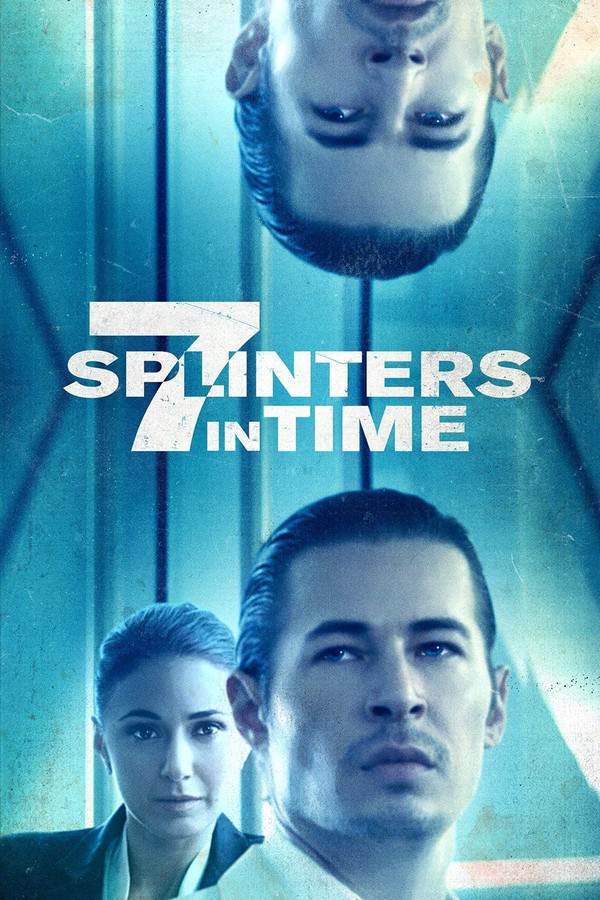



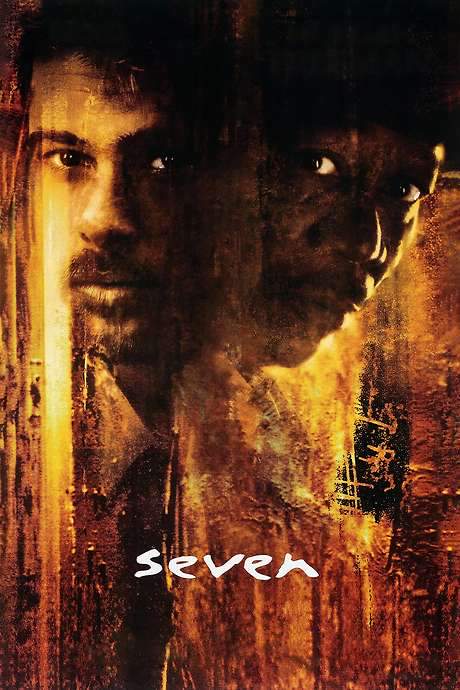


Featured on this page

What's After the Movie?
Not sure whether to stay after the credits? Find out!
Check out our other apps:

SAT Sphere
Build confidence for the Digital SAT.

Mori Atlas
Discover wild places worth protecting.

Luntero
Search smarter for a home in Amsterdam.

Plot Explained
Unravel movie endings and hidden clues.

Pokechamp
Dive into Pokémon data and battle logic.

Driving Theory
Get ready for your European theory test.

Movie Dust
Plan your next cinema trip with ease.

Musemap
Find art and culture as you travel.

Selkobase
Compare credentials before committing.

Local Manual
Turn an unfamiliar country into practical next steps.

Lernavi
Compare school systems before your next move.

GymRoam
Find a workout stop wherever your plans take you.
Explore Our Movie Platform
New Movie Releases (2026)
Famous Movie Actors
Top Film Production Studios
Movie Plot Summaries & Endings
Major Movie Awards & Winners
Best Concert Films & Music Documentaries
Movie Collections and Curated Lists
© 2026 What's After the Movie. All rights reserved.
Privacy Policy