
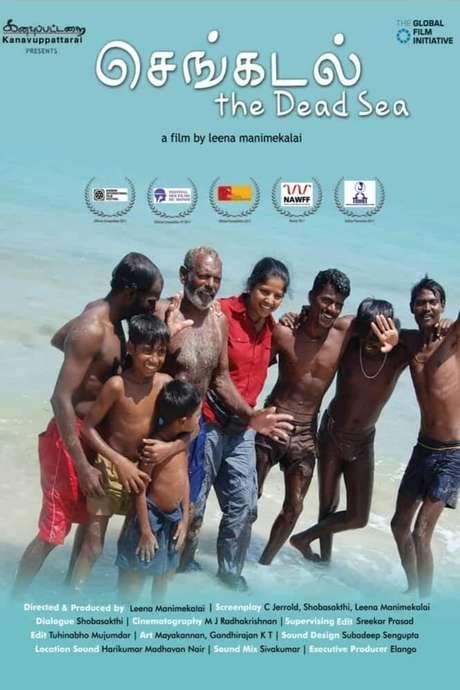
What Is Sengadal About?
The premise of Sengadal in 382 words, with nothing given away. The full story follows below.
In the quiet, wind‑swept town of Dhanushkodi, where the Indian shoreline meets the sea that once carried a displaced people across borders, a restless tide of hope and loss ebbs through the streets. The town has become an uneasy crossroads for countless Tamil refugees fleeing a war‑torn homeland, their arrival turning the once‑idle harbor into a living tableau of unfinished journeys. The constant hum of radios, the clatter of makeshift shelters, and the endless horizon of water create a backdrop that feels both intimate and profoundly expansive, a place where every sunrise hints at another day of waiting and every night is thick with unspoken memories.
The film’s tone is a measured blend of stark realism and poetic melancholy, capturing the raw texture of a community suspended between past trauma and uncertain futures. Light filters through dusty windows, casting long shadows over narrow lanes that echo with the cadence of multiple languages and the soft prayers of those who have nowhere else to turn. The atmosphere is at once oppressive and strangely hopeful, a fragile equilibrium that leaves the audience feeling the weight of history while sensing the persistent pulse of human resilience.
Manimekalai, a filmmaker determined to bear witness, arrives with a camera that becomes a silent companion to the stories unfolding around her. Soori, a half‑wit refugee whose world is filtered through the crackle of his radio, offers an unguarded view of the collective psyche, his simple observations cutting through the noise of chaos. Munusamy, a fisherman whose livelihood is bound to the sea that sustains and endangers, embodies the daily struggle of those who must navigate both literal and metaphorical waters. Rosemary, a social worker with the Jesuit Christian Refugee Services, brings a quiet, compassionate steadiness, seeking to stitch together fractured lives with care and faith.
Together, these four individuals form a delicate web of interactions that anchors the narrative. Their paths intersect amid the town’s restless rhythm, each trying to retain a sense of sanity and purpose while the border town itself seems to hold its breath, waiting for some unknown resolution. The film invites viewers to linger in the space between despair and dignity, offering a contemplative portrait of survival that is as much about the inner landscapes of its characters as the turbulent world they inhabit.
What Happens in Sengadal?
The complete story of Sengadal, from the first scene to the last, in 457 words (about 2 minutes). Spoilers throughout. Names in the text link to 4 cast member pages.
Spoilers ahead
Across the Indian mainland, a ceaseless tide of Tamil refugees from Sri Lanka arrives across the waters, carrying the weight of dispossessed lands and emptied gods as they press toward an uncertain future where the dream of return grows ever fainter. In the border town of Dhanushkodi, history begins to brew this hard, quiet concoction of defeated lives and exhausted dreams, where hope feels like a grand word and resistance a tense, worn-out gesture. Three decades of struggle for a nation seems to wash away, leaving heroic images turned to dust, bunkers stained with old wounds, and smoke rising from heaps of putrid flesh as unseen lives rot within barbed-wire confines that resemble human zoos. The misery spills over to the Indian shore, and the sea itself becomes a shared memory of home.
Every morning, boats push back into the water even as fear and ignorance mingle with the lines between friend and foe in these tangled waters, where fishermen navigate a world that feels both theirs and not theirs. The sea is their motherland, and the language of fish their mother tongue, a thread of continuity that sustains them amid chaos. Within this maelstrom stand three central figures: Manimekalai, the filmmaker; Munusamy, a steadfast fisherman; and Rosemary, a social worker with Jesuit Refugee Services. Their daily encounters with the living and the dying among the refugees, their uneasy skirmishes with Indian and Sri Lankan authorities, and their own lives upended by external events form the quiet core of the story, giving shape to a broader history through intimate, human moments.
Soori, a half-wit Sri Lankan Tamil who connects to the wider world only through his radio, stands apart in this bleak landscape, puncturing the shadowed corridors of History with sudden jolts of truth. His presence—and his eventual disappearance—casts a sharp lens on the fragility of memory and voice in a place where allegiance is torn between nations and the fragility of individual fate. Meanwhile, the world around them presses on, and the pressures of the state push Manimekalai to bend toward the demands of civil obedience, a force that tests creativity, loyalty, and resolve.
Tragedy threads through the neighbors’ lives as Munusamy is killed, a blow that underlines the peril embedded in daily survival. Rosemary, grappling with heartbreak and scrutiny, turns toward her God—the same God who, in ancient stories, parted the Red Sea to guide a fleeing people—seeking shelter or meaning amid a landscape of loss and confusion. In this imperfect, aching tapestry, the film anchors itself in the stubborn endurance of people who refuse to surrender to an inexhaustible history, choosing instead to listen for voices of humanity amid the wreckage and keep moving toward a horizon that remains stubbornly just out of reach.
Sengadal Timeline: Every Key Event in Order
12 key events in the order they happen, from “Refugees arrive by sea to Dhanushkodi” to “Endurance and a horizon just out of reach”. 12 events name a place, across 11 locations.
- 1
Refugees arrive by sea to Dhanushkodi
Across the mainland, Tamil refugees from Sri Lanka arrive by water, bearing the weight of dispossessed lands and emptied gods. The border town of Dhanushkodi becomes a quiet crucible where hope and fear collide. This influx marks the film's emotional and historical outset, setting the stage for a long, difficult reckoning.
When:Early days Where:Dhanushkodi
- 2
Three central figures establish their roles
Manimekalai the filmmaker, Munusamy the steadfast fisherman, and Rosemary the Jesuit Refugee Services worker become the film's intimate core. Their daily encounters with refugees and with wary authorities reveal the strain of living between two nations. The trio anchors the narrative with personal stakes and moral questions.
When:Initial days Where:Dhanushkodi
- 3
The sea as motherland and language
Every morning boats push back into the water, and fear weaves with resilience along the shore. The sea is both home and boundary, a source of continuity in a world of chaos. Fishermen navigate a life that feels at once theirs and not theirs, bound to water and memory.
When:Morning routine Where:Coast/Sea near Dhanushkodi
- 4
Soori and the voice from afar
Soori, a half-wit Sri Lankan Tamil, connects to the wider world only through his radio. His broadcasts puncture the silence with fragments of distant life and truth, challenging the official narratives around him. His presence reveals the fragility of memory and voice in a tense landscape, and foreshadows the fragility of life itself.
When:Ongoing Where:Soori's radio station/spot on the coast
- 5
Pressures push art toward obedience
The state pressures Manimekalai to bend toward civil obedience, challenging her creative autonomy. The demand to conform threatens the integrity of her work and her loyalty to those she films. This tension turns filmmaking into a subtle act of resistance in a fragile political climate.
When:As authorities tighten control Where:Border town/ filming sites
- 6
Tragedy strikes Munusamy
Munusamy, the steadfast fisherman, is killed, a brutal reminder of the daily peril of survival in this setting. The community mourns as violence invades ordinary life. His death underscores the high cost of resilience in a landscape scarred by conflict.
When:Mid-to-late developments Where:Coastal community near Dhanushkodi
- 7
Rosemary seeks shelter in faith
Rosemary grapples with heartbreak and mounting scrutiny from authorities, turning toward her faith for shelter and meaning. She prays to the God who parted the Red Sea, seeking guidance amid loss and confusion. Her spiritual turn highlights the personal solace people find when external chaos presses in.
When:After tragedy Where:Rosemary's space/church
- 8
Soori disappears, memory unsettled
Soori vanishes, leaving only the faint echo of his radio voice behind. His disappearance sharpens the sense of memory's fragility and the peril of voicing truth in a place under watch. The event deepens the film's meditation on who gets remembered and who is silenced.
When:Later Where:Various locations along the border
- 9
The sea remains a shared memory of home
Despite the turmoil, the sea endures as a shared memory of home for people on both sides of the water. The waves and tides symbolize continuity and a collective past that transcends political divisions. It becomes a recurring motif of belonging and loss.
When:Ongoing Where:Along the sea border
- 10
Barbed-wire confines and human zoos
The living conditions around refugee camps and checkpoints resemble human zoos, a stark image of control and containment. The barbed wire marks a physical and symbolic barrier to freedom. In this setting, dignity is continually negotiated under surveillance.
When:Ongoing Where:Refugee camps/border checkpoints
- 11
Three decades of struggle fade into memory
Three decades of struggle for a nation seem to wash away, leaving heroic images turned to dust and old wounds on every face. The dream of return grows fainter as reality hardens around the refugees. The history here feels heavy, yet still resists erasure.
When:Three decades Where:Regional borderlands
- 12
Endurance and a horizon just out of reach
The people refuse to surrender to an inexhaustible history, choosing to listen for voices of humanity amid the wreckage. They keep moving toward a horizon that remains stubbornly out of reach. The film closes on a note of stubborn resilience and quiet hope.
When:Final act Where:Across the shorelines and camps
Who Are the Main Characters in Sengadal?
4 characters, among them Manimekalai (Leena Manimekalai), Munusamy (M. Munusamy) and Rosemary (Rose Mary): who each one is and the part they play in the story. Every profile links to the actor’s page.
- M(
Manimekalai (Leena Manimekalai)
Played by Leena Manimekalai
Manimekalai is a filmmaker documenting the refugees' lives in the coastal town. Her work intersects with the pressures of civil authorities, testing her loyalty to truth and her own safety. Through her lens, she threads personal experience with the collective struggle, giving voice to those who are often unseen.
- 🎬 Filmmaker
- M(
Munusamy (M. Munusamy)
Played by M. Munusamy
A steadfast fisherman who anchors the community with his daily routines on the sea. He embodies resilience and grit, facing danger and loss as a neighbor and provider. His death later in the story emphasizes the peril inherent in daily survival.
- 🎣 Fisherman
- R(
Rosemary (Rose Mary)
Played by Rose Mary
A social worker with Jesuit Refugee Services who tends to the refugees' immediate needs while confronting scrutiny from authorities. She grapples with heartbreak and questions of faith as disaster and politics collide. Her commitment to compassion persists even as the world around her grows unstable.
- 🤝 Social worker
- S(
Soori (S. Nimal)
Played by S. Nimal
A half-wit Sri Lankan Tamil who connects to the wider world only through his radio, puncturing the darkness with sudden truths. He acts as a liminal observer, his disappearance sharpening the sense of fragility in memory and allegiance. His presence exposes how individual fate is caught between nations and power.
- 📻 Radio
Where and When Is Sengadal Set?
Sengadal is set in Dhanushkodi, Tamil Nadu and India. Here is why the place matters to the story.
When
Spanning roughly three decades of conflict and displacement, the film places its characters in a long twilight of hope and loss. The era is defined by contested borders, the struggle for belonging, and the slow erosion of the dream of return.
Where
Dhanushkodi, Tamil Nadu, India
Dhanushkodi sits at the southern tip of the Tamil Nadu coast, a border town where sea routes and shifting loyalties intersect. It becomes a stage for Tamil refugees arriving from Sri Lanka, shaping daily life under watchful authorities. Its harbor and shoreline anchor the human stories at the heart of Sengadal.
- 🌊 Coastal border town
- 🗺️ Refugee crossroads
- 🐟 Fishing community
What Are the Themes of Sengadal?
4 ideas the story keeps returning to, among them Displacement, Memory & Voice and Authority.
-
01
Displacement
Displacement sits at the core of Sengadal, as Tamil refugees flee Sri Lanka and press toward an uncertain future on Indian shores. The film tracks how temporary shelters become long-term margins, with barbed-wire barriers and crowded harbors reshaping daily life. Through intimate vignettes, it reveals resilience amid loss, and the uneasy question of where 'home' truly lies.
-
02
Memory & Voice
Soori's presence, carried by a lone radio, becomes a channel for memory and truth in an atmosphere of censorship and fear. The film emphasizes the fragility of voice when state and history press down on ordinary lives. Manimekalai's lens captures fragments of memory—the stories of refugees, the calls across oceans, and the struggle to be seen. Memory is both tether and tool in their world.
-
03
Authority
State power and bureaucratic pressure influence who can stay, speak, or move. The characters navigate a tension between civil obedience and moral duty, highlighting how policies ripple through intimate lives. The film shows how authority can become an obstacle to empathy and solidarity, even as some seek to help. The fragile balance reveals the limits of control in a crisis.
-
04
Sea & Home
The sea is both mother and memory for the people, a constant that sustains language, trade, and identity. Refugees arrive by boat, bringing with them the weight of lost lands and the longing to return. Sailors, fishermen, and families read the water as a living archive of home, even as the shoreline shifts under stress. The sea binds distant shores into a shared, fragile homeland.
What Kind of Film Is Sengadal?
Bleak in tone, with slow pacing and a moderate story, going by the plot summary.
- Tone
- Bleak
- Pacing
- Slow
- Story
- Moderate
- Intensity
- High
- Ending
- Ambiguous
A slow, deeply heavy, and bleak drama that immerses the viewer in the oppressive reality of a refugee border town, marked by tragic losses and a persistent struggle for humanity amid overwhelming despair.
- grim
- oppressive
- melancholic
- anxious
- somber
- resigned
- refugee crisis
- war trauma
- political struggle
- human endurance
Content notes: war violence, death of a character, psychological trauma, refugee suffering, political oppression.
Quiz
How well do you remember Sengadal? Test yourself on the story.
