
Send Me No Flowers 1964

Directed by
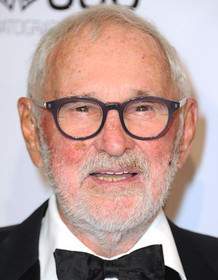
Norman Jewison
Made by

Universal Pictures
Where to Watch Send Me No Flowers
See current US streaming, rental, and purchase options for Send Me No Flowers (1964) via JustWatch.






Send Me No Flowers Plot Summary
Read the complete plot summary and ending explained for Send Me No Flowers (1964). From turning points to emotional moments, uncover what really happened and why it matters.
George Kimball, a hypochondriac, lives with his wife Judy Kimball in the suburbs. Judy learns from the milkman that their neighbors, the Bullards, are getting a divorce, and shares the news with George.
Over lunch, Winston Burr, a bachelor acquaintance, gleefully describes how he contacts women who are getting divorced and pretends to console them, hoping to seduce them while they are vulnerable. George visits his doctor and longtime friend, Ralph Morrissey, after experiencing chest pains. He overhears the doctor discussing on the phone a patient who only has a few weeks to live and assumes that Morrissey is talking about him, which leaves him distraught. On the train home, he confides in Arnold Nash that he believes he will die soon, and he resolves not to tell Judy, fearing it will upset her. Arnold solemnly vows to deliver the eulogy at his funeral.
That night, George dreams of Judy marrying a reckless young deliveryman named Vito, who cares more about Judy’s inheritance than her heart. He goes to a funeral home run by Mr. Akins to buy a burial plot for three people, including a hypothetical new husband for Judy, even giving a $1000 check made out to “Cash” so that Judy won’t learn the true purpose. He then decides to find Judy a new husband and asks Arnold to help him.
On a golf outing, Judy’s cart malfunctions and she is saved by her old college beau, Bert Power, now a Texas oil baron. George, consumed with jealousy over Bert’s interest in Judy, reluctantly agrees with Arnold that Bert would be a fitting husband for her. During an evening out, George makes Judy talk and dance with Bert. When he later encounters the newly divorced Linda Bullard, who is there with Winston, he escorts her to the coat room and warns her about Winston’s intentions. She thanks him and kisses him in gratitude. Judy, witnessing the moment, storms out, suspecting that George is pushing her toward Bert so he can justify his own affair with Linda. George then tells Judy that he is dying and suggests she call Dr. Morrissey for confirmation, which she accepts as proof of his claim.
Judy insists that George use a wheelchair to conserve energy, but when she sees Dr. Morrissey and learns that George is fine, she suspects he’s fabricating to avoid consequences for his affair. She wheels him out of the house and locks him out, announcing plans to divorce. George spends the night at Arnold’s place, where his many quirks force Arnold to bluntly critique the flattery he had planned for the eulogy. The next day, George begs Arnold for advice on stopping Judy from leaving. Arnold insists that, innocent as George may be, he must pretend to confess to an affair, assure Judy it’s over, and beg for forgiveness.
Judy leaves to buy a Reno train ticket, and George follows. In a bid to follow Arnold’s plan, he fabricates a story about an affair with a Dolores Yellowstone and shows Judy a stub from the $1000 check made out to “Cash,” allegedly for Dolores so she could start a new life in New York. The ruse backfires when Judy refuses to forgive him, even as he tries to retract the confession. When Judy returns home to fetch her bags, Mr. Akins arrives again with the burial contracts for George’s and Judy’s plots and reveals George’s check, along with the news that a third plot had been bought for her potential second husband. He is mortified to learn that Judy still doesn’t know about George’s surprise. Judy finally realizes that the Dolores Yellowstone story was a fabrication. When George arrives, Judy forgives him with genuine warmth, and Winston shows up hoping to win Judy over, only to be knocked aside by George who then presents Judy with the flowers Winston was carrying.
Send Me No Flowers Timeline
Follow the complete movie timeline of Send Me No Flowers (1964) with every major event in chronological order. Great for understanding complex plots and story progression.
Judy learns the Bullards' divorce
Judy learns from the milkman that the Bullards are getting a divorce and shares the news with George. The information unsettles her and raises questions about the stability of their marriage. The news foreshadows the emotional stakes that drive the story.
Winston Burr's lunch-time moral mischief
During a midday lunch, Winston Burr gleefully describes his method of courting divorced women by pretending to console them. George is appalled by the crude opportunism and the moral danger of such behavior. The scene plants seeds of George's later paranoia about romance and fidelity.
George fears a terminal prognosis
George experiences chest pains and visits his longtime doctor, Dr. Morrissey. He overhears the doctor talking about a patient with only a few weeks to live and assumes the prognosis is his own. The misinterpretation deepens his fear of imminent death.
Confiding death fears to Arnold on the train
On the train ride home, George tells his friend Arnold Nash that he will die soon and should not tell Judy. Arnold solemnly assures George that he will deliver the eulogy at his funeral. The conversation hardens George's plan to manipulate Judy.
Funeral plots and the Cash check
That night, George visits Mr. Akins' funeral home to buy a burial plot for three people, including a prospective new husband for Judy. He writes a $1,000 check made out to 'Cash' to cover the arrangements, intending the money to look innocent while funding Judy's next life. The plan is a key piece of his scheme to influence Judy's future.
Bert Power enters Judy's orbit on the golf course
During a golf outing, Judy's cart malfunctions and Bert Power, her old college beau and a Texas oil baron, saves her. George, initially jealous, reluctantly agrees with Arnold that Bert would be a good match for Judy. The outing rekindles a potential match that George privately endorses.
An evening out turns tense as Linda appears
In an evening out, George forces Judy to dance and talk with Bert. He then encounters Linda Bullard with Winston and warns Linda about Winston's intentions. Linda kisses George in gratitude, which Judy misreads as George orchestrating her interaction with Bert.
George reveals a deadly lie and Judy believes it
George tells Judy that he is dying, hoping to shock her into accepting his truth. She remains skeptical due to his hypochondria, so he suggests calling Dr. Morrissey for confirmation. The doctor then certifies that George is fine, and Judy is convinced of the lie, setting the stage for a cruel rift.
Arnold's advice and a plan to confess
George spends the night at Arnold's house, where his quirks threaten to derail any eulogies. The next day, Arnold insists that George should pretend to confess to Judy that he has had an affair, then beg for forgiveness. The plan pushes George toward a dramatic confrontation.
The Reno train confrontation: Dolores Yellowstone lie
Following Arnold's plan, George accompanies Judy to the train station as she heads toward Reno and fabricates an affair with a woman named Dolores Yellowstone. He even shows Judy the stub from the $1,000 check for 'Cash' to support the fiction. The ruse drives a deeper wedge between them.
Mr. Akins reveals the truth and Judy learns of the deception
Mr. Akins drops by with the burial contracts and reveals that George has bought a third plot for Judy's future husband. He also shows Judy the 'Cash' check and explains the Dolores Yellowstone tale. Judy realizes that George has lied to manipulate her feelings.
Final reconciliation and a shiver of trouble
George returns home and Judy attempts to forgive him, but Winston arrives hoping to win Judy's affection. George knocks Winston out and then presents Judy with the flowers Winston was carrying, sealing a fragile moment of reconciliation amid lingering tension.
Send Me No Flowers Characters
Explore all characters from Send Me No Flowers (1964). Get detailed profiles with their roles, arcs, and key relationships explained.
Bert Power (Clint Walker)
Judy's former college beau and a successful Texas oil magnate, Bert exudes confidence and charm. He represents a glamorous alternative for Judy, stirring jealousy in George yet offering genuine appeal as a stable partner. His presence tests the compatibility and readiness of Judy’s marriage with George.
Judy Kimball (Doris Day)
George's wife, practical and perceptive, who navigates love, loyalty, and suspicions with wit. She struggles with George's hypochondria and the cascade of schemes that threaten their marriage, ultimately seeking forgiveness and a renewed bond.
George Kimball (Rock Hudson)
A devoted husband with a chronic fear of death, George displaces his anxiety into elaborate ruses to control the outcome of his marriage. His schemes reveal a need for reassurance and a fear of losing Judy, driving the farcical tension of the story.
Mr. Akins (Paul Lynde)
The funeral home operator who sells burial plots and becomes a pivotal prop in George's schemes. His practical, matter-of-fact demeanor provides the straight man framework for the film’s farcical twists.
Arnold Nash (Tony Randall)
George's wry confidant who helps brainstorm a solution to keep Judy from leaving. His dry humor and sharp observations amplify the comedic misdirection and the emotional stakes of the dilemmas.
Linda Bullard ( Patricia Barry)
The newly divorced neighbor who becomes entangled in the social web surrounding Winston. Her brief kiss with George adds to the misunderstandings that fuel Judy’s suspicions and complicate the plot.
Winston Burr (Hal March)
A carefree bachelor who flirts with divorced women, embodying the era’s dating quirks. His schemes provide the occasion for George to worry about losing Judy and for the cast to engage in comedic pursuit and pursuit of romance.
Dr. Ralph Morrissey (Edward Andrews)
George’s longtime physician who confirms George’s supposed condition to Judy, only to become a key figure who helps unwind the deception. His professional facade contrasts with the absurdity of the plot twists.
Send Me No Flowers Settings
Learn where and when Send Me No Flowers (1964) takes place. Explore the film’s settings, era, and how they shape the narrative.
Time period
1960s
Set in the early 1960s, the film captures a suburban American milieu of postwar affluence and conventional social mores. The era saw shifting attitudes toward marriage and divorce, which the comedy plays with through jealousy, romance, and misunderstandings. The sleek, modern setting and social rituals of the time amplify the humor and stakes of domestic life.
Location
Suburbs, Country Club, Funeral Home, Golf Course, Train Station
The story unfolds largely in a comfortable suburban setting, with social life centered around a polished country club. Key scenes occur at the country club, the golf course, and the couple's home, reflecting mid-century suburban routines. A funeral home visit and a train station scene bookend the plot, anchoring the drama in everyday public spaces.
Send Me No Flowers Themes
Discover the main themes in Send Me No Flowers (1964). Analyze the deeper meanings, emotional layers, and social commentary behind the film.
💑
Marriage
The film centers on a marriage under strain, using jealousy, miscommunication, and robots of deception to test trust. George’s fear of infidelity and illness collides with Judy’s longing for honesty, pushing them toward reconciliation or separation. Suburban expectations and social image frame the couple’s choices, making forgiveness a turning point.
💀
Mortality
George’s hypochondria and the whispered notion of a terminal illness drive much of the action and comic tension. The fear of death leads him to contrive scenarios and confessions, revealing his deeper need for control and reassurance. Judy’s responses to these fears expose how mortality anxieties shape marital dynamics.
🎭
Deception
Deception fuels the plot as characters hide motives and fabricate stories to influence outcomes. The fake affair, the mysterious Dolores Yellowstone, and the burial plot ruse create a cascade of misunderstandings. The comedy critiques social performance and the masks people wear in romantic life.

Coming soon on iOS and Android
The Plot Explained Mobile App
From blockbusters to hidden gems — dive into movie stories anytime, anywhere. Save your favorites, discover plots faster, and never miss a twist again.
Sign up to be the first to know when we launch. Your email stays private — always.
Explore the mobile appSend Me No Flowers Spoiler-Free Summary
Discover the spoiler-free summary of Send Me No Flowers (1964). Get a concise overview without any spoilers.
In the sun‑dappled suburbs of 1960s America, everyday life hums along with a gentle, witty rhythm. The film’s world is one where polite neighbors gossip over milk deliveries and weekend golf outings are as much a social ritual as a sport. Against this backdrop, a light‑hearted, almost farcical tone bubbles through every scene, inviting the audience to laugh at the little anxieties that make ordinary people feel extraordinary.
At the heart of the story is George Kimball, a well‑meaning but chronic hypochondriac who has built his marriage to Judy Kimball on routine and affection. When a routine visit to his longtime doctor, Dr. Ralph Morrissey, is mistakenly overheard, George becomes convinced that his own time is dramatically limited. The panic that follows is less about mortality than about the very human desire to ensure that the person you love will be cared for when you’re gone. This misinterpretation sets the stage for a comedic quest that is as much about self‑discovery as it is about preparation.
Determined to secure Judy’s future, George embarks on a series of increasingly absurd schemes to find her a suitable new partner. Enlisting the help of well‑intentioned friends like Arnold Nash and navigating the meddlesome advice of acquaintances such as Winston Burr, he stumbles through a maze of misunderstandings, polite deceptions, and charmingly awkward encounters. The film delights in watching this earnest, if misguided, effort unfold, all while the chemistry between George and Judy—marked by affection, teasing, and a shared history—provides the emotional core that keeps the comedy grounded. The story promises a blend of slapstick moments and heartfelt reflections, leaving viewers eager to see whether George’s plan will bring resolution or further hilarity.
Movies with Similar Twists and Themes
Uncover films that echo the narrative beats, emotional arcs, or dramatic twists of the one you're exploring. These recommendations are handpicked based on story depth, thematic resonance, and spoiler-worthy moments — perfect for fans who crave more of the same intrigue.


Featured on this page

What's After the Movie?
Not sure whether to stay after the credits? Find out!
Check out our other apps:

SAT Sphere
Build confidence for the Digital SAT.

Mori Atlas
Discover wild places worth protecting.

Luntero
Search smarter for a home in Amsterdam.

Plot Explained
Unravel movie endings and hidden clues.

Pokechamp
Dive into Pokémon data and battle logic.

Driving Theory
Get ready for your European theory test.

Movie Dust
Plan your next cinema trip with ease.

Musemap
Find art and culture as you travel.

Selkobase
Compare credentials before committing.

Local Manual
Turn an unfamiliar country into practical next steps.

Lernavi
Compare school systems before your next move.

GymRoam
Find a workout stop wherever your plans take you.
Explore Our Movie Platform
New Movie Releases (2026)
Famous Movie Actors
Top Film Production Studios
Movie Plot Summaries & Endings
Major Movie Awards & Winners
Best Concert Films & Music Documentaries
Movie Collections and Curated Lists
© 2026 What's After the Movie. All rights reserved.
Privacy Policy