
Saturday Night and Sunday Morning 1960


Directed by
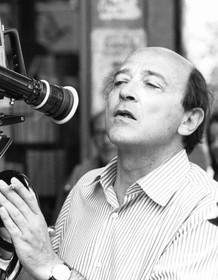
Karel Reisz
Made by

Woodfall Film Productions
Where to Watch Saturday Night and Sunday Morning
See current US streaming, rental, and purchase options for Saturday Night and Sunday Morning (1960) via JustWatch.

Streaming availability powered by 
Saturday Night and Sunday Morning Plot Summary
Read the complete plot summary and ending explained for Saturday Night and Sunday Morning (1960). From turning points to emotional moments, uncover what really happened and why it matters.
Arthur Seaton [Albert Finney] is a young machinist at the Raleigh bicycle factory in Nottingham. He is determined not to be tied down to living a life of domestic drudgery like the people around him, including his parents, whom he describes as “dead from the neck up”.
“dead from the neck up”
He spends his wages at weekends on drinking and having a good time.
Arthur is having an affair with Brenda [Rachel Roberts], the wife of Jack [Bryan Pringle], who works at the same factory as Arthur. He also begins a more traditional relationship with Doreen, [Shirley Anne Field], a beautiful single woman closer to his age. Doreen, who lives with her mother and aspires to be married, avoids Arthur’s sexual advances, so he continues to see Brenda, as a sexual outlet.
Brenda becomes pregnant by Arthur, who offers to help raise the child or terminate the unwanted pregnancy (abortion was not legal in Britain at the time the film takes place). Seeking advice, he takes her to see his Aunt Ada [Hylda Baker], who has Brenda sit in a hot bath and drink gin, which does not work. Brenda asks Arthur for £40 to get an abortion from a doctor.
After Doreen complains about not going anywhere public with Arthur, he takes her to the fair, where he sees Brenda with her family. When he manages to get Brenda alone, she reveals that she has decided to have the child, and then leaves Arthur to go back to her family before she is missed. Arthur follows her on to an amusement ride and gets in a car with her. Brenda’s brother-in-law and his friend—both of whom are soldiers—notice her enter the ride and, following, catch Arthur riding with his arm around Brenda. Arthur escapes the ride, but the soldiers catch him later and beat him up in a vacant lot.
Arthur spends a week recovering from his injuries. Doreen visits him, and he makes the moves on her, but is interrupted by his cousin, Bert [Norman Rossington]; they finally consummate their relationship later, at her house, after her mother goes to sleep. Back at work, Arthur runs into Jack, who tells him to stay away from Brenda, as they are staying together. Although he still has mixed feelings about settling into domestic life, Arthur decides to marry Doreen, and, on a hill overlooking a new housing development, they discuss their differing ideas of what their life together will look like.
Saturday Night and Sunday Morning Timeline
Follow the complete movie timeline of Saturday Night and Sunday Morning (1960) with every major event in chronological order. Great for understanding complex plots and story progression.
Arthur's restless life as a machinist
Arthur Seaton works as a machinist at the Raleigh bicycle factory in Nottingham and spends his wages on drinking and weekend freedom. He rejects domestic life, describing his parents as 'dead from the neck up' and vows not to be tied down. The film presents his restless energy as he dodges routine and seeks excitement.
Affair with Brenda begins
Arthur begins an affair with Brenda, the wife of his coworker Jack. He also starts a separate, more traditional relationship with Doreen, a single woman closer to his age. The competing attachments demonstrate his defiance of conventional life and set up the drama to come.
Doreen enters Arthur's life
Arthur starts a more traditional relationship with Doreen, a young woman who lives with her mother and longs for marriage. Doreen initially resists Arthur's advances, complicating his desire for variety. The two relationships place him at odds with himself and with social expectations.
Brenda becomes pregnant
Brenda becomes pregnant by Arthur, forcing him to confront the consequences of their affair. He offers to help raise the child or support an abortion, though abortion is illegal in Britain at the time. They seek advice from Aunt Ada, initiating a drastic attempt to resolve the situation.
Aunt Ada's abortive remedy fails
Aunt Ada's method to induce abortion—Brenda sitting in a hot bath and drinking gin—fails to produce the desired result. The failed remedy leaves Brenda anxious about what will happen next. Arthur's efforts to manage Brenda's pregnancy deepen the strain on their lives.
Brenda asks for money for abortion
Brenda asks Arthur for £40 to obtain an abortion from a doctor, a dangerous demand given the illegality of abortion. Arthur hesitates but agrees to consider it, which further complicates his feelings and finances. The request underscores the high stakes of the situation.
The fair and Brenda's decision
To placate Doreen, Arthur takes her to the fair, where he sees Brenda with her family. He manages to get Brenda alone on an amusement ride, and she reveals that she has decided to have the baby. Brenda then leaves Arthur to return to her family, triggering a tense chase and the subsequent confrontation.
The beating after the ride
Arthur follows Brenda onto the ride, and a crowd of her family notices their closeness. The pair are spotted by Brenda's brother-in-law and his soldier friend, who beat Arthur after the ride ends. He escapes the ride but is beaten in a vacant lot, taking a week to recover.
Recovery and growing closeness with Doreen
Arthur spends a week recovering from his injuries. Doreen visits him and he makes moves on her, but his cousin Bert interrupts their moment. They eventually consummate their relationship later, at Doreen's house after her mother goes to sleep.
Jack warns Arthur to stay away
Back at the Raleigh factory, Arthur runs into Jack and is warned to stay away from Brenda. The confrontation highlights the fragile lines of loyalty and risk in Arthur's double life. The incident foreshadows the destabilization of his relationships.
Arthur commits to marriage with Doreen
Facing his conflicting desires and the consequences of his affairs, Arthur decides to marry Doreen. The decision marks a turn toward domestic life, despite his earlier resistance. The couple starts planning their future while Brenda and her child remain in the background.
Final tension on the hill
On a hill overlooking a new housing development, Arthur and Doreen discuss what their life together will look like. They reveal different priorities—Arthur's craving for independence versus Doreen's desire for stability and marriage. The moment crystallizes the film's central tension between freedom and domestic responsibility.
Saturday Night and Sunday Morning Characters
Explore all characters from Saturday Night and Sunday Morning (1960). Get detailed profiles with their roles, arcs, and key relationships explained.
Arthur Seaton (Albert Finney)
A young machinist at the Raleigh factory who refuses domestic confinement and channels his energy into work, alcohol, and affairs. He is ambitious, restless, and confident in his desires, but his impulsiveness fuels conflict and violence as he navigates love and responsibility.
Brenda (Rachel Roberts)
Brenda is Jack’s wife and Arthur’s lover. She embodies the complexities of desire and loyalty, balancing an unplanned pregnancy with a longing for independence. Her decisions drive much of the film’s emotional tension and consequence.
Doreen (Shirley Anne Field)
Doreen is a younger, single woman who hopes for marriage and a more stable life. She seeks security but is wary of Arthur’s chaotic nature, highlighting the tension between romance and domestic aspiration.
Aunt Ada (Hylda Baker)
Aunt Ada offers blunt, pragmatic guidance and acts as a confidante who cautions Brenda against danger. She represents old-school practicality and a stern view of social norms.
Jack (Bryan Pringle)
Jack is Brenda’s husband and Arthur’s rival. He embodies possessiveness and resentment, creating tension that escalates the lovers’ dangerous dynamics.
Saturday Night and Sunday Morning Settings
Learn where and when Saturday Night and Sunday Morning (1960) takes place. Explore the film’s settings, era, and how they shape the narrative.
Time period
late 1950s Britain
Set in a postwar Britain where traditional gender roles shape relationships and social norms. Abortion is illegal, reflecting the era’s restrictive attitudes toward women’s autonomy. Life for factory workers centers on steady work, weekend drinking, and the tension between financial security and personal freedom.
Location
Nottingham, England, Raleigh Bicycle Factory
The story unfolds in Nottingham's working-class neighborhoods, anchored by the Raleigh bicycle factory where Arthur works. The city’s pubs, streets, and housing blocks provide a gritty, down-to-earth backdrop for everyday struggles. The factory itself looms as the economic heart of a close-knit, blue-collar community.
Saturday Night and Sunday Morning Themes
Discover the main themes in Saturday Night and Sunday Morning (1960). Analyze the deeper meanings, emotional layers, and social commentary behind the film.
💪
Masculinity
Arthur’s drive to resist domestic confinement fuels his pursuit of freedom and pleasure. The film probes how working-class masculinity is shaped by work, bravado, and risk-taking, showing both vitality and volatility in his character.
💔
Love and Betrayal
Arthur’s affair with Brenda and his connection to Doreen test loyalties and highlight the clash between passion and social expectations. Brenda’s pregnancy and the attempt to obtain an abortion expose the harsh consequences of desire in a restrictive era.
🏭
Working-Class Life
The Raleigh factory and weekend drinking culture anchor the world around Arthur and his peers. Economic pressures, camaraderie at the pub, and the limits placed on personal choices define daily life and relationships.

Coming soon on iOS and Android
The Plot Explained Mobile App
From blockbusters to hidden gems — dive into movie stories anytime, anywhere. Save your favorites, discover plots faster, and never miss a twist again.
Sign up to be the first to know when we launch. Your email stays private — always.
Explore the mobile appSaturday Night and Sunday Morning Spoiler-Free Summary
Discover the spoiler-free summary of Saturday Night and Sunday Morning (1960). Get a concise overview without any spoilers.
In the smoky heart of post‑war Nottingham, the rhythm of life is dictated by the clang of machinery and the hiss of factory whistles. By day, the streets are lined with rows of modest terraced houses, and the air carries the steady hum of workers heading to the Raleigh bicycle plant, a symbol of both steady employment and lingering monotony. Weekends, however, glow with a different promise—pubs pulse with laughter, streets echo with the clatter of cheap thrills, and the town’s modest ambitions seem momentarily suspended beneath a veneer of reckless freedom.
At the centre of this contrast is Arthur Seaton, a twenty‑two‑year‑old machinist who refuses to submit to the domestic drudgery he sees around him. He views his parents’ stagnant existence as a warning of what he might become, and he spends his scarce wages on nights that blur the line between exuberant camaraderie and wild abandon. Alongside the camaraderie of his mates, Arthur becomes entangled with two very different women: an older, married lover who offers a forbidden allure, and a younger, single neighbor whose hopes of a conventional future tug at his conscience. Their juxtaposed desires illuminate his inner conflict between yearning for unbound liberty and the subtle pull of a more settled path.
As Saturday night fades and the first light of Sunday begins to spill over the industrial skyline, the fleeting euphoria of the weekend gives way to a quiet, lingering question. The film’s tone—unflinching, earthy, tinged with both nostalgia and unease—captures the restless spirit of a generation poised on the brink of adulthood. Within the ordinary cadence of factory whistles and modest neighbourhoods, Arthur’s story whispers of the inevitable reckoning that follows every night of unchecked freedom, urging the viewer to wonder whether the morning will bring redemption, resignation, or something altogether unexpected.
Movies with Similar Twists and Themes
Uncover films that echo the narrative beats, emotional arcs, or dramatic twists of the one you're exploring. These recommendations are handpicked based on story depth, thematic resonance, and spoiler-worthy moments — perfect for fans who crave more of the same intrigue.


Featured on this page

What's After the Movie?
Not sure whether to stay after the credits? Find out!
Check out our other apps:

SAT Sphere
Build confidence for the Digital SAT.

Mori Atlas
Discover wild places worth protecting.

Luntero
Search smarter for a home in Amsterdam.

Plot Explained
Unravel movie endings and hidden clues.

Pokechamp
Dive into Pokémon data and battle logic.

Driving Theory
Get ready for your European theory test.

Movie Dust
Plan your next cinema trip with ease.

Musemap
Find art and culture as you travel.

Selkobase
Compare credentials before committing.

Local Manual
Turn an unfamiliar country into practical next steps.

Lernavi
Compare school systems before your next move.

GymRoam
Find a workout stop wherever your plans take you.
Explore Our Movie Platform
New Movie Releases (2026)
Famous Movie Actors
Top Film Production Studios
Movie Plot Summaries & Endings
Major Movie Awards & Winners
Best Concert Films & Music Documentaries
Movie Collections and Curated Lists
© 2026 What's After the Movie. All rights reserved.
Privacy Policy