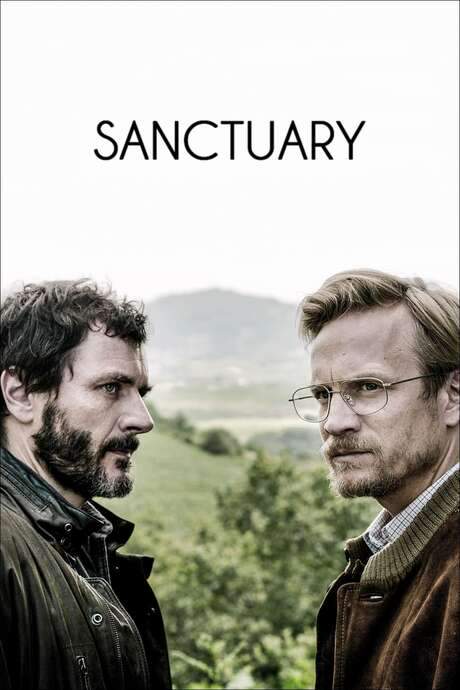
Sanctuary 2015

Directed by

Olivier Masset-Depasse
Made by

Versus Production
Where to Watch Sanctuary
See current US streaming, rental, and purchase options for Sanctuary (2015) via JustWatch.










Sanctuary Plot Summary
Read the complete plot summary and ending explained for Sanctuary (2015). From turning points to emotional moments, uncover what really happened and why it matters.
In the summer of 1968, a 14-year-old named Wolfgang from Osnabrück, who loves tinkering with mopeds, pushes against his stepfather’s authority and finds himself caught between a parental home that doesn’t understand him and a system eager to discipline misbehavior. After a confrontation with his stepfather, Wolfgang is handed over to a Youth Office staff member and sent to Freistatt, a Christian educational center, with his mother promising to bring him back at Christmas. He even takes a photo of his mother along as a keepsake to Freistatt, a place that will soon reveal itself to be a harsh, tightly controlled world.
Upon arrival, Wolfgang is met in the garden by the housefather Brockmann, whose stern presence dominates the routine. The staff records his behavior as aggressive, defiant, and disobedient, and Wolfgang recalls his prior departure from Heidequell school near Bielefeld after only three months. He defends himself, insisting that he has always stood up for himself and that violence never defined him, but the system’s rules and rituals are swift and unyielding. The housefather’s authority is reinforced by a long tradition, and he speaks of running the home for decades, presenting a front of paternal care that masks a punitive, quasi-military order.
Inside the home, life resembles a barracks. The staff refer to themselves as “brothers” within a framework designed to shape the boys through discipline and collective identity. The housefather, who has presided over the place for 25 years, governs with a stern, sometimes ruthless, sense of fairness as he interprets the needs of the group. Wolfgang soon finds himself in the company of peers who share the pressure of this environment, and he encounters Mattis, the weaker pupil who is singled out for punishment by Bernd. The dynamic among the boys becomes a test of endurance, where solidarity among the group can be a shield against the harsh judgments of those in charge.
To make Wolfgang conform, he is assigned hard labor in the peat mire alongside the others. When he complains that he won’t have proper boots for two months, he is beaten with a spade by Brother Wilde, one of the two guardians charged with enforcing the rules. An early escape attempt through the murky, maze-like moor fails, and the punitive system grows harsher. The householder allows the group to mete out punishment to each other as a way of maintaining “order,” rationing food and imposing smoking bans while forcing the pupils to police themselves. The dynamic emphasizes both power and vulnerability, as Wolfgang resists, yet the group’s pressure builds around him.
A letter Wolfgang tries to send to his mother—asking her to take him home because he cannot endure Freistatt—finds its way to Angelika, the housefather’s daughter. She claims to have been approached by Wolfgang but ultimately delivers the message to her father, who then institutes punitive measures against the group, including a harsh food deprivation regime. Wolfgang faces further humiliation when the housefather keeps a portion of food for himself, and Bernd confronts him with the painful reminder of his longing to return home by burning the photograph of Wolfgang’s mother.
During a recreation period, the boys stage a rebellion when Brother Wilde attempts to confiscate the trunk radio. Anton, one of the older youths, leads a defiant moment by singing from the Gospel, a moment that resonates with the group and becomes a symbol of their longing for freedom. The moment is marked by a shared sense of resistance, and the air fills with the feeling of an emerging collective identity. The scene culminates in a Christmas Eve scandal when Brother Krapp—an overseer who had shown some understanding of the boys’ needs—leaves the home after it becomes clear he has exploited his position to abuse Mattis. The revelation shakes the group, and the incident marks a turning point in the story.
At the heart of the darkness lies a deeply troubling image: in the basement, Wolfgang is chained and brought to a near-comatose state, his body and mind battered by the trauma of the home. The opening credits hint at a painful past, showing his mother on a sunlit beach, a memory that contrasts starkly with his current reality and hints at an incestuous longing that shadows the family history. The trauma intensifies as Wolfgang’s rage finds an outlet in a fight with Brother Wilde during a moor conflict; he strikes, injuring Wilde’s eye with a spade, and he seizes the chance to flee with Anton.
The journey away from Freistatt takes the two boys to Osnabrück by horse transport, a return that appears both hopeful and hollow. Anton—whose stepfather or family ties are unclear—does not have a true home to return to, and Wolfgang chooses not to bring him with him, even as his own family life remains complicated. During this escape, Wolfgang’s mother reveals that she has started a new family with his stepfather, a detail that adds another layer of heartbreak to his longing for a stable home. When they finally return to Freistatt, Wolfgang’s stepfather refuses to acknowledge him, locking the car and driving away at a moment of vulnerability that retreating into silence cannot repair.
The cycle of punishment and reprisal continues, as Brother Wilde seeks vengeance for the escape and the act of rebellion. Brockmann appears unexpectedly to pull Wolfgang out of the “grave” he’d been placed in during the perilous moment, saving him from a horrifying fate. Angelika, who had bid her own goodbye to Wolfgang as she prepares to study in Hamburg, returns to the surface of the story with a tenderness that is interrupted by violence: Wolfgang’s attempt to rape her punctures any softness between them and reveals the dangerous underside of his trauma and desire.
Tragedy continues to unfold as Anton’s despair drives him to hang himself. In the wake of Anton’s death, the other pupils lash out at Wilde and attempt to resist the oppressive regime that has controlled their lives. In the night, many of the pupils flee in their nightshirts, leaving Wolfgang who stays by Anton’s side. His resolve appears broken, yet there is a flicker of resilience as he begins to adapt to the routine of the home—roll calls, routines, and a hollow sense of “normalcy.” Eventually, Wolfgang is released not because the system believes him cured, but because his stepfather has been fatally injured, altering the balance of power back at home.
Returning to the world he left behind, Wolfgang encounters his mother’s life from another vantage point, still haunted by what happened at Freistatt. He sees his stepfather’s child on the terrace and chooses not to engage with his mother, stepping back into the street with a hedgehog slice from the reception table in hand. He borrows money from an old friend and even slaps him when the friend tries to touch his cake—a moment that underscores the lingering fragility of his sense of safety and belonging. The final image moves with ambiguity: on a train headed toward an uncertain destination, Wolfgang looks back at Freistatt and the pupils’ sketch of life on their draisine as they ride the mire—a quiet, unsettling closing that lingers in the mind, suggesting a boy forever marked by the scars of a system designed to break him, even as he seeks his own path forward.
- Antxón is referenced in the early sections to reflect his connection to the story through the cast. In this version, the focus remains on Wolfgang’s struggle, the brutal routines of Freistatt, the failed escapes, and the long shadow of trauma that follows him home and into adulthood.
Sometimes I Feel Like a Motherless Child
Note: This summary preserves the core events and tone of the film, emphasizing the harsh realities of the reform school, the cycles of control and resistance, and the enduring impact on Wolfgang and those around him.
Sanctuary Timeline
Follow the complete movie timeline of Sanctuary (2015) with every major event in chronological order. Great for understanding complex plots and story progression.
Forced transfer to Freistatt
A defiant 14-year-old Wolfgang from Osnabrück is sent to the Freistatt Christian educational center after the Youth Office intervenes when he shows his father's pornography to his friends. His mother promises to take him back at Christmas, and he even takes a photo of her to Freistatt. The move marks the start of a harsh, tearing chapter in his life.
Arrival and first file-reading
Housefather Brockmann greets Wolfgang in the garden and reads loudly from his juvenile file. The Youth Office labels him aggressive, renitent, and disobedient, and Wolfgang defensively argues that he has always stood up for himself. The first impressions set the tone for his treatment at Freistatt.
Life in a Christian barracks
The home operates like a barracks where leaders are called 'brother' and Brockmann has run the place for decades. The regime emphasizes obedience and control under a Christian frame. This environment foreshadows the harsh punishments Wolfgang will endure.
Anton and Mattis punished together
Wolfgang is used for Mattis and punished by Bernd as part of the group’s discipline. Afro-German Anton approaches Wolfgang and reveals he is from Osnabrück, forging a fragile kinship. The social dynamics inside Freistatt begin to shape Wolfgang’s alliances.
Hard labor and the first beating
Wolfgang and the other boys toil in the peat mire, a punishing routine that tests endurance. When he complains about not receiving boots, Brother Wilde beats him with a spade. A first escape attempt ends in confusion in the mire, underscoring the danger of leaving Freistatt.
Group punishment and personal discipline
Instead of targeting a single offender, the householder imposes punishments on the whole group, rationing food or banning smoking. He reserves the power to allow the pupils to punish the 'guilty one' themselves, then consoles them afterward. The system fosters fear, resentment, and a sense of collective responsibility.
Letter to Angelika
Wolfgang sends a letter to Angelika, the house father’s daughter, asking his mother to bring him home because he cannot bear the place. Angelika tells her father she was approached, but she also claims the letter as her own. The exchange reveals strain between Wolfgang, his family, and the house staff.
Hedgehog slice and the mother's photo
Wolfgang receives a Hedgehog slice from his mother for his birthday, a small token from home. The housefather keeps the Hedgehog slice for himself and consumes what Wolfgang had discovered, while Bernd seizes Wolfgang’s hope by burning away his mother’s photo. The acts underscore the severing of ties to home.
Recreation uprising and freedom call
During recreation, the pupils resist when Brother Wilde tries to confiscate the trunk radio. Anton leads with a Gospel song, 'Sometimes I Feel Like a Motherless Child,' triggering a chant of 'Freedom' from the group. The moment marks a rare collective stand inside the institution.
Christmas Eve scandal
On Christmas Eve, Brother Krapp, who had seemed understanding, leaves Freistatt, and it is revealed he sexually abused Mattis. At the service, Angelika hands Wolfgang a bell bag containing the house key, but his attempt to intervene is blocked by his father. The revelations expose deep abuse and shattered trust within the home.
Basement torture and memory
In the basement, Wolfgang is chained from the ceiling, barely conscious, and experiences visions. A beach memory with his mother hints at an incestuous dynamic, amplifying the trauma he endures. The scene deepens the emotional scars that drive his later actions.
Moor conflict and escape toward Osnabrück
In a Moor confrontation, Wolfgang injures Brother Wilde’s eye with a spade and flees with Anton. They reach Osnabrück, but Anton reveals he is not really from there and has no family. Wolfgang refuses to take him home, signaling his growing isolation.
Return to Freistatt
Brockmann unexpectedly appears and takes Wolfgang back to Freistatt, while Anton has already been taken up. The cycle of return and punishment continues as the system reasserts control. A sense of inevitability hangs over Wolfgang’s fate.
Release and homecoming
One day Wolfgang is released because his stepfather has been fatally injured. He returns to his mother’s home, but the reunion is tense, with old wounds and unresolved issues lingering. The family dynamics remain fragile as Wolfgang tries to re-enter life beyond Freistatt.
On the run and ambiguous future
Wolfgang borrows money from a former friend and slaps him when the man tries to touch his cake, signaling anger and mistrust. In a closing image, he rides a train with an ambiguous destination, passing Freistatt and watching the draisines carrying the others, suggesting an unsettled, uncertain future.
Sanctuary Characters
Explore all characters from Sanctuary (2015). Get detailed profiles with their roles, arcs, and key relationships explained.
Wolfgang
A defiant, resourceful 14-year-old from Osnabrück who endures brutal discipline and isolation at Freistatt. He longs for his mother and home, and his attempts to escape reveal both courage and desperation. The trauma he experiences shapes a wary, survival-minded character who clings to small acts of rebellion and moments of connection.
Brockmann
The housefather who has run Freistatt for decades, enforcing a strict, militaristic regime. His authority is justified through religious language and tradition, but his methods are punitive and dehumanizing. He cultivates fear and obedience, embodying the system’s coercive power.
Bernd
A guardian who participates in the group’s punishments and enforces the staff’s decisions. He reflects the complicity of the staff in maintaining a harsh, disciplinary environment. His actions emphasize how power operates through quiet, routine brutality.
Anton
An Afro-German pupil who befriends Wolfgang and shares the struggle to survive Freistatt. He becomes part of the escape attempt, revealing a desperate desire for a life outside the oppressive system. His fate—his suicide—highlights the depth of despair among the youths.
Angelika
Daughter of the house father, she represents a fragile link to a more humane world. She receives Wolfgang’s letter and bears witness to events inside the home, eventually leaving Freistatt to study in Hamburg. Her presence hints at possibilities beyond the walls.
Krapp
An overseer who at first appears understanding but is implicated in sexual abuse of Mattis. His departure during a scandal exposes the underlying abuse and moral rot within the staff. His presence illustrates the hidden dangers of the institution.
Sanctuary Settings
Learn where and when Sanctuary (2015) takes place. Explore the film’s settings, era, and how they shape the narrative.
Time period
Summer 1968
Set in the summer of 1968, West Germany is experiencing social upheaval and student protests, while Freistatt preserves a rigid, old-fashioned system. The period's optimism for change clashes with the harsh realities inside the home, highlighting a closed world where authority remains unquestioned. The setting uses the era to contrast youth longing for freedom with institutional control.
Location
Osnabrück, Freistatt, Heidequell (near Bielefeld)
Freistatt sits in a secluded rural area of Lower Saxony, not far from Osnabrück. The home is run as a tightly regulated community under house staff who are addressed as 'brother'. Pupil life is marked by hard labor in peat bogs and a climate of fear, where dissent is punished and personal ties are strained.
Sanctuary Themes
Discover the main themes in Sanctuary (2015). Analyze the deeper meanings, emotional layers, and social commentary behind the film.
🔒
Power Abuse
The film exposes how authority figures in Freistatt wield power through violence, isolation, and strict rules. Housefather Brockmann and the guardians enforce conformity with beatings, public shaming, and collective punishment. The regime is reinforced by a long institutional history, with Brockmann having run the home since 1943. The revelation of sexual abuse by Krapp among the staff shows a systemic rot at the core of the institution.
🕊️
Freedom vs Control
The boys repeatedly challenge the regime, staging uprisings during recreation and testing boundaries. Escape attempts lead Wolfgang and Anton toward Osnabrück, seeking a life outside the peat bog walls. Their actions are driven by a longing for home and the ambiguous promise of liberty. The period's constraints amplify the tension between freedom and punishment.
🌱
Trauma & Resilience
Wolfgang's experiences leave deep emotional and physical scars, shaping a guarded, wary outlook. The youths navigate fear, hunger, and violence while clinging to fragile moments of tenderness, like Angelika's presence. The narrative threads recovery, family, and the difficulty of healing within abusive systems. The final departure, with an uncertain future, underscores resilience earned through endurance.

Coming soon on iOS and Android
The Plot Explained Mobile App
From blockbusters to hidden gems — dive into movie stories anytime, anywhere. Save your favorites, discover plots faster, and never miss a twist again.
Sign up to be the first to know when we launch. Your email stays private — always.
Explore the mobile appSanctuary Spoiler-Free Summary
Discover the spoiler-free summary of Sanctuary (2015). Get a concise overview without any spoilers.
In the volatile summer of the mid‑1980s, the shadowed borderlands between southern France and Spain become a cauldron of hidden warfare. A clandestine Spanish paramilitary force, known only as GAL, moves silently through the night, tracking members of the Basque separatist organization ETA who have slipped across the frontier in search of refuge. The landscape is a stark mix of sun‑baked villages, dense woodlands, and a tense political atmosphere where old grievances linger and the line between law and vigilante justice blurs.
Against this backdrop, Grégoire Fortin, an experienced advisor to the French Minister of Justice, is called to navigate the delicate diplomatic minefield. He brings a measured, bureaucratic rigor to a situation that threatens to explode into open conflict. Across the border, Domingo ‘Txomin’ Iturbe, the charismatic and resolute leader of ETA, stands at the helm of a movement hardened by decades of struggle, yet still yearning for a path out of perpetual bloodshed. Their worlds collide in a reluctant partnership where language, loyalty, and the promise of peace hang in a fragile balance.
The film’s tone is one of restrained tension, painted with muted colors and a soundtrack that swells only in moments of quiet dread. It captures the relentless hum of surveillance, the whispered negotiations in dimly lit rooms, and the looming presence of a history that refuses to stay buried. The atmosphere is dense with the scent of gun‑oil and the rustle of autumn leaves, a reminder that every decision carries the weight of countless lives.
As the two protagonists confront the relentless pressure of their respective duties, the story asks whether a fragile dialogue can survive in a world where both sides are accustomed to violence. Their uneasy alliance hints at the possibility of redemption, even as the surrounding darkness threatens to swallow any hope of a lasting sanctuary.
Featured on this page

What's After the Movie?
Not sure whether to stay after the credits? Find out!
Check out our other apps:

SAT Sphere
Build confidence for the Digital SAT.

Mori Atlas
Discover wild places worth protecting.

Luntero
Search smarter for a home in Amsterdam.

Plot Explained
Unravel movie endings and hidden clues.

Pokechamp
Dive into Pokémon data and battle logic.

Driving Theory
Get ready for your European theory test.

Movie Dust
Plan your next cinema trip with ease.

Musemap
Find art and culture as you travel.

Selkobase
Compare credentials before committing.

Local Manual
Turn an unfamiliar country into practical next steps.

Lernavi
Compare school systems before your next move.

GymRoam
Find a workout stop wherever your plans take you.
Explore Our Movie Platform
New Movie Releases (2026)
Famous Movie Actors
Top Film Production Studios
Movie Plot Summaries & Endings
Major Movie Awards & Winners
Best Concert Films & Music Documentaries
Movie Collections and Curated Lists
© 2026 What's After the Movie. All rights reserved.
Privacy Policy