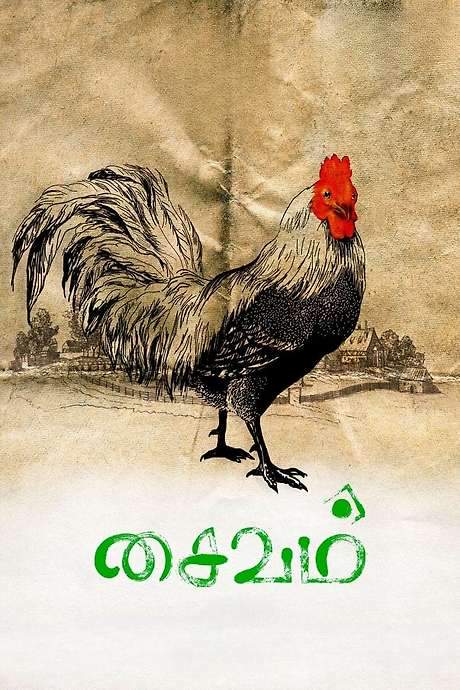
Saivam 2014

Directed by

A. L. Vijay
Made by

Red Giant Movies
Saivam Plot Summary
Read the complete plot summary and ending explained for Saivam (2014). From turning points to emotional moments, uncover what really happened and why it matters.
In Kathiresan Chettiyar’s sprawling family, three sons and a daughter and their respective households gather at the ancestral home for a vacation. The scene unfolds across a lively, crowded household where generations collide—old feuds, enduring loyalties, and daily routines all mingle under one roof, setting the stage for a quiet, shared crisis that tests their bonds.
During a temple visit, a belief takes hold that their misfortunes stem from neglecting a ritual sacrifice that involves a rooster. The elders insist that the upcoming festival requires sacrificing their pet rooster, Paappa, in order to appease the gods, hoping this act will lift problems at both home and work. The idea of slaughter casts a shadow over the festive mood, stirring fear and hesitation among family members who have grown attached to the animal.
Tamizhselvi, the young granddaughter, loves Paappa deeply and cannot bear the thought of its death. In a steadfast act of protection, she hides the rooster away in the attic to shield it from the impending sacrifice, driven by a powerful bond that refuses to let go. Her courageous choice becomes the heartbeat of the story, turning a family dispute into a moral question about mercy, tradition, and the value of life.
What follows is a tense, often tender search as relatives scour the house and grounds for Paappa, each search revealing layers of family dynamics—old loyalties, unspoken grievances, and the pressure to conform to long-held beliefs. The clock ticks toward the festival, and the looming ritual pits sentiment against duty, fear against compassion, and the desire to keep peace against the urge to stand up for a vulnerable creature.
Through patient, compassionate argument, Tamizhselvi challenges a rigid view of tradition, suggesting that mercy and ritual can coexist. She contends that saving one life does not necessitate harming another, inviting the family to consider a higher moral call that transcends fear of bad luck or societal expectations. Her perspective resonates with several relatives who begin to rethink the plan, while others remain wary of changing a centuries-old practice.
As the story builds toward its emotional peak, the family confronts the consequences of their choices about faith, responsibility, and care for other beings. The tension softens as more members open to Tamizhselvi’s message, and ultimately the rooster is spared. The act reframes the family’s understanding of themselves and their place in the world, highlighting empathy as a guiding force.
In the mid-credits scene, the truth behind their animal companion and their own well-being crystallizes into a hopeful resolution: the family embraces vegetarianism, signaling a commitment to non-harm toward all living beings. The movie closes on a note of renewed kindness and a shared promise to protect creatures big and small alike.
Saivam Timeline
Follow the complete movie timeline of Saivam (2014) with every major event in chronological order. Great for understanding complex plots and story progression.
Family vacation at Kathiresan's house
Kathiresan Chettiyar leads a large family of three sons and a daughter with their spouses as they gather at his house for a vacation. The atmosphere mixes warmth with underlying tensions as old feuds and duties surface. This setting establishes the family dynamic that drives the later events.
Temple visit and superstition about a missing ritual
During a temple trip, the family blames their misfortunes on the lack of a ritual sacrifice involving a rooster. Accusations fly as each member points to another as responsible for bad luck at home and work. The belief seeds the plan to appease the gods with Paappa, the pet rooster.
Plan to sacrifice Paappa the rooster
Kathiresan announces the intention to sacrifice Paappa at the upcoming festival, insisting that the ritual will resolve the family's problems. The others reluctantly agree, rationalizing the act as a necessary appeasement. The goal is to restore balance and peace through tradition.
Paappa disappears
The pet rooster vanishes suddenly, leaving the family stunned and anxious about the looming sacrifice. The disappearance triggers a scramble to locate Paappa before the ritual can take place. Fear of the consequences drives the family's urgency.
Tamizhselvi hides Paappa in the attic
Tamizhselvi, Kathiresan's granddaughter, hides Paappa in the attic to save it from slaughter, because she cannot bear to see the bird killed. Her act reveals a strong maternal bond with the pet and introduces the moral tension between tradition and compassion. The attic becomes a hidden sanctuary for the rooster.
Family searches for Paappa while blame shifts
The family splits their focus between frantic search efforts and finger-pointing, each member blaming others for the rooster's disappearance. They debate whether to proceed with the ritual or to abandon it in light of Paappa's absence. The home becomes a battleground of loyalty, fear, and ritual obligation.
Tamizhselvi pleads to spare Paappa
Tamizhselvi continues to advocate for Paappa’s life, arguing that mercy and compassion should guide the family’s choices. Her pleas deepen the moral conflict as characters weigh tradition against empathy. Her persistence shifts the conversation away from blind ritual toward preservation of life.
Tamizhselvi convinces the family to not kill Paappa
Eventually, Tamizhselvi convinces the family to abandon the planned slaughter, asserting that a deity who cares about one species should not allow harm to others either. This turning point reframes the conflict from ritual necessity to ethical consideration. The decision redirects the family’s path toward compassion.
Realization of the moral: all beings deserve care
With Paappa spared, the family reframes their beliefs to include mercy for animals. The narrative emphasizes that respect for life extends beyond human concerns. The mid-point moral shift lays groundwork for a broader change in behavior.
Mid-credits scene: turning vegetarian
In the mid-credits moment, the family recognizes the truth of Tamizhselvi’s stance and resolves to stop harming any creature. They choose vegetarianism as a practical expression of their new ethic. The scene signals a hopeful, lasting change for the family.
Epilogue: living without harming animals
The family’s new ethos lingers beyond the attic and the festival, as they navigate daily life with a commitment not to harm animals. Paappa’s fate becomes a catalyst for a broader lifestyle change. The ending reinforces the film’s moral about compassion.
Saivam Characters
Explore all characters from Saivam (2014). Get detailed profiles with their roles, arcs, and key relationships explained.
Tamizhselvi
A compassionate granddaughter who loves Paappa and acts to save him from slaughter. She hides the rooster in the attic to protect him, navigating family pressure with courage and empathy. Her determination drives the ethical turning point of the story as she advocates mercy over ritual.
Kathiresan Chettiyar
Patriarch of the large family who clings to tradition and answers to the elders. He initiates the planned sacrifice of Paappa, believing the ritual will restore harmony, which sets up the clash between duty and mercy. His authority is challenged as the younger generations voice compassion for animals.
Paappa
The beloved pet rooster whose life becomes the focal point of the family's crisis. His potential slaughter exposes the tension between ritual customs and compassion, prompting Tamizhselvi’s bold act to protect him. The rooster’s fate catalyzes the movement toward a kinder resolution.
Saivam Settings
Learn where and when Saivam (2014) takes place. Explore the film’s settings, era, and how they shape the narrative.
Location
Family home, Temple
Saivam centers on a large multi-generational family home where relatives gather for a holiday. The family also visits a local temple during the festival, a setting that triggers the central ritual. The attic inside the house becomes the crucial hiding place for Paappa, highlighting the personal stakes behind the community’s customs.
Saivam Themes
Discover the main themes in Saivam (2014). Analyze the deeper meanings, emotional layers, and social commentary behind the film.
🐾
Animal Rights
Animal rights become the emotional engine of the story as the rooster Paappa's life is used to test family loyalties and superstitions. Tamizhselvi's attachment to Paappa exposes the cruelty hidden behind ritual beliefs and traditions. The film uses intimate domestic spaces to explore ethical questions about who gets protection and why. The resolution—choosing mercy over slaughter—argues that compassion should extend to all living beings.
🕊️
Nonviolence
The film champions nonviolence as a practical and moral stance, showing that mercy can resolve conflicts more effectively than fear or ritual. The mid-credits turn toward vegetarianism marks a communal shift away from harming animals. The granddaughter's persistence demonstrates how compassion can influence whole families. The narrative links peaceful choices to broader social change, not just personal sentiment.
👪
Family Bonds
The story centers on a family unit grappling with tradition, authority, and care for other beings. Conflicts arise from differing generations: obedience to elders versus the child's empathy for animals. The eventual consensus reveals a transformation in values and a renewed sense of responsibility toward all life. The film uses humor and tension to show how love and duty can coexist with ethical growth.

Coming soon on iOS and Android
The Plot Explained Mobile App
From blockbusters to hidden gems — dive into movie stories anytime, anywhere. Save your favorites, discover plots faster, and never miss a twist again.
Sign up to be the first to know when we launch. Your email stays private — always.
Explore the mobile appSaivam Spoiler-Free Summary
Discover the spoiler-free summary of Saivam (2014). Get a concise overview without any spoilers.
In the warm, sun‑lit village of rural Tamil Nadu, a bustling family gathers under the roof of the patriarch’s ancestral home. The household is a tapestry of three sons, a daughter, and their spouses, each carrying their own hopes, anxieties, and the weight of generations of tradition. The story unfolds amid the lively chatter of shared meals, the fragrant scent of incense, and the ever‑present hum of devotion to a family deity who is believed to safeguard their prosperity.
At the heart of this close‑knit clan is Kathiresan, the revered head of the family whose authority is steeped in age‑old customs. He carries the solemn responsibility of ensuring that the household’s rituals are performed correctly, especially a seasonal offering that is said to keep misfortune at bay. Opposite him, the bright‑spirited Tamizhselvi—his beloved granddaughter—adds a gentle, modern perspective that challenges the rigid expectations of her elders. Her world revolves around a small, feathered companion, the endearing rooster Paapa, whose playful antics have become a cherished part of daily life.
When the family sets out for a communal pilgrimage to their temple, an unsettling series of mishaps begins to surface, prompting whispers that a crucial ritual—once thought forgotten—must be completed to restore balance. The ritual centers on the sacrifice of a rooster, a task that looms large over the household’s collective conscience. As the anticipated day approaches, Paapa vanishes without a trace, casting a tense shadow over the impending ceremony and stirring both curiosity and dread within the family.
The disappearance of the beloved bird throws the household into a delicate dance between reverence for tradition and the tender affection that binds them. As members grapple with the looming sacrifice, hidden loyalties and unspoken doubts begin to surface, hinting at a journey where faith, love, and the very definition of devotion will be quietly examined.
Featured on this page

What's After the Movie?
Not sure whether to stay after the credits? Find out!
Check out our other apps:

SAT Sphere
Build confidence for the Digital SAT.

Mori Atlas
Discover wild places worth protecting.

Luntero
Search smarter for a home in Amsterdam.

Plot Explained
Unravel movie endings and hidden clues.

Pokechamp
Dive into Pokémon data and battle logic.

Driving Theory
Get ready for your European theory test.

Movie Dust
Plan your next cinema trip with ease.

Musemap
Find art and culture as you travel.

Selkobase
Compare credentials before committing.

Local Manual
Turn an unfamiliar country into practical next steps.

Lernavi
Compare school systems before your next move.

GymRoam
Find a workout stop wherever your plans take you.
Explore Our Movie Platform
New Movie Releases (2026)
Famous Movie Actors
Top Film Production Studios
Movie Plot Summaries & Endings
Major Movie Awards & Winners
Best Concert Films & Music Documentaries
Movie Collections and Curated Lists
© 2026 What's After the Movie. All rights reserved.
Privacy Policy