What Is Prodigal Sons About?
The premise of Prodigal Sons in 275 words, with nothing given away. The full story follows below.
In the sweeping quiet of a small Montana town, Kimberly Reed returns after years of carving a life in film and as a transgender woman. She arrives for her high‑school reunion, a moment that feels both nostalgic and charged, hoping the community that once knew her as a quarterback will now recognize the truth she has lived openly. The setting is intimate and atmospheric, a place where the past hangs in the air of familiar streets and old school halls, inviting a documentary‑style gaze that blends personal testimony with the broader pulse of a community still learning what authenticity looks like.
The core of the story rests on the uneasy bond between Kimberly and her adopted brother Marc McKerrow. Their relationship, once solidified by shared childhood memories, now carries a palpable tension as Marc struggles to reconcile the woman he once knew as a boy with the woman before him today. Their reunion becomes a quiet negotiation of identity, love, and the lingering wounds of family expectations, marked by moments of fragile honesty and tentative hope. The tone is reflective, underscored by a gentle humor that surfaces even as old grievances surface.
Through a lens that feels both personal and observational, the film explores the ripple effects of gender transition, sexual orientation, and intergenerational trauma within a close‑knit family. Kimberly’s mother, Carol McKerrow, and the wider community hover on the periphery, offering support, curiosity, and occasional resistance. The narrative is bathed in a warm, measured cadence, allowing each character’s internal landscape to unfold without rush, inviting viewers to contemplate the complexities of belonging, the courage required to live truthfully, and the quiet power of reconnection.
What Happens in Prodigal Sons?
The complete story of Prodigal Sons, from the first scene to the last, in 488 words (about 2 minutes). Spoilers throughout. Names in the text link to 3 cast member pages.
Spoilers ahead
From a small Montana town, a teenager named Paul rises to become a model of high school success: a standout football hero, socially popular, and frequently named the class valedictorian—the kind of student peers admire and teachers praise. Yet from kindergarten onward, Paul senses something off about the male gender assigned at birth. Over time, Paul begins to realize that she is transgender and adopts the name Kimberly Reed. With this new identity, Kim grows into a confident, accomplished woman and embraces her orientation as a lesbian, navigating a path that blends pride with the challenges of public perception.
As Kim’s life unfolds, transition brings both personal growth and friction. She builds a life rooted in authenticity while forging deeper connections with family and friends, learning to balance her own happiness with the expectations of those around her. The journey is intimate and public at once, revealing the resilience it takes to live openly as a transgender woman.
Kim’s younger brother, Todd, also grapples with his own identity and eventually comes out as gay, adding another layer to the family’s evolving dynamic. The documentary follows these revelations with care, showing how each family member processes change, support, and the fear of judgment.
Driven by personal history, Kimberly Reed becomes a filmmaker and returns home to Montana for her high school reunion. Through intimate footage, she documents interactions with family, old friends, and classmates as she strives to educate viewers about what it means to be transgender. A central thread is her attempt to reconcile with her adopted brother Marc McKerrow, who struggles to see her as female and to accept the new reality of their relationship. The film unfolds with surprising and sometimes unsettling discoveries, including the revelation that Marc is the secret grandson of Orson Welles and Rita Hayworth, a fact that rocks the family and reframes many past assumptions.
As the narrative deepens, Marc’s mental health deteriorates, eventually leading to voluntary admission to a mental health facility. Kim confronts her entire past—childhood and early adulthood—recognizing how those years were lived under a male identity and how they have shaped who she is today. The process is painful, healing, and ultimately hopeful, illustrating the complexities of growing up transgender within a family that is learning to adapt.
Across its core stories, the documentary examines how growing up transgender affects development within families and society at large, while also showing how mental illness can challenge loyalties and complicate the path toward understanding. It’s a portrait of resilience, fluid identities, and the hard-won clarity that comes from choosing authenticity.
In the broader public eye, Kim and her mother, Carol McKerrow, shared their journey on The Oprah Winfrey Show, appearing in the segment “Transgender Transition” on February 11, 2010, to discuss Kim’s life and the documentary. The film closes with a reminder that personal truth, family bonds, and the search for belonging can echo far beyond any single life story.
Prodigal Sons Timeline: Every Key Event in Order
13 key events in the order they happen, from “High school star and valedictorian” to “Documentary's closing perspective”. 13 events name a place, across 3 locations.
- 1
High school star and valedictorian
Paul achieves high school success as a football hero, socially popular, named best looking, and the class valedictorian. These accomplishments set a stark baseline for who Paul is before realizing something feels off about the gender he was assigned at birth.
When:high school years Where:Montana
- 2
Feeling something is off with the assigned gender
From kindergarten onward, Paul feels something is askew with the male gender assigned at birth. This seeds the understanding that Paul may be transgender and sets the stage for later transition.
When:childhood to adolescence Where:Montana
- 3
Name change and transition
Paul changes her name to Kimberly Reed and begins living as a woman. The transformation marks a new phase of confidence and social success.
When:early adulthood Where:Montana
- 4
Becoming a filmmaker
Kimberly becomes a filmmaker and decides to make a documentary about returning home for the high school reunion. The project uses her own life as a lens to explore transgender experiences.
When:adult years Where:Montana
- 5
Planning and filming the reunion documentary
She documents interactions with family, old friends, and classmates as she educates others about what it means to be transgender. The film observes the complexities of homecoming and the conversations that follow.
When:during filming Where:Montana
- 6
Reconciliation with adopted brother
Kimberly attempts to reconcile her relationship with her adopted brother Marc, who struggles to see her as female. The documentary follows their tense conversations and gradual shifts in understanding.
When:during reunion era Where:Montana
- 7
Shocking family revelation
The film reveals shocking revelations, including that Marc is the secret grandson of Orson Welles and Rita Hayworth. These twists add complexity to family history and identity.
When:during documentary Where:Montana
- 8
Sibling rivalry and family challenges
Intense sibling rivalry and other plot twists force the family to confront serious challenges. The strain highlights how gender transition and family dynamics intersect with mental health.
When:during the documentary Where:Montana
- 9
Marc's mental health decline
Marc's mental health declines and he is voluntarily admitted to a mental health facility. The film traces his struggle and its impact on the family.
When:during the film Where:Mental health facility
- 10
Kim accepts her past
Kim learns to accept her entire past, including childhood and early adulthood when she lived as male. The narrative emphasizes self-acceptance as part of her journey.
When:documentary timeline Where:Montana
Show the other 3 events of Prodigal Sons Hide the last 3 events
- 11
Themes of transgender life and mental health
The documentary explores how growing up trans affects development within family and society, and how mental illness can challenge familial relationships.
When:throughout the documentary Where:Montana
- 12
Oprah appearance
Kimberly Reed and her mother Carol appear on The Oprah Winfrey Show 'Transgender Transition' on February 11, 2010 to discuss Kim's life and the documentary.
When:February 11, 2010 Where:The Oprah Winfrey Show, Chicago
- 13
Documentary's closing perspective
The film uses Kim's journey to educate audiences about transgender experiences and to highlight family reconciliation and understanding.
When:end of journey Where:Montana
Who Are the Main Characters in Prodigal Sons?
3 characters, among them Kimberly Reed, Carol McKerrow and Marc McKerrow: who each one is and the part they play in the story. Every profile links to the actor’s page.
-
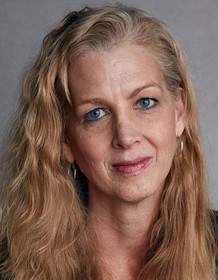
Kimberly Reed
Played by Kimberly Reed
The documentary's central figure, a transgender woman who transitions from living as male-presenting to embracing her true identity. She returns to her Montana hometown for the high school reunion to share her story. As a filmmaker, she uses the journey to educate others about transgender experiences and the meaning of authenticity. The narrative follows her evolving sense of belonging, resilience, and leadership in society.
- 🏳️🌈 LGBTQ
- 🎬 Filmmaker
- CM
Carol McKerrow
Played by Carol McKerrow
Kim's mother, who provides emotional support and perspective throughout the documentary. She navigates the challenges of her daughter's transition while maintaining family cohesion. Her public appearance on The Oprah Winfrey Show highlights her willingness to engage in dialogue about transgender families. Carol's journey reflects love, concern, and the complexities of parenting during transformative times.
- 👪 Family
- 🌟 Support
- MM
Marc McKerrow
Played by Marc McKerrow
Adopted brother to Kim, Marc's arc centers on his mental health struggles and his attempt to adjust to the changing family dynamics. His decline creates friction but also opportunities for empathy and understanding among family members. The documentary documents his voluntary admission to a mental health facility, highlighting the toll of these pressures on all involved.
- 🧠 Mental Health
- 👥 Family Struggles
Where and When Is Prodigal Sons Set?
Prodigal Sons is set in Montana and United States. Here is why the place matters to the story.
Where
Montana, United States
Prodigal Sons is set largely in rural Montana, a state known for its open skies and close-knit communities. The hometown environment frames Kim's return for the high school reunion and the intimate encounters with family and old friends. The setting underscores themes of belonging, tradition, and the friction between individual identity and community expectations.
- 🏔️ Rural Montana
- 🗺️ Small-town atmosphere
What Are the Themes of Prodigal Sons?
4 ideas the story keeps returning to, among them Identity, Family and Mental Health.
-
01
Identity
The film centers on Kimberly's gender journey, tracing how she understands and expresses her true identity. It shows the transition from living as male-presenting to becoming a woman who is confident and accomplished. Through Kim's perspective, the documentary challenges assumptions about gender and invites empathy. Identity is presented as an ongoing process of self-definition shaped by family, community, and personal growth.
-
02
Family
Family dynamics occupy the core of Prodigal Sons, especially how Kim's transition ripples through her relationships. The film documents tension with adopted brother Marc, as well as support from her mother Carol. It explores loyalty, misunderstanding, and the slow path toward acceptance within a family system. The narrative demonstrates how love and conflict coexist in families undergoing profound change.
-
03
Mental Health
Marc's mental health struggles are a central thread that adds dramatic weight to the documentary. The film portrays his declining mental health and the impact on the family. Kim offers care and attempts to understand, highlighting the strain and empathy within sibling relationships. A key moment is his voluntary admission to a mental health facility, illustrating how illness tests family resilience.
-
04
Secrets & Revelations
As the documentary unfolds, hidden truths emerge that reframe the family saga. One of the pivotal revelations is Marc's blood relationship as the secret grandson of Orson Welles and Rita Hayworth. These revelations force the family to confront questions of lineage, fame, and forgiveness. The theme of truth-telling underscores the film's intent to educate and illuminate.
What Kind of Film Is Prodigal Sons?
Hopeful in tone, with steady pacing and a moderate story, going by the plot summary.
- Tone
- Hopeful
- Pacing
- Steady
- Story
- Moderate
- Intensity
- Medium
- Ending
- Happy
An intimate and emotionally resonant documentary that navigates family tensions, mental health struggles, and the quest for identity with a steady, reflective pace, ultimately finding hope and healing through painful but honest confrontation.
- intimate
- reflective
- resilient
- uneasy
- hopeful
- cathartic
- transgender identity
- family reconciliation
- mental health
- sibling rivalry
Content notes: mental health crisis, trauma, head injury, prejudice.
Quiz
How well do you remember Prodigal Sons? Test yourself on the story.