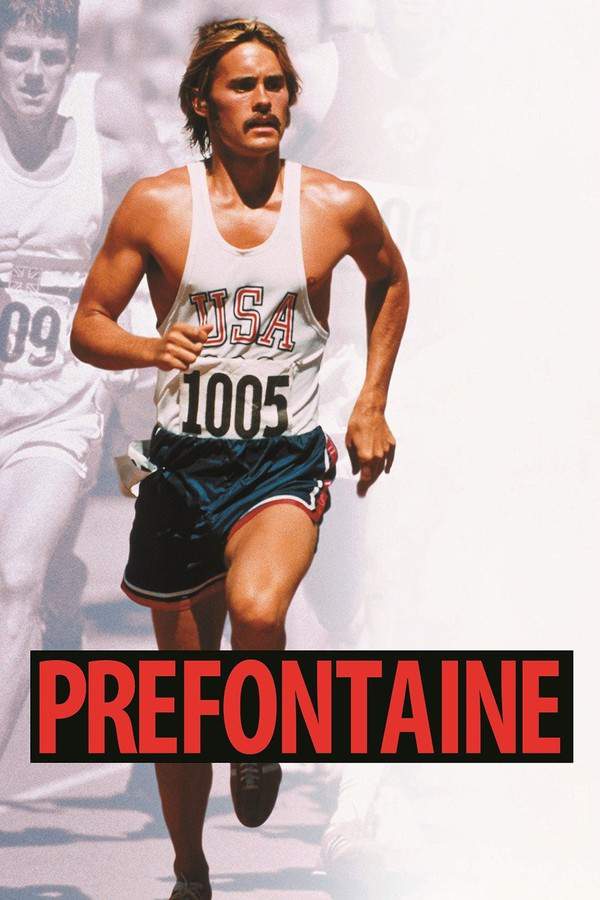
Prefontaine 1997

Directed by
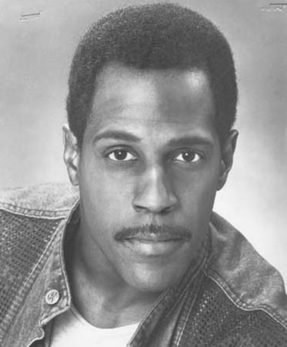
Steve James
Made by

Buena Vista Pictures
Where to Watch Prefontaine
See current US streaming, rental, and purchase options for Prefontaine (1997) via JustWatch.







Prefontaine Plot Summary
Read the complete plot summary and ending explained for Prefontaine (1997). From turning points to emotional moments, uncover what really happened and why it matters.
Steve Prefontaine Jared Leto, a Coos Bay, Oregon student, grows from a diminutive young athlete into a gifted distance runner who changes the course of American track. He enrolls at the University of Oregon in 1969, where he joins fellow Ducks track stars Pat Tyson and Mac Wilkins. Guided by legendary coaches, Bowerman and Dellinger, Prefontaine helps the team clinch national glory, earning three cross-country championships and four consecutive 5,000-meter wins, during which he also shatters the United States record in that event. His rise isn’t about waiting for a late surge; he becomes famous for a fearless, front-running style, preferring to lead from the start and push the pace rarely seen in college races. This audacious approach earns him attention, as well as fierce admiration from teammates and rivals alike, and it cements his identity as a bold, uncompromising competitor on the track.
As his college career peaks, Prefontaine travels with other top American runners, including Frank Shorter and Jeff Galloway, to the 1972 Munich Olympics. The Games are overshadowed by the Munich Massacre, a terrorist attack that interrupts the competition and casts a shadow over the athletic world. In the 5,000 meters, Prefontaine again demonstrates his drive by sprinting to the lead with just 150 meters to go, but three challengers overtake him, and he finishes without a medal as Lasse Viren of Finland takes the gold. The moment underscores both his talent and the sobering reality of international competition, where the line between triumph and disappointment can be razor-thin.
After his collegiate chapter closes, Prefontaine looks toward a rematch with Viren at the 1976 Montreal Olympics. Yet the era’s strict amateurism rules for American non-collegiate athletes compel him to turn down a lucrative professional offer, choosing instead to work as a bartender while living in a trailer. He becomes an outspoken advocate for American athletes, seeking to level the playing field against more deeply funded international competitors. His activism reflects a broader push to reform how athletes are governed and funded in the United States, a fight that resonates beyond his own racing career.
Tragically, Prefontaine’s life is cut short on May 30, 1975, when a car crash ends his time behind the wheel after a post-meet party. The accident shocks the running world, but his legacy continues to influence the sport. In the years that follow, the Amateur Sports Act of 1978 emerges as a landmark change, extending athletes more control over how their sports are governed and funded. Prefontaine’s story, both on the track and in the push for reform, becomes a touchstone for generations of runners who value autonomy, competition, and the pursuit of excellence. His life is remembered not just for the records he set or the races he ran, but for the way he inspired others to challenge limits and to fight for fair chances in American athletics.
Prefontaine Timeline
Follow the complete movie timeline of Prefontaine (1997) with every major event in chronological order. Great for understanding complex plots and story progression.
Enters University of Oregon and begins training
In 1969, Prefontaine enrolls at the University of Oregon and begins training under coaches Bill Bowerman and Bill Dellinger. He also meets fellow Ducks Pat Tyson and Mac Wilkins, marking the start of his college track career.
Gains fame as an aggressive front-runner
During his college years, Prefontaine becomes known for his fearless front-running style, often taking the lead from the start. This bold approach earns him rapid fame and the attention of fans and rivals alike.
Wins national cross-country championships
With Bowerman and Dellinger guiding him, Prefontaine wins three national cross-country championships. These victories establish him as the premier American distance runner of his era.
Sets US 5,000m mark in college years
He also achieves four consecutive 5,000-meter performances, breaking the U.S. record in the event. These runs solidify his place among the top American middle- and long-distance runners.
Travels to Munich for the 1972 Olympics and witnesses the Munich Massacre
Prefontaine travels with other top American runners, including Frank Shorter and Jeff Galloway, to the 1972 Munich Olympics. They witness the terrorist attacks that interrupt the games, later known as the Munich Massacre.
Munich 5,000m final: leads but falls short
In the 5,000-meter final, Prefontaine leads with 150 meters to go, but three different runners pass him and he does not medal. Lasse Viren wins the gold for Finland.
Prepares for a rematch with Viren at the 1976 Olympics
After his college career, Prefontaine aims for a rematch with Viren at the 1976 Montreal Olympics, continuing to train for world-class competition. He remains motivated by the goal of competing against the best runners.
Amateurism rules force him to stay amateur; bartender job and activist
American amateurism rules prevent Prefontaine from turning professional, so he works as a bartender while living in a trailer. He also becomes an activist, advocating for changes to help American athletes compete more effectively.
May 30, 1975: death in a car crash
On May 30, 1975, after drinking alcohol at a post-meet party, Prefontaine is killed when his MG convertible flips while he is driving. His death shocks the running community and the broader sports world.
Amateur Sports Act of 1978
The Amateur Sports Act of 1978 is enacted, giving athletes more control over their sports' governance and a stronger voice in how competitions are organized. The act marks a significant shift in American sports policy.
Legacy as a symbol of athlete activism
Prefontaine's life becomes a touchstone for discussions about amateurism and athlete empowerment. His persistence and advocacy influence attitudes toward how athletes are funded, supported, and governed.
Long-term impact on running culture and policy
The issues raised by Prefontaine's career—the drive to compete at the highest level and the push for athlete governance—linger in track culture and policy discussions long after his death.
Prefontaine Characters
Explore all characters from Prefontaine (1997). Get detailed profiles with their roles, arcs, and key relationships explained.
Steve Prefontaine (Jared Leto)
A gifted yet combative distance runner from Coos Bay who rises to prominence at the University of Oregon. He fights to stay at the front of races, embracing an aggressive style that tests coaches and rivals alike. His drive fuels record-breaking performances and endears him to fans, but also isolates him as pressure mounts from competition and media. The character embodies a fearless, outspoken pursuit of excellence.
Coach (R. Lee Ermey)
A tough but committed coach who helps shape Prefontaine’s raw talent, pushing him to refine technique and endurance while managing his impulsive nature. He embodies the mentor-student dynamic and the push-pull between nurturing potential and demanding discipline.
Prefontaine Settings
Learn where and when Prefontaine (1997) takes place. Explore the film’s settings, era, and how they shape the narrative.
Time period
1969–1976
The film spans the late 1960s to the mid-1970s, beginning with Prefontaine’s enrollment at the University of Oregon in 1969. It follows his rise through national championships, his 1972 Munich Olympic experience, and the drive toward the 1976 Montreal Games. The narrative also covers the era’s amateurism rules and the push for athletes’ governance, capturing the broader sports landscape of that period.
Location
Coos Bay, Oregon, Eugene, Oregon, Munich, Germany, Montreal, Canada
The story moves from the Pacific Northwest coast to the University of Oregon’s track program in Eugene, highlighting the collegiate setting where Prefontaine trains. It then expands to international stages, including the Munich Olympic venues and the planned Montreal Games, reflecting the global reach of American track stars in the era. The backdrop captures the late 1960s and early 1970s American athletics culture, with rivalries, coaching traditions, and communal training spaces.
Prefontaine Themes
Discover the main themes in Prefontaine (1997). Analyze the deeper meanings, emotional layers, and social commentary behind the film.
🏁
Ambition
The movie centers on Prefontaine’s relentless drive to lead races from the start, turning speed into spectacle. His ambition shapes his training, competition choices, and the way he handles rivalry and media attention. The narrative uses his front-running style as a symbol of fearless pursuit of greatness. The theme shows how ambition can inspire teammates, but also bring pressure and risk.
🌟
Fame and Pressure
As Prefontaine rises to national prominence, the film explores the glow and burden of athletic stardom. Fans, media, and the evolving rules of amateur sport magnify expectations while testing ethical boundaries. His charisma attracts attention, yet the spotlight threatens to distort how he competes and relates to others. The theme highlights the personal costs of fame and the struggle to stay true to ideals.
⚖️
Amateurism & Governance
The story traces strict amateur rules that limit professional opportunities and shape Prefontaine’s choices. It notes the mounting push for athlete governance and the eventual Amateur Sports Act that redefined sports control. Tension between national pride, financial support, and fair competition drives the conflict. The theme places the film within a broader debate about athletes’ rights and independence.

Coming soon on iOS and Android
The Plot Explained Mobile App
From blockbusters to hidden gems — dive into movie stories anytime, anywhere. Save your favorites, discover plots faster, and never miss a twist again.
Sign up to be the first to know when we launch. Your email stays private — always.
Explore the mobile appPrefontaine Spoiler-Free Summary
Discover the spoiler-free summary of Prefontaine (1997). Get a concise overview without any spoilers.
In the mist‑laden hills of coastal Oregon, a wiry teenager discovers a rare gift for distance running that sets him apart from every other sport. Steve Prefontaine channels his frustration at being too small for traditional games into a fierce, almost rebellious love for the track, where the only thing that matters is the relentless pursuit of the next breath‑less lap. The film opens with the quiet grit of his hometown, painting a world where ambition grows in the most unassuming places.
College life throws him into a whirlwind of talent and expectation at the University of Oregon, where he quickly finds both camaraderie and challenge. Under the watchful eye of legendary coach Bill Bowerman and the steady guidance of Bill Dellinger, he bonds with teammates such as Pat Tyson and Mac Wilkins, each pushing the limits of what a runner can achieve. The campus becomes a crucible of competition, where Steve’s signature front‑running style—charging ahead from the gun and refusing to look back—turns races into raw, kinetic theater.
As his reputation spreads beyond the Pacific Northwest, the spotlight begins to feel both exhilarating and suffocating. Media attention, sponsorship whispers, and the pressure to represent an entire generation of American athletes converge on his shoulders. Amid this maelstrom, Steve wrestles with the rigid amateurism rules that govern his sport, channeling his frustration into a quiet but determined activism aimed at giving athletes a stronger voice. The film captures his internal tug‑of‑war between relentless self‑improvement and the desire to protect the sport he loves from unfair constraints.
The tone shimmers between gritty realism and soaring optimism, echoing the cadence of a heart pounding on the track. Every frame feels charged with the same kinetic energy that defined Steve’s runs, inviting viewers to feel the rush of ambition, the sting of sacrifice, and the echo of a legacy that refuses to fade.
Movies with Similar Twists and Themes
Uncover films that echo the narrative beats, emotional arcs, or dramatic twists of the one you're exploring. These recommendations are handpicked based on story depth, thematic resonance, and spoiler-worthy moments — perfect for fans who crave more of the same intrigue.

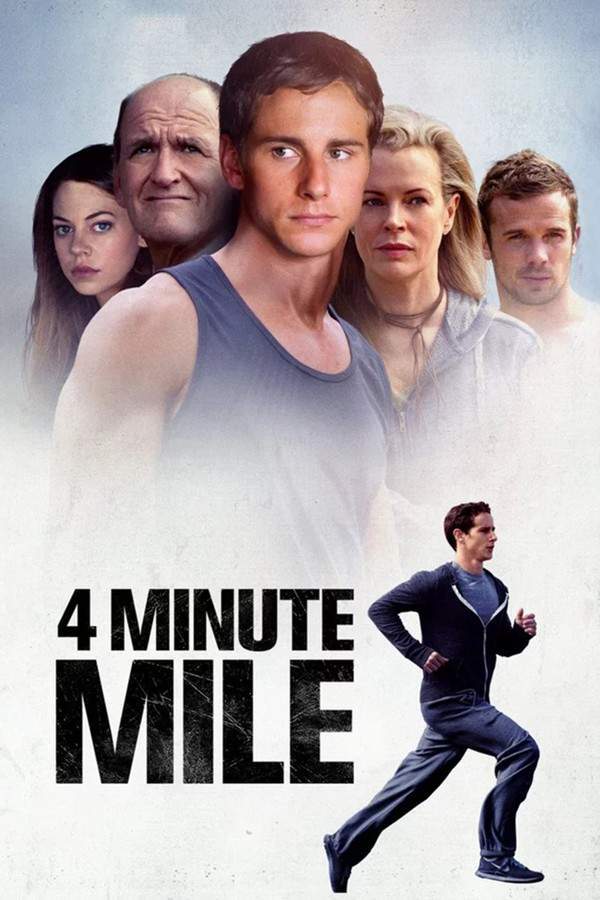


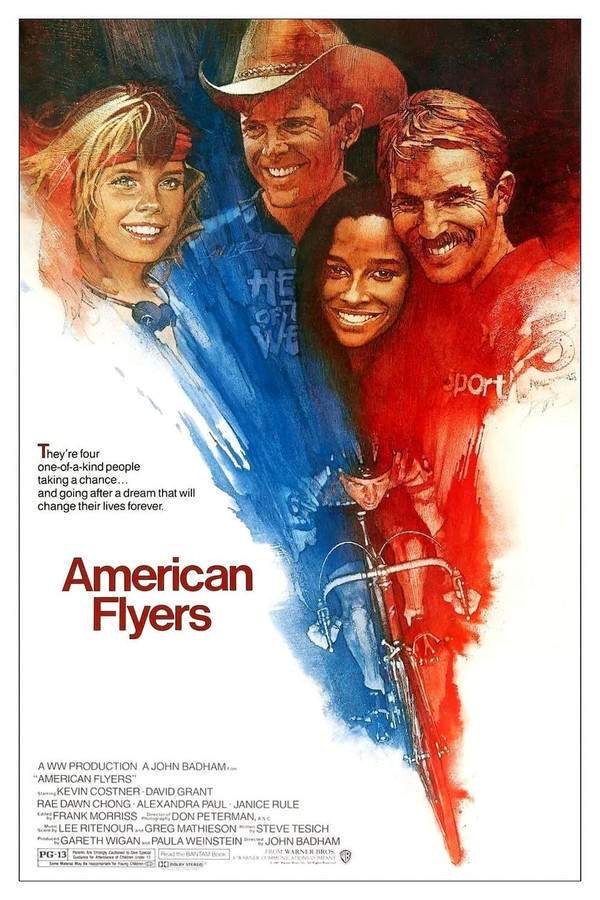
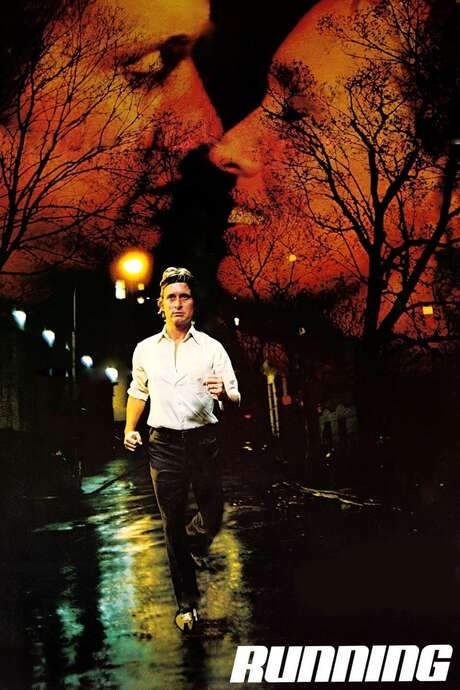
Featured on this page

What's After the Movie?
Not sure whether to stay after the credits? Find out!
Check out our other apps:

SAT Sphere
Build confidence for the Digital SAT.

Mori Atlas
Discover wild places worth protecting.

Luntero
Search smarter for a home in Amsterdam.

Plot Explained
Unravel movie endings and hidden clues.

Pokechamp
Dive into Pokémon data and battle logic.

Driving Theory
Get ready for your European theory test.

Movie Dust
Plan your next cinema trip with ease.

Musemap
Find art and culture as you travel.

Selkobase
Compare credentials before committing.

Local Manual
Turn an unfamiliar country into practical next steps.

Lernavi
Compare school systems before your next move.

GymRoam
Find a workout stop wherever your plans take you.
Explore Our Movie Platform
New Movie Releases (2026)
Famous Movie Actors
Top Film Production Studios
Movie Plot Summaries & Endings
Major Movie Awards & Winners
Best Concert Films & Music Documentaries
Movie Collections and Curated Lists
© 2026 What's After the Movie. All rights reserved.
Privacy Policy