

What Is Poverty and Nobility About?
The premise of Poverty and Nobility in 289 words, with nothing given away. The full story follows below.
Set against the bustling backdrop of late 19th-century Naples, a city where dignity often wrestles with destitution, the story weaves a tale of wit, pride, and survival. Felice Sciosciamocca is a well-meaning but penniless scribe, while his close friend Don Pasquale scrapes together a living photographing the wealthy. They share a home where the threat of eviction looms large, forcing the men and their wives to navigate their daily struggles through improvisation and an unshakeable sense of humor. In this world, appearance is everything, and the line between reality and performance is dangerously thin.
The quiet struggle of the neighborhood is interrupted by the romantic woes of Count Eugenio, a young nobleman who has fallen for the dazzling dancer Gemma. Though Gemma’s father—a wealthy cook—is eager to see his daughter marry well, he insists on a formal meeting with Eugenio’s family. The young Count faces a dilemma: his true lineage would likely disapprove of the match, threatening to derail his happiness before it begins. To bridge this gap, he turns to the most unlikely source of help, drafting Felice and Don Pasquale into a grand farce.
The plan requires the two poor idlers to ascend the social ladder through impersonation, posing as aristocratic relatives to satisfy the demands of Gemma’s father. As they step into the shoes of nobility, the tension between their ragged reality and their polished disguises creates a volatile mix of comedy and suspense. Complicating matters is Concetta, Felice’s wife, who watches the elaborate ruse unfold with fury at being excluded from the game. As the group prepares for a critical gathering that could make or break the young lovers, the stage is set for a collision of classes where a single slip could unravel everything.
What Happens in Poverty and Nobility?
The complete story of Poverty and Nobility, from the first scene to the last, in 267 words (about 1 minute). Spoilers throughout. Names in the text link to 6 cast member pages.
Spoilers ahead
Naples, in the late 19th century, becomes the stage for a tangle of hardship, wit, and tight-knit schemes. Felice Sciosciamocca is a poor, well-meaning scribe who teaches writing to illiterate neighbors, while his friend Don Pasquale makes a living by photographing wealthy couples. Back at their shared home, the two wives contend with a mortgaged apartment and the constant stress of paying the rent, forcing everyone to improvise with pride, humor, and a little luck.
The plot thickens when the dazzling dancer Gemma catches the eye of the young Count Count Eugenio. Eugenio asks the two men to stage a farce for him, hoping to win Gemma’s heart by presenting a convincingly tangled family drama. Gemma’s father — a prosperous cook — wants to meet Eugenio’s family, but he senses that his son’s romance faces disapproval from Eugenio’s own father. To pull it off, Count Eugenio has Don Felice pretend to be his uncle, the Prince of Casador, while Don Pasquale plays Eugenio’s “real” father, Ottavio Favetti. The scheme assigns false roles to members of both households, leaving Concetta — Felice’s second wife — out of the impersonation and growing increasingly furious at the exclusion.
The action moves to the splendid villa of Don Gaetano, where Concetta bursts in and threatens to derail Eugenio’s carefully laid plan. Yet in a deft display of comic improvisation, Felice Sciosciamocca keeps the deception from spiraling out of control, balancing shifting loyalties and smoothing over mounting tensions. In the end, misunderstandings are resolved, bonds are restored, and the elaborate ruse concludes with a light, satisfying sense of triumph for all involved.
Poverty and Nobility Timeline: Every Key Event in Order
12 key events in the order they happen, from “Felice and Pasquale's livelihoods in Naples” to “Final outcome and reconciliation”. 12 events name a place, across 6 locations.
- 1
Felice and Pasquale's livelihoods in Naples
In Naples in the second half of the 19th century, Felice Sciosciamocca works as a scribe for illiterate people, while his friend Don Pasquale tries to earn money by taking photographs for rich couples. Their day-to-day life is modest, and their wives struggle with finances. The social backdrop is one of poverty and aspiration.
When:Second half of the 19th century Where:Naples, Italy
- 2
Wives' quarrel over mortgaged apartment
The apartment is mortgaged and the wives start to fight because they cannot pay the rent. The mounting financial pressure strains the men’s friendships and threatens their home. The tension sets the stage for the ensuing scheme.
Where:Felice and Pasquale's home
- 3
Count Eugenio hires them for a farce
Count Eugenio, in love with Gemma the dancer, asks Felice and Pasquale to stage a farce for him. He hopes the ruse will help him approach Gemma’s world and family.
Where:Naples
- 4
Gemma's father's desire to meet Eugenio's family
Gemma's father, a wealthy cook, wants to meet Eugenio's family. He also knows that his real father does not approve of Gemma's romance with the dancer.
Where:Naples
- 5
False identities assigned: Felice as uncle, Pasquale as father
Count Eugenio entrusts a false role to each member of the two families. Felice is to become Eugenio’s uncle, the Prince of Casador, and Pasquale will play Eugenio’s father Ottavio Favetti. Concetta, Felice's second wife, is left without a role.
Where:Villa planning space
- 6
Concetta's anger at being left without a role
Concetta learns she has no role in the plan and becomes very angry. Her exclusion fuels tension among the households.
Where:Villa planning space
- 7
Tensions rise as the plan unfolds
Felice and Pasquale argue as the farce preparation unfolds. They debate the risks and the deception they're about to stage.
Where:Villa of Don Gaetano
- 8
The villa becomes the stage for the ruse
The plan is set to be performed at the beautiful villa of Don Gaetano. The two families prepare to enact the false identities in front of Eugenio and Gemma.
Where:Villa of Don Gaetano
- 9
Concetta interrupts the plan
Concetta bursts into the home to disrupt or compromise the scheme. Her intervention challenges the arrangement, but the others adapt to keep the plan on track.
Where:Villa of Don Gaetano
- 10
Felice improvises to fix the situation
Felice manages to fix the situation and keep the deception from collapsing. He ensures the farce continues and the plan can still achieve its aims.
Where:Villa of Don Gaetano
- 11
Resolution approaches as misgivings fade
With the misgivings resolved, the characters move toward a happy outcome. The deception serves its purpose, bringing families closer and letting Gemma’s romance with Eugenio proceed.
Where:Villa of Don Gaetano
- 12
Final outcome and reconciliation
All is resolved; the two families reconcile and the lovers’ bond remains intact. The farce ends with harmony as the plan achieves its goals.
Where:Villa / Naples
Who Are the Main Characters in Poverty and Nobility?
7 characters, among them Don Felice Sciosciammocca, Don Pasquale and Gemma: who each one is and the part they play in the story. Every profile links to the actor’s page.
- DF
Don Felice Sciosciammocca
Played by Totò
An impoverished man who scrapes by as a scribe for illiterate clients; he is quick-witted and pragmatic, always seeking to improve his lot in life. He becomes entangled in Eugenio's plan and must balance loyalty to his friend with the realities of his fragile marriage. His humor and resourcefulness drive much of the comedy, while his pride tests the boundaries of the ruse.
- 🎭 Comedy
- 💰 Poverty
- 🏛️ Class conflict
- DP
Don Pasquale
Played by Enzo Turco
Felice's friend who tries to make a living by photographing wealthy couples; he is pragmatic and adaptable, able to play multiple roles as required by Eugenio's plot. When asked to pose as Eugenio's true father, he must convincingly inhabit an improbable identity. His flexibility under pressure keeps the scheme afloat, even as the plan threatens to unravel.
- 🎭 Comedy
- 💡 Strategy
- 🏛️ Class conflict
-
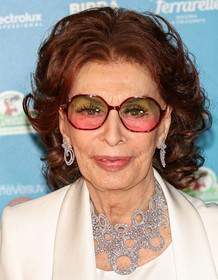
Gemma
Played by Sophia Loren
Gemma is a beautiful dancer whose love captures Eugenio's interest; she becomes the focal point of the aristocratic farce. Her allure drives the need for social approval and family acceptance. She navigates the rumors and expectations of lovers and suitors, ultimately becoming a catalyst for the plan's resolution.
- 💃 Dance
- 🎭 Romance
- 🏛️ Class conflict
- CE
Count Eugenio
Played by Franco Pastorino
Count Eugenio is a wealthy, calculating suitor who orchestrates the deception to win Gemma and to impress her father. He arranges roles for Felice and Pasquale, manipulating social scripts to reach his aim. His scheme reveals a talent for manipulation and a desire to bend social norms to his will.
- 🎭 Deception
- 💰 Wealth
- 🏛️ Class conflict
- OF
Ottavio Favetti
Played by Giuseppe Porelli
Ottavio Favetti is Eugenio's father, a man who disapproves of the match, adding a moral obstacle to the plot. He upholds propriety and lineage, driving the need for the elaborate masquerade. His stance sets the stakes for who may marry whom in the tale.
- 👨👦 Authority
- 💰 Wealth
- 🏛️ Family
- C
Concetta
Played by Liana Billi
Concetta is Felice's second wife; she is angry at not having a clear role in the plan. She embodies the domestic friction within the shared apartment and the tension between money, status, and affection.
- 🎭 Family
- 🧭 Jealousy
- 💰 Wealth
- G
Gaetano
Played by Gianni Cavalieri
Gaetano is the villa owner; his opulent villa becomes the center of the farce. The setting and social drama within his home amplify the comedic deception and eventual reconciliation.
- 🏰 Villa
- 💼 Status
- 🎭 Comedy
Where and When Is Poverty and Nobility Set?
Poverty and Nobility is set in Naples (Late 19th century). Here is why the time and place matter to the story.
When
Late 19th century
Set in the late 19th-century Naples, the period was defined by traditional hierarchies and growing urban challenges. The city’s crowded tenements and opulent villas frame the contrasting lives of the characters. The era's fashion of aristocratic theatrics informs Eugenio's appetite for grand schemes.
Where
Naples
Naples serves as the backdrop for Poverty and Nobility, with its crowded streets and bustling harbors. Set in the late 19th century, the city embodies stark class divisions between the impoverished residents and the wealthy elite. The film uses Naples' atmosphere and the opulent villa settings to highlight the social contrasts at the heart of the story.
- 🏙️ Naples
- 🕰️ 19th Century
What Are the Themes of Poverty and Nobility?
3 ideas the story keeps returning to, among them Deception, Wealth and Family.
-
01
Deception
The plot centers on disguises, staged lineage, and mistaken identities as Eugenio, Felice, and Pasquale impersonate relatives to win approval. The farce hinges on the tension between appearances and genuine feeling. Each misrepresentation reveals how social status can be manufactured, but personal loyalties and stubborn pride complicate the plan. The comedy resolves when deception yields truth and reconciliation.
-
02
Wealth
Money and social status drive the characters’ choices, from mortgaged homes to lavish villa schemes. The rich Count uses wealth as a tool to manipulate love and acceptance, exposing how money can disguise moral concerns. Yet the film questions whether wealth guarantees happiness, showing that affection and integrity still prevail at the end.
-
03
Family
Family ties collide with romantic ambitions as Felice, Pasquale, and Concetta navigate loyalties and quarrels inside the shared home. Concetta’s anger over the missing role shows how women are caught in the crosscurrents of a male-driven plan. The villa setting and the staged family dynamics highlight the tension between duty to family and desire for personal happiness. In the end, the family unit is restored, with resolutions among the spouses and neighbors.
What Kind of Film Is Poverty and Nobility?
Light in tone, with fast pacing and a moderate story, going by the plot summary.
- Tone
- Light
- Pacing
- Fast
- Story
- Moderate
- Intensity
- Low
- Ending
- Happy
A fast-paced and whimsical farce that playfully explores class dynamics through a convoluted scheme of mistaken identities, resulting in a chaotic but ultimately cheerful atmosphere.
- farci cal
- mischievous
- comical
- chaotic
- homespun
- light-hearted
- false identity
- class disparity
- marriage
- deception
Quiz
How well do you remember Poverty and Nobility? Test yourself on the story.

